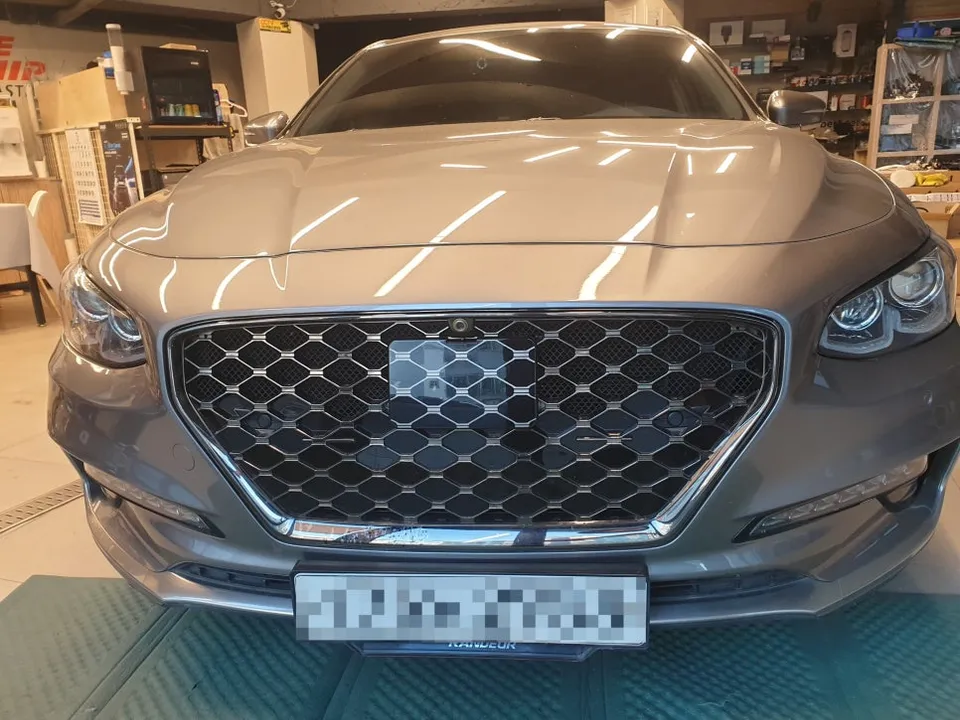
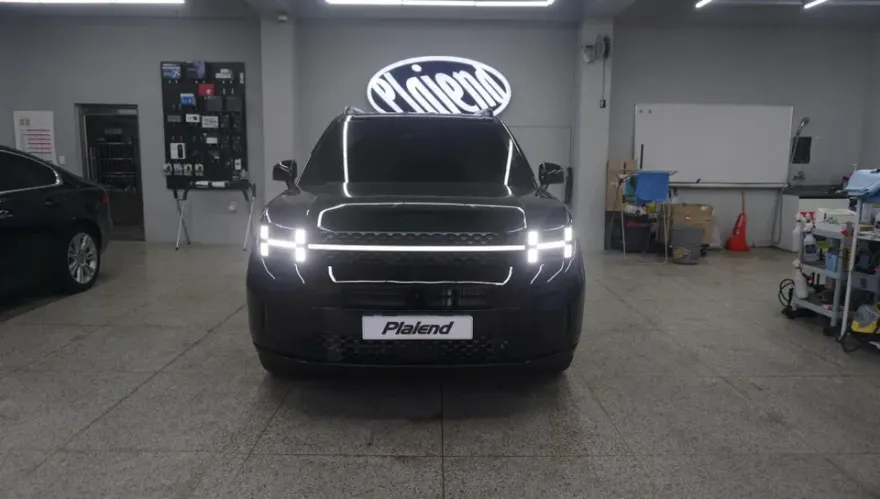
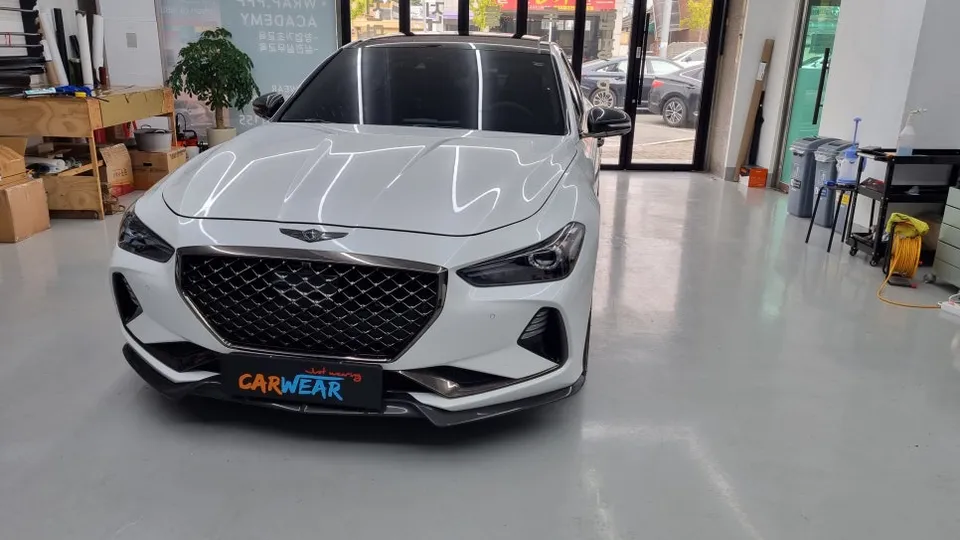
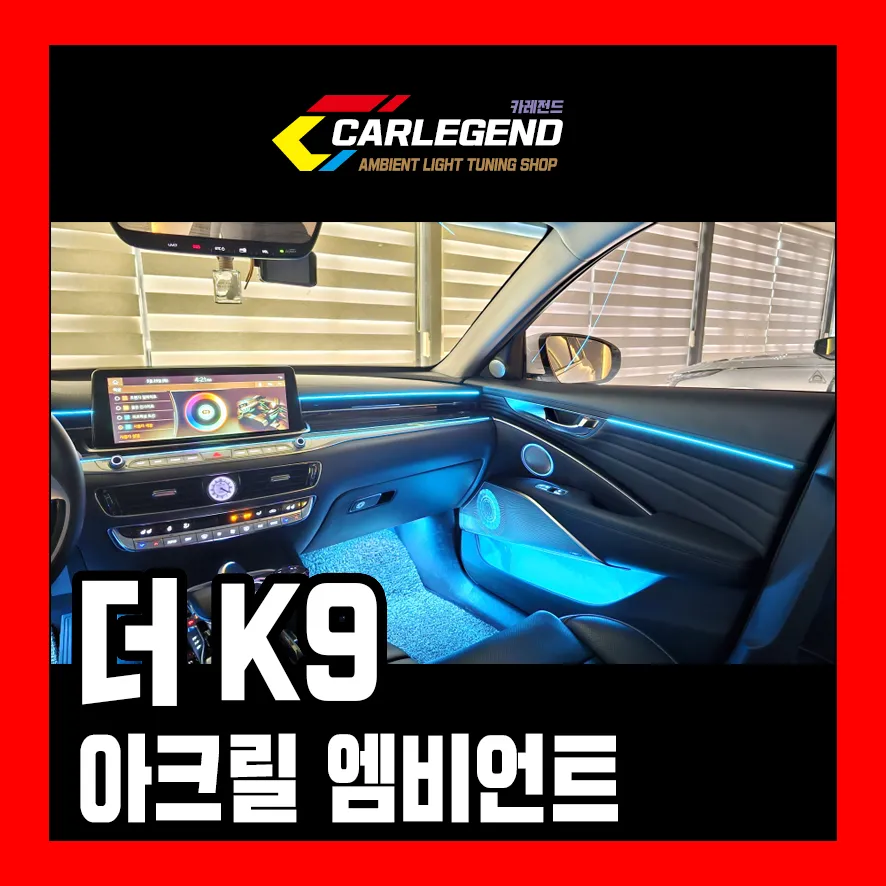
Hyundai Elantra N Body Kit Review — Enhanced Aesthetics
Service Price
$under approx. $400
Estimated price · Actual price may vary by shop
Before
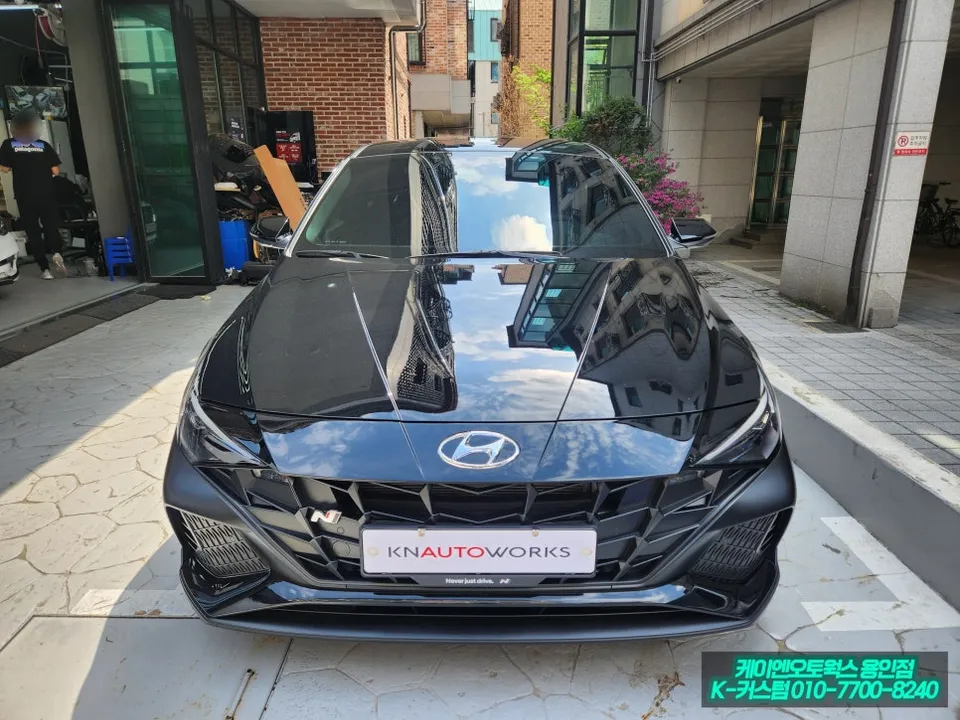
After
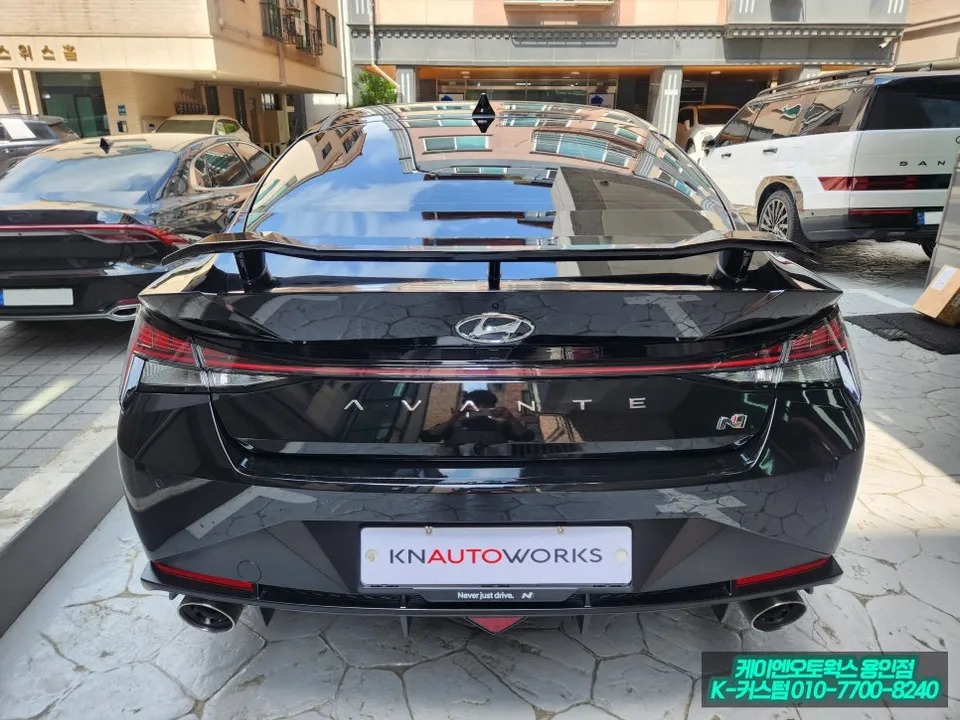
Process photos
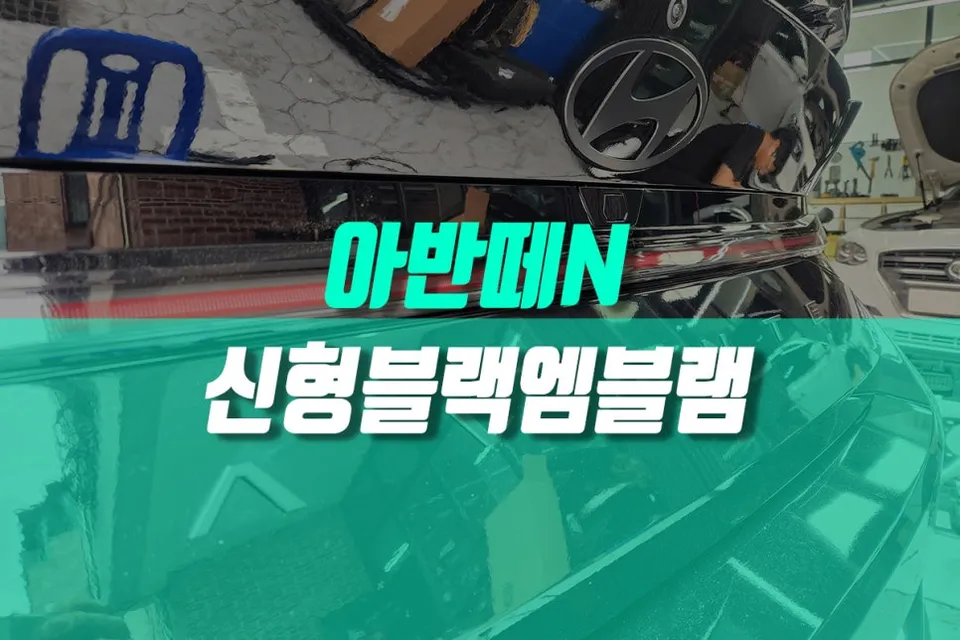
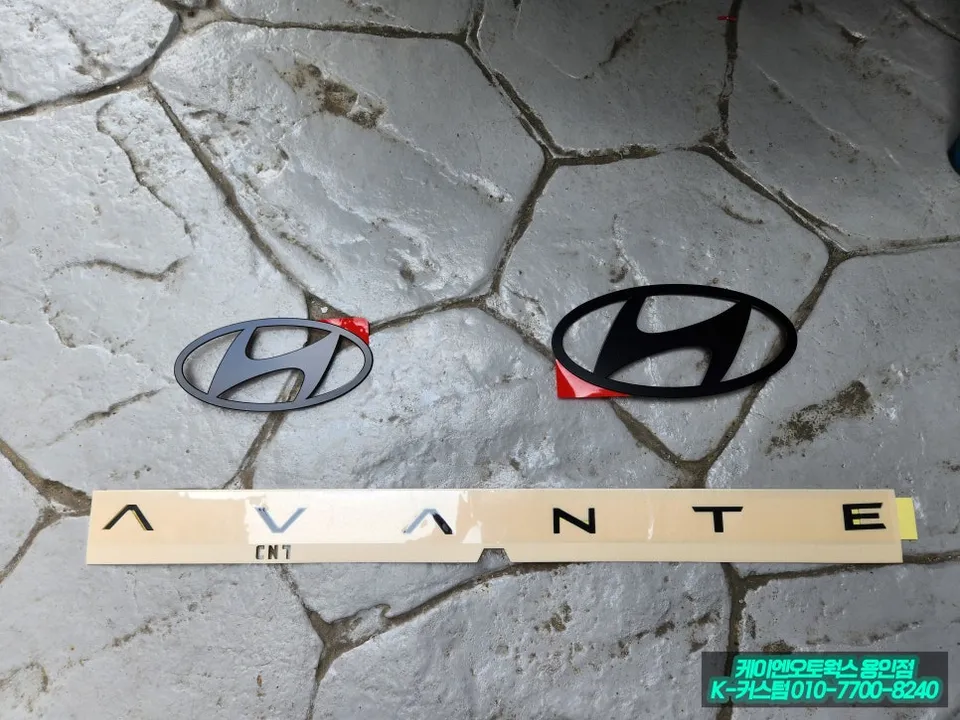
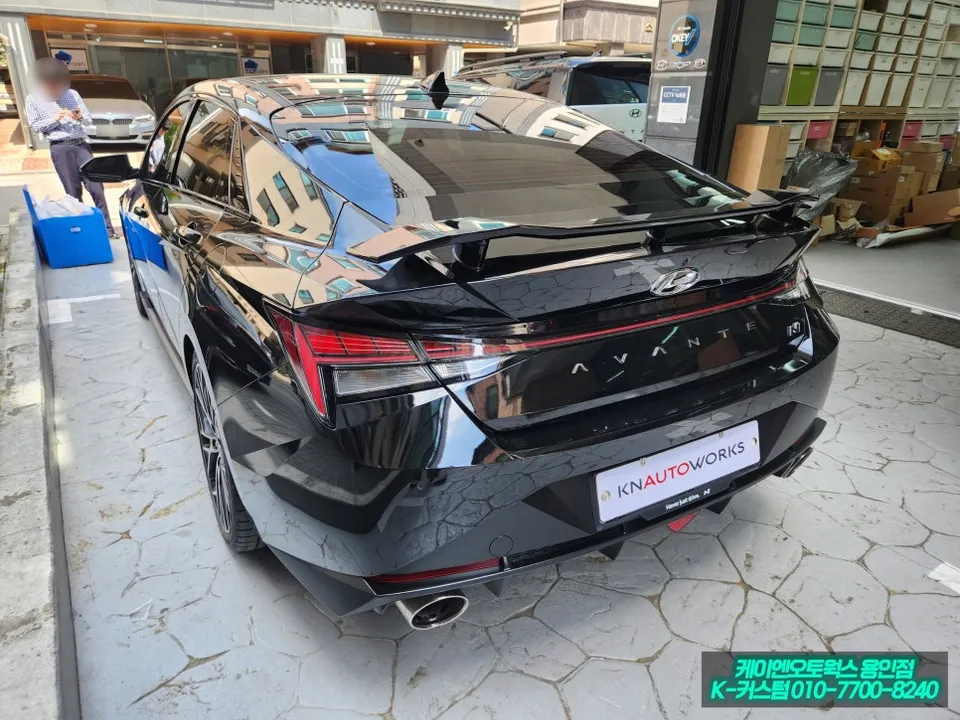
Hyundai Elantra N emblem upgrade: ~₩100,000-₩200,000. Achieves a sleek, premium look.
Elevate Your Hyundai Elantra N's Presence
The Hyundai Elantra N is already a performance powerhouse, but for enthusiasts seeking to further distinguish their vehicle, a body kit offers a compelling avenue for customization. This review delves into the process and benefits of enhancing the Elantra N's already aggressive styling with aftermarket body components. Focusing on aesthetic upgrades, we explore how a well-chosen body kit can transform the car's visual appeal, giving it a more pronounced and personalized presence on the road.
The Impact of Black Emblems and Lettering
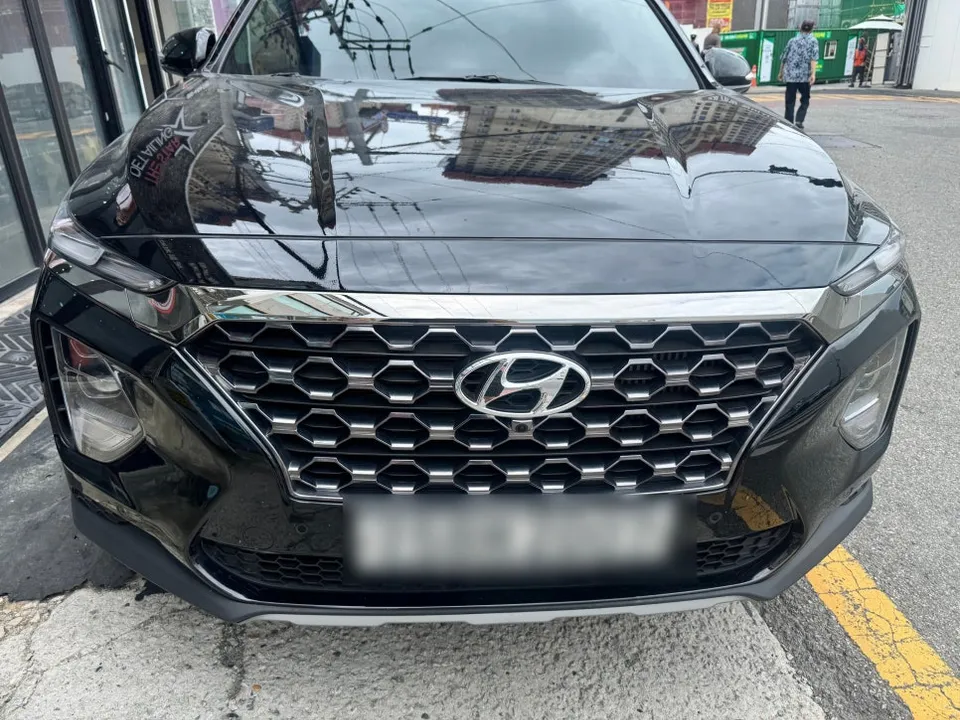
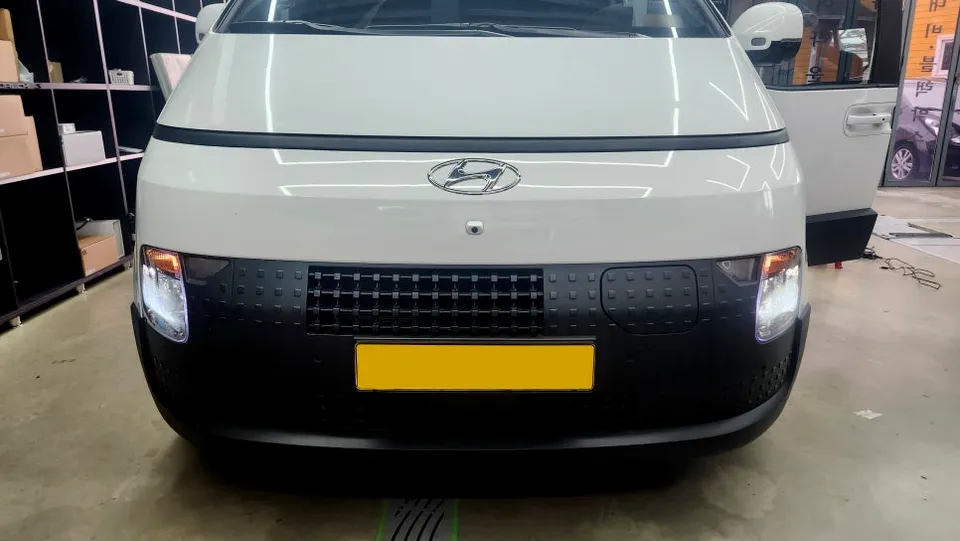
While not a full body kit in the traditional sense, the modification discussed in the original Korean context—swapping to black emblems and lettering—serves as a prime example of how subtle changes can dramatically alter a vehicle's character. For the Elantra N, replacing the standard bright emblems with sleek, black alternatives offers a sophisticated and sportier look. This 'dress-up' tuning, as it's known, is a popular choice among Elantra N owners who wish to express their individuality. The process involves meticulous preparation, including thorough cleaning and precise masking of the surrounding paintwork to prevent any damage during the emblem removal and replacement. Specialized cleaners are used to remove any adhesive residue, ensuring a clean surface for the new black emblems and lettering. The result is a seamless integration that makes the car appear as if it came from the factory with this darker, more premium finish, significantly boosting the vehicle's overall aesthetic appeal and perceived value.
Installation Process: A Step-by-Step Guide
The installation of body kit components, much like the emblem swap, requires careful attention to detail to achieve a factory-perfect finish. While specific kits vary, the general process involves:
- Surface Preparation: Thoroughly cleaning the areas where the new body kit parts will be attached is crucial. This includes removing dirt, grime, and any existing wax or sealant to ensure optimal adhesion.
- Test Fitting: Before applying any adhesives or making permanent modifications, each component is carefully test-fitted to the vehicle. This step allows for adjustments to ensure proper alignment and minimize gaps.
- Attachment: Depending on the kit, attachment may involve automotive-grade adhesive tape, specialized bonding agents, or in some cases, drilling and bolting. The method used depends on the material of the kit and the manufacturer's recommendations.
- Finishing Touches: After installation, any minor imperfections are addressed. This might include sanding, priming, and painting to perfectly match the vehicle's existing paint color, ensuring a cohesive and integrated look.
This meticulous approach ensures that the body kit not only looks good but also integrates seamlessly with the Elantra N's design, enhancing its sporty and aggressive character without compromising its factory appeal.
Frequently Asked Questions
Q. How much does a body kit cost for a Hyundai Elantra N?
The emblem and lettering upgrade discussed costs approximately ₩100,000-₩200,000 (Korean Won). Full body kits can range significantly, typically from $1,000 to $5,000 USD depending on the brand and number of pieces.
Q. How long does body kit installation take on a Hyundai Elantra N?
While the emblem swap is relatively quick, a full body kit installation can take several days due to preparation, fitting, and painting. Proper maintenance involves regular washing and waxing to protect the finish.
Q. Is a body kit worth it for a Hyundai Elantra N?
A body kit is worth it for Elantra N owners seeking a more aggressive and personalized aesthetic. It significantly enhances the car's visual presence, making it stand out.
Q. How is a body kit installed on a Hyundai Elantra N?
Installation typically involves surface preparation, test fitting components to ensure alignment, and then securely attaching them using automotive-grade adhesives or fasteners. Painting may be required for a perfect color match.
Q. What is the difference between FRP and polyurethane body kits for a Hyundai Elantra N?
Polyurethane kits are generally more flexible, durable, and impact-resistant, making them ideal for daily driving. FRP (Fiber Reinforced Plastic) kits are often more affordable but can be more brittle and prone to cracking upon impact.
OhCar Partner Shop