Hyundai Elantra Auto Service Review — Enhanced Driving Comfort
Service Price
$150+
Estimated price · Actual price may vary by shop


Upgrade Your Hyundai Elantra with Essential Car Service: Adding Ventilated Seats
In the sweltering heat of summer, a car's interior can quickly become an uncomfortable, sticky environment. For drivers of vehicles like the Hyundai Elantra, which may not come standard with ventilated seats, the experience can be particularly challenging. Even with the air conditioning running, the heat from the seats themselves, especially older leather upholstery, can make sitting down feel like an immediate confrontation with warmth. This is where a crucial car service, specifically the addition of ventilated seats, can make a significant difference in your driving comfort.
This article details the process of retrofitting ventilated seats into a Hyundai Elantra, transforming a standard seating experience into one of cool, refreshing comfort. We'll explore how this auto service can be seamlessly integrated, even into models that didn't originally offer this feature, and what the installation entails.
Understanding Ventilated Seat Technology
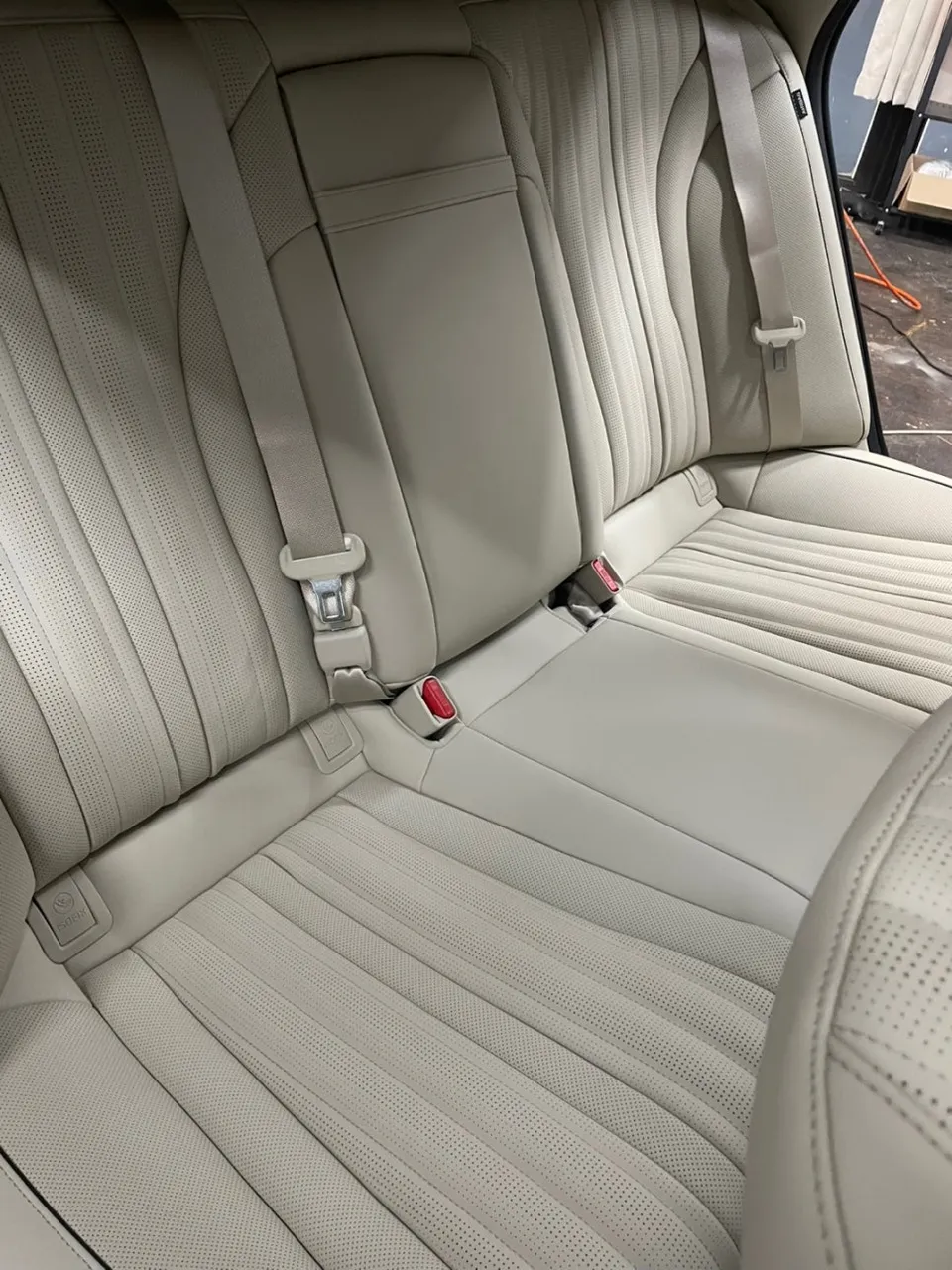
The principle behind ventilated seats is elegantly simple yet highly effective. The system works by drawing cool air from the car's air conditioning system and distributing it through small perforations in the seat's surface. This creates a constant flow of air that cools the occupant's back and lower body, preventing the buildup of heat and moisture.
The installation process can vary slightly depending on the existing seat structure. For seats that already have the necessary perforations, the process involves installing specialized fans and air ducts beneath the seat cushion and backrest. These components work in tandem to channel the conditioned air effectively. For seats without pre-existing perforations, an additional step might be required, which could involve either carefully perforating the existing seat material or replacing the seat covers with pre-perforated versions. The goal is always to ensure an even distribution of cool air for maximum comfort.
Installation Process:
- Seat Disassembly: The process begins with carefully removing the seat from the vehicle and then disassembling the seat covers to access the internal structure.
- Fan and Duct Installation: Specialized ventilation fans and air ducts are strategically placed within the seat's foam and frame. These are connected to the vehicle's climate control system to receive cool air.
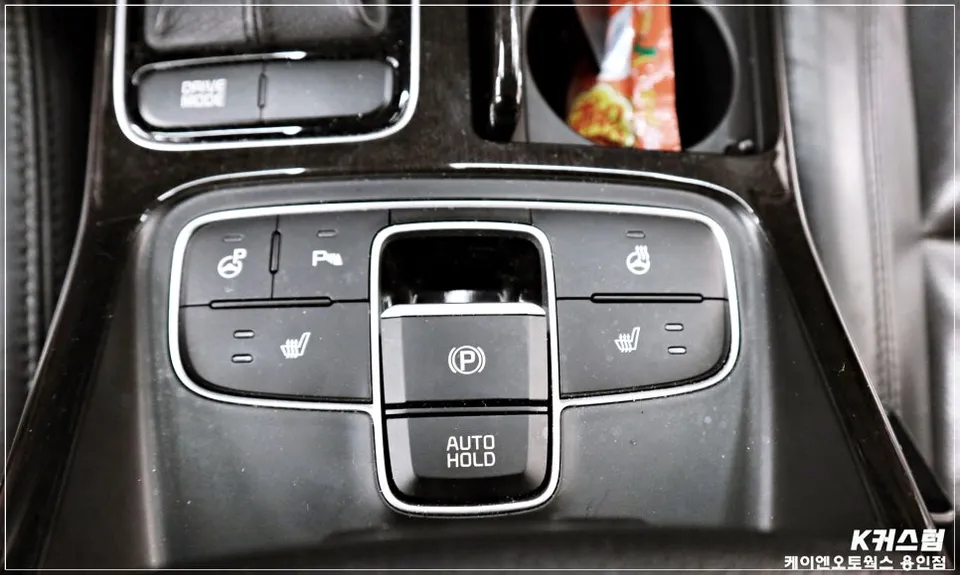
- Wiring and Switch Integration: New wiring harnesses are run to connect the fans to the vehicle's electrical system. A new switch, often designed to match the car's interior aesthetic, is installed in the dashboard or center console to control the fan speed and operation (e.g., high, medium, low settings).
- System Activation and Testing: The electrical system is programmed to recognize and operate the new ventilation controls. Finally, the seat is reassembled, reinstalled in the vehicle, and thoroughly tested to ensure all functions are working correctly and efficiently.
The Impact of Ventilated Seats on Driving Experience
Adding ventilated seats to your Hyundai Elantra is more than just a comfort upgrade; it's a practical car service that enhances the overall driving experience, especially during warmer months. The ability to regulate seat temperature significantly reduces discomfort caused by prolonged sitting in a hot vehicle. This feature is particularly beneficial for long drives or in regions with consistently high temperatures.
The integration of this technology is designed to be as seamless as possible, often utilizing components that mimic factory installations. The result is a clean, functional addition that not only improves comfort but can also add value to the vehicle. By choosing this type of auto service, Elantra owners can enjoy a more premium and comfortable ride, making every journey more pleasant, regardless of the external weather conditions.
Today's Car