Hyundai Elantra 18-inch Wheel Replacement Review - Style Upgrade
Service Price
$150+
Estimated price · Actual price may vary by shop
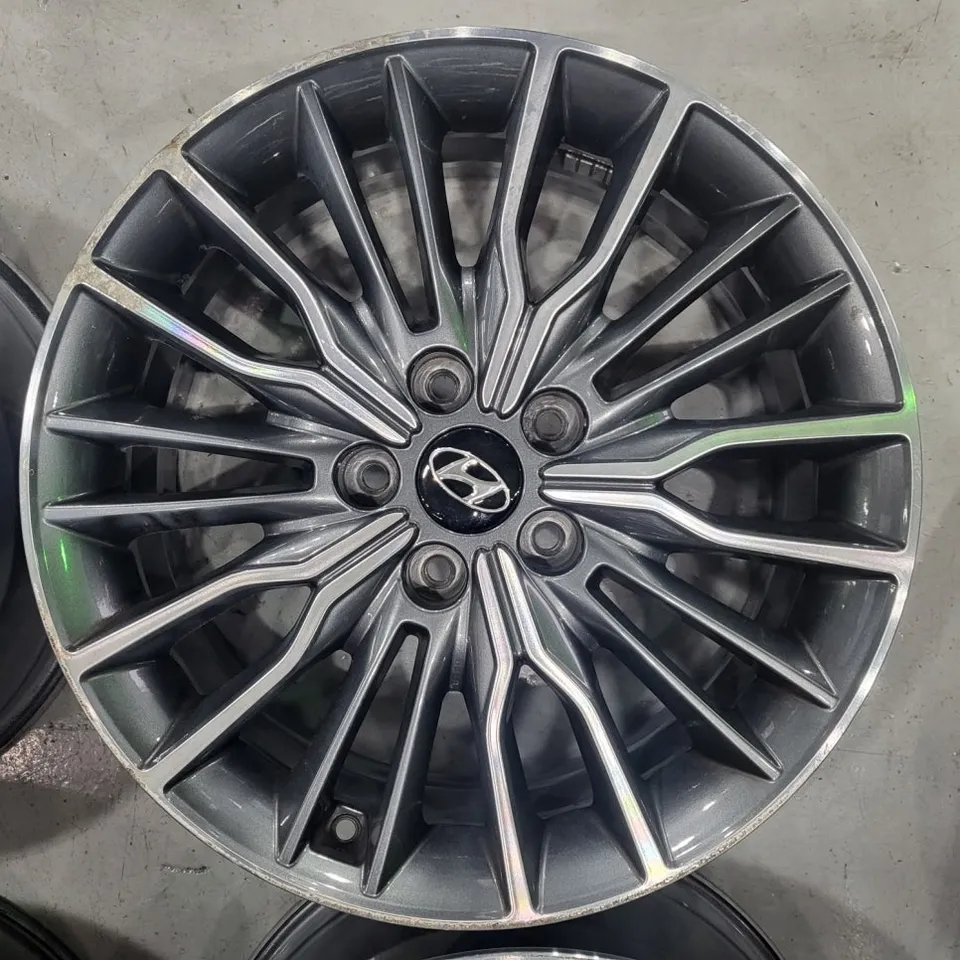
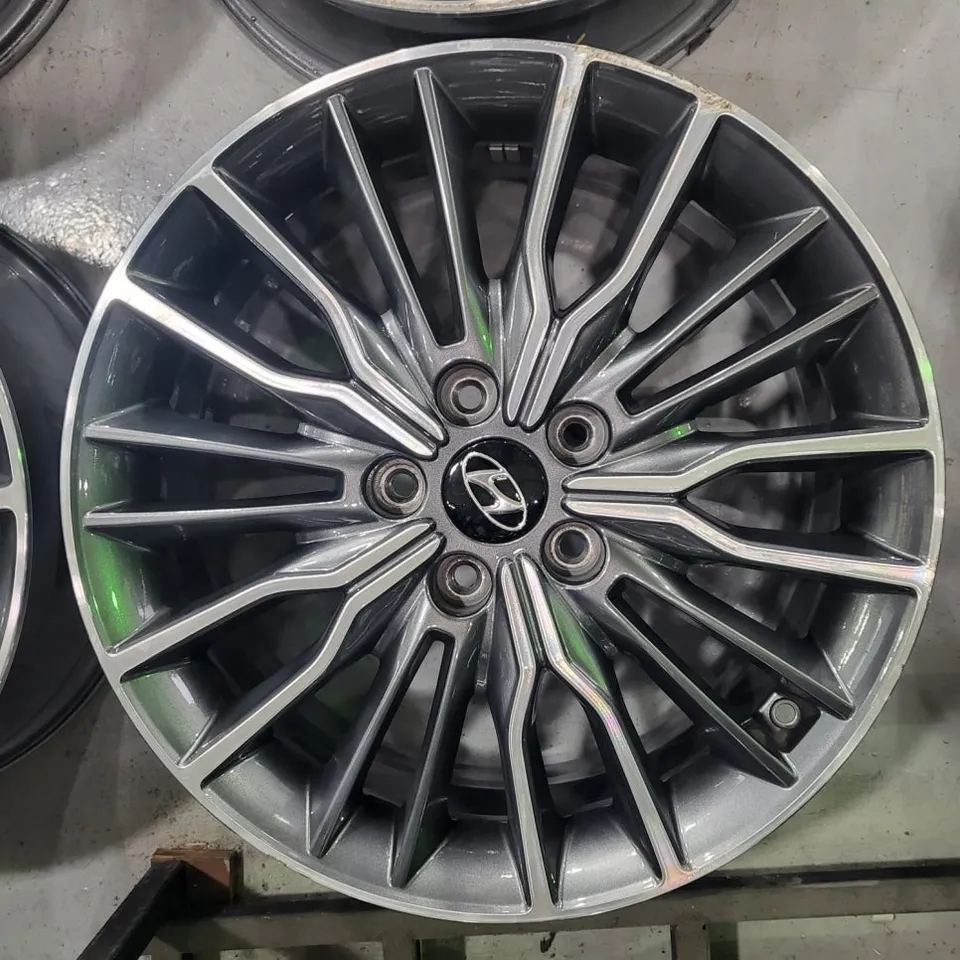
Hyundai Elantra 18-inch wheel replacement: KRW 1.5 million. Achieved a dramatic style upgrade with a mix of genuine and replica wheels.
Upgrade Your Elantra's Look with New Wheels
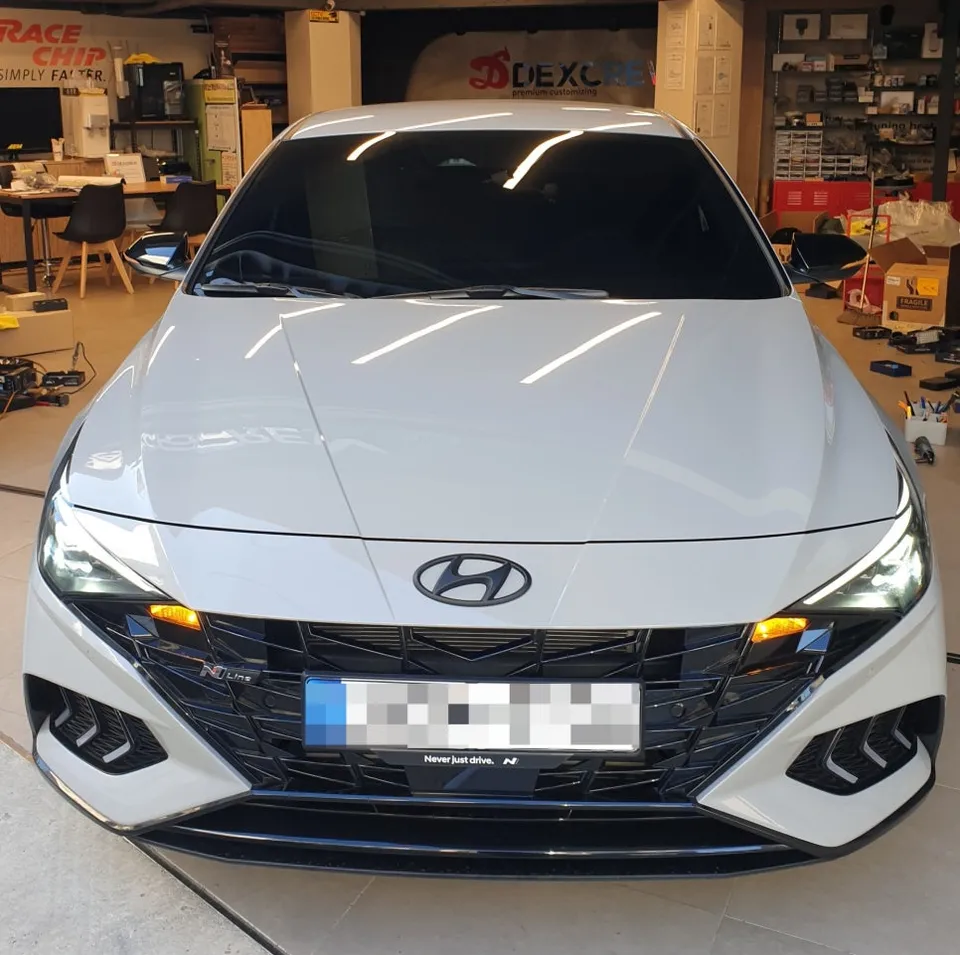
Many car owners consider upgrading their wheels shortly after purchasing a new vehicle. The Hyundai Elantra, in particular, often comes with a rather simple set of stock wheels, leading many owners to desire a more sophisticated appearance. This review details an 18-inch wheel replacement for an Elantra, covering the actual costs and crucial selection factors involved in achieving a dramatic visual transformation.
Addressing Stock Wheel Limitations and Finding the Right Solution
The standard wheels on most Elantras are typically 15 or 16 inches with a bright silver finish. While clean, they often lack distinctiveness and can blend in with other vehicles. Over time, they can also develop issues like water spots and peeling clear coats from regular washing. To overcome these limitations, the owner in this case opted for an upgrade to 18-inch sport wheels, aiming to significantly enhance the car's overall aesthetic.
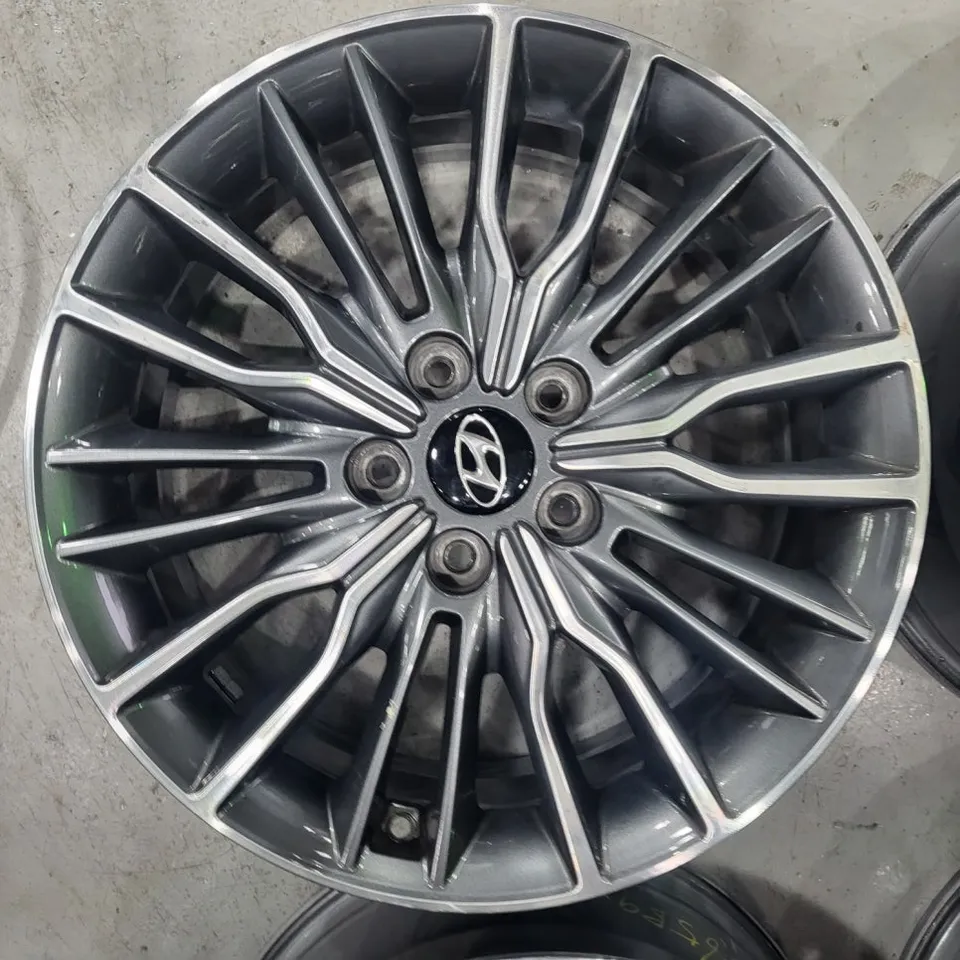
Key Considerations: Genuine vs. Replica Wheels
The wheel market offers two main categories: genuine brand-name wheels (like BBS, OZ, Lorenza) and high-quality replicas that mimic the style of premium brands. Genuine wheels come with a higher price tag but offer better after-sales support and resale value. Replicas provide a more budget-friendly way to achieve a similar look.
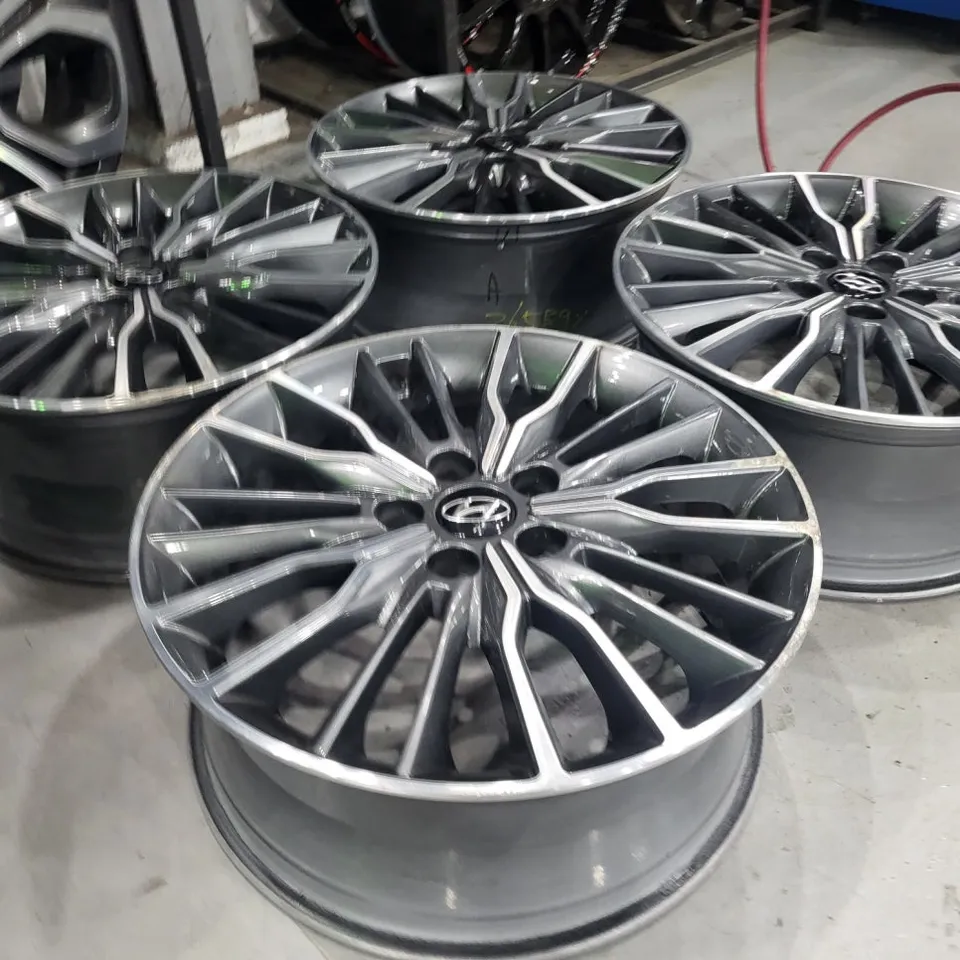
In this instance, a combination of two genuine wheels and two replica wheels was chosen. This approach, recommended by the specialists at Today's Car Cheonan branch, allowed for a balanced aesthetic and cost-effectiveness. The strategy was to maintain a premium feel without exceeding the budget allocated for a full set of genuine wheels.
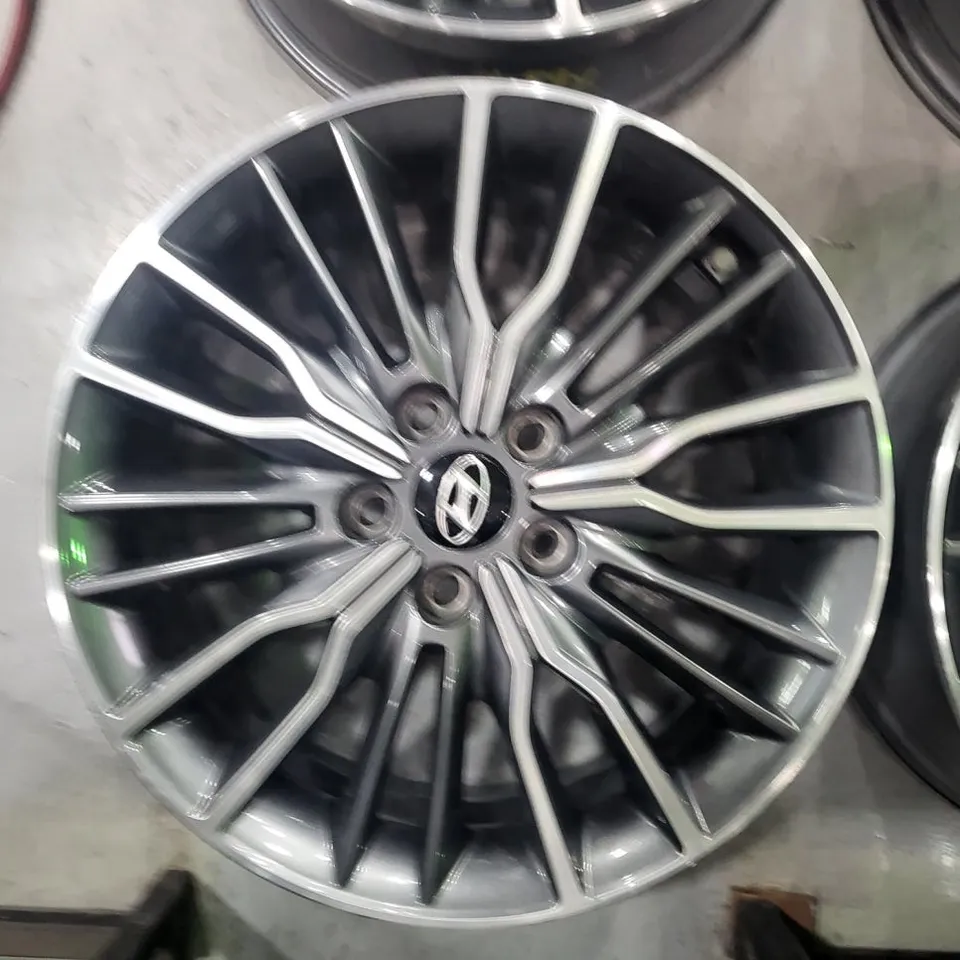
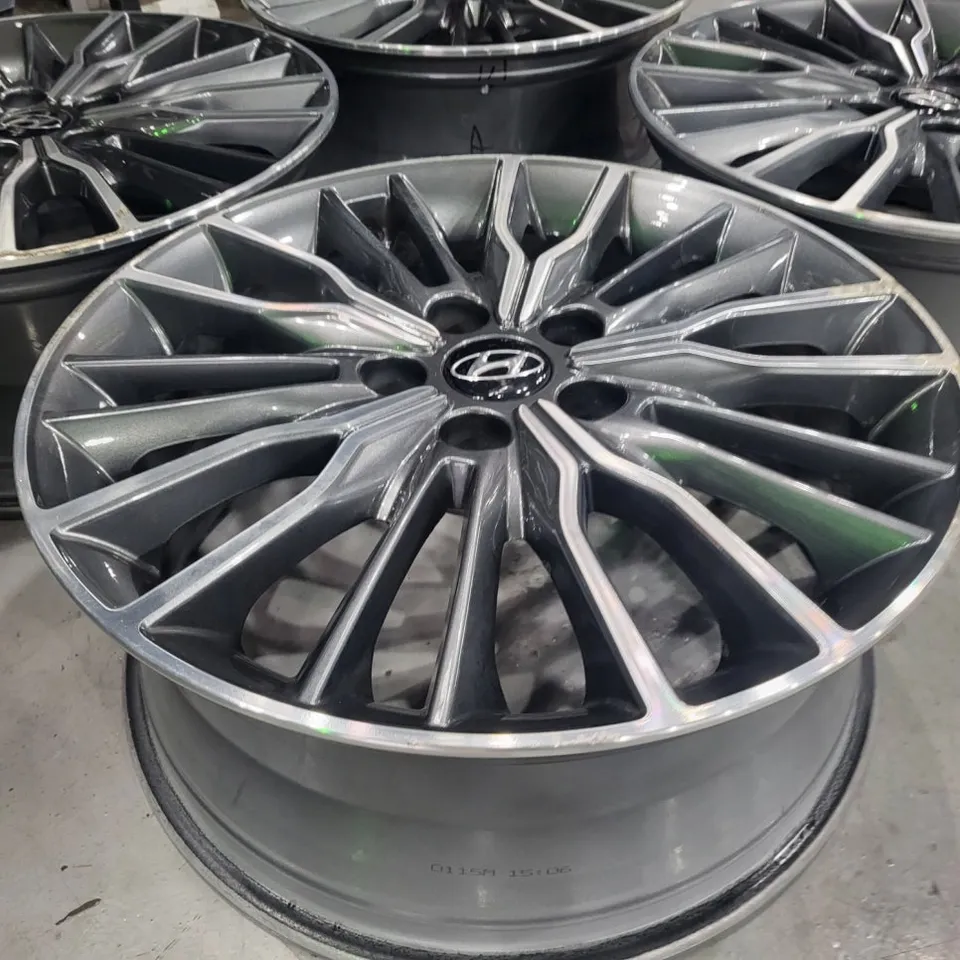
The Appeal of 18-inch Sport Wheels
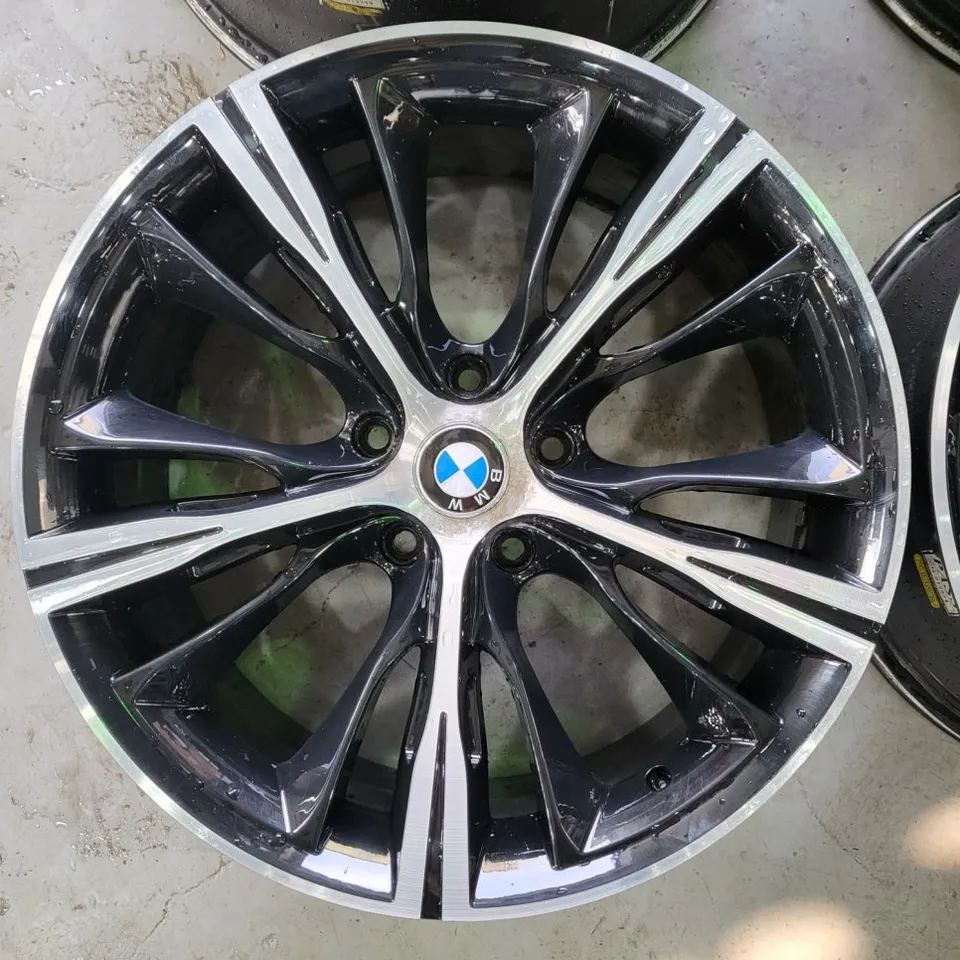
Upgrading from the Elantra's stock 16-inch wheels to 18-inch wheels does more than just increase the diameter. It typically results in a thicker wheel profile and a shorter tire sidewall, giving the car a lower, more aggressive stance, akin to a modified vehicle. The specific 18-inch wheels chosen for this upgrade feature a dark metallic finish with a urethane gloss coating. This 'dark gloss' finish offers a sophisticated, deep tone that becomes remarkably three-dimensional when reflecting sunlight.
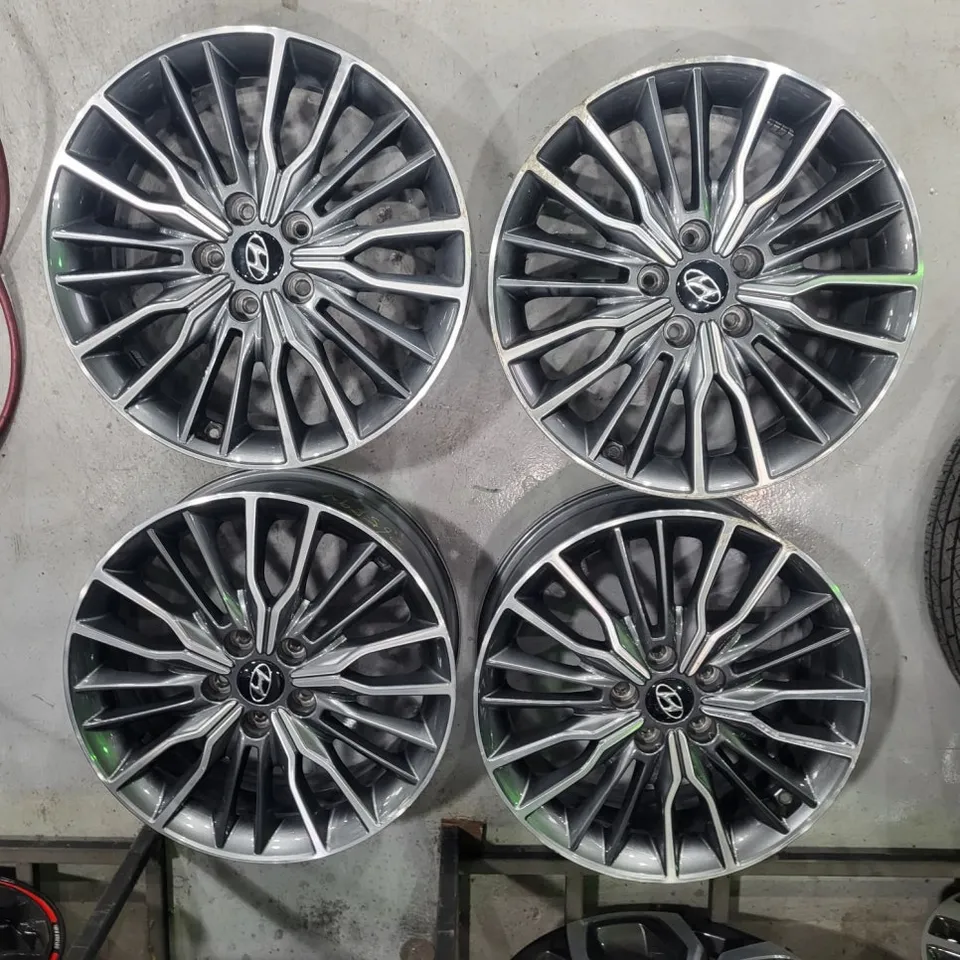
Pre-Installation Inspection of Existing Wheels
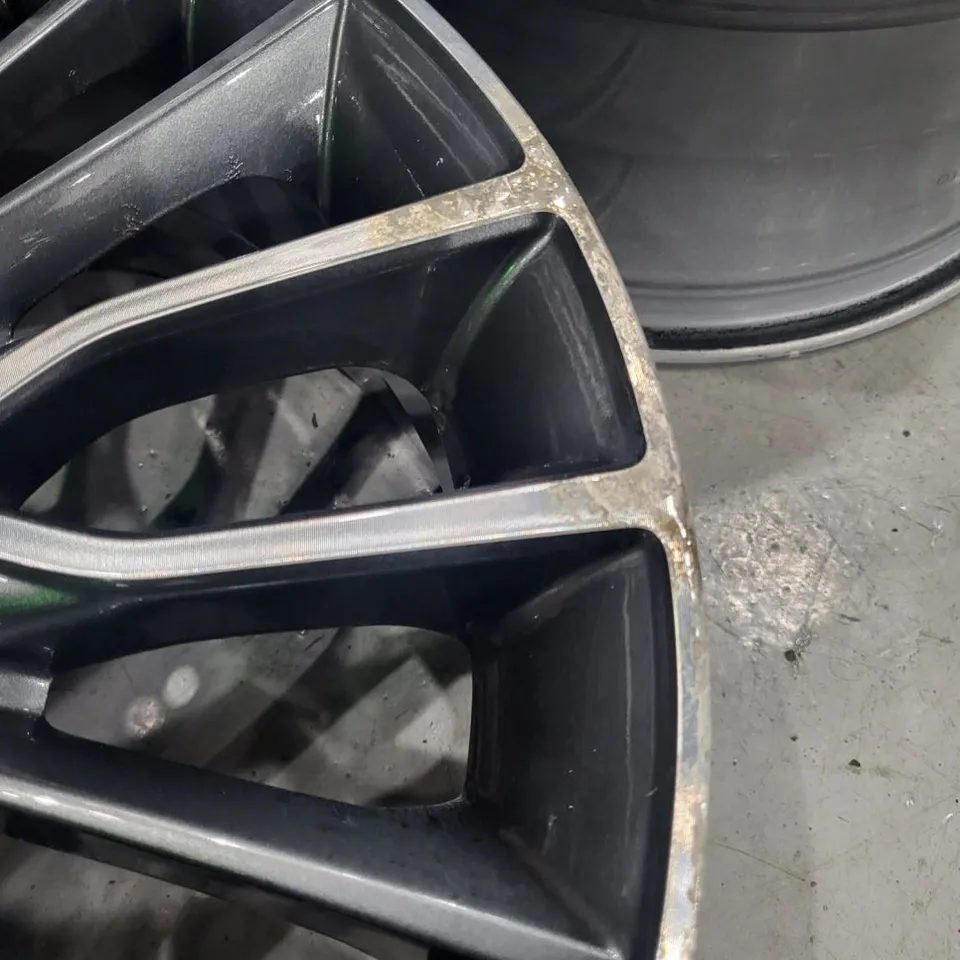
Before proceeding with the replacement, the existing wheels were thoroughly inspected at Today's Car Cheonan. This involved checking for common issues such as 'white spots' (oxidation on the metal surface) and general wear and tear from daily use. While the owner's wheels had minor cosmetic imperfections, they were free from cracks or bends, deeming them in good enough condition for potential trade-in or resale.
The Wheel Replacement Process
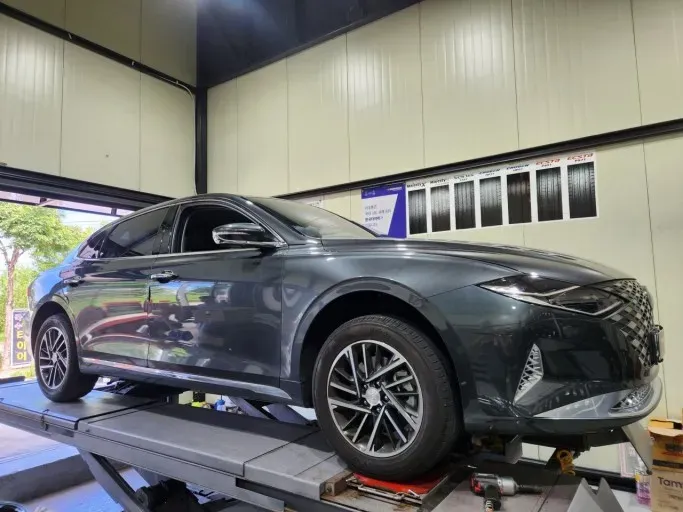
Wheel replacement, while seemingly straightforward, requires careful execution. The process involves lifting the vehicle, removing the old wheels, and transferring essential components like the tire pressure monitoring system (TPMS) sensors to the new wheels. Proper torque is critical during reinstallation.
Installation process: 1. Safely lift the vehicle using a car lift. 2. Remove the lug nuts and detach the existing wheels. 3. Transfer the TPMS sensors to the new wheels. 4. Mount the new wheels onto the hubs. 5. Secure the lug nuts using a torque wrench to the manufacturer's specified range (typically 110-130 Nm for this vehicle class) to ensure safety and prevent damage.
Balancing New Wheels for a Smooth Ride
After the new wheels are mounted, wheel balancing is essential. This process corrects any weight imbalances between the wheel and tire assembly, preventing vibrations at higher speeds. Each wheel, whether genuine or replica, was balanced individually. While genuine wheels generally require less counterweight due to precise manufacturing, the replica wheels needed slightly more detailed adjustments to achieve optimal balance. This meticulous balancing ensures a smooth and stable driving experience.
Frequently Asked Questions
Q. How much does tire replacement cost for a Hyundai Elantra?
The wheel and tire upgrade in this review cost approximately 1.5 million Korean Won. In the US, a similar 18-inch wheel and tire package can range from $1,000 to $3,000 depending on the brands and specific tire choices.
Q. How long does tire replacement last on a Hyundai Elantra?
The longevity of new tires typically ranges from 3 to 5 years or 30,000 to 50,000 miles, depending on driving habits and tire quality. Regular tire rotations and maintaining proper inflation pressure are key to maximizing their lifespan.
Q. Is tire replacement worth it for a Hyundai Elantra?
A wheel and tire upgrade is most beneficial for Elantra owners seeking a significant aesthetic improvement and a sportier stance. It offers a substantial visual transformation that can enhance driving satisfaction and vehicle appeal.
Q. How is tire replacement done on a Hyundai Elantra?
Tire replacement involves lifting the vehicle, removing the old wheels, transferring TPMS sensors, mounting the new wheels, and securing them with lug nuts torqued to specification. Finally, wheel balancing is performed to ensure a smooth ride.
Q. What is the best tire replacement option for a Hyundai Elantra?
The best option balances budget, aesthetics, and performance, often involving a mix of genuine and high-quality replica wheels for a premium look at a reasonable cost. Prioritize reputable brands for both wheels and tires for optimal results.
OhCar Partner Shop