Hyundai Elantra Window Tinting Review — Cost & Results
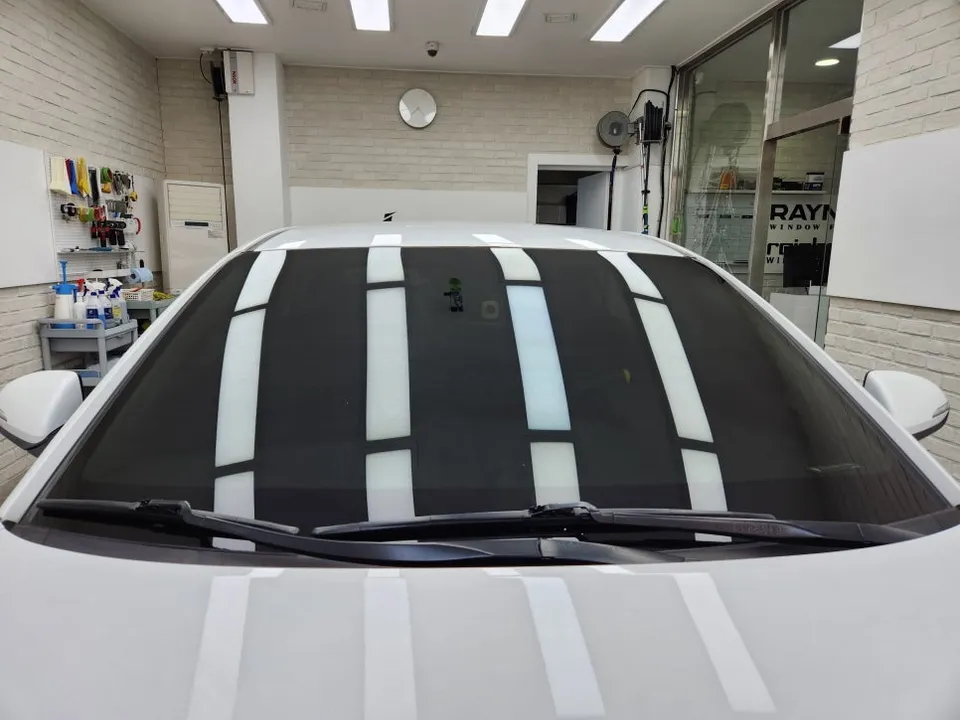
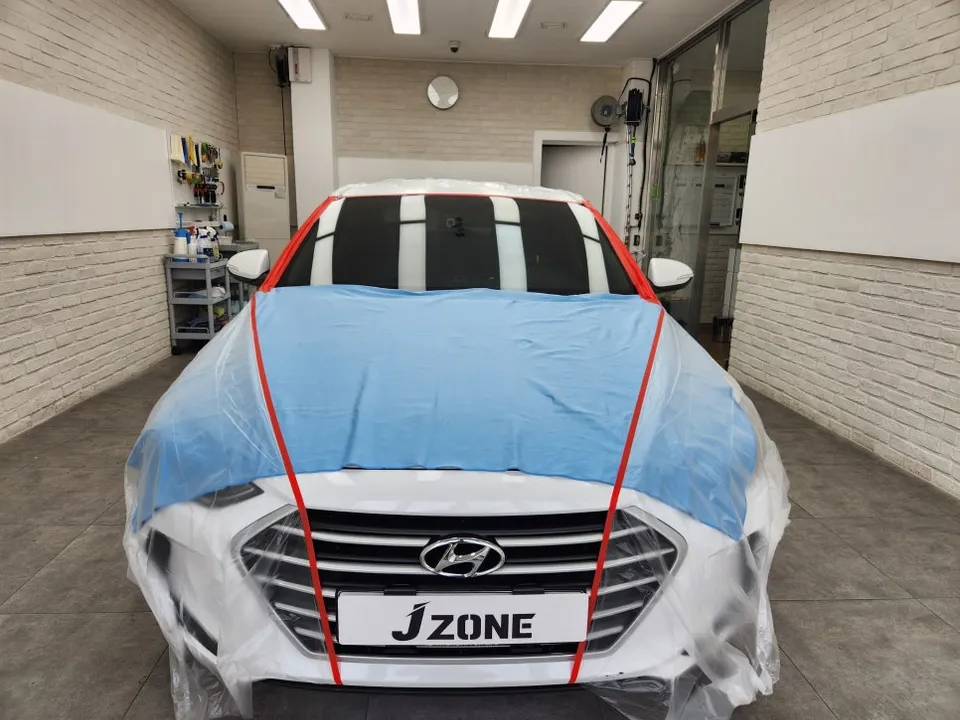
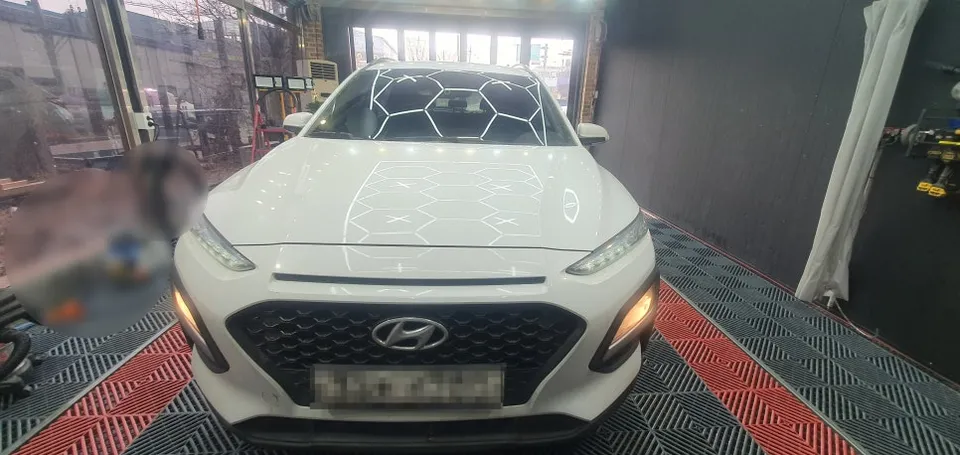
Hyundai Elantra window tinting with Rayno S7 ceramic film: 35% front tint. Enhances comfort and aesthetics.
Hyundai Elantra Window Tinting: A Comprehensive Review
This review covers the window tinting service performed on a Hyundai Elantra, focusing on the application of Rayno S7 ceramic tint with 35% visibility for the front windshield. The service was completed by JZone, a specialist shop located in Eunpyeong-gu, South Korea. We'll explore the installation process, the benefits of ceramic tint, the before and after results, and whether this upgrade is a worthwhile investment for your Elantra.
Understanding Ceramic Tint and Its Benefits
Window tinting offers more than just a sleek appearance; it provides significant functional benefits. For this Hyundai Elantra, the choice was Rayno S7, a ceramic heat rejection film. Ceramic tints are known for their superior performance compared to traditional dyed films. They are engineered to block a substantial amount of solar heat and UV rays without significantly reducing visibility. This means a cooler cabin during hot weather, reduced glare, and protection for your car's interior from sun damage. The 35% tint level on the front windshield strikes a balance, offering privacy and heat reduction while maintaining clear forward visibility, crucial for safe driving. The installation at JZone involved meticulous preparation and application, ensuring a professional finish that enhances both the aesthetics and comfort of the Elantra.
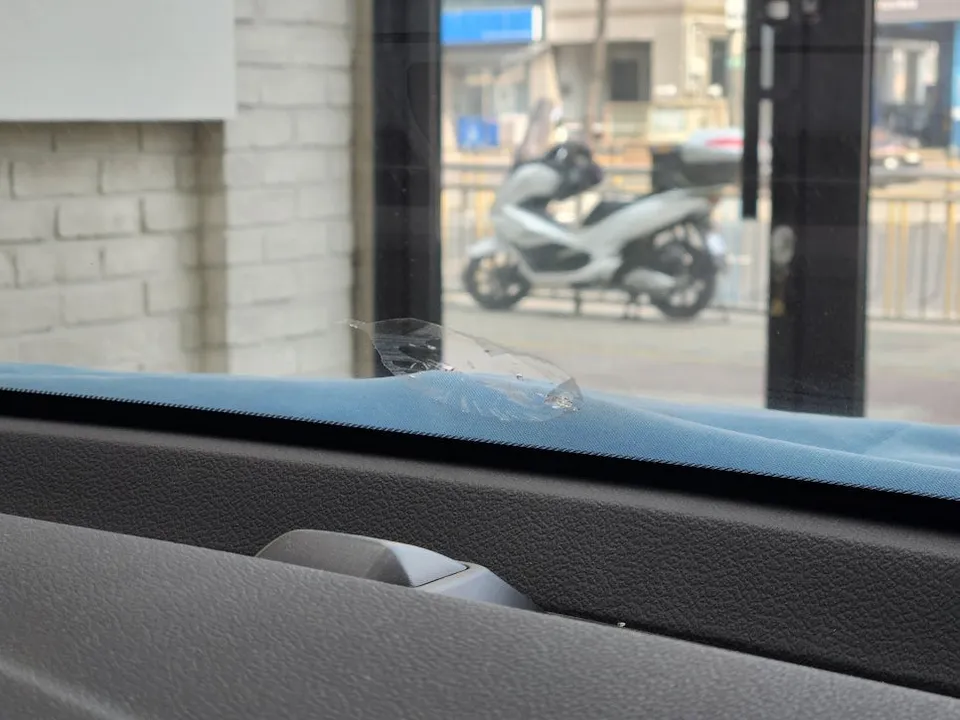
Installation Process and Durability
The window tinting installation process requires precision and expertise to achieve a flawless look and optimal performance. Here’s a general overview of how window tinting is applied:
- Surface Preparation: The vehicle's windows are thoroughly cleaned and degreased to ensure the tint adheres properly.
- Film Cutting: The tint film is precisely cut to match the exact dimensions of each window, often using specialized cutting machines or templates.
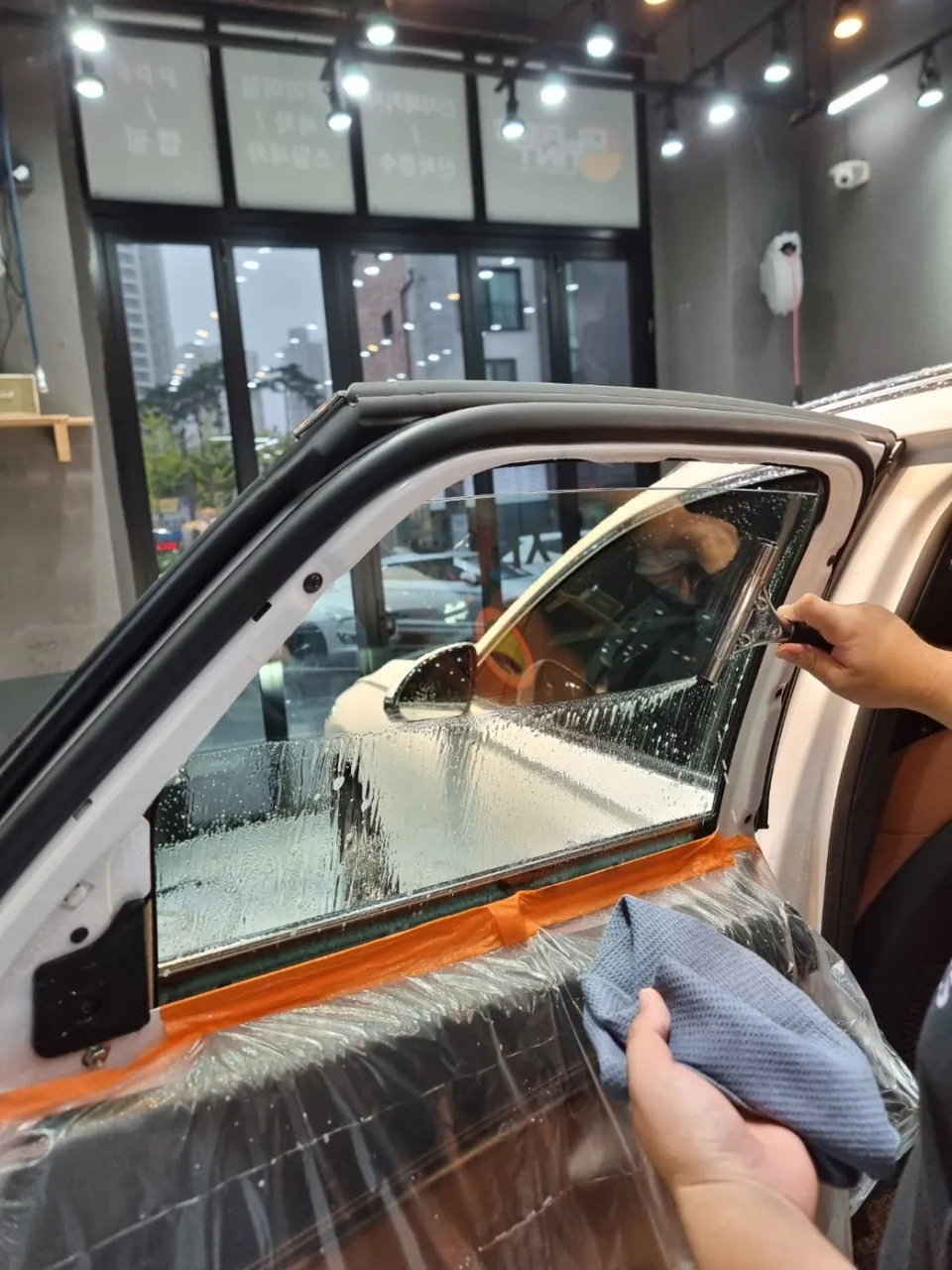
- Application: The film is applied to the interior side of the glass, with a solution used to help position the film and remove air bubbles.
- Trimming and Curing: Excess film is carefully trimmed along the edges, and heat is often applied to help the film conform to the window's curvature and seal the edges. The tint then needs time to cure fully.
The durability of quality window tint, such as the ceramic film used here, is typically excellent. When installed correctly, it can last for many years, resisting peeling, bubbling, and fading. Proper maintenance, like using ammonia-free cleaners, will help preserve the tint's clarity and performance. The before and after results on the Hyundai Elantra were striking, with a noticeable improvement in cabin temperature and a more refined aesthetic. The 35% tint provided a comfortable level of privacy and glare reduction without compromising the driver's view.
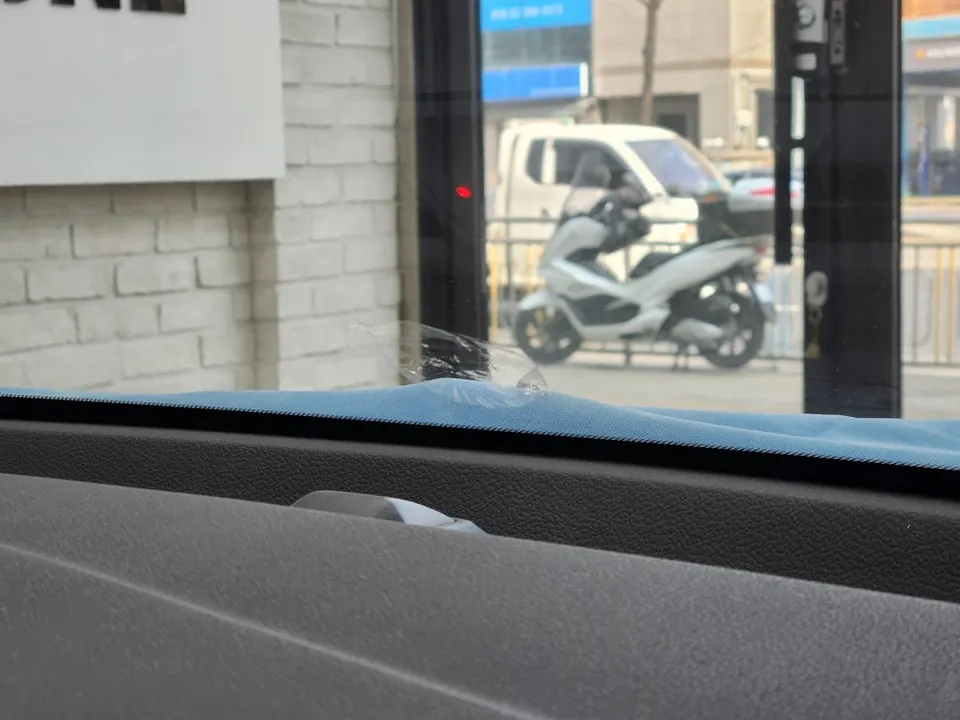
Frequently Asked Questions
Q. How much does window tinting cost for a Hyundai Elantra?
The front windshield tinting for this Hyundai Elantra at JZone in South Korea was performed using Rayno S7 film. While specific pricing varies, professional ceramic tinting for a full vehicle in the US typically ranges from $400 to $800.
Q. What tint percentage is legal for a Hyundai Elantra?
Legality of window tint percentages varies by state in the US and country. For this Elantra, a 35% tint was applied to the front windshield, which may not be legal everywhere. Always check your local regulations before installation.
Q. Is ceramic tint worth the extra cost for a Hyundai Elantra?
Ceramic tint is worth the extra cost for Hyundai Elantra owners seeking superior heat rejection and UV protection without compromising visibility. It offers long-term benefits in cabin comfort and interior preservation.
Q. How is window tint installed on a Hyundai Elantra?
Window tint installation involves cleaning the glass thoroughly, precisely cutting the film to size, applying it to the interior of the window with a slip solution, and carefully trimming edges while removing air bubbles. Heat is often used to help the film conform to the glass curvature.
Q. What is the difference between ceramic and dyed window tint for a Hyundai Elantra?
Ceramic tint uses non-metallic ceramic particles to block heat and UV rays effectively, offering superior performance and durability without interfering with electronics. Dyed tint primarily offers privacy and some UV blocking but can fade and degrade faster.
OhCar Partner Shop
More window tinting Reviews
See all →

More Hyundai Reviews



Pair with Another Service
Protect paint while you're at the shop
Add gloss and protection