Hyundai Elantra Window Tinting Review: Cost & Results
Before
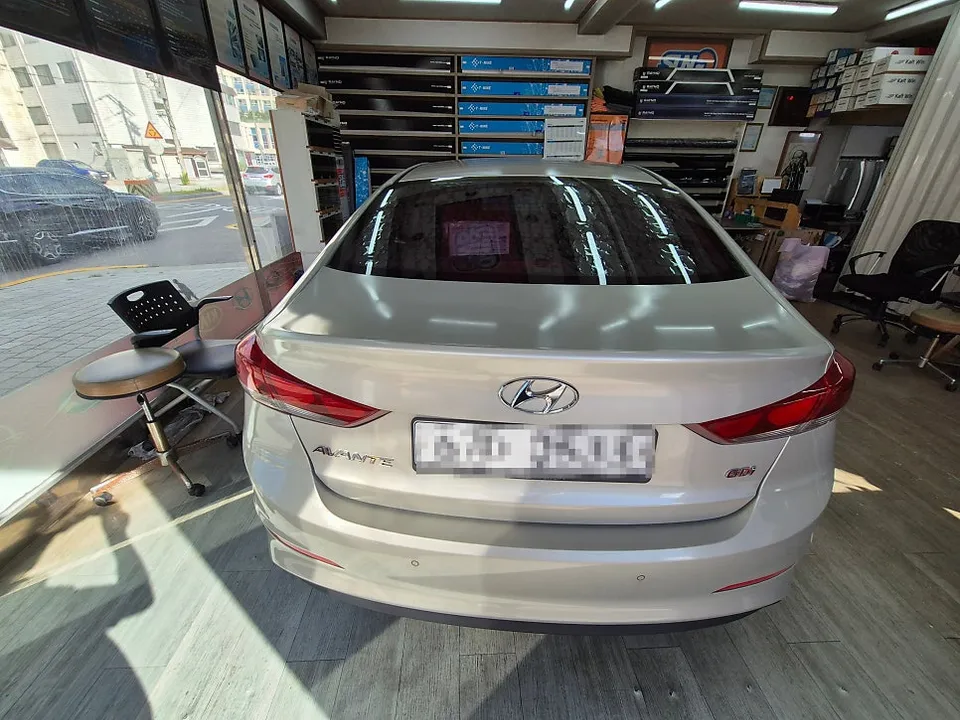
After
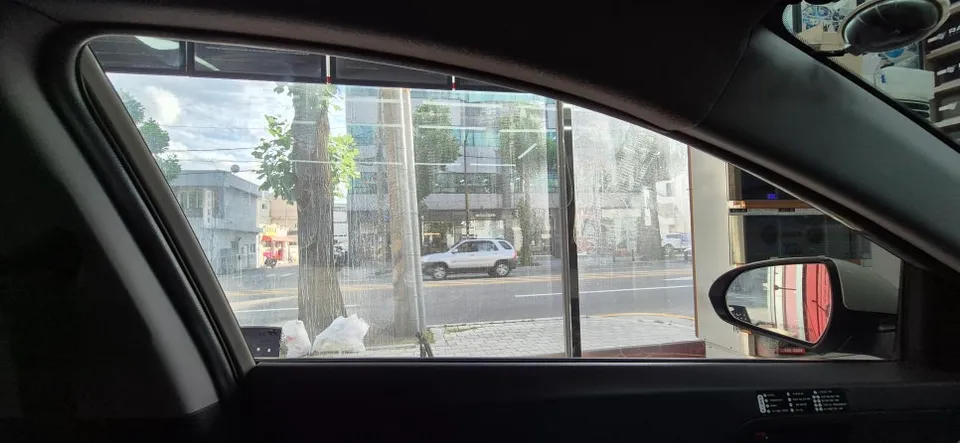
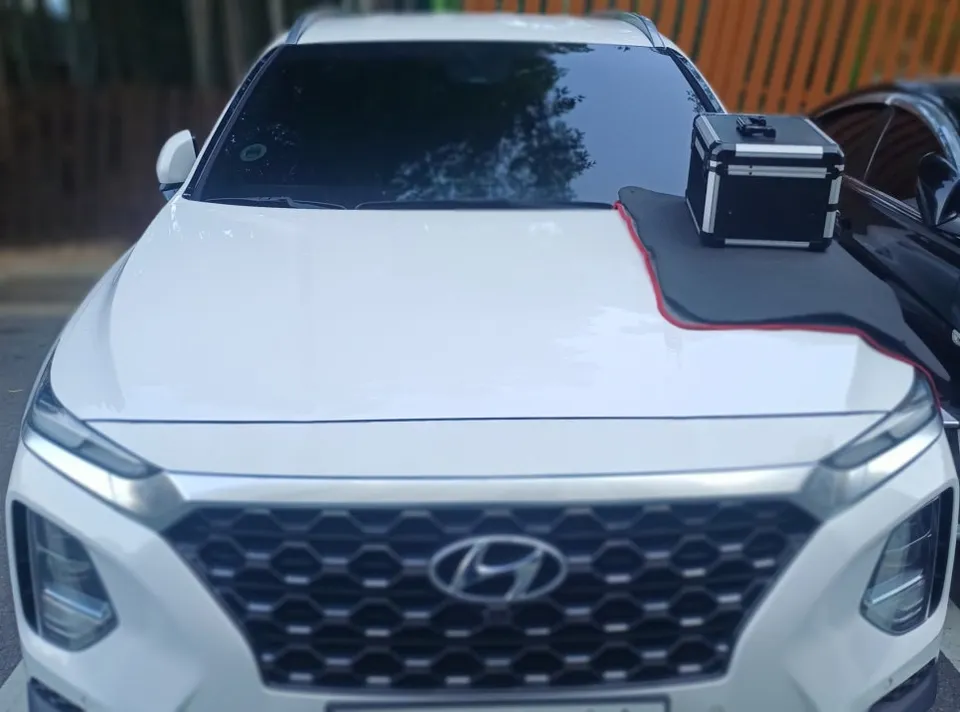
Process photos
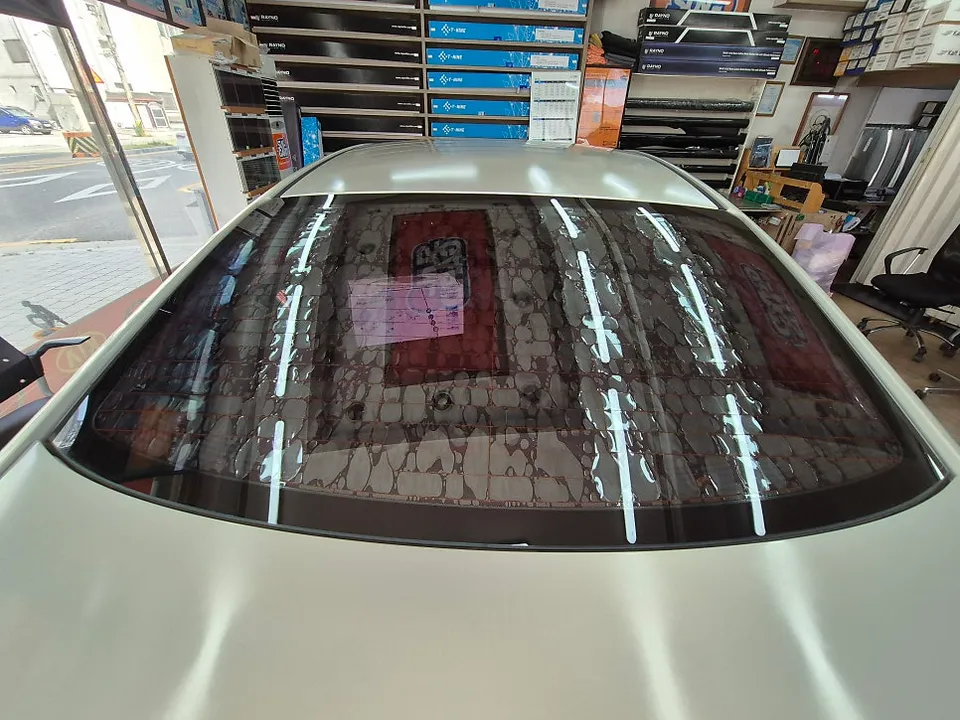
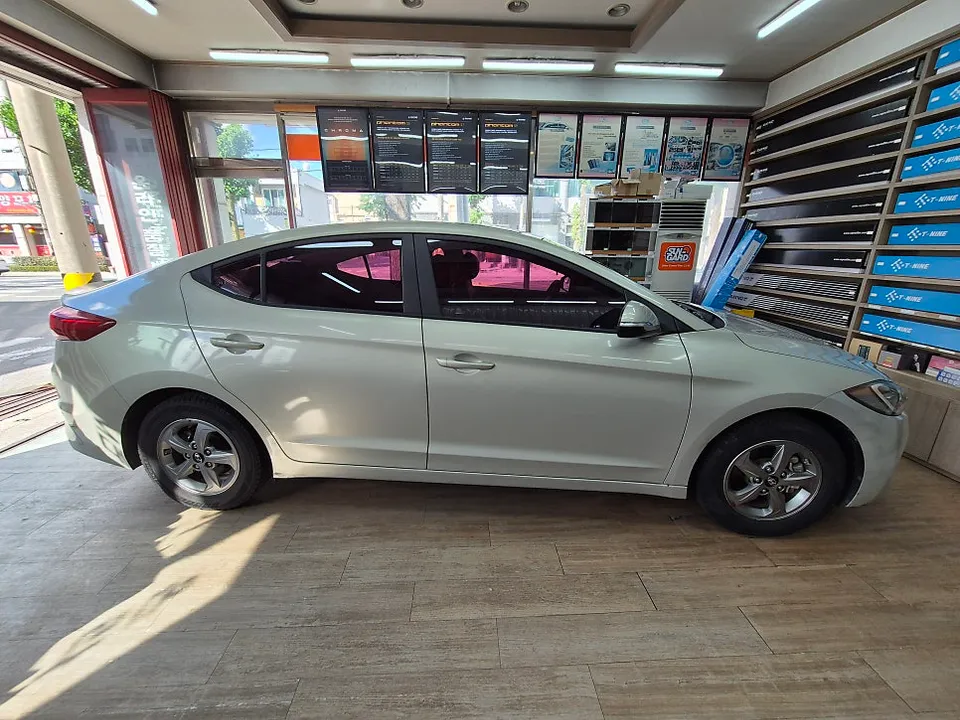
Hyundai Elantra rear window tinting with Rayno S9 ceramic film: cost details not specified. Improved heat rejection and UV protection.
Hyundai Elantra Window Tinting: A Necessary Upgrade?
This review covers a recent window tinting service performed on a Hyundai Elantra, focusing on the necessity of the upgrade, the installation process, and the resulting benefits. The original tint on this Elantra AD had developed significant bubbling, making it impossible to salvage and necessitating a full re-tint. This situation highlights a common issue with older or lower-quality window films, where degradation over time can severely impact both aesthetics and functionality.
The Installation Process and Material Choice
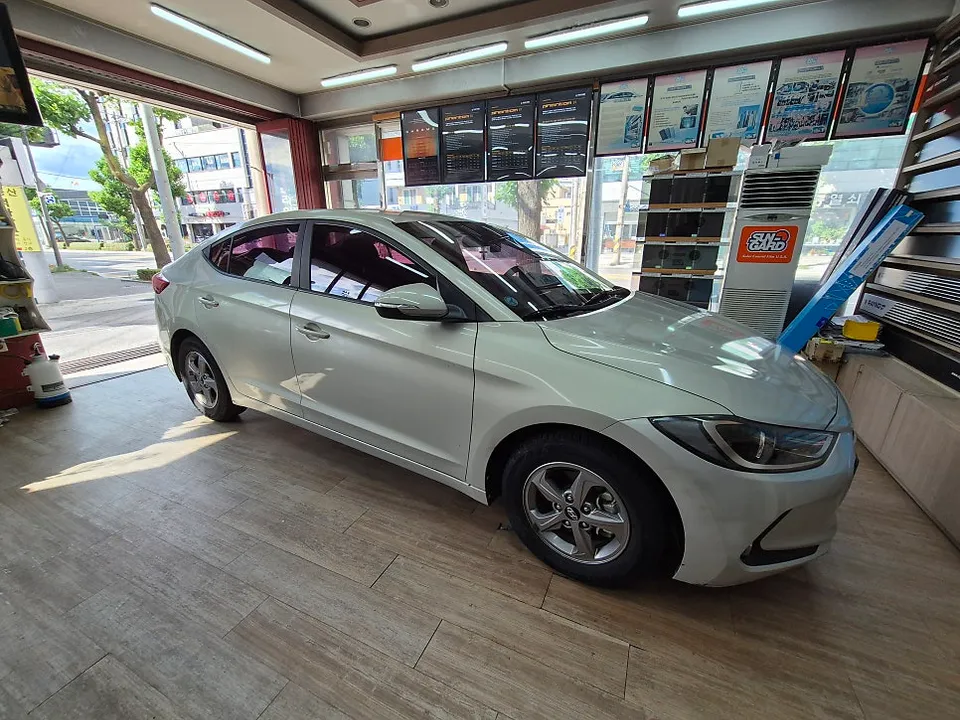
The decision was made to re-tint the rear window of the Hyundai Elantra with Rayno S9 ceramic tint. Ceramic tint is a premium option known for its superior heat rejection and UV protection capabilities compared to traditional dyed or metallic films. The installation was carried out at the Rayno Okcheon branch in South Korea. The process involved meticulous preparation of the glass surface to ensure optimal adhesion and a flawless finish. The choice of Rayno S9 ceramic tint aims to provide enhanced comfort by blocking a significant amount of solar heat and protecting the interior from harmful UV rays, which can cause fading and damage to upholstery and the dashboard over time. This type of film offers excellent clarity from the inside while maintaining privacy and reducing glare from the outside.
Durability, Maintenance, and Value
Ceramic window tinting, like the Rayno S9 used here, is known for its longevity and resistance to fading or peeling. Unlike cheaper dyed films that can turn purple or develop bubbles, high-quality ceramic tints maintain their appearance and performance for many years. Proper maintenance involves simple cleaning with a soft cloth and a mild, ammonia-free cleaner. Avoiding abrasive materials will ensure the tint's integrity. The initial cost of ceramic tinting is higher than other options, but the long-term benefits, including improved fuel efficiency due to reduced AC load and enhanced interior protection, often justify the investment. For car owners in warmer climates or those who frequently park outdoors, the heat rejection properties alone can make the service well worth the window cost.
Installation process:
- Thorough cleaning and preparation of the interior glass surface.
- Precise cutting of the tint film to match the exact contours of the Elantra's rear window.
- Careful application of the film, using specialized tools to remove air bubbles and ensure a smooth, even finish.
- Trimming any excess film and allowing the tint to cure properly, typically for 24-48 hours, during which time windows should not be rolled down.
Frequently Asked Questions
Q. How much does window tinting cost for a Hyundai Elantra?
The specific cost for this Hyundai Elantra's rear window tinting was not detailed in the source, but professional installation typically ranges from $150 to $400 for the full vehicle, depending on the film type and vehicle size.
Q. What tint percentage is legal for a Hyundai Elantra?
Legality varies by state in the US, but common percentages for rear windows are often 20% or 35% VLT (Visible Light Transmission). Always check your local regulations.
Q. Is ceramic tint worth the extra cost for a Hyundai Elantra?
Ceramic tint is worth the extra cost for a Hyundai Elantra if superior heat rejection and UV protection are priorities, offering long-term durability and performance benefits.
Q. How is window tint installed on a Hyundai Elantra?
1. The glass is meticulously cleaned and prepped. 2. The tint film is precisely cut to fit the window. 3. The film is applied using a squeegee to eliminate air bubbles and ensure a smooth finish. 4. Excess film is trimmed, and the tint is allowed to cure.
Q. What is the difference between ceramic and dyed window tint for a Hyundai Elantra?
Ceramic tint uses non-metallic ceramic particles for heat and UV rejection without interfering with electronics, while dyed tint uses coloring that can fade and bubble over time. Ceramic tint offers superior performance and longevity.
OhCar Partner Shop
More window tinting Reviews
See all →

More Hyundai Reviews

Pair with Another Service
Protect paint while you're at the shop
Add gloss and protection