Hyundai Elantra Window Tinting Review — Rear Window Re-tint
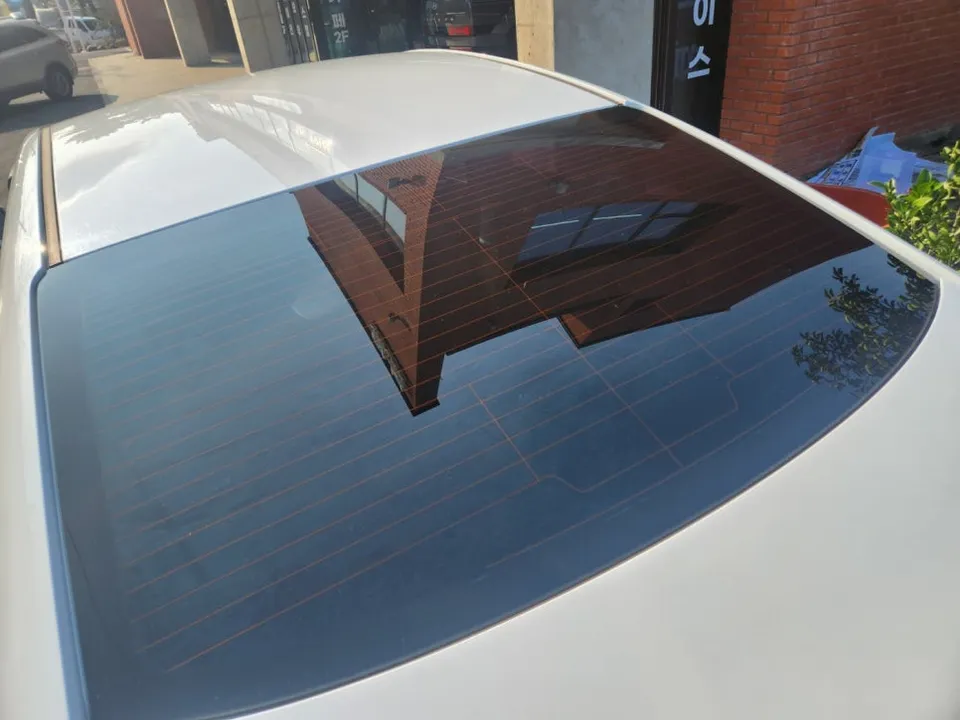
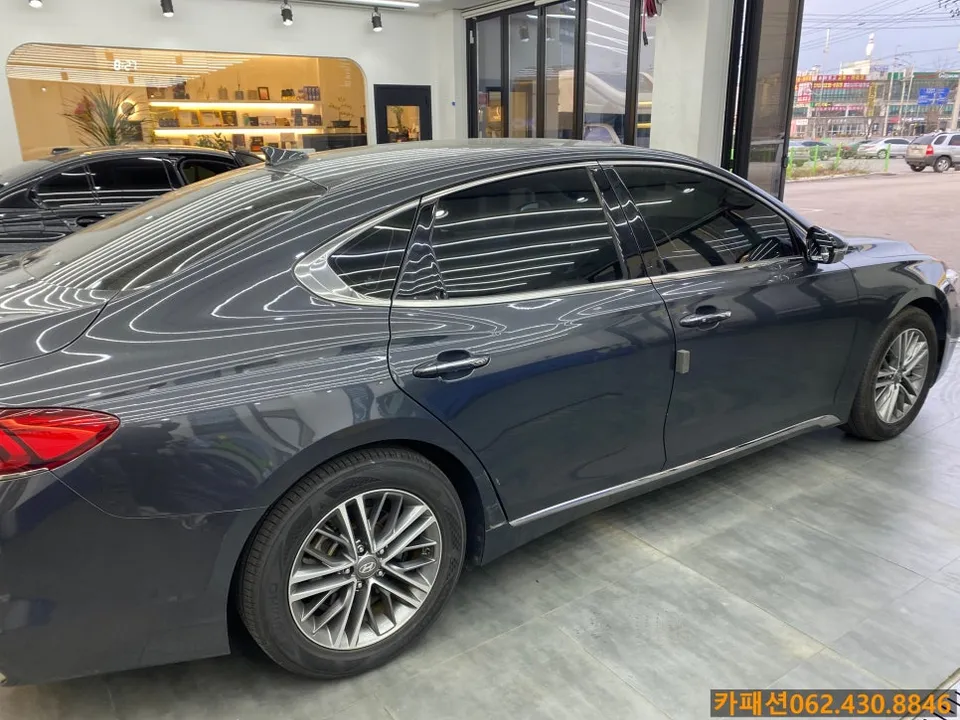
Before

After
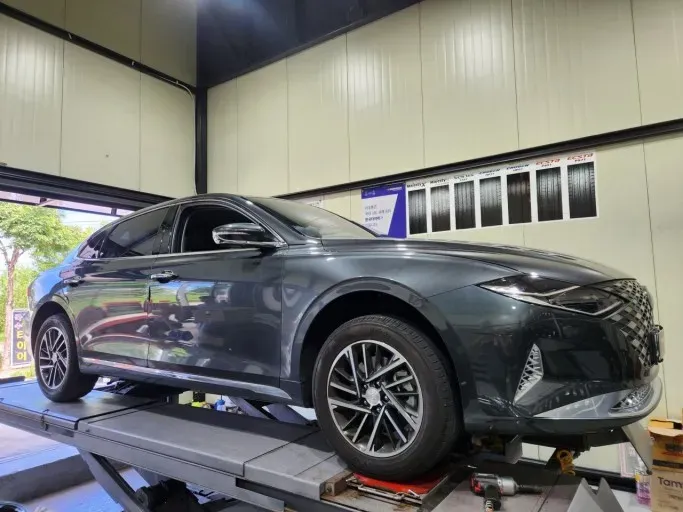
Process photos
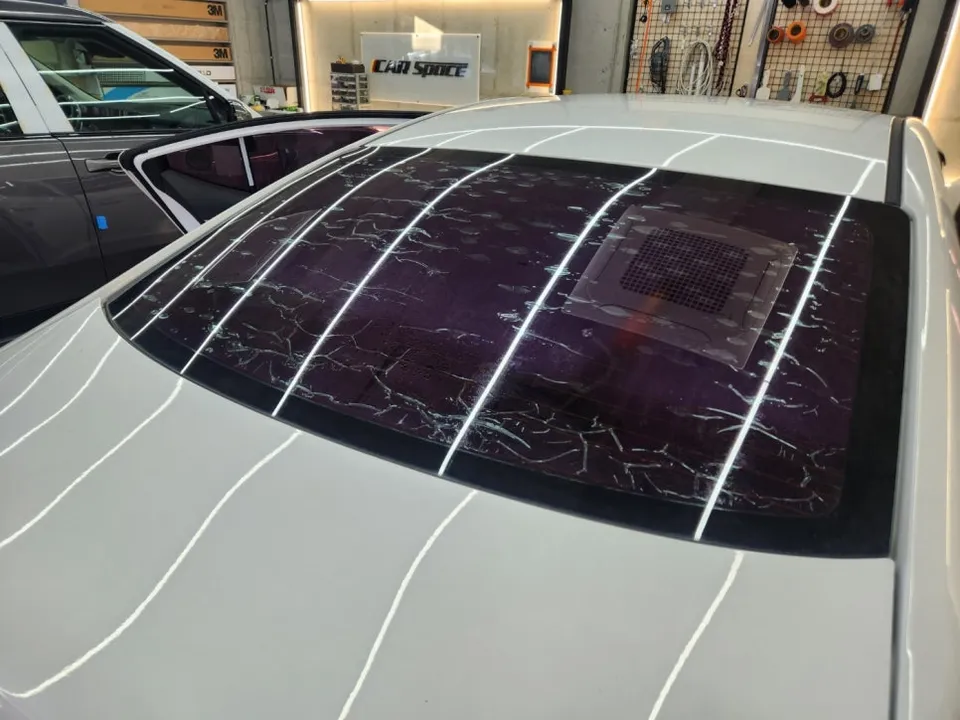
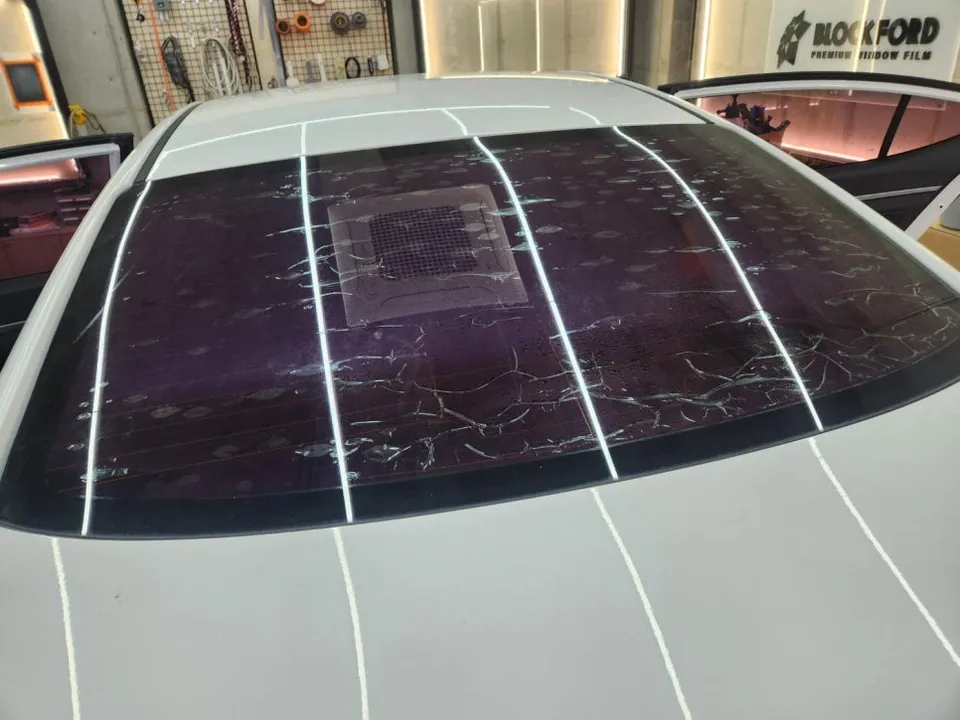
Hyundai Elantra rear window tint removal and re-application: Improved aesthetics and comfort. Professional service ensures a clean finish.
Rear Window Tint Removal and Re-application for Hyundai Elantra
This review covers a specific window tinting service performed on a 2016 Hyundai Elantra at Jeju Hanbo Auto Accessories. The service involved the removal of existing rear window tint and a subsequent re-application. While the original context is in Korean, we'll reconstruct the details into a comprehensive English review focusing on the process and outcomes.
The Window Tinting Process
The service at Jeju Hanbo Auto Accessories focused on the rear window of the Hyundai Elantra. Often, older tint can degrade, bubble, or fade, necessitating removal and a fresh application. This process ensures optimal clarity, heat rejection, and a clean aesthetic for the vehicle.
Installation process:
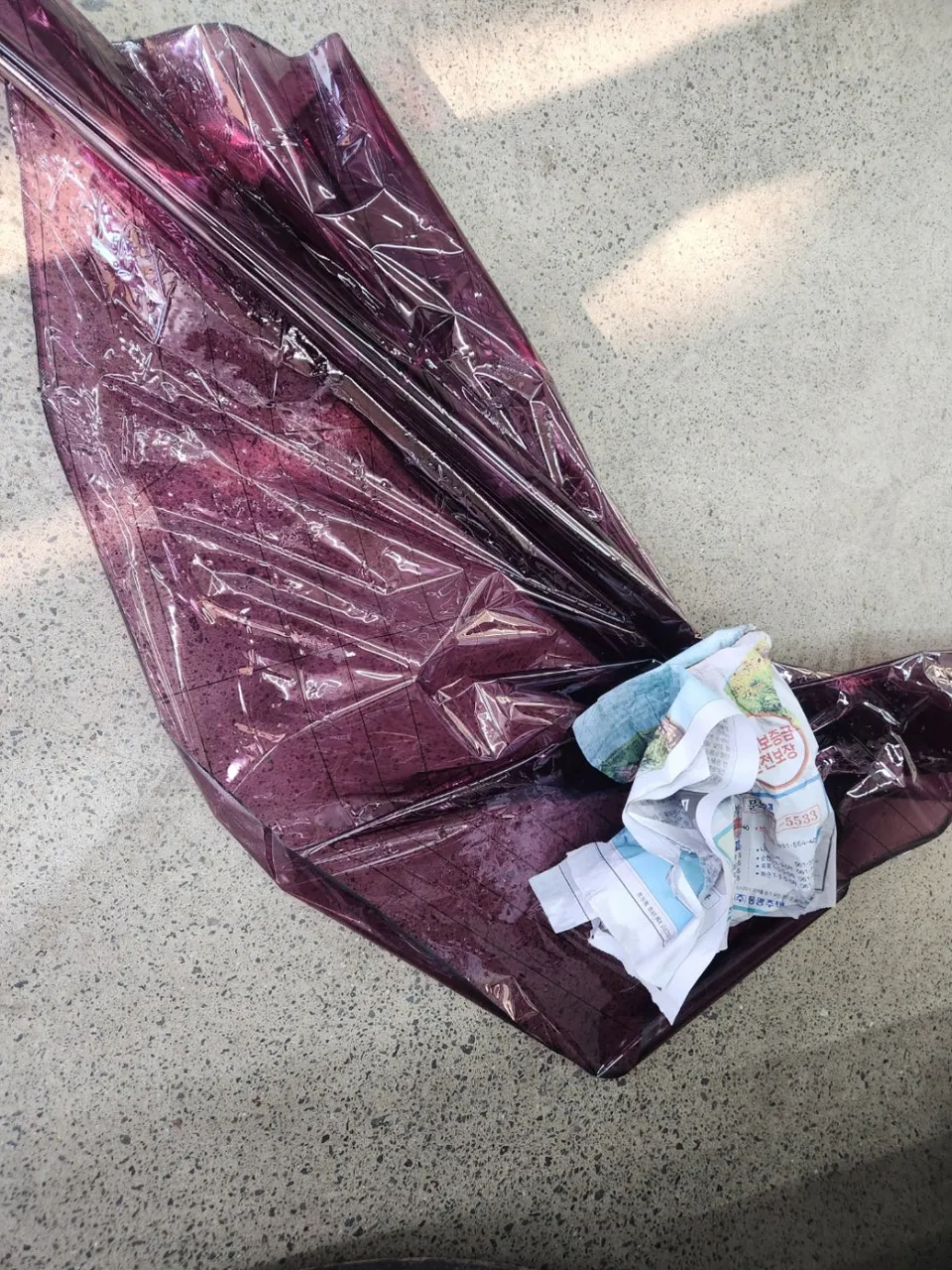
- Removal of Old Tint: The technician carefully removed the old window film from the Elantra's rear windshield. This often involves using heat and specialized solutions to soften the adhesive without damaging the glass.
- Surface Preparation: After removing the old tint, the glass surface is thoroughly cleaned and degreased to ensure a perfect bond for the new window film. Any remaining adhesive residue is meticulously removed.
- New Tint Application: The new window film is cut to the precise shape of the rear window and applied using a slip solution. The installer then uses squeegees to meticulously remove excess solution and air bubbles, ensuring a smooth, seamless finish.
- Curing: The new tint is left to cure, which can take several days. During this time, it's advisable to avoid rolling down windows or using defrosters to allow the film to adhere properly.
Results and Benefits
A professional window tinting service, like the one performed on this Hyundai Elantra, offers several benefits. It enhances the vehicle's appearance by providing a uniform, sleek look. More importantly, window film can significantly reduce solar heat gain, making the cabin more comfortable, especially in warmer climates. It also helps protect the interior from harmful UV rays, preventing fading of upholstery and dashboards. The re-application ensures that the tint is free from imperfections, providing clear visibility from the inside while maintaining privacy from the outside.
Frequently Asked Questions
Q. How much does window tinting cost for a Hyundai Elantra?
The specific cost for this Hyundai Elantra rear window re-tint at Jeju Hanbo Auto Accessories was not detailed in the original content. Typical professional window tinting for a full vehicle in the US can range from $200 to $600, depending on the film type and vehicle.
Q. What tint percentage is legal for a Hyundai Elantra?
Legality of tint percentages varies by state in the US; this review does not specify the tint level used. For durability, ensure the tint is fully cured for several days before operating windows or defrosters to maintain optimal adhesion.
Q. Is ceramic tint worth the extra cost for a Hyundai Elantra?
Ceramic tint is often worth the extra cost for a Hyundai Elantra if maximum heat rejection and UV protection are priorities, as it offers superior performance without compromising visibility. It provides excellent thermal insulation and durability, making it a valuable long-term investment for comfort and interior preservation.
Q. How is window tint installed on a Hyundai Elantra?
Window tint installation involves several key steps: 1. The old tint is meticulously removed, and the glass is thoroughly cleaned. 2. The new window film is precisely cut and applied using a slip solution. 3. Excess solution and air bubbles are expertly squeegeed out for a smooth finish, followed by a curing period.
Q. What is the difference between ceramic and dyed window tint for a Hyundai Elantra?
Ceramic tint uses non-metallic ceramic particles to block heat and UV rays effectively without interfering with electronics, whereas dyed tint uses a layer of dye to absorb heat and offer privacy. Ceramic tint offers superior heat rejection, durability, and clarity, making it the recommended choice for long-term performance and comfort.
OhCar Partner Shop
More window tinting Reviews
See all →

More Hyundai Reviews
Pair with Another Service
Protect paint while you're at the shop
Add gloss and protection