Hyundai Genesis Coupe Vinyl Wrap Installation Review — Cost
Service Price
$approx. $750–1,150
Estimated price · Actual price may vary by shop
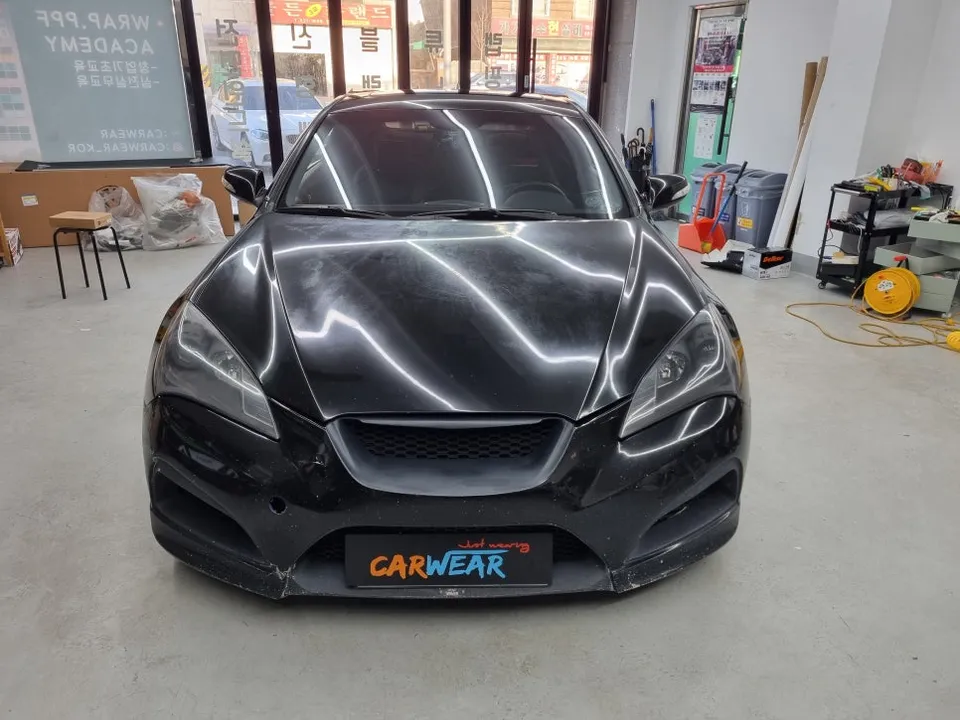
Before
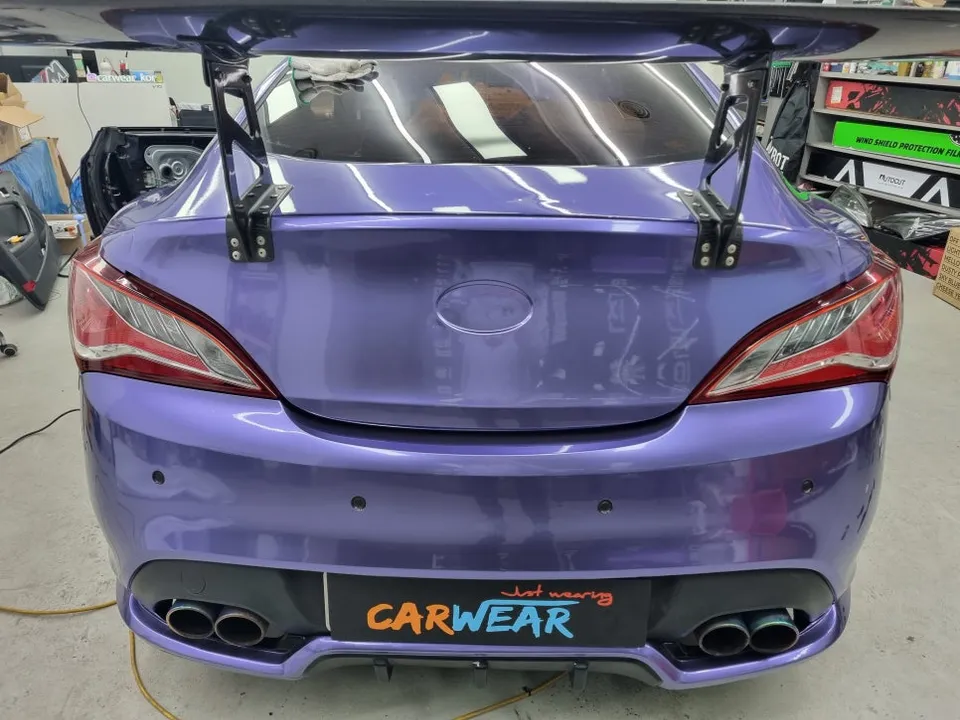
After
Process photos
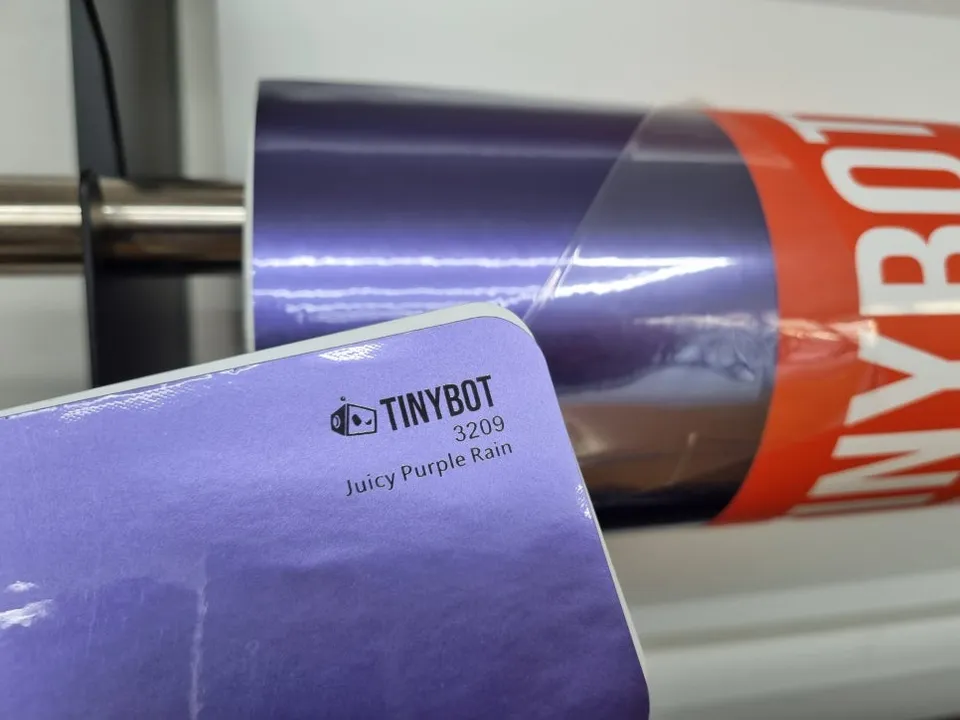
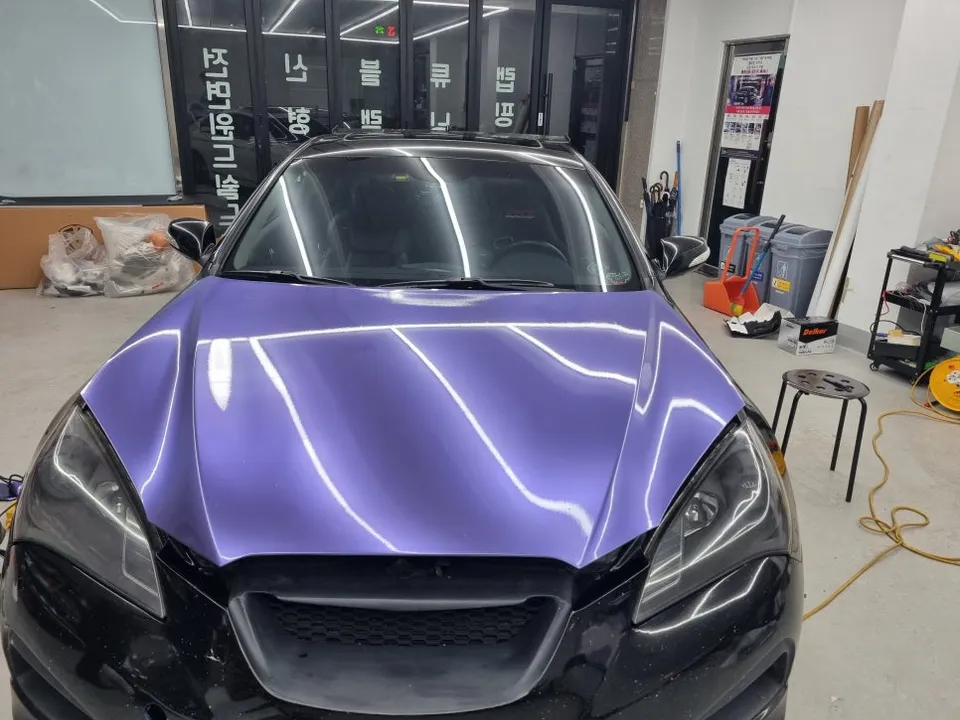
Hyundai Genesis Coupe color change wrap in Juicy Purple. Cost approx. $750-$1,150 USD. Offers a fresh look and paint protection.
Transform Your Hyundai Genesis Coupe with a Color Change Wrap
Considering a dramatic visual upgrade for your Hyundai Genesis Coupe? A vinyl wrap offers a compelling alternative to traditional paint, allowing for a complete color transformation and a fresh new look. This review delves into the experience of applying a vibrant 'Juicy Purple' full wrap to a Genesis Coupe, detailing the process, the aesthetic results, and practical considerations like durability and cost. While this specific installation took place in Korea, the insights into the vinyl wrap process, material choices, and maintenance are universally applicable for car owners in the US and UK.
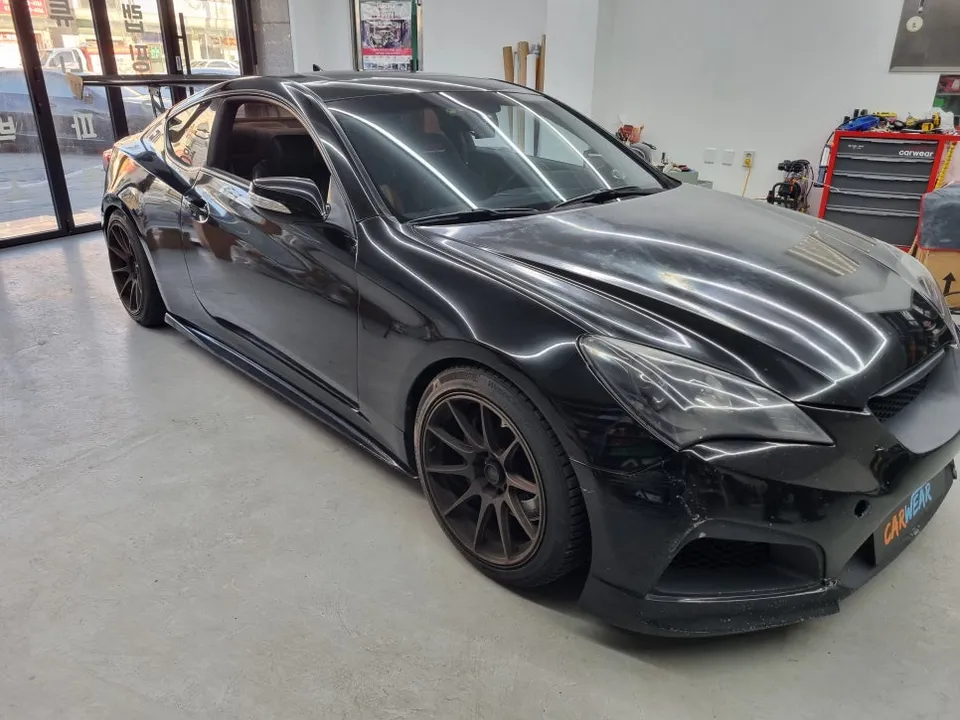
The Vinyl Wrap Installation Process for a Genesis Coupe
Applying a vinyl wrap is a meticulous process that demands precision and skill, especially on a car with the Genesis Coupe's design. The Korean installation involved a full wrap in the unique 'Juicy Purple' color. The process began with thorough preparation of the vehicle's surface. For the Genesis Coupe, specific challenges like frameless doors and recessed door handles necessitated the removal of windows to ensure a seamless finish. Even areas with pre-existing paint damage, like the rear fender, required careful attention, including specialized cleaning treatments before the vinyl could be applied. The installer paid close attention to detail, even removing the lip spoiler and GT wing to achieve a clean wrap edge. For the front bumper, made of FRP material, a primer was used to enhance adhesion without requiring a separate paint job. Additional black accents were incorporated to further personalize the vehicle's appearance.
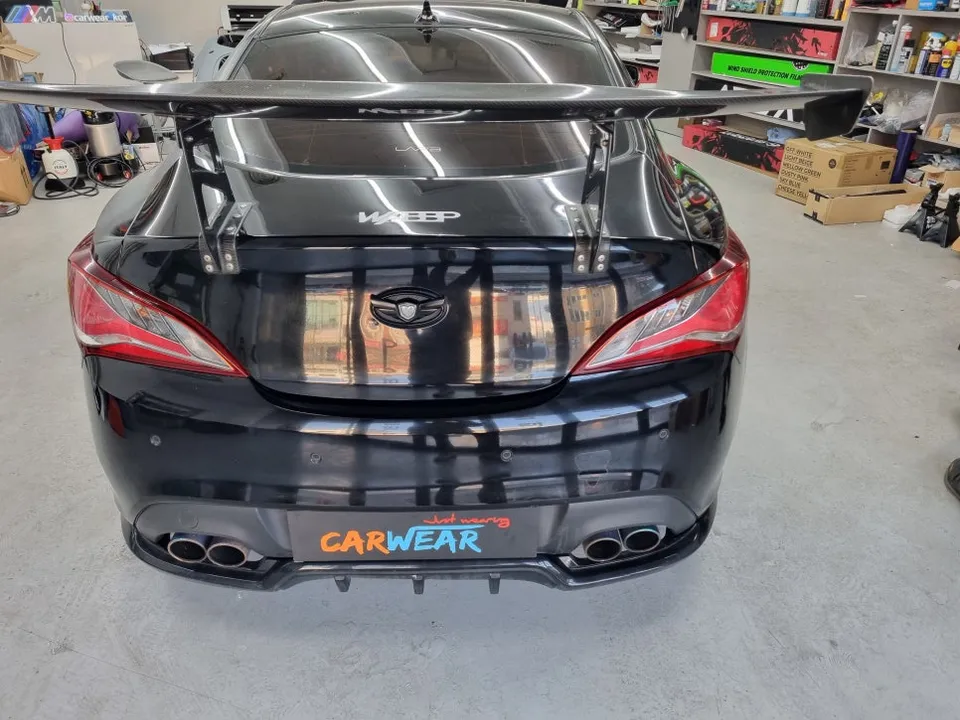
Durability, Protection, and Maintenance Tips
Beyond the aesthetic transformation, the longevity and protection offered by a vinyl wrap are crucial. This Genesis Coupe received an added layer of protection with Paint Protection Film (PPF) applied to the hood and front bumper. This was a proactive measure against stone chips, a common issue for performance vehicles, especially those frequently driven at higher speeds. PPF acts as a clear shield, safeguarding the underlying vinyl or paintwork from minor impacts and scratches without altering the car's appearance. The vinyl wrap itself is expected to last between 3 to 5 years, depending on the film quality and how well it's maintained. PPF can last even longer, often exceeding 5 years. To ensure the wrap's longevity, owners are advised to wash the car using soft towels and mild soap, avoiding high-pressure steam cleaners or aggressive automatic car washes. Prolonged exposure to direct sunlight should also be minimized to prevent potential fading or shrinking of the vinyl.
Key Considerations Before Wrapping Your Car:
- Surface Condition: Ensure your car's paint is in good condition. While wraps can cover minor imperfections, significant damage may still show through or affect adhesion.
- Film Quality: Opt for reputable brands and professional installers. The quality of the vinyl film directly impacts its durability, appearance, and ease of removal.
- Installation Complexity: Cars with intricate designs, numerous body lines, or removable parts (like spoilers or trim) require more time and expertise, potentially increasing the vinyl wrap cost.
- Maintenance Routine: Understand the specific cleaning and care requirements for vinyl wraps to maximize their lifespan.
- Long-Term Goals: Consider if a wrap aligns with your long-term ownership plans. While a great paint alternative, it's a temporary solution compared to a professional repaint.
The estimated vinyl wrap cost for a Hyundai Genesis Coupe in Korea ranged from 500,000 to 1,000,000 KRW (approximately $375-$750 USD at the time of writing, though the US market typically sees prices from $750-$1,150). The final price depends heavily on the specific film chosen, the complexity of the vehicle's design, and the extent of the coverage. Consulting directly with a reputable installer for a personalized quote is always the most accurate approach.
Frequently Asked Questions
Q. How much does a vinyl wrap cost for a Hyundai Genesis Coupe?
The vinyl wrap installation for this Hyundai Genesis Coupe in Korea cost between 500,000-1,000,000 KRW. In the US, expect to pay approximately $750–$1,150 for a similar service.
Q. How long does a vinyl wrap last on a Hyundai Genesis Coupe?
A vinyl wrap typically lasts 3 to 5 years, depending on the film quality and maintenance. To maximize its lifespan, avoid high-pressure washing and prolonged direct sun exposure.
Q. Does vinyl wrap damage paint on a Hyundai Genesis Coupe?
When applied and removed correctly by a professional, vinyl wrap generally does not damage the original paint. It serves as a protective layer, making it a popular paint alternative.
Q. How is vinyl wrap applied to a Hyundai Genesis Coupe?
Installation involves meticulously cleaning the vehicle's surface, carefully cutting and applying the vinyl film to each panel, and using heat to conform the material. For complex areas like door handles or window trim, parts may be removed for a cleaner finish.
Q. What is the difference between vinyl wrap and a repaint for a Hyundai Genesis Coupe?
A vinyl wrap is a temporary, removable layer applied over your car's paint, offering a wide range of colors and finishes as a paint alternative. A repaint is a permanent alteration of the original paintwork.
Q. What should I know before getting Vinyl Wrap on a Hyundai Genesis Coupe? (common regrets and mistakes)
The most common regret is not ensuring the underlying paint is in good condition before application, as significant damage can affect the wrap's appearance and adhesion. Always get a professional assessment of your paintwork first.
OhCar Partner Shop
More vinyl wrap Reviews
See all →
More Hyundai Reviews



Pair with Another Service
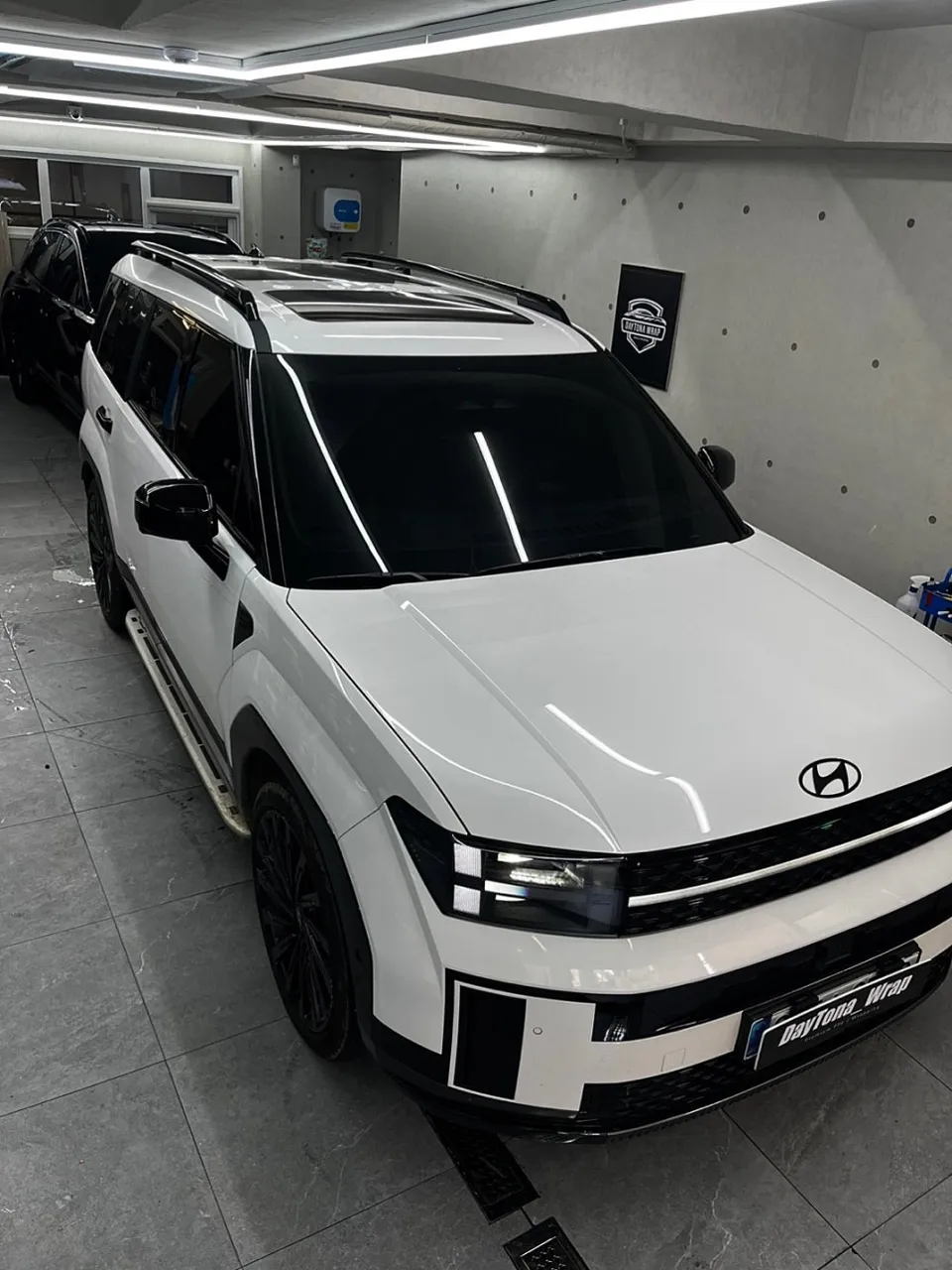
PPF edges before wrapping for durability
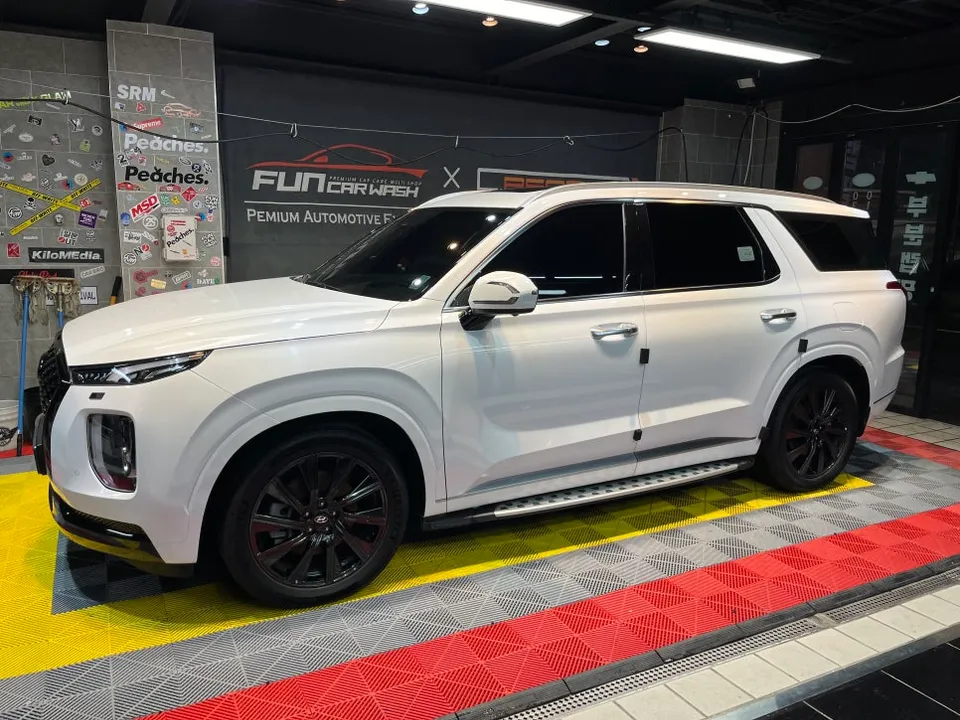
Coat over wrap for easier cleaning