Hyundai Grandeur GN7 OEM Options Review: Cost & Results
Service Price
$approx. $1,150–1,500
Estimated price · Actual price may vary by shop
Before
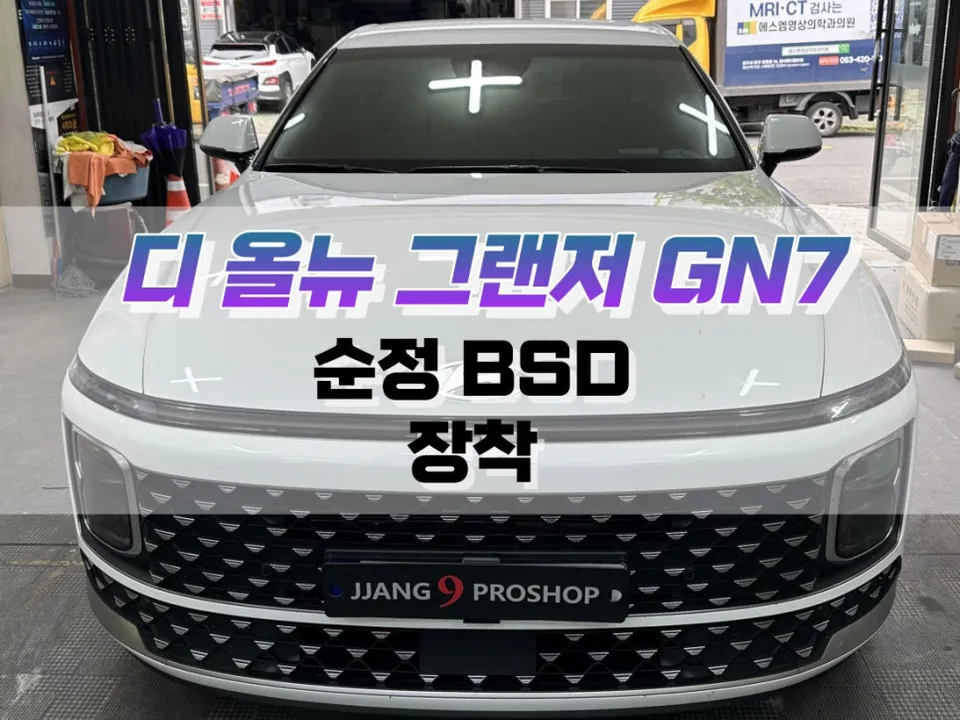
After
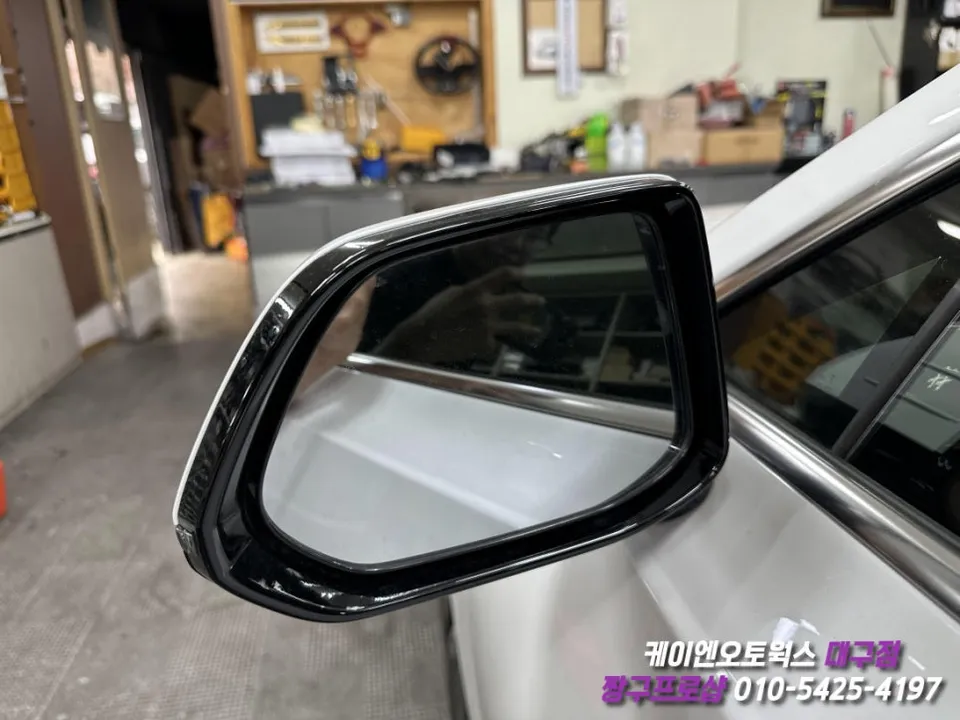
Process photos
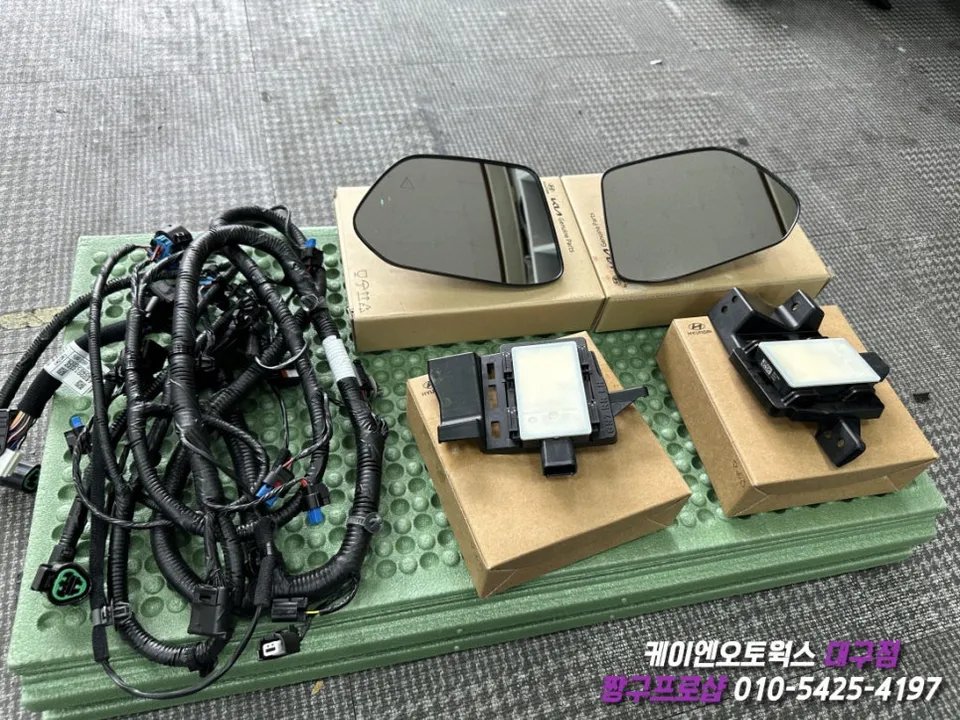
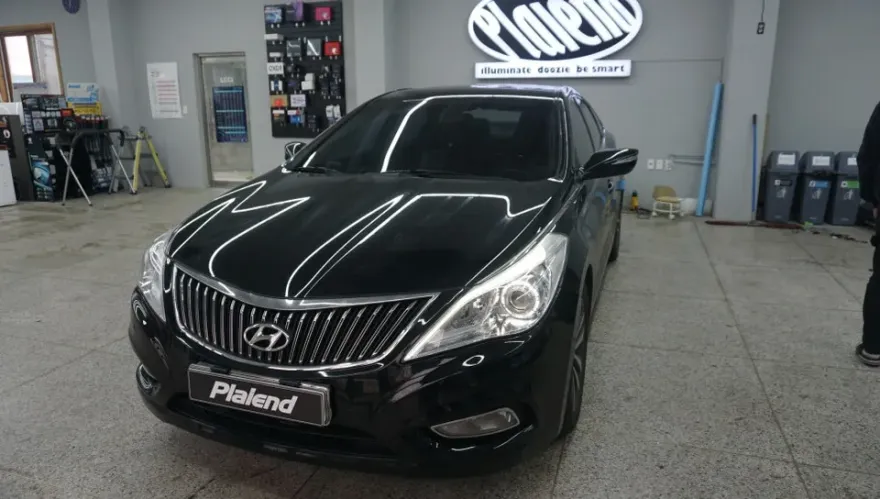
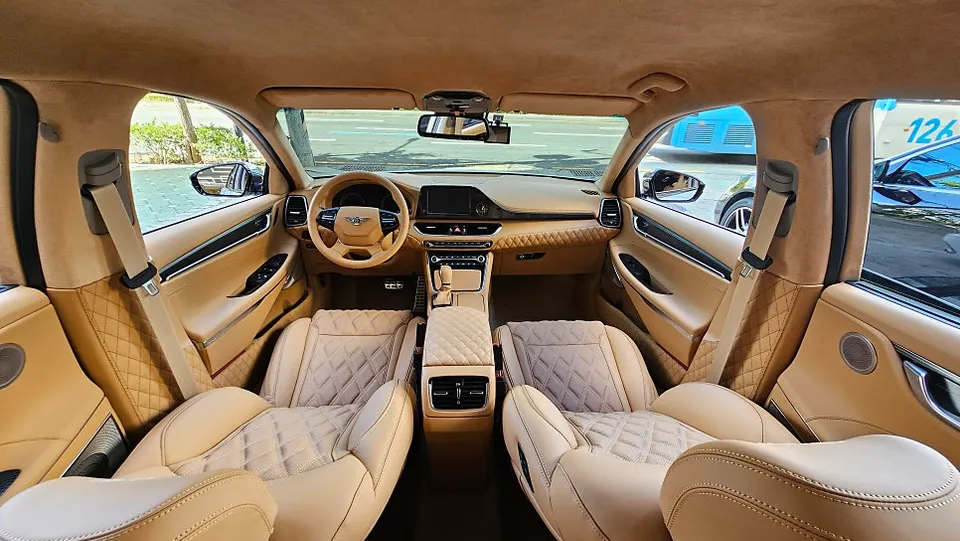
Hyundai Grandeur GN7 OEM Options (BSD retrofit): Approx. $1,150–1,500. Restores factory safety features seamlessly.
Upgrade Your Hyundai Grandeur GN7 with Factory Options
Many Hyundai Grandeur GN7 owners love their vehicles for their luxurious design and features. However, depending on the trim level and original configuration, some desirable safety functions might have been missed. This is particularly true for the Blind Spot Detection (BSD) system, which is a key component of the Hyundai Smart Sense 1 package. While standard on higher trims, it was an optional extra on others, leaving some owners wishing they had this crucial safety feature. Fortunately, it's possible to retrofit these factory options using genuine OEM parts, bringing your Grandeur GN7 up to par with the most advanced configurations.
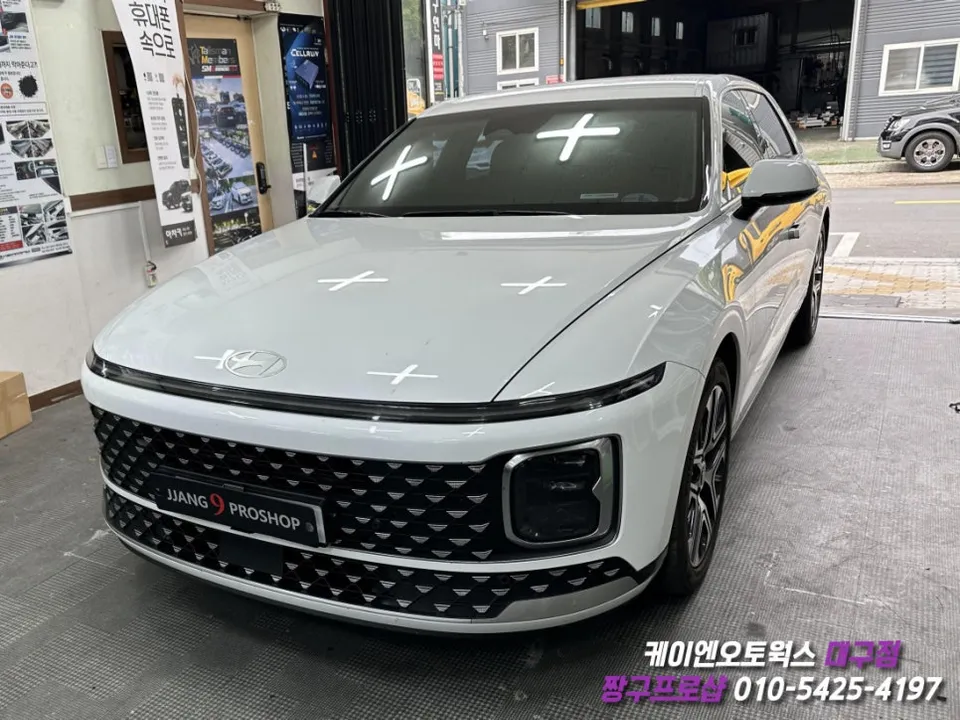
Understanding the OEM Options: Blind Spot Detection (BSD)
The OEM Blind Spot Detection system is more than just a warning light; it's an integrated safety suite designed to enhance awareness during driving and parking. Its core functions include:
- Rear Cross-Traffic Collision-Avoidance Assist (RCCA): When reversing out of a parking spot, this system detects approaching vehicles from the sides and provides an audible warning. If a collision risk is imminent, it can automatically apply the brakes.
- Safe Exit Assist (SEA): This feature prevents passengers from opening doors if a vehicle is detected approaching from the rear side. It’s especially useful for protecting children or elderly passengers.
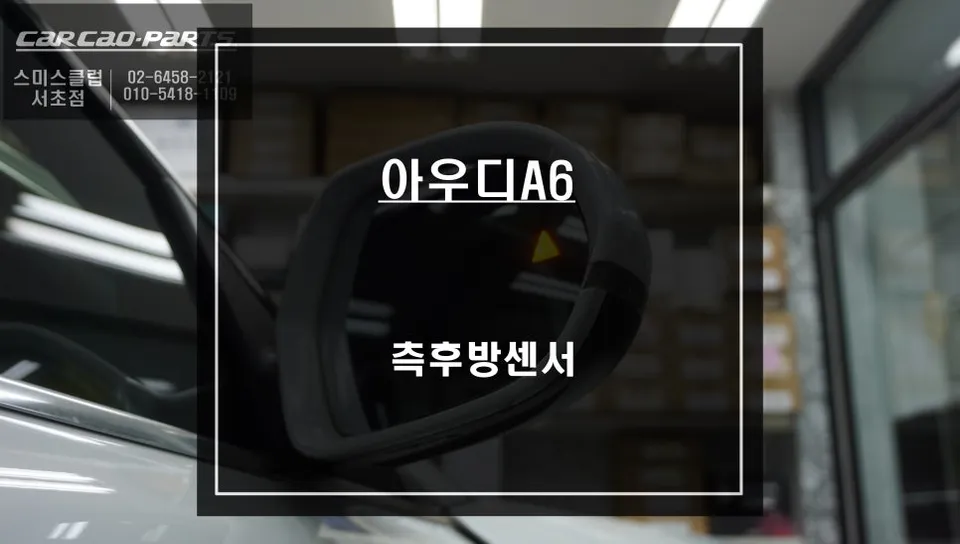
- Blind Spot Collision-Avoidance Assist (BCA): During driving, BCA monitors the blind spots. If a vehicle is detected rapidly approaching from the side or rear, it alerts the driver via the side mirror indicator and an audible warning, helping to prevent dangerous lane changes.
These functions significantly reduce the risk of accidents, both during daily commutes and while maneuvering in tight spaces.
Installation Process: Restoring Factory Functionality
Retrofitting these OEM options involves a meticulous process using only genuine Hyundai parts. The installation typically includes:
- Component Identification: Using the vehicle's VIN, all necessary genuine parts are identified and sourced. This includes the rear bumper radar sensors, side mirrors equipped with BSD indicators, and all required wiring harnesses and connectors.
- Physical Installation: The rear bumper is carefully removed to mount the radar sensors in their factory-specified locations. The side mirrors are replaced with units featuring the integrated BSD warning lights. Precision wiring is then performed according to the original factory schematics.
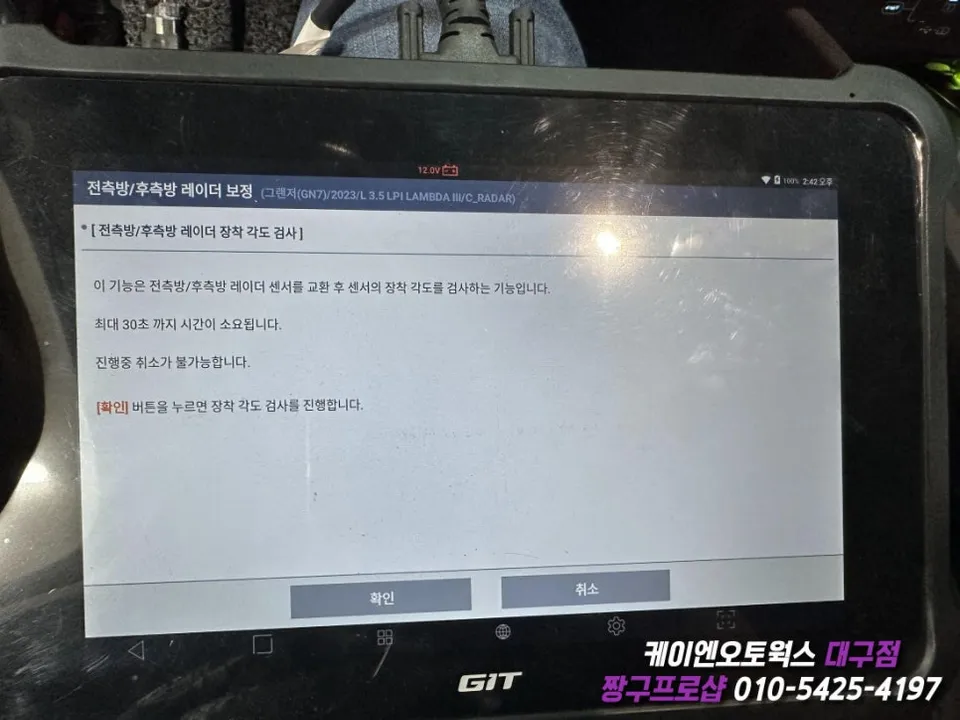
- Software Coding: After the physical installation, the vehicle's onboard computer requires coding. This is done using specialized diagnostic tools to activate the newly installed features, ensuring they integrate seamlessly with the car's existing systems and clearing any potential dashboard warning lights related to the new components.
- Final Verification: A comprehensive check is performed to confirm all functions are operating correctly and that no other error codes are present.
This process ensures that the added features perform exactly as they would if they were factory-installed, providing a seamless and reliable upgrade. The entire procedure, performed by trained technicians, typically takes between 3 to 5 hours. While the original context for this review is from South Korea, where the cost might range from 800,000 to 1,500,000 KRW (approximately $1,150–1,500 USD), the availability and pricing in the US may vary. Durability is expected to be equivalent to factory-installed components, with a typical warranty provided by the installer, often around one year for the labor and parts.
Frequently Asked Questions
Q. How much does OEM option and factory upgrade installation cost for a Hyundai Grandeur GN7?
The cost for OEM option retrofits like Blind Spot Detection on a Hyundai Grandeur GN7 typically ranges from approximately $1,150 to $1,500 USD. Durability is expected to match factory-installed parts, and maintenance is generally minimal, similar to other vehicle sensors.
Q. How long does OEM options installation take on a Hyundai Grandeur GN7?
Installation of OEM options such as the Blind Spot Detection system on a Hyundai Grandeur GN7 usually takes between 3 to 5 hours. These retrofitted systems are designed for long-term durability, mirroring factory standards, and typically require no special maintenance beyond standard vehicle upkeep.
Q. Are OEM options worth adding after purchase for a Hyundai Grandeur GN7?
Adding OEM options like Blind Spot Detection is highly recommended for Grandeur GN7 owners who missed out on this safety feature, especially those frequently driving in busy environments or parking in tight spots. The value lies in restoring factory-level safety and convenience without compromising the vehicle's integrity.
Q. How are OEM factory options installed on a Hyundai Grandeur GN7?
OEM factory options are installed using genuine parts and following factory procedures. The process typically involves: 1. Sourcing and preparing all necessary genuine components (sensors, mirrors, wiring). 2. Precisely mounting sensors and replacing relevant exterior parts like side mirrors. 3. Performing detailed wiring connections according to factory schematics. 4. Completing specialized software coding to activate the new features and clear any error codes.
Q. What is the difference between dealer-installed options and aftermarket upgrades for a Hyundai Grandeur GN7?
Dealer-installed OEM options utilize genuine factory parts and are integrated seamlessly into the vehicle's systems, often maintaining warranty coverage. Aftermarket upgrades, while sometimes cheaper, may use non-genuine parts and can sometimes lead to compatibility issues or void parts of the vehicle's warranty.
Q. What should I know before getting OEM Options on a Hyundai Grandeur GN7? (common regrets and mistakes)
The most common regret is not ensuring the installer uses exclusively genuine OEM parts and follows factory coding procedures. To avoid this, always confirm with the installer that they use authentic Hyundai components and possess the necessary diagnostic tools for proper software activation.
OhCar Partner Shop