Hyundai i30 Ambient Lighting Review: Cost & Results
Service Price
$approx. $1,500+
Estimated price · Actual price may vary by shop
Before
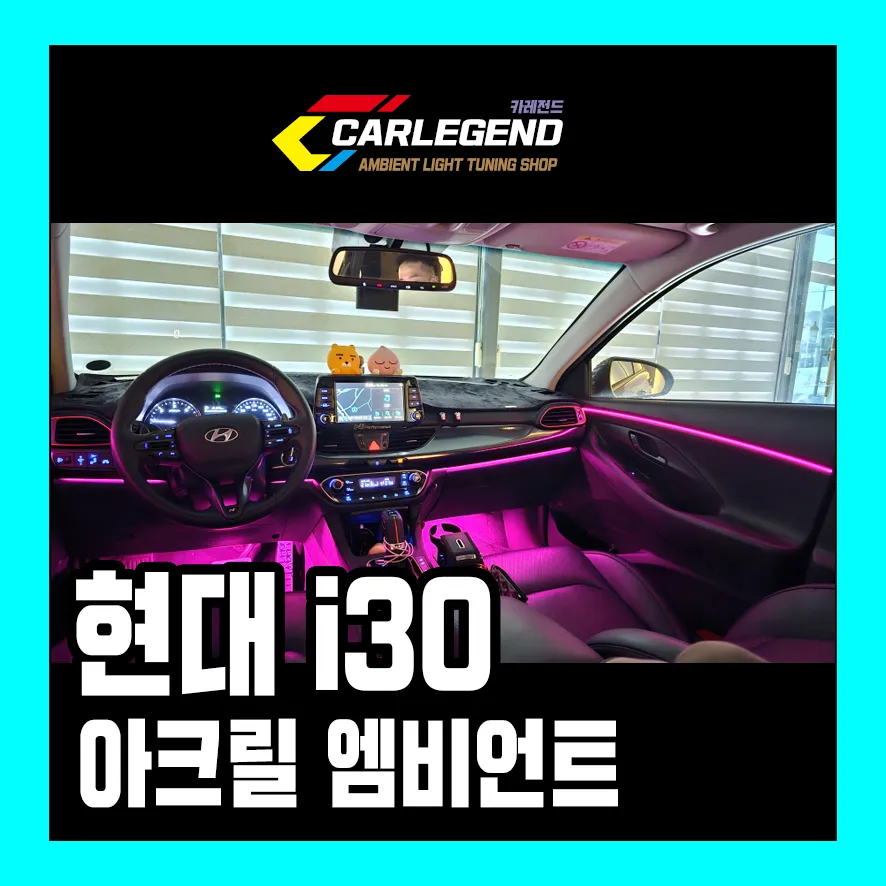
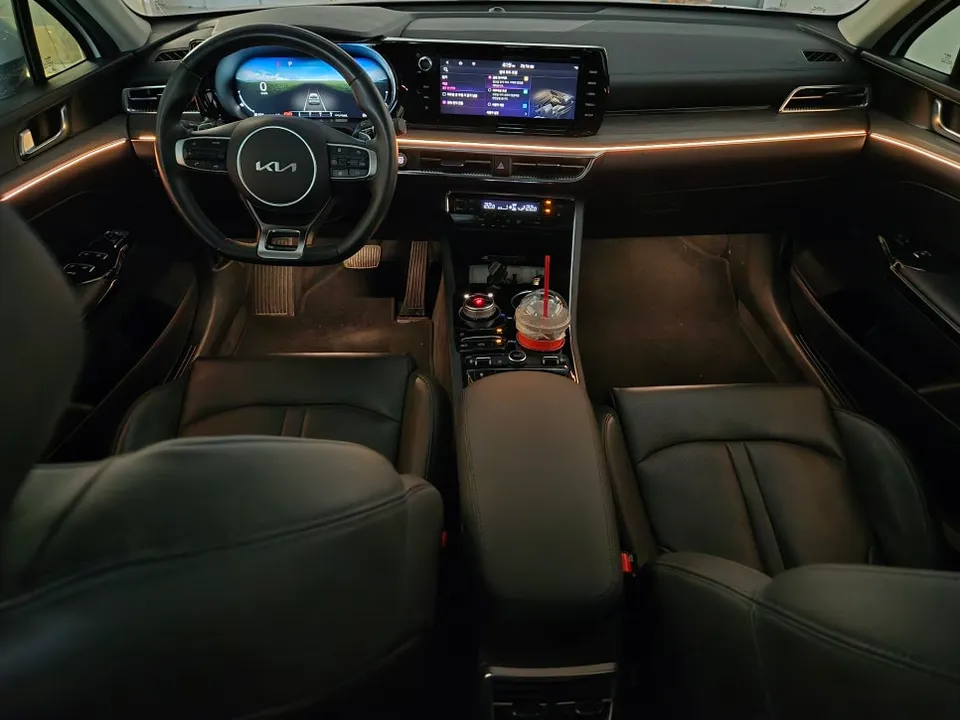
After
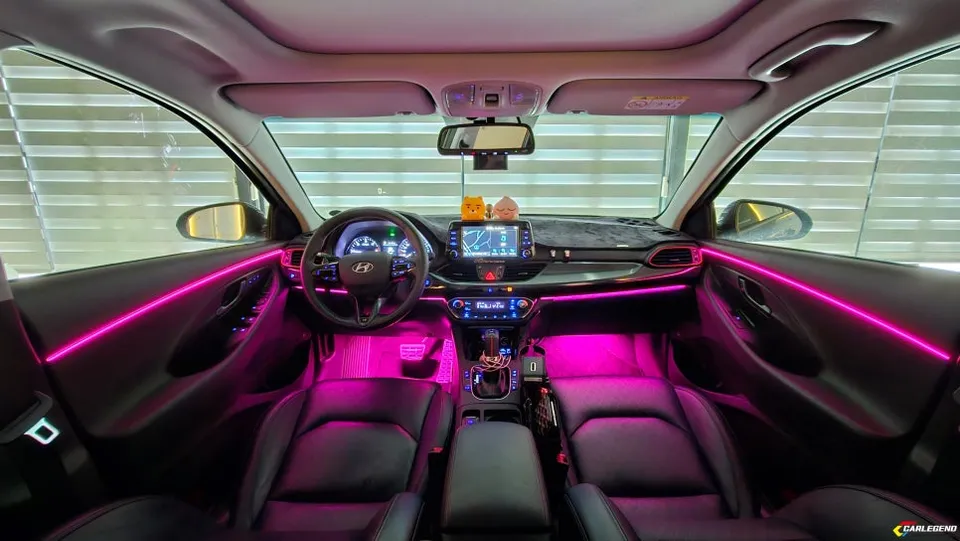
Process photos
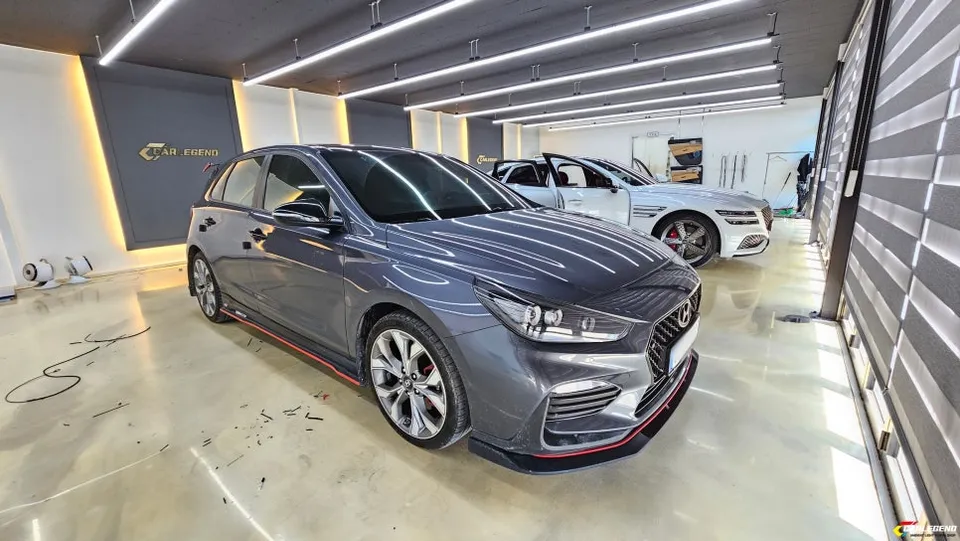
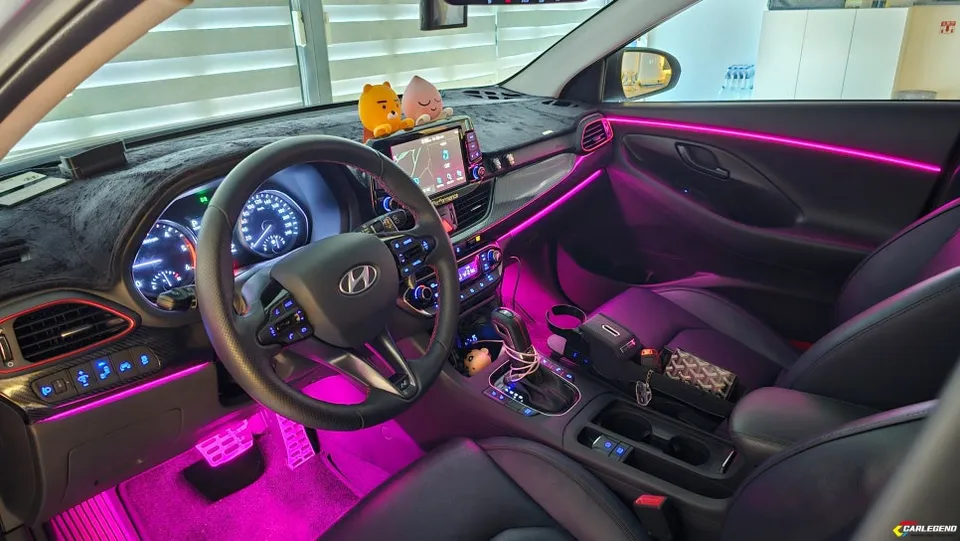
Hyundai i30 ambient lighting retrofit: approx. $1,500+. Transforms interior with customizable LED mood lighting.
Elevate Your Hyundai i30's Interior with Ambient Lighting
When you first get behind the wheel of a new car, like the Hyundai i30, a common thought is how to make the cabin feel more premium. For popular domestic models like the i30, factory mood lighting can be quite limited. However, an ambient lighting retrofit can transform the entire interior atmosphere, going beyond simple illumination. This review explores how to upgrade your vehicle's interior aesthetics, focusing on a real-world installation case. We'll cover why ambient lighting is a sought-after upgrade for the i30, the different installation methods, and what to expect in terms of results and cost.
Understanding Ambient Lighting Options for the i30
The Hyundai i30, while a popular and practical sedan, often lacks the sophisticated interior lighting found in luxury vehicles. The ambiance inside your car significantly impacts the driving experience, and standard white interior lights often fall short of creating a premium feel. Ambient lighting kits, installed professionally, strategically place LED strips in areas like the doors, dashboard, and footwells. This creates a sophisticated, custom look that complements the car's design. The key to a successful ambient light retrofit isn't just adding lights, but integrating them seamlessly with the existing interior. Poorly executed installations, with parts that stick out or look out of place, can lead to regret. This is precisely why professional expertise and quality materials are crucial for a high-end finish.
Installation Process:
- Design Consultation & Planning: Discuss desired locations (doors, dashboard, footwells) and lighting effects with the installer.
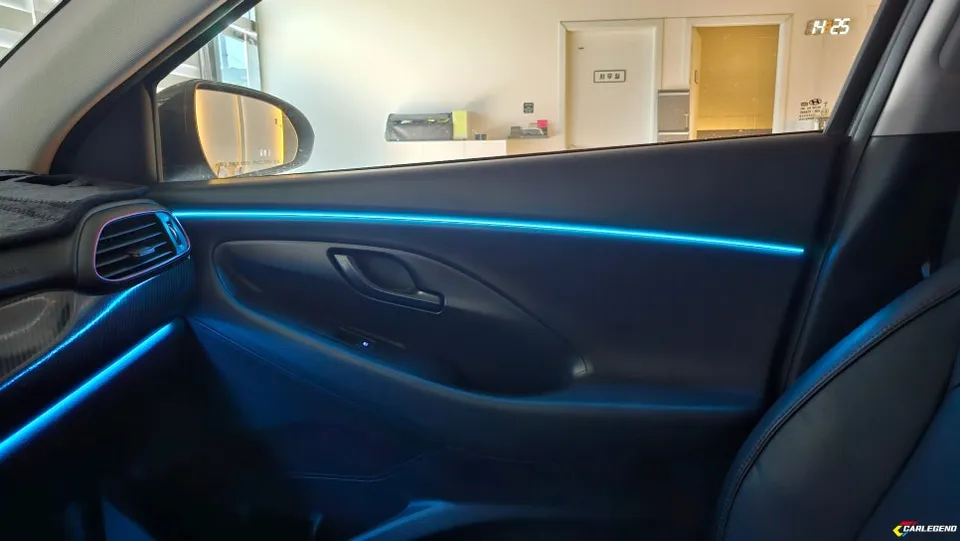
- Component Integration: Carefully route and install LED strips, often using acrylic channels for doors and a hidden 'non-exposed' method for the dashboard.
- Wiring & Power Connection: Connect the LEDs to the vehicle's power source, often via a Bluetooth controller for app-based customization.
- Finishing & Testing: Ensure all panels are reassembled cleanly, test all lighting functions, colors, and brightness levels via the smartphone app.
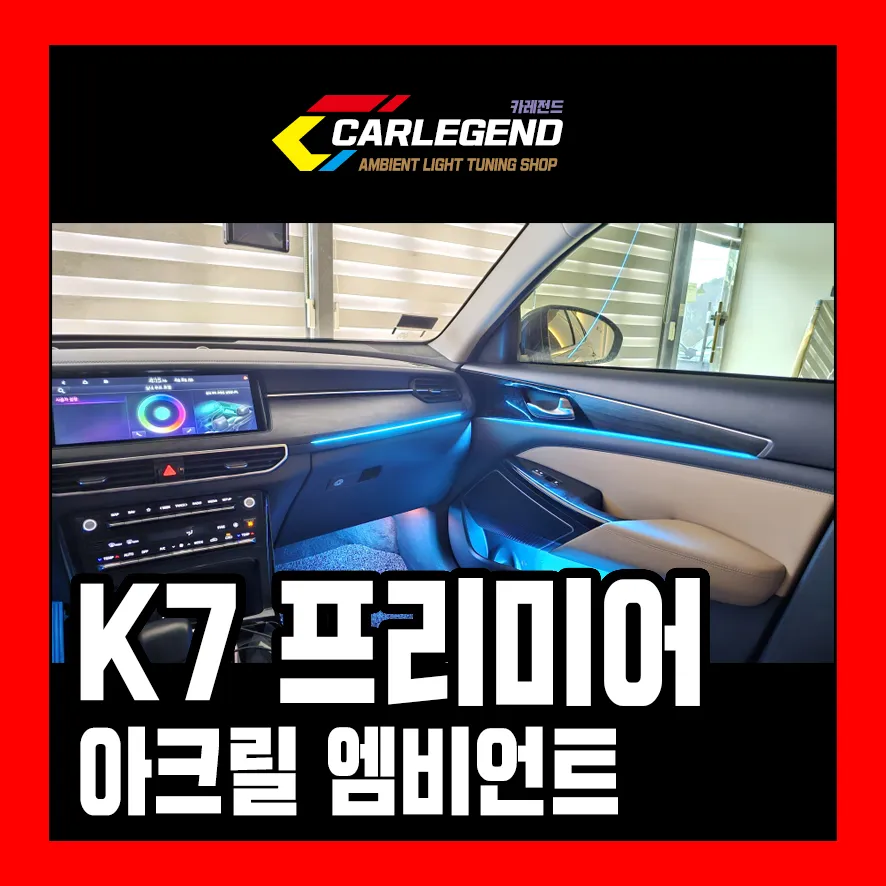
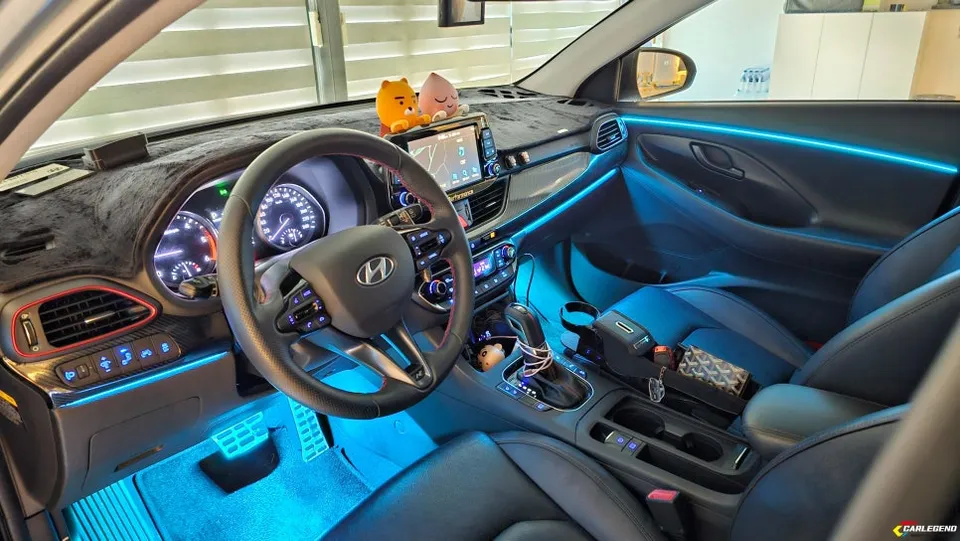
The typical configuration includes lighting for all four doors and three points on the dashboard. An optional, but highly recommended, addition is footwell lighting (front and rear). It's important to note that door panels and the dashboard have different structural characteristics, requiring distinct installation techniques for a flawless finish. For the doors, an 'acrylic embedded' method is often used. This involves embedding LED strips within custom-cut acrylic channels that follow the door's natural curves. This technique allows for smooth, continuous light lines without damaging the original interior trim. The alternative is a 'non-exposed' method, where LEDs are hidden entirely within the panel for a cleaner look, though this is more common on flatter surfaces like the dashboard. For the dashboard, the 'non-exposed' method is preferred. This involves precisely modifying the dashboard's internal structure to conceal the LEDs, so only the light itself is visible. This requires significant skill to avoid damaging the original components, resulting in an elegant glow that disappears completely when turned off, maintaining a factory-fresh appearance.
Before & After: The Impact of Ambient Lighting
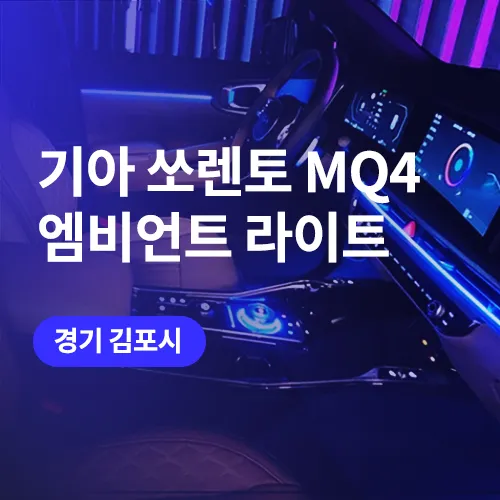
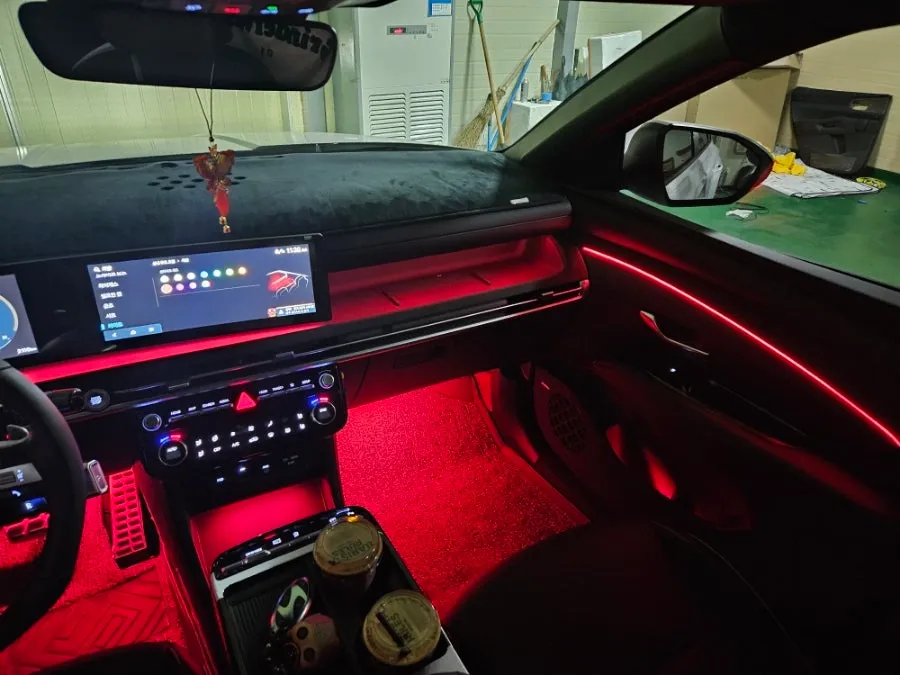
The most dramatic visual upgrade often comes from the footwell lighting. These areas are typically the darkest in a car, and adding illumination here significantly enhances the sense of space and luxury. The difference between the footwells being lit and unlit is striking, making the interior feel more expansive and complete. After installation, control is typically managed via a smartphone app connected through Bluetooth. This allows for a vast selection of colors, adjustable brightness, and even dynamic lighting effects not available from the factory. When you start the car, the lights usually resume your last setting, offering convenience and a personalized experience every time you drive. The quality of the installation is also evident in the details: professional jobs include sound-dampening for wiring to prevent rattles and ensure secure connections for long-term reliability. A truly high-quality non-exposed installation means the lighting is invisible when turned off, blending perfectly with the original interior.
Cost, Durability, and Is It Worth It?
The ambient lighting cost for a Hyundai i30 can vary based on the chosen configuration and materials. A basic package covering doors and the dashboard typically ranges from approximately ₩1,500,000 to ₩2,500,000 (roughly $1,100 - $1,800 USD, though exchange rates fluctuate). Adding footwell lights usually incurs an additional cost of around ₩300,000 to ₩500,000 (approx. $220 - $360 USD). The final price depends on factors like the acrylic versus non-exposed method, the quality of the LED products used, and any custom color options. Installation time usually spans one to two days, depending on the complexity of the setup. The LEDs themselves are durable, with an expected lifespan of 5 to 10 years. Maintenance primarily involves periodic replacement of the Bluetooth controller's battery and ensuring the wiring connections remain free from moisture. Many owners find the upgrade well worth the investment, citing the significant enhancement in cabin ambiance and perceived vehicle value. The transformation is often so profound that owners seek similar ambient lighting upgrades for subsequent vehicles. For those looking to make their i30 stand out and feel more luxurious, this interior lighting upgrade is a compelling option.
Frequently Asked Questions
Q. How much does ambient lighting cost for a Hyundai i30?
In Korea, a basic ambient lighting setup for a Hyundai i30 typically costs between ₩1,500,000 and ₩2,500,000 (approximately $1,100-$1,800 USD). Adding footwell lights can increase the total cost by an additional ₩300,000 to ₩500,000 (around $220-$360 USD).
Q. How long does ambient lighting installation take on a Hyundai i30?
Installation for ambient lighting on a Hyundai i30 typically takes one to two days, depending on the complexity of the chosen configuration. The LEDs themselves are durable and can last 5-10 years, with minimal maintenance required beyond occasional battery changes for the Bluetooth controller.
Q. Is aftermarket ambient lighting worth it for a Hyundai i30?
Yes, aftermarket ambient lighting is often considered worth it for the Hyundai i30 by owners seeking a more premium and personalized cabin experience. It significantly enhances the interior's aesthetic appeal and can make the car feel more luxurious and unique.
Q. How is ambient lighting installed on a Hyundai i30?
Installation involves carefully embedding LED strips into specific areas like doors (often using acrylic channels) and the dashboard (using a 'non-exposed' method to hide the lights). The process includes precise wiring, connection to a Bluetooth controller for app-based customization, and meticulous reassembly of interior panels to ensure a clean, factory-like finish.
Q. What is the difference between OEM and aftermarket ambient lighting for a Hyundai i30?
OEM (Original Equipment Manufacturer) ambient lighting is integrated by the car manufacturer, offering a seamless factory fit but limited customization. Aftermarket ambient lighting, while requiring professional installation, provides a much wider range of colors, effects, and placement options, allowing for a truly personalized interior.
Q. What should I know before getting Ambient Lighting on a Hyundai i30? (common regrets and mistakes)
The most common regret is choosing an installer with poor technical skill, leading to visible seams or damage to interior panels. To avoid this, thoroughly vet installers by reviewing their past work and ensuring they use quality materials and precise techniques like non-exposed or embedded acrylic methods.
Car Legend