Hyundai I40 Lighting Upgrade Review — Fixes Common DRL Issue
Service Price
$under $40
Estimated price · Actual price may vary by shop
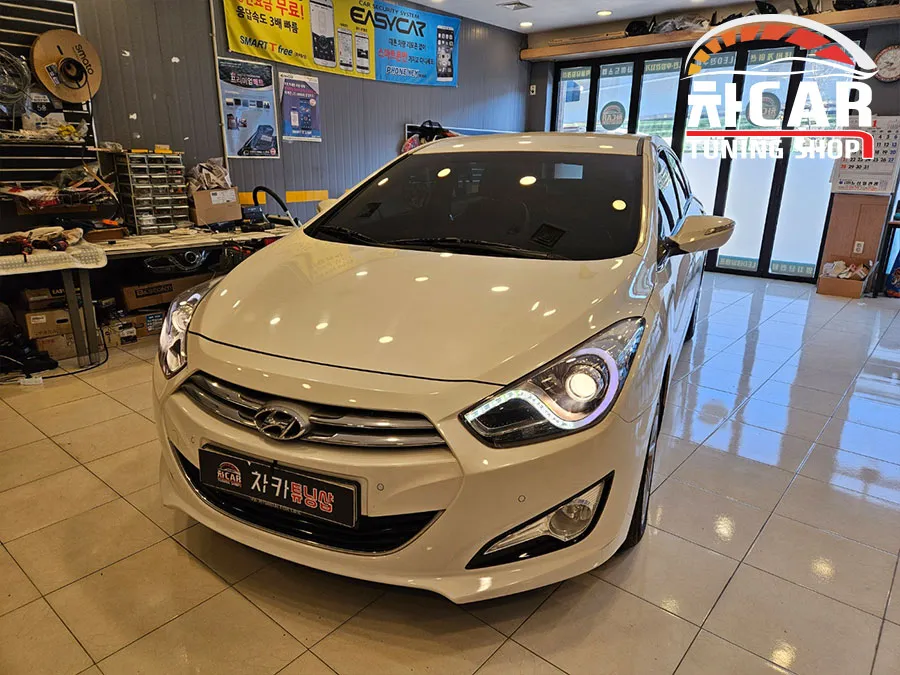
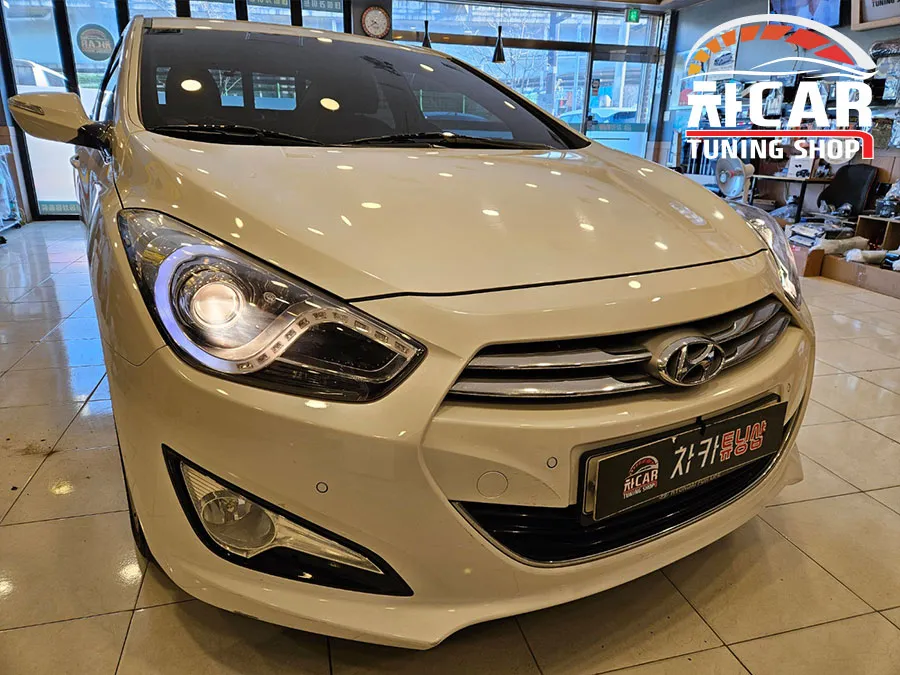
Hyundai I40 DRL repair: ₩100,000-₩200,000. Fixes common passenger-side DRL failure by replacing LED module.
Addressing the Hyundai I40's Daytime Running Light (DRL) Glitch
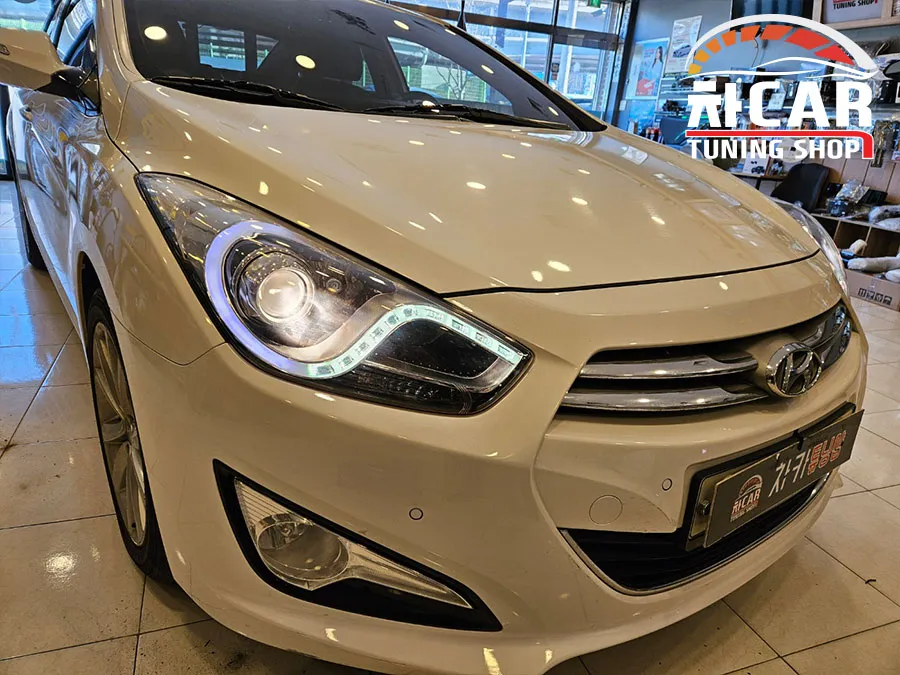
Many Hyundai I40 owners are familiar with a common issue: the daytime running lights (DRLs), particularly on the passenger side, failing to illuminate. This isn't just a burnt-out bulb; it's often a problem with the LED module itself, a known 'quirk' for this model. While a full headlight replacement might seem like the only solution, a more cost-effective and targeted repair is available: replacing the faulty LED module. This service, typically completed within 1-2 hours and costing between ₩100,000 to ₩200,000 (for both sides, depending on the shop and parts used), offers a definitive fix for this persistent problem.
The DRL Module Replacement Process
When your I40's DRLs malfunction, the repair process focuses on the internal components rather than the entire headlight assembly. The process involves carefully removing the headlight unit from the vehicle. This requires a skilled technician to avoid damaging surrounding bodywork, as the headlights are securely mounted. Once the unit is detached, the original LED module is meticulously removed. This is where the core of the repair lies: replacing the problematic module with a specifically designed, upgraded PCB (Printed Circuit Board) module. This new module is engineered to overcome the weaknesses of the original, ensuring more reliable and consistent performance.
Installation process:
- Carefully remove the headlight assembly from the Hyundai I40.
- Disassemble the headlight unit to access the internal LED module.
- Remove the original faulty LED module.
- Install the new, upgraded LED module PCB, ensuring a secure and precise fit.
- Reassemble the headlight unit and reinstall it onto the vehicle.
Restored Visibility and Safety
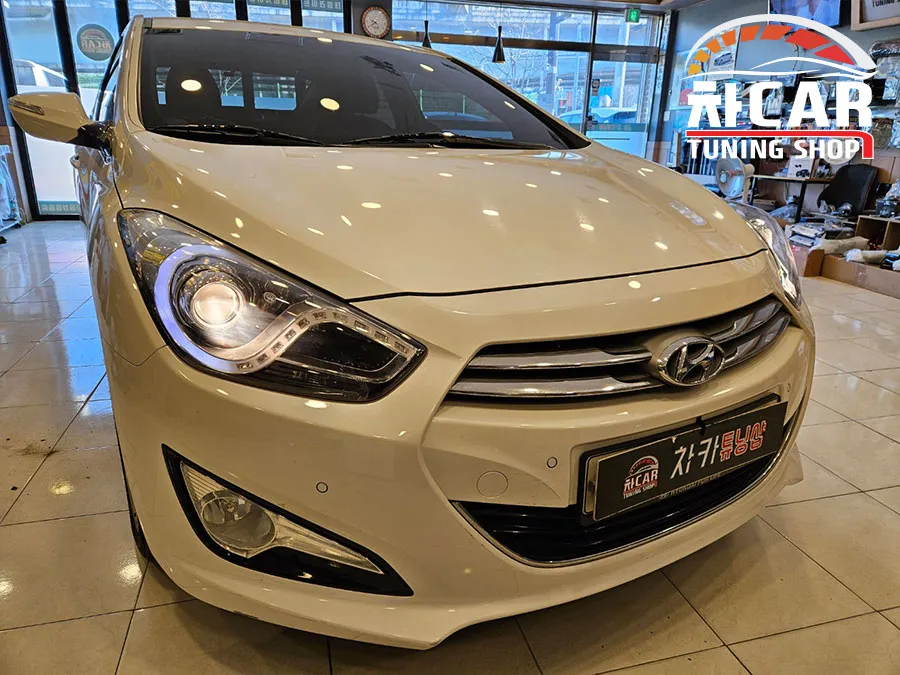
After the new LED module is installed and the headlight unit is back on the car, the final step is a thorough test. With the engine running, the DRLs are checked to ensure they are functioning correctly. The result is a pair of bright, evenly lit daytime running lights, restoring the vehicle's intended appearance and, more importantly, its safety features. Properly functioning DRLs are crucial for visibility, making your I40 more noticeable to other drivers and pedestrians, especially during daylight hours, thereby reducing the risk of accidents.
Frequently Asked Questions
Q. How much does Lighting Upgrade cost for a Hyundai I40?
In Korea, this specific DRL module repair for the Hyundai I40 typically ranges from ₩100,000 to ₩200,000 for both sides. In the US, similar module repairs can vary widely but often fall into a comparable price bracket depending on labor rates and part availability.
Q. How long does Lighting Upgrade last on a Hyundai I40?
The upgraded LED modules are designed for enhanced durability, aiming to provide long-term reliability beyond the original components. To maximize longevity, ensure the headlight seals remain intact to prevent moisture ingress, which can affect any electronic component.
Q. Is Lighting Upgrade worth it for a Hyundai I40?
This upgrade is highly recommended for I40 owners experiencing the common DRL failure, as it directly addresses a known issue. It offers significant value by providing a cost-effective solution compared to full headlight replacement, restoring both safety and aesthetics.
Q. How is Lighting Upgrade done on a Hyundai I40?
The process involves removing the headlight assembly, disassembling it to access the internal LED module, replacing the faulty module with a new PCB unit, and then reassembling and reinstalling the headlight. This is typically completed within 1-2 hours.
Q. What is the best Lighting Upgrade option for a Hyundai I40?
The most effective upgrade is replacing the specific faulty LED module with an improved, dedicated PCB module designed to resolve the I40's common DRL issue. This targeted repair is superior to replacing the entire headlight unit, offering better value and addressing the root cause.