Hyundai i40 Factory Option Retrofit Review
Service Price
$40–80
Estimated price · Actual price may vary by shop
Before
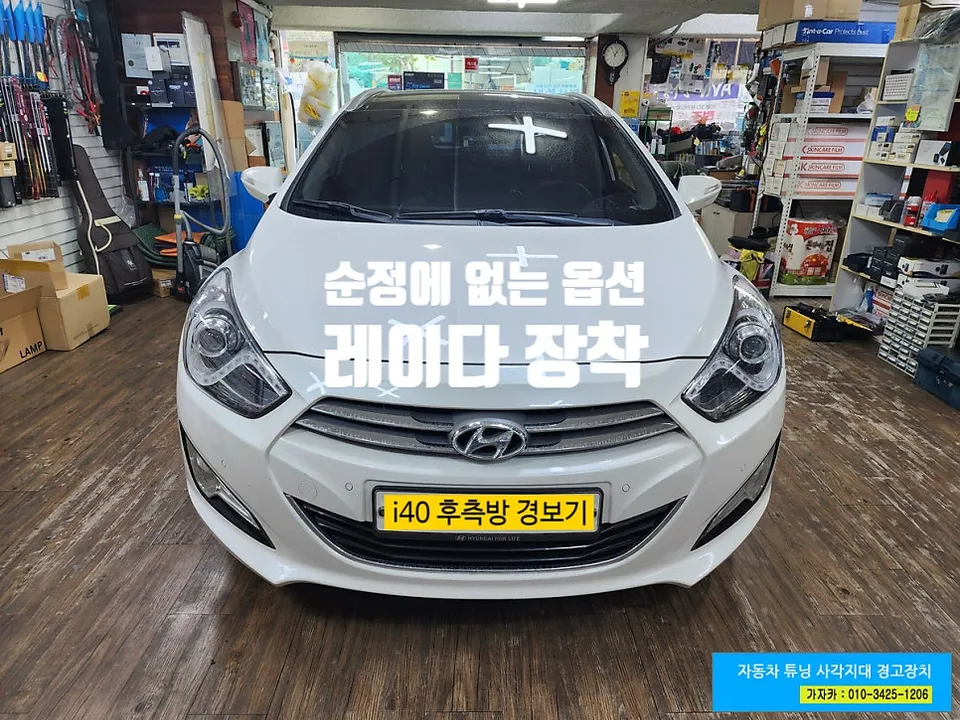
After
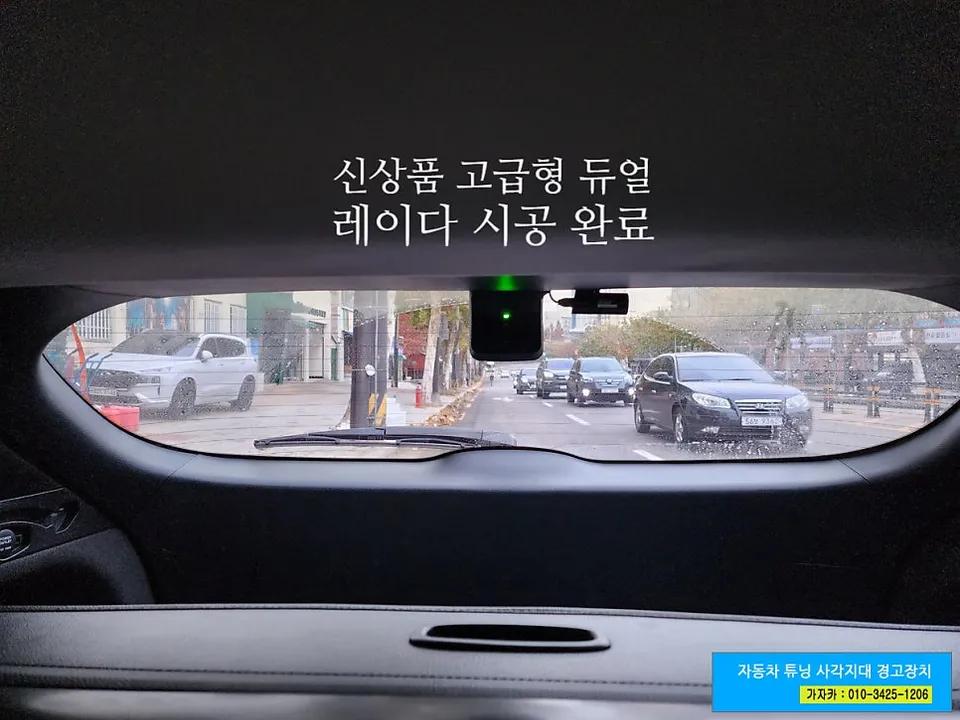
Process photos
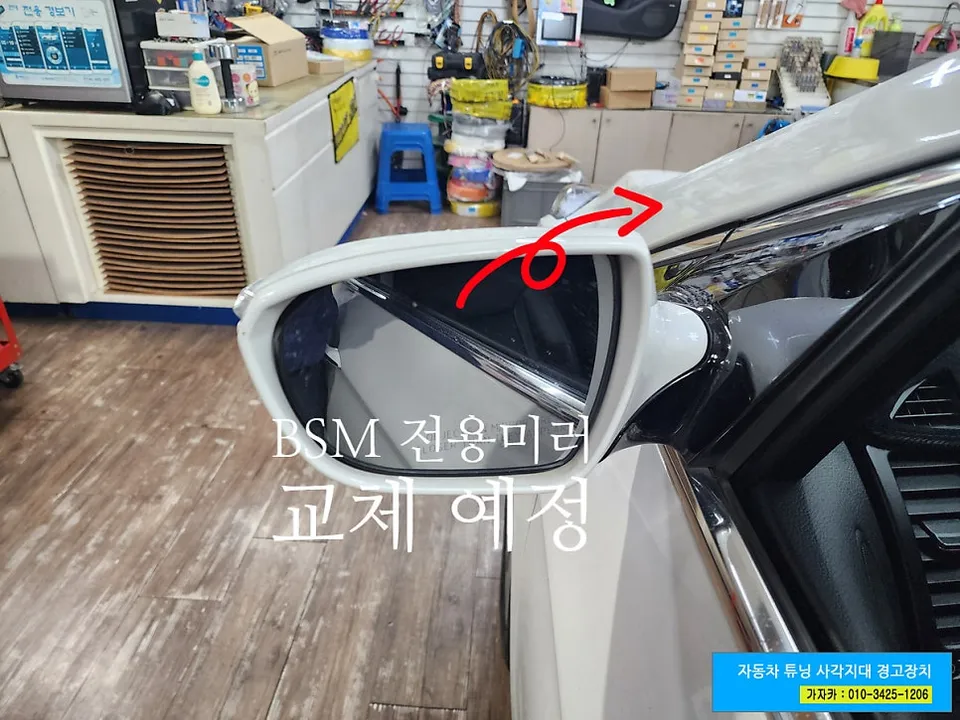
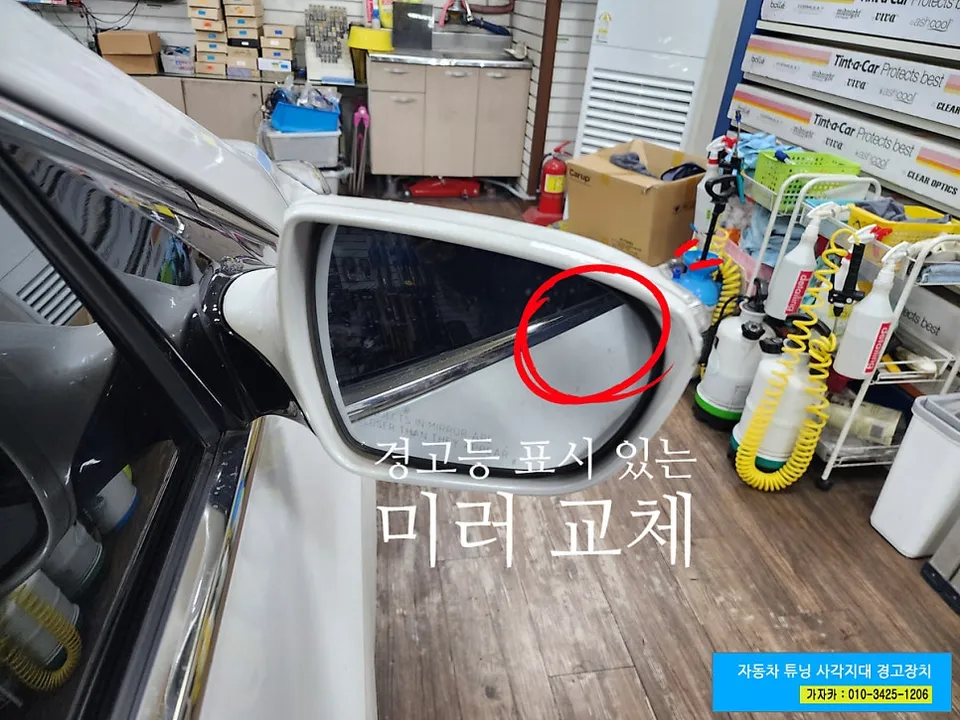
Hyundai i40 rear-side warning system retrofit: Approx. $150-$225. Enhances safety with dual-radar detection, reducing blind-spot risks.
Upgrade Your Hyundai i40 with a Rear-Side Warning System
Many Hyundai i40 owners find themselves wishing for enhanced safety features, particularly a rear-side collision warning system (often called Blind Spot Detection or BSD). While this feature is common in higher-tier vehicles or some European i40 trims, it was frequently omitted from domestic Korean specifications, even on fully-loaded models. This leaves drivers concerned about potential blind-spot accidents during lane changes or general driving. Fortunately, retrofitting this crucial safety system is a viable option, offering a significant upgrade to your driving experience. This review focuses on the benefits and installation of a dual-radar BSM-DR system, a popular and effective solution for the i40.
Understanding Rear-Side Warning Systems: Radar vs. Ultrasonic
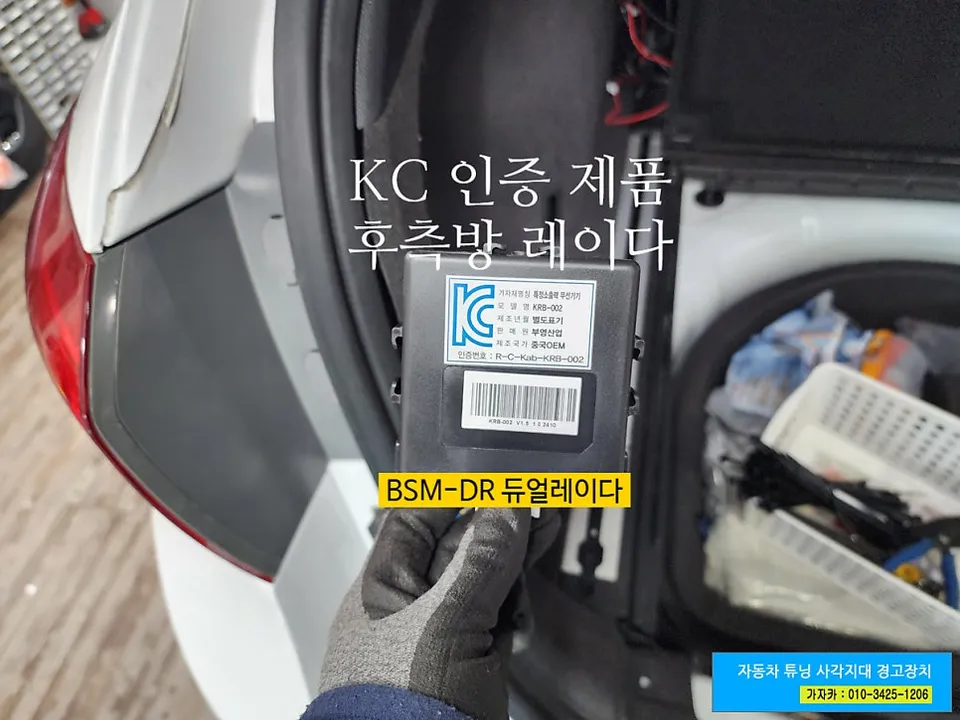
When considering a rear-side warning system for your Hyundai i40, you'll encounter two primary technologies: ultrasonic and dual-radar. Understanding the differences is key to making an informed decision. Ultrasonic sensors, typically mounted externally on the bumper, are generally more affordable. However, their detection range is limited to about 2.5-3 meters, and their exposed position makes them vulnerable to damage. Their effectiveness can also diminish at higher speeds, making them less ideal for highway driving common with the i40. In contrast, the dual-radar system offers superior performance. The radar sensors are discreetly installed within the bumper, maintaining the vehicle's aesthetic. With a detection range of 5-7 meters, these systems provide reliable warnings even at high speeds. Many dual-radar systems also include a warning function for vehicles approaching from the rear while reversing, adding another layer of safety. For a vehicle like the i40, which is often used for varied driving conditions including highway travel, the dual-radar approach is generally the more robust and recommended option. Always ensure any system you consider has proper safety certifications, such as KC certification in Korea.
Installation and Performance of the Dual-Radar BSM-DR System
The installation process for the dual-radar BSM-DR system on a Hyundai i40 is meticulous, ensuring seamless integration and optimal performance. The work typically involves carefully removing the rear bumper to precisely mount the radar sensors internally. This method preserves the car's original exterior appearance, with no visible changes. Once installed, the system alerts the driver through LED indicators integrated into the side mirrors and an audible buzzer. When the system detects a vehicle in the blind spot or approaching rapidly from behind, the corresponding mirror's LED will illuminate, accompanied by a warning sound. This dual alert system effectively draws the driver's attention to potential hazards, significantly reducing the risk of collision during lane changes. After the installation is complete, a thorough real-world test is conducted to verify the accuracy of the sensors and the proper functioning of the entire warning system. The estimated cost for this retrofit in Korea can range from approximately ₩200,000 to ₩300,000 (roughly $150-$225 USD, depending on exchange rates and specific components), with installation typically taking 2-3 hours.
Is the Factory Option Retrofit Worth It?
For Hyundai i40 owners who value safety and frequently drive on highways or in busy traffic, retrofitting the rear-side warning system is a highly recommended upgrade. The enhanced awareness provided by the dual-radar system significantly mitigates the risks associated with blind spots. While the initial cost is a consideration, the potential to avoid accidents and the peace of mind it offers make it a worthwhile investment for many drivers. The durability of these systems is generally excellent, as the internal components are protected from the elements. Maintenance is minimal, usually limited to occasional cleaning of the sensor areas if they become obstructed, though this is rare with internal mounting.
Frequently Asked Questions
Q. How much does OEM option and factory upgrade installation cost for a Hyundai i40?
The retrofit of a dual-radar rear-side warning system for a Hyundai i40 typically costs between ₩200,000 and ₩300,000 in Korea (approximately $150-$225 USD). In the US, similar factory option retrofits can range from $40 to $80 for simpler systems, but advanced radar systems like the one described may cost more.
Q. How long does OEM options installation take on a Hyundai i40?
Installation of a dual-radar rear-side warning system on a Hyundai i40 usually takes about 2-3 hours to complete. These systems are designed for long-term durability, with internal components protected from weather and requiring minimal maintenance beyond ensuring sensor areas remain unobstructed.
Q. Are OEM options worth adding after purchase for a Hyundai i40?
Yes, adding a rear-side warning system is highly recommended for Hyundai i40 owners who prioritize safety, especially those who frequently drive on highways or in heavy traffic. The enhanced awareness significantly reduces blind-spot risks, making it a valuable safety investment.
Q. How are OEM factory options installed on a Hyundai i40?
Installation involves: 1. Removing the rear bumper to access the mounting points. 2. Precisely installing the dual-radar sensors internally within the bumper. 3. Connecting the sensors to the vehicle's wiring harness and integrating the warning lights into the side mirrors. 4. Testing the system thoroughly to ensure accurate detection and alerts.
Q. What is the difference between dealer-installed options and aftermarket upgrades for a Hyundai i40?
Dealer-installed options, like the described rear-side warning system, often integrate more seamlessly with the vehicle's existing electronics and maintain the original aesthetic. Aftermarket upgrades can vary widely in quality and integration, with some offering similar functionality at a lower cost but potentially compromising on aesthetics or long-term reliability.
OhCar Partner Shop