Hyundai Elantra CN7 Seat Climate Upgrade Review
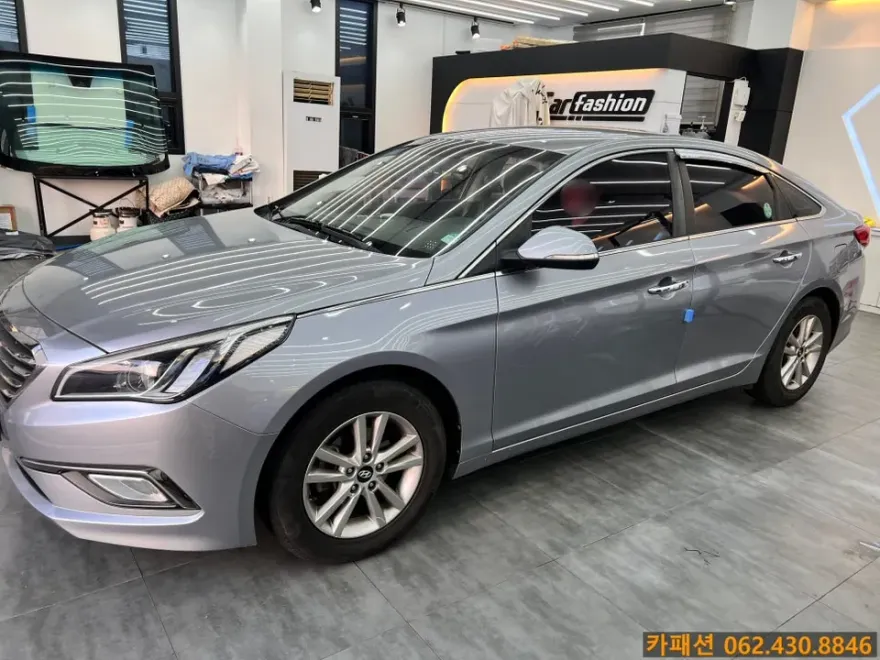
Before

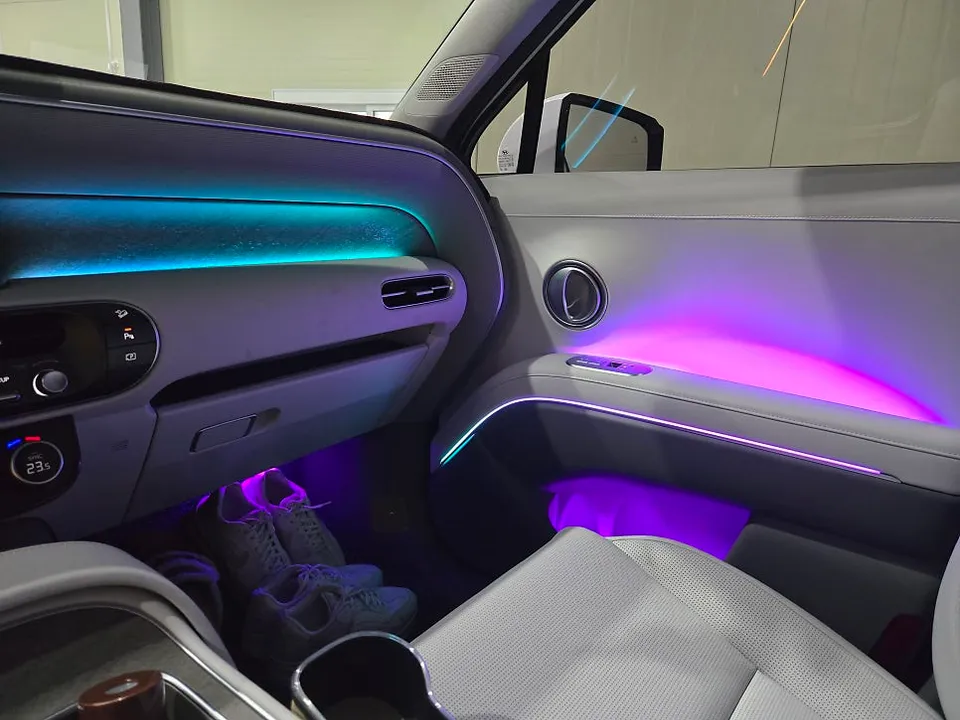
After

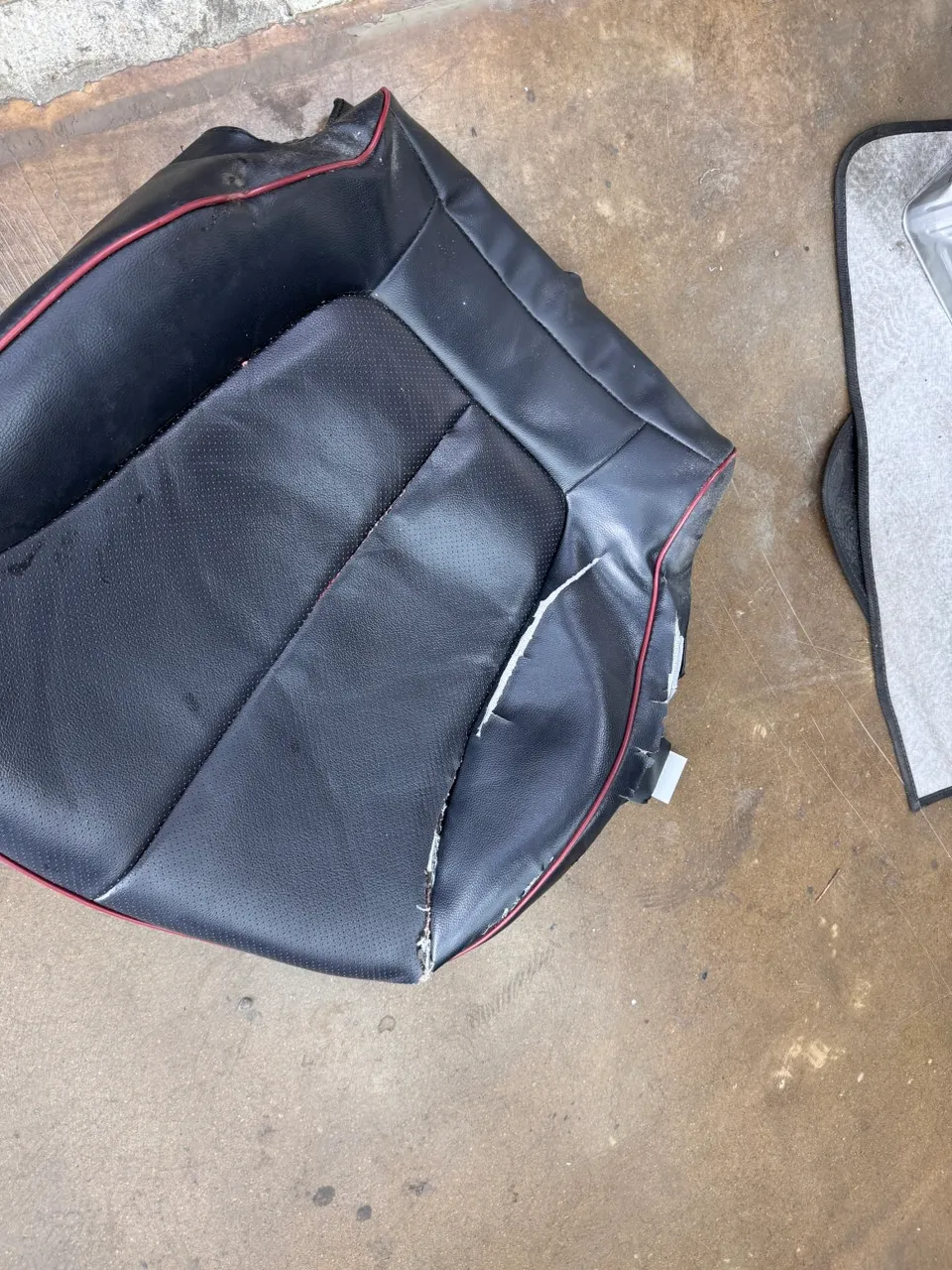
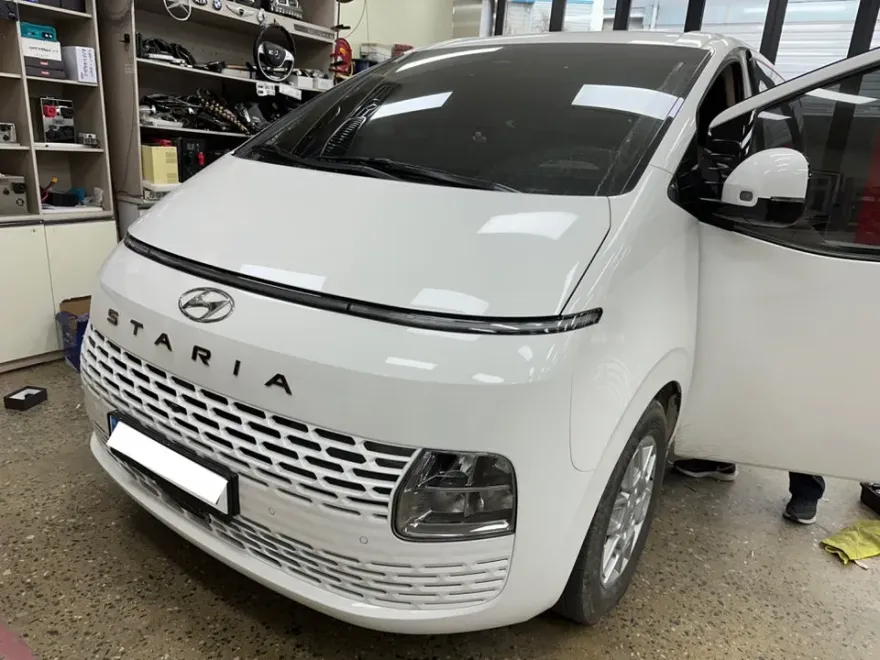
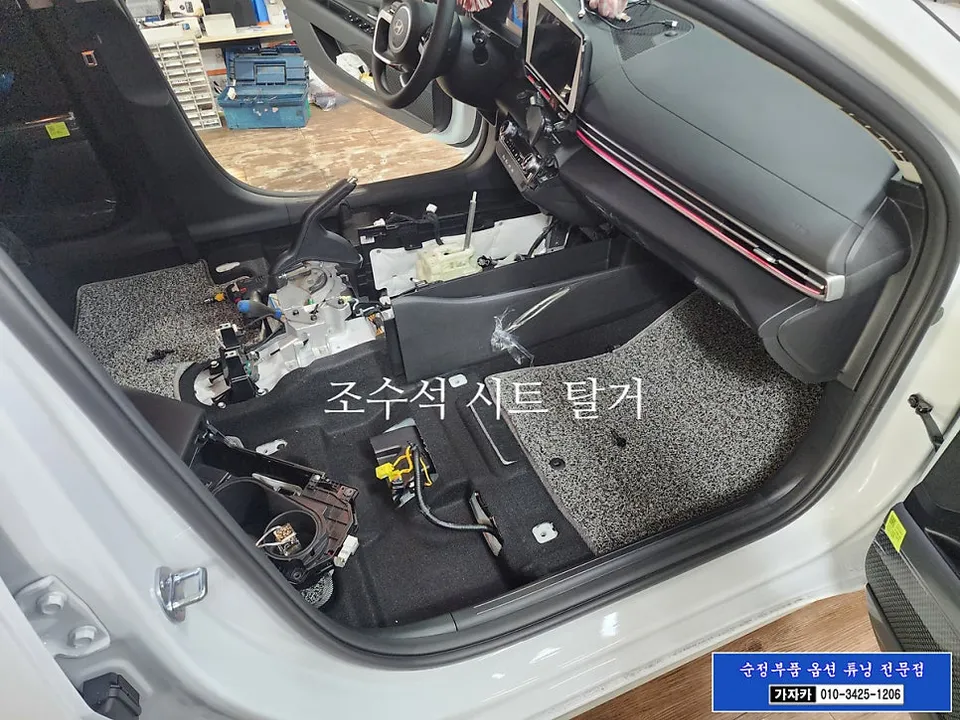
Process photos
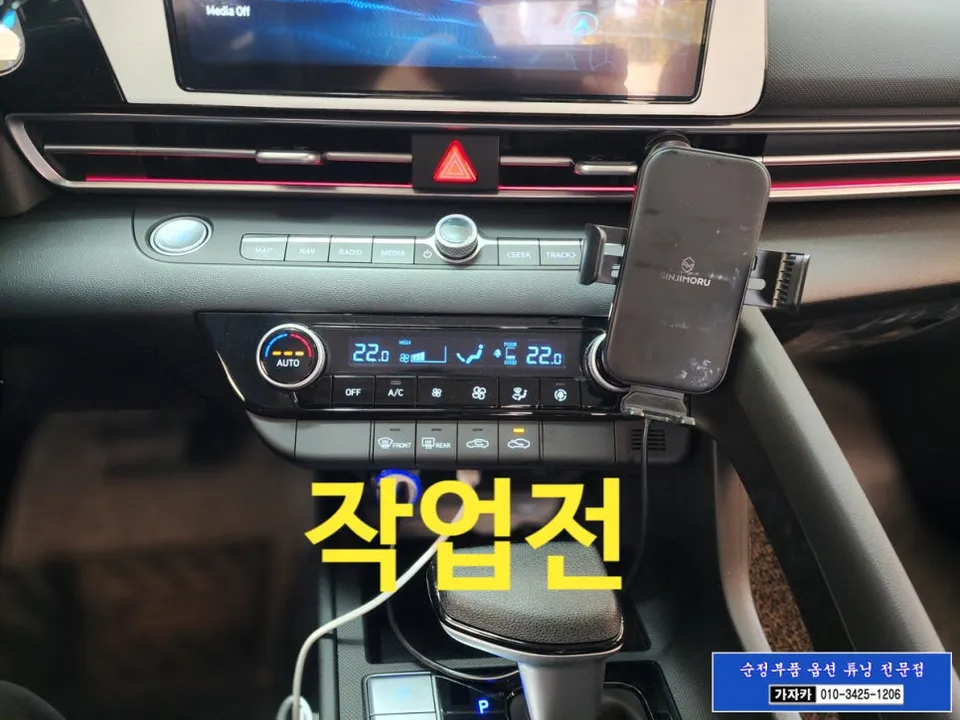
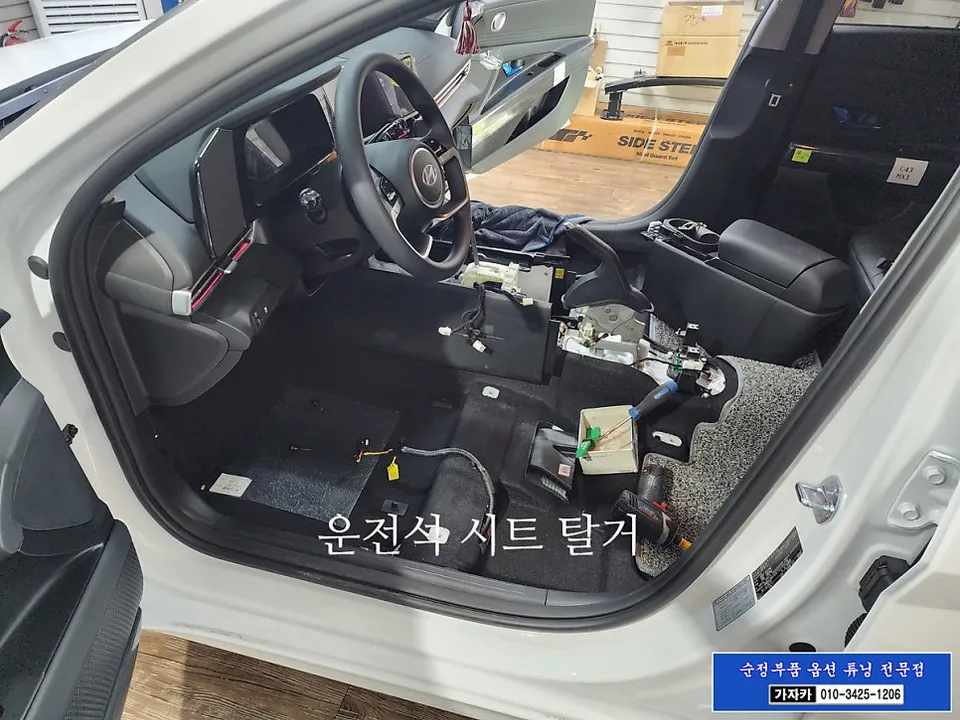
Hyundai Elantra CN7 seat climate upgrade with ventilation and heating. Professional installation using genuine parts ensures factory-like performance
Enhancing Your Elantra CN7 with Seat Climate Control
Many drivers find that certain comfort features are essential for a pleasant driving experience, especially during extreme weather. For the Hyundai Elantra CN7, features like ventilated seats and heated seats can significantly elevate comfort levels. This review focuses on the process and benefits of retrofitting these climate control options for the driver and front passenger seats, particularly when they were not originally included from the factory. The goal is to provide a comprehensive look at the installation, the results, and whether this upgrade is a worthwhile investment for your Elantra CN7.
The Seat Ventilation & Heating Installation Process
When your Elantra CN7 didn't come equipped with the desired seat climate features, a professional retrofit using genuine parts can restore that factory-level functionality. This process involves carefully disassembling the seat to integrate the necessary heating elements and ventilation fans. The aim is to achieve a seamless integration that looks and performs as if it were a factory option. The installation typically uses OEM-grade components to ensure reliability and longevity. This ensures that the controls integrate smoothly with your car's existing dashboard or console, providing intuitive operation for both seat heating and cooling.
Installation process:
- Seat disassembly to access the seat cushion and backrest.
- Installation of heating pads and ventilation fan modules within the seat structure.
- Wiring integration with the vehicle's power and control systems.
- Reassembly of the seat and testing of all functions.
Before & After: The Impact of Ventilated and Heated Seats
The transformation after installing ventilated and heated seats in your Hyundai Elantra CN7 is immediate and noticeable. During hot weather, the ventilation system actively draws air through the seat perforations, providing a cooling sensation that combats sticky and uncomfortable seating. Conversely, in cold weather, the heating elements quickly warm the seat, offering rapid comfort and eliminating the need to wait for the cabin to heat up. The before-and-after difference is substantial, turning a potentially uncomfortable cabin into a consistently pleasant environment year-round. The materials used are designed for durability, often featuring high-quality heating wires and robust fan motors that are built to last. Regular maintenance is minimal, usually involving keeping the seat perforations clear of debris to ensure optimal airflow.
Frequently Asked Questions
Q. How much does ventilated seat installation cost for a Hyundai Elantra CN7?
The installation of ventilated and heated seats for a Hyundai Elantra CN7 in Korea typically ranges from approximately ₩500,000 to ₩1,000,000 (around $370-$740 USD). Prices in the US can vary significantly based on the shop and parts used, often falling within a similar or higher range.
Q. How long does seat ventilation installation take on a Hyundai Elantra CN7?
The durability of professionally installed ventilated and heated seats is generally excellent, often matching factory standards. To maintain optimal performance, ensure the seat perforations remain clear of debris and avoid excessive moisture.
Q. Are aftermarket ventilated seats worth it for a Hyundai Elantra CN7?
For drivers in climates with significant temperature variations, adding ventilated and heated seats is highly recommended for enhanced comfort. The value proposition lies in achieving factory-level comfort and convenience, especially if the original vehicle lacked these features.
Q. How are ventilated seats installed in a Hyundai Elantra CN7?
Installation involves carefully disassembling the seat to integrate heating elements and ventilation fans. 1. The seat upholstery is removed. 2. Heating pads and fan modules are precisely placed within the seat cushion and backrest. 3. Wiring is connected to the vehicle's electrical system for power and controls, followed by reassembly and testing.
Q. What is the difference between OEM and aftermarket ventilated seats for a Hyundai Elantra CN7?
OEM (Original Equipment Manufacturer) parts are designed by Hyundai for a perfect fit and integration, while aftermarket options use components from other suppliers. Opting for an installation using genuine Hyundai parts ensures the most seamless integration and factory-like appearance and function.
OhCar Partner Shop