Hyundai IONIQ Dash Cam Installation Review
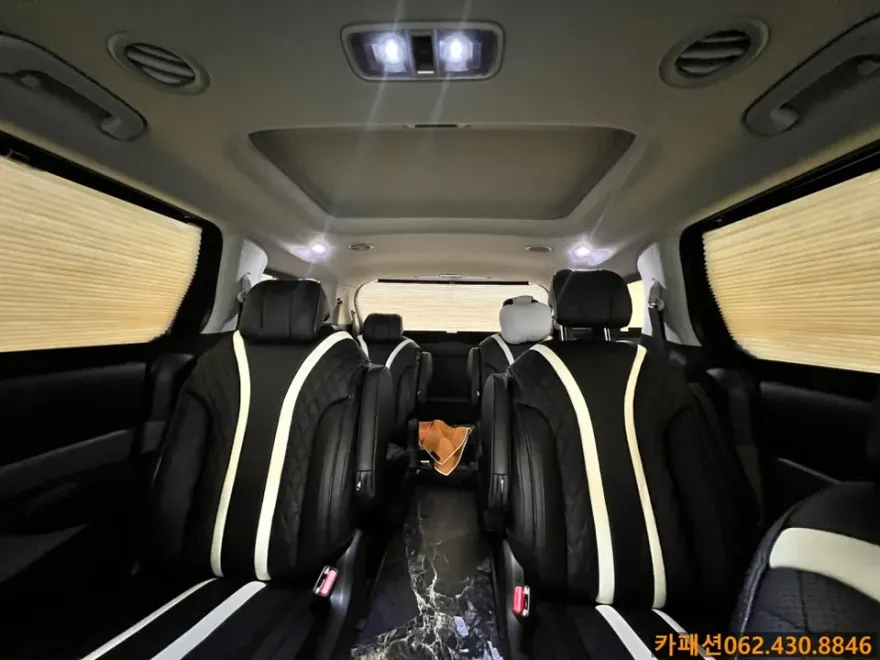
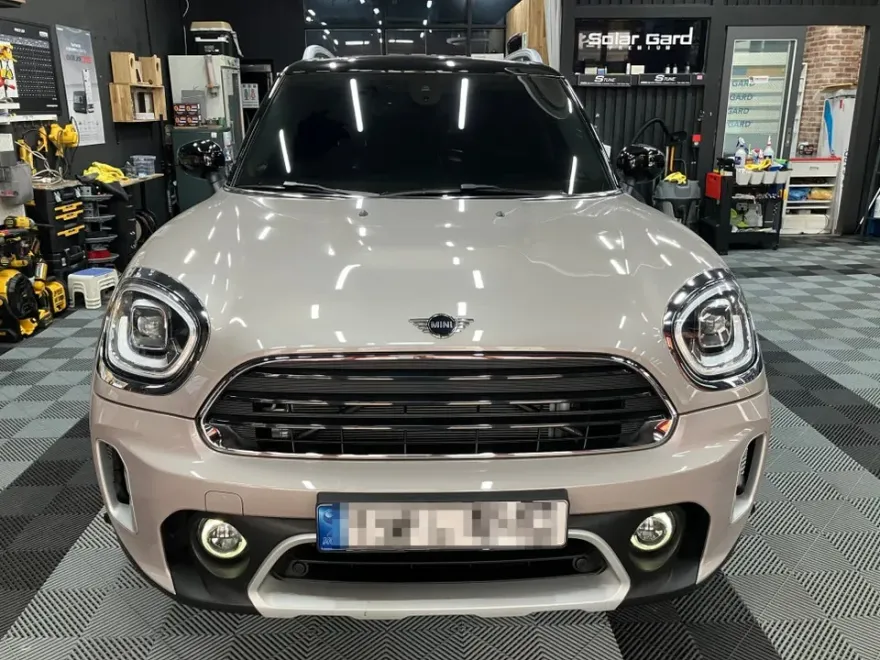
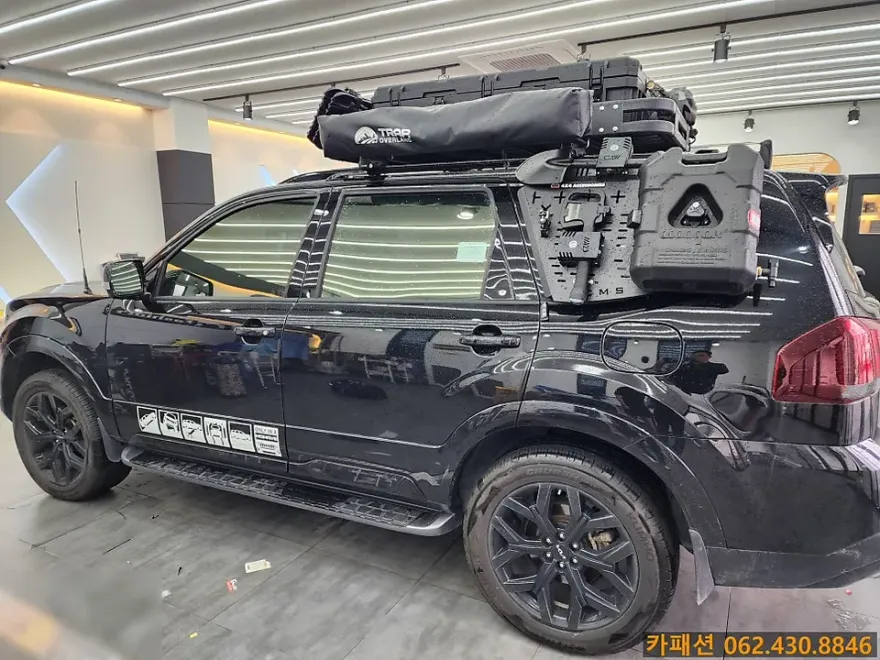
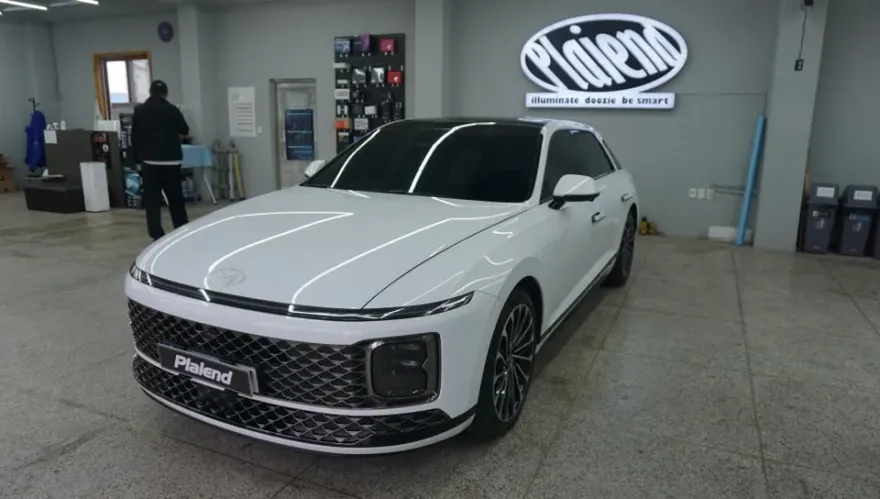
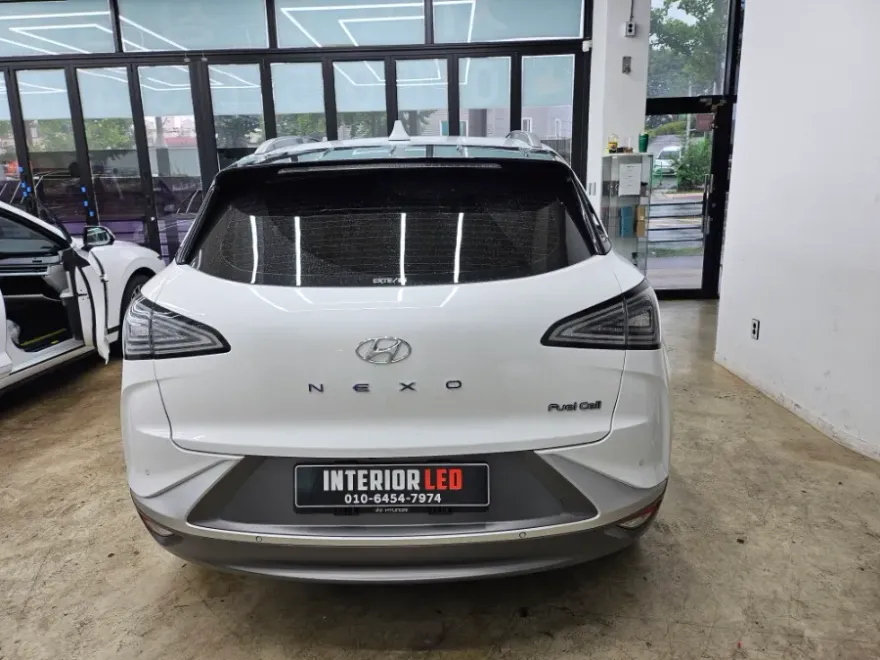
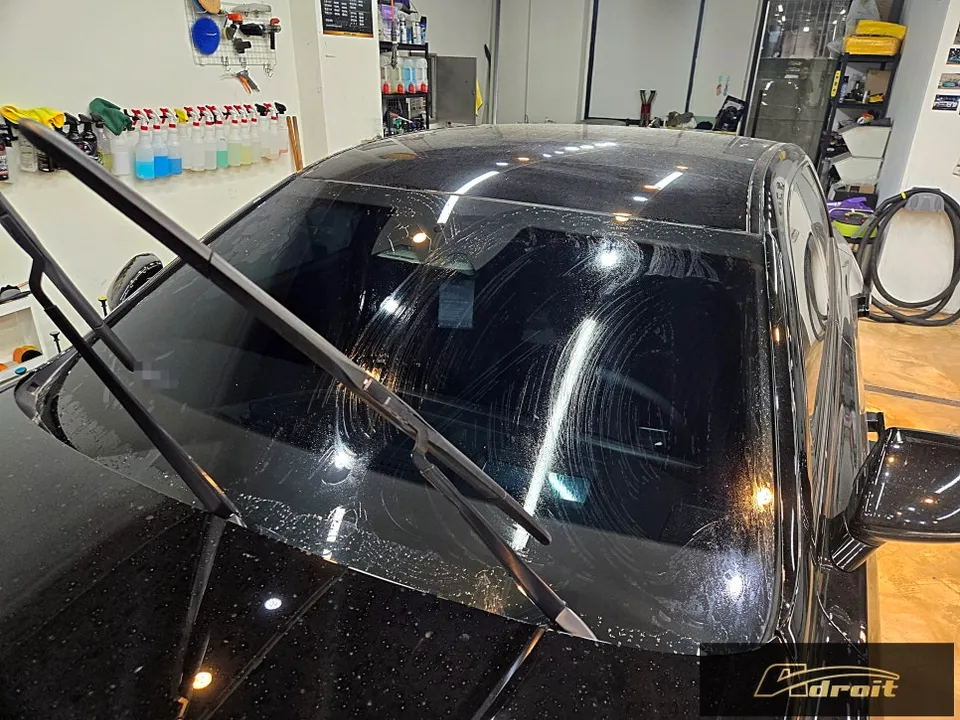
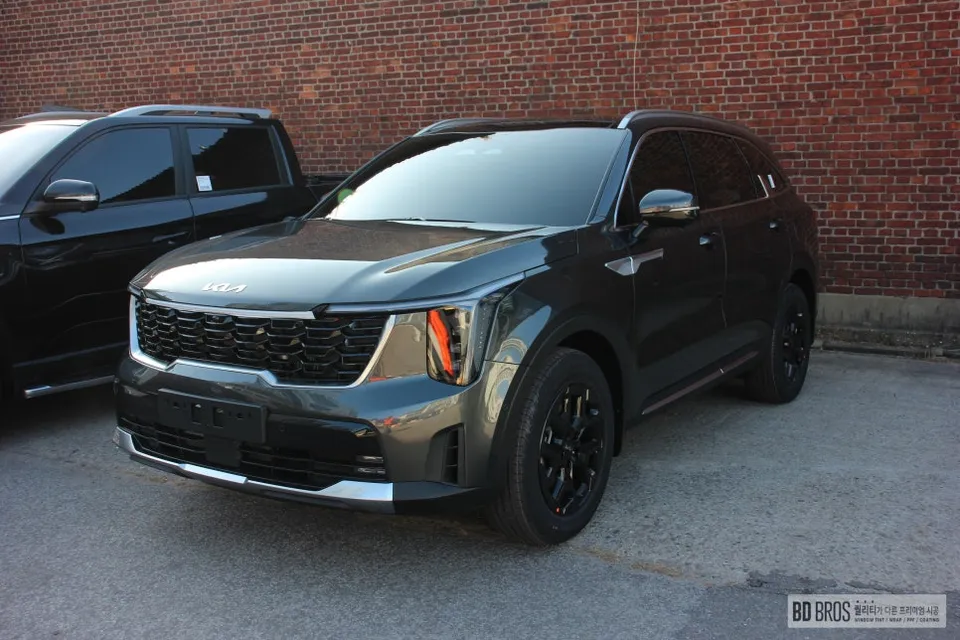
Before
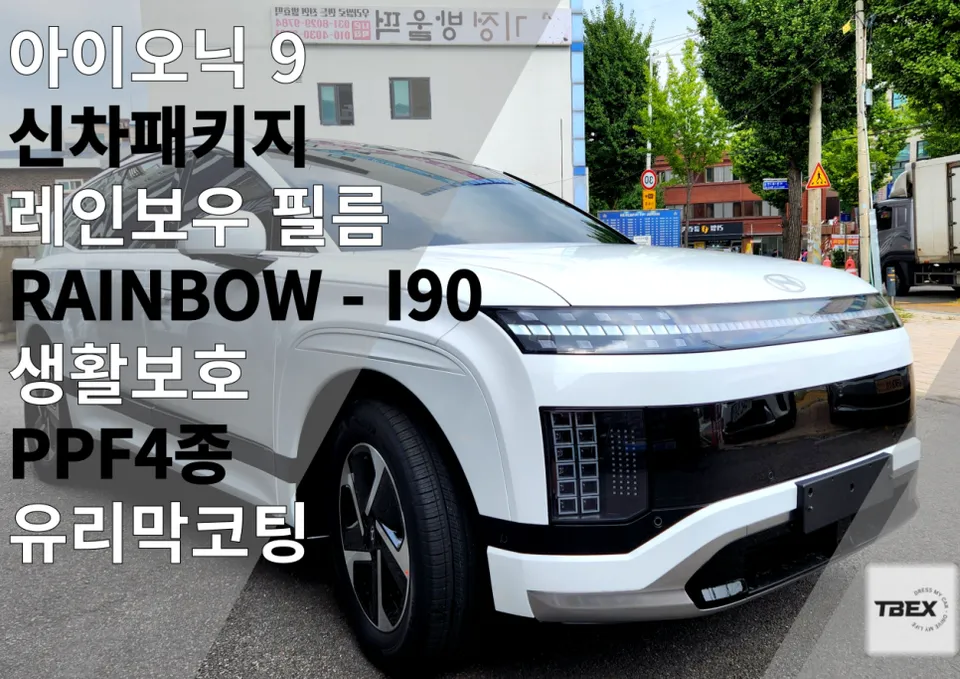
After
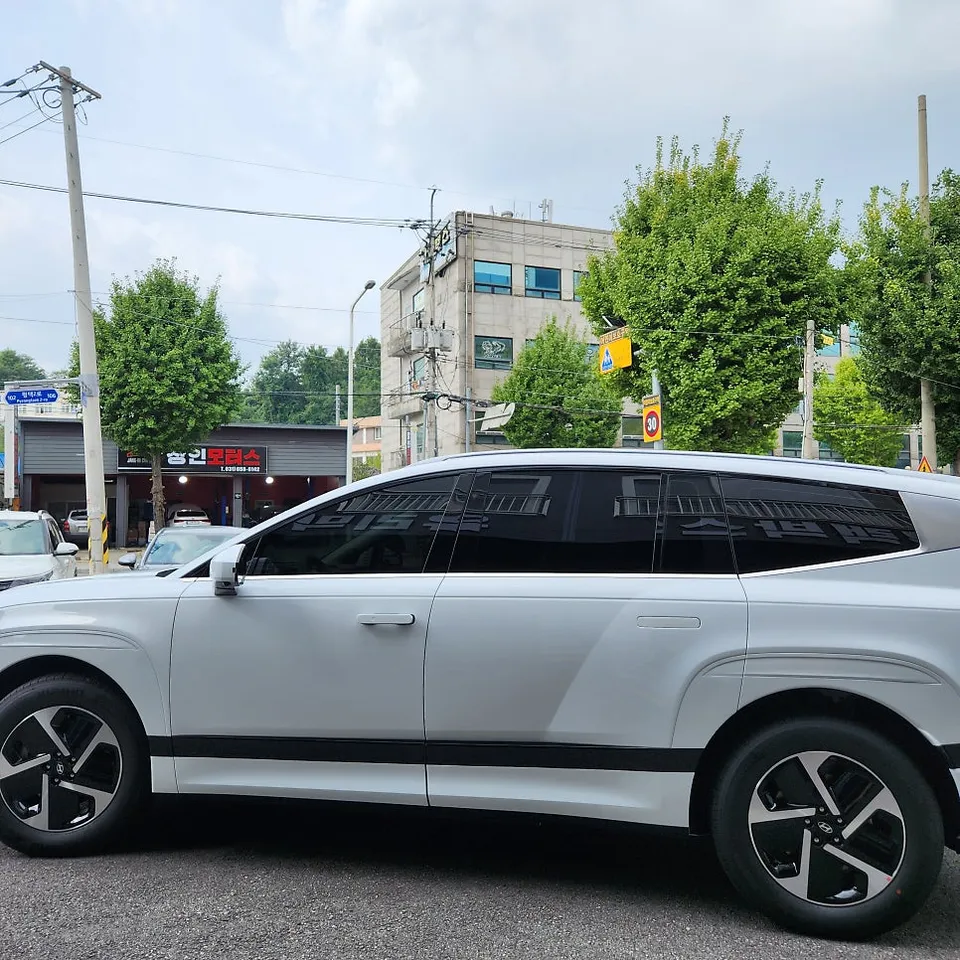
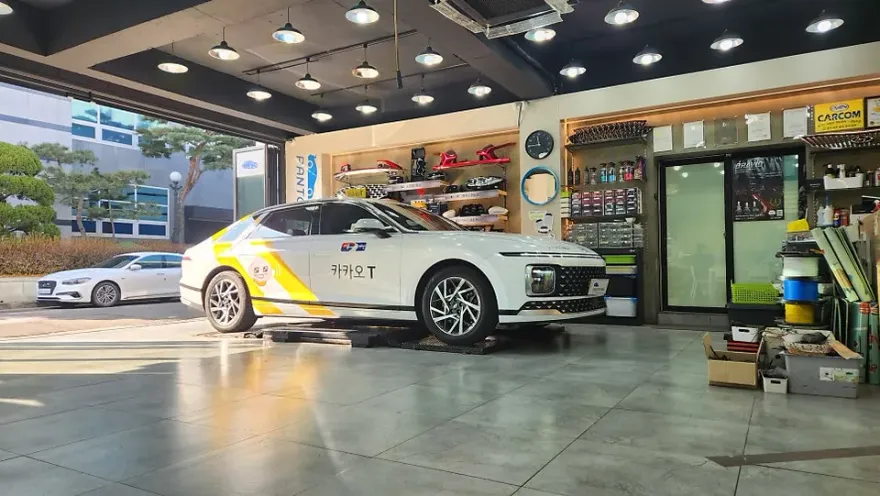
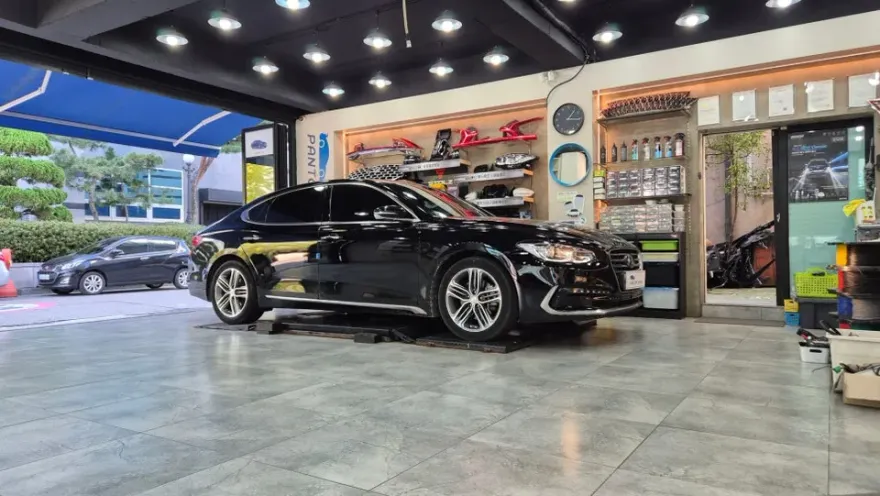
Process photos
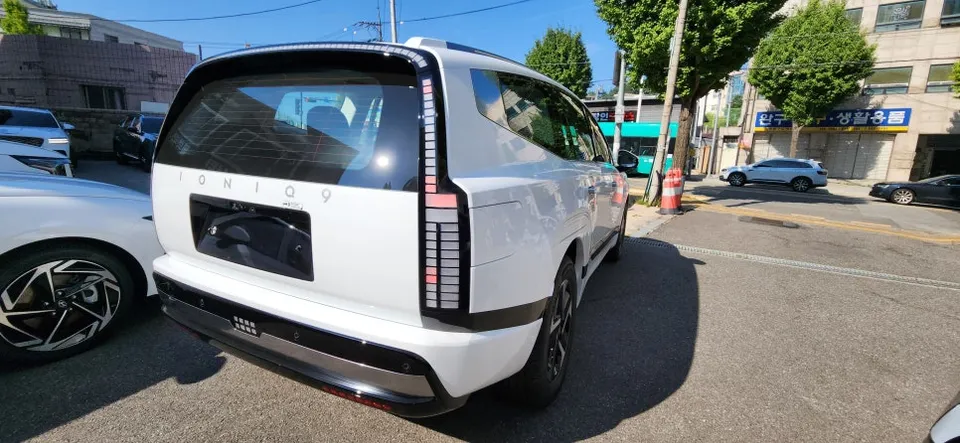
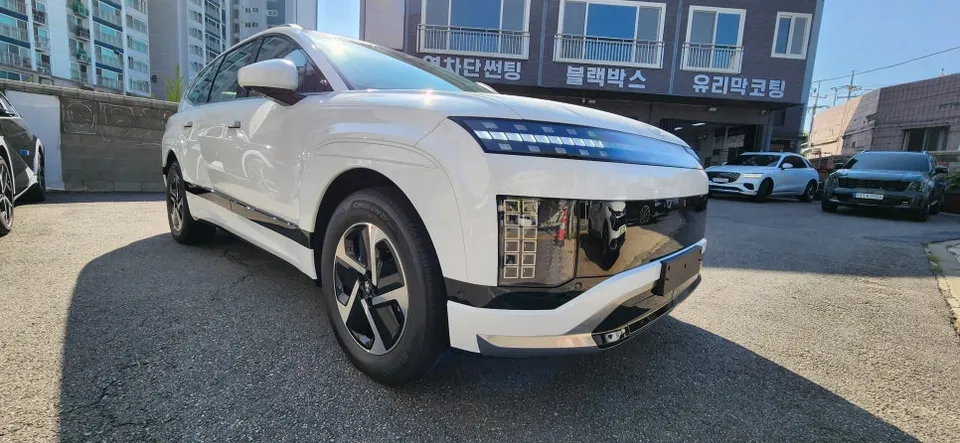
Dash cam installation on Hyundai IONIQ: Approx. $220-$520 USD. Provides enhanced security and peace of mind.
Hyundai IONIQ Dash Cam Installation: A Comprehensive Review
For many Hyundai IONIQ owners, a dash cam, often referred to as a 'black box camera' in Korea, is becoming an essential part of their vehicle's setup. This review delves into the specifics of dash cam installation, covering what to expect in terms of cost, the visual impact, and the overall value proposition. The original context for this review comes from a new car package service in South Korea, which often includes dash cam installation alongside other protective treatments like window tinting and ceramic coating.
Dash Cam Installation Process and Considerations
Professional dash cam installation ensures a clean look and reliable operation, especially for features like parking mode dashcams. The process typically involves carefully routing wires to avoid interference with vehicle systems and to maintain a tidy interior. For a front and rear dash cam setup, this means running a cable from the front camera, often powered through the fuse box via hardwiring, to the rear camera. Hardwiring a dashcam is crucial for enabling parking mode, which allows the camera to record even when the car is turned off, capturing potential incidents like hit-and-runs.
The installation process for a dash cam on a Hyundai IONIQ generally follows these steps:
- Camera Mounting: The front camera is securely attached to the windshield, typically near the rearview mirror, and the rear camera is mounted on the rear window.
- Wire Routing: Power and data cables are discreetly routed along the car's interior trim, often tucked under headliners and panels to maintain a factory-like appearance.
- Hardwiring (Optional but Recommended): For parking mode functionality, the dash cam is connected to the car's fuse box. This requires knowledge of automotive electrical systems to ensure correct and safe connections, often using a dedicated hardwire kit.
- Testing and Configuration: After installation, the dash cam is powered on, and settings are adjusted, including sensitivity for motion detection and recording duration for parking mode.
Durability, Maintenance, and Value
A professionally installed dash cam is built for durability, designed to withstand varying temperatures and vibrations encountered during daily driving. Maintenance is minimal, usually involving occasional cleaning of the camera lens and checking the recording status. The 'before and after' results are primarily functional: enhanced security and peace of mind. While the KR context mentions a new car package that bundles services, the standalone cost of dash cam installation can vary. In Korea, such packages might range from approximately ₩300,000 to ₩700,000 (roughly $220-$520 USD) depending on the dash cam model and included services. For a Hyundai IONIQ owner, investing in a quality dash cam and professional installation provides a reliable witness on the road, potentially saving significant costs and hassle in the event of an accident or incident.
Frequently Asked Questions
Q. How much does dash cam installation cost for a Hyundai IONIQ?
In Korea, dash cam installation as part of a new car package can range from approximately ₩300,000 to ₩700,000 (roughly $220-$520 USD). Typical professional installation costs in the US can range from $100 to $300 depending on the complexity and camera system.
Q. How long does dash cam installation take on a Hyundai IONIQ?
Professional dash cam installation typically takes between 1 to 3 hours, depending on whether it's a single or dual-lens system and if hardwiring is involved. Regular maintenance involves cleaning the lens and ensuring the device is functioning correctly by checking recordings periodically.
Q. Is a hardwired dashcam worth it over a self-install for a Hyundai IONIQ?
A hardwired dashcam is highly recommended for enabling parking mode, which provides continuous surveillance even when the car is off. Professional hardwiring ensures a safe and reliable connection, making it worth the investment for owners prioritizing security and convenience.
Q. How is a dashcam professionally installed on a Hyundai IONIQ?
Professional installation involves securely mounting the camera(s) to the windshield or rear window, carefully routing and concealing all wires along the car's interior trim, and connecting the power source, often via hardwiring to the fuse box for parking mode functionality. Finally, the system is tested and configured to the owner's preferences.
Q. What is the difference between a 1-channel and 2-channel dashcam for a Hyundai IONIQ?
A 1-channel dashcam records only the front view, while a 2-channel (front and rear dash cam) system records both the road ahead and behind the vehicle. For comprehensive coverage and enhanced security, a 2-channel system is generally recommended.
OhCar Partner Shop