Hyundai IONIQ 5 BCW Blind-Spot Collision Avoidance Assist Install
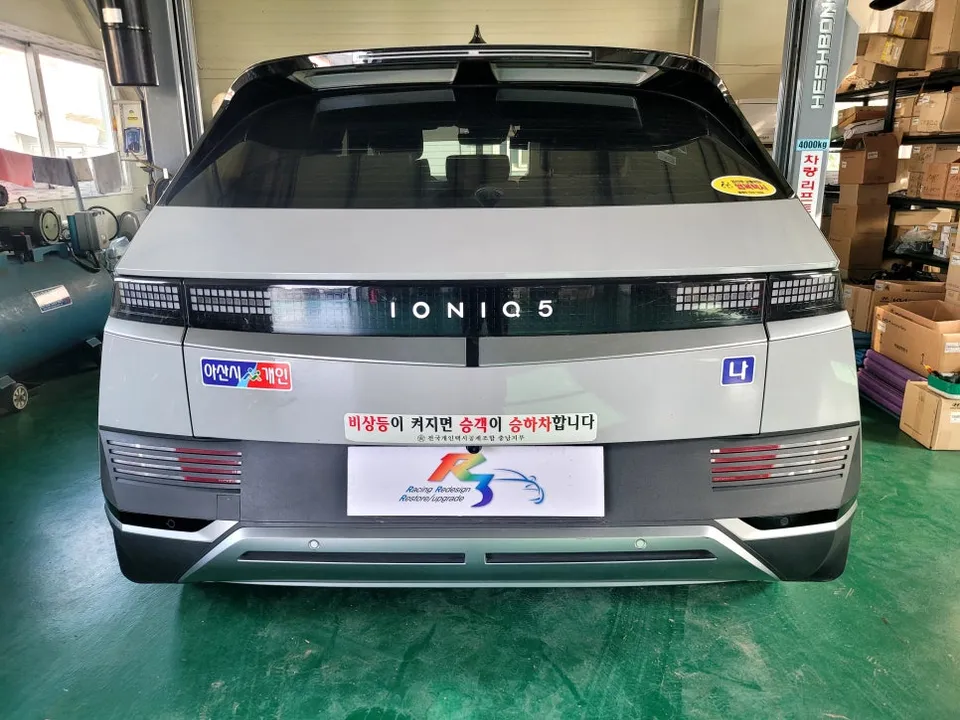
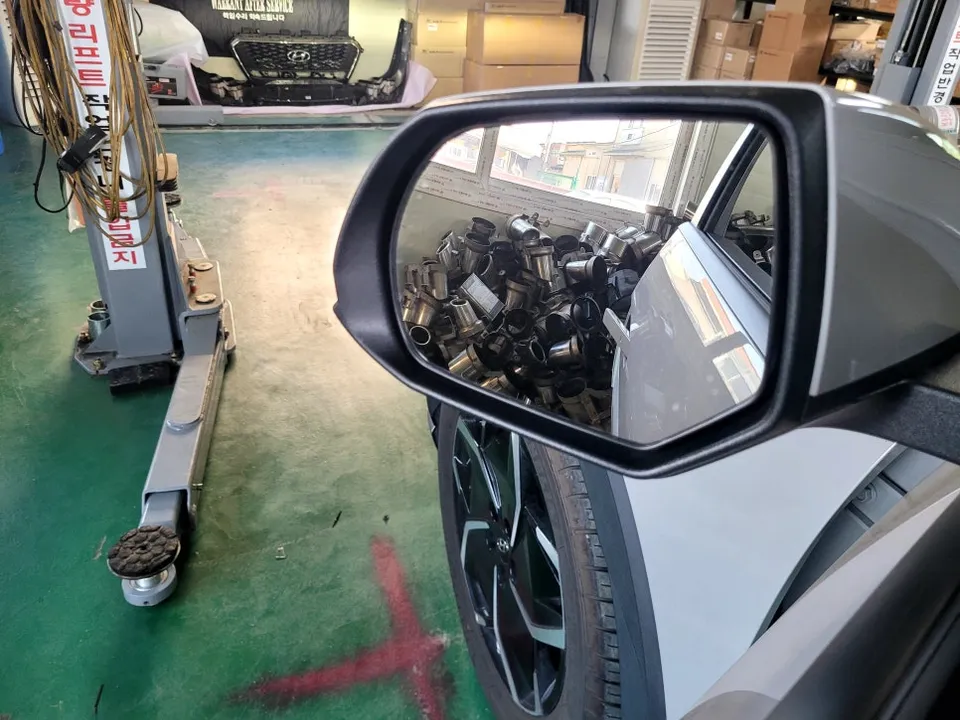
Hyundai IONIQ 5 BCW installation enhances safety. Professional upgrade adds blind-spot monitoring for collision avoidance.
Enhance Your Hyundai IONIQ 5 with Factory-Spec Safety Features
Many Hyundai IONIQ 5 owners, especially those using their vehicles for commercial purposes like taxi services, discover that certain advanced safety options were not included from the factory. One such valuable feature is the Blind-Spot Collision Avoidance Assist (BCW), also known as the Rear Cross-Traffic Collision Avoidance Assist system. This system is crucial for preventing accidents when changing lanes or reversing, significantly improving driving safety.
Why Upgrade to BCW on Your IONIQ 5?
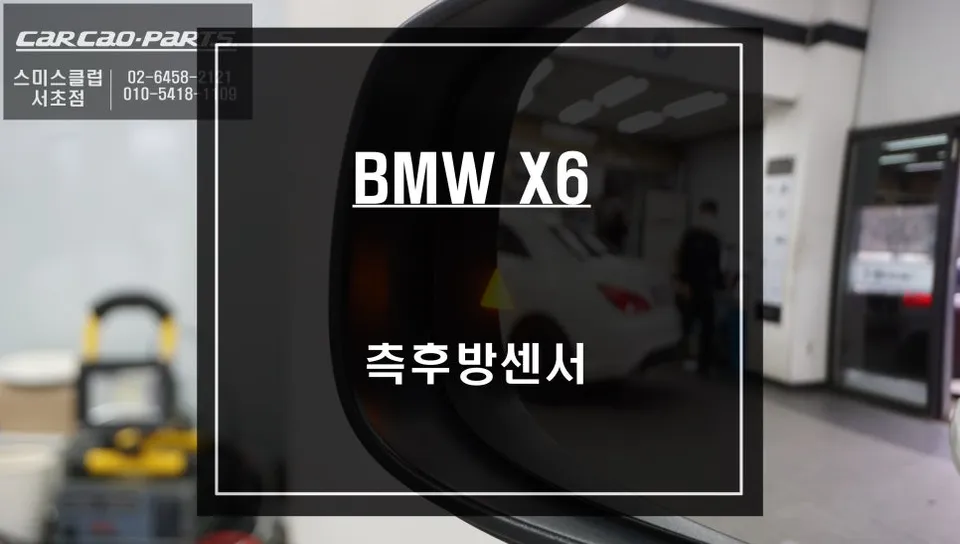
The BCW system provides an essential layer of protection by monitoring the blind spots around your vehicle. When a vehicle is detected in your blind spot, the system alerts you, typically with visual cues on the side mirrors and an audible warning if you attempt to change lanes. For taxi drivers or anyone who frequently navigates busy streets, this feature is not just a convenience but a vital safety enhancement. It helps prevent dangerous collisions that can occur due to unseen vehicles, particularly in urban environments or during complex maneuvers like U-turns or parking.
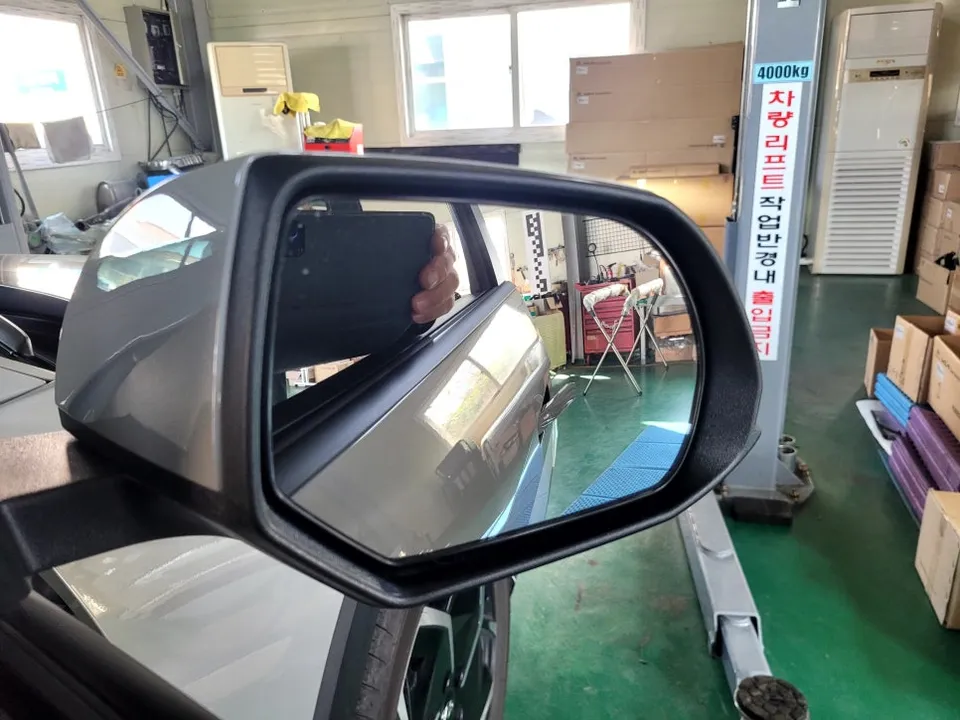
Installation Process:
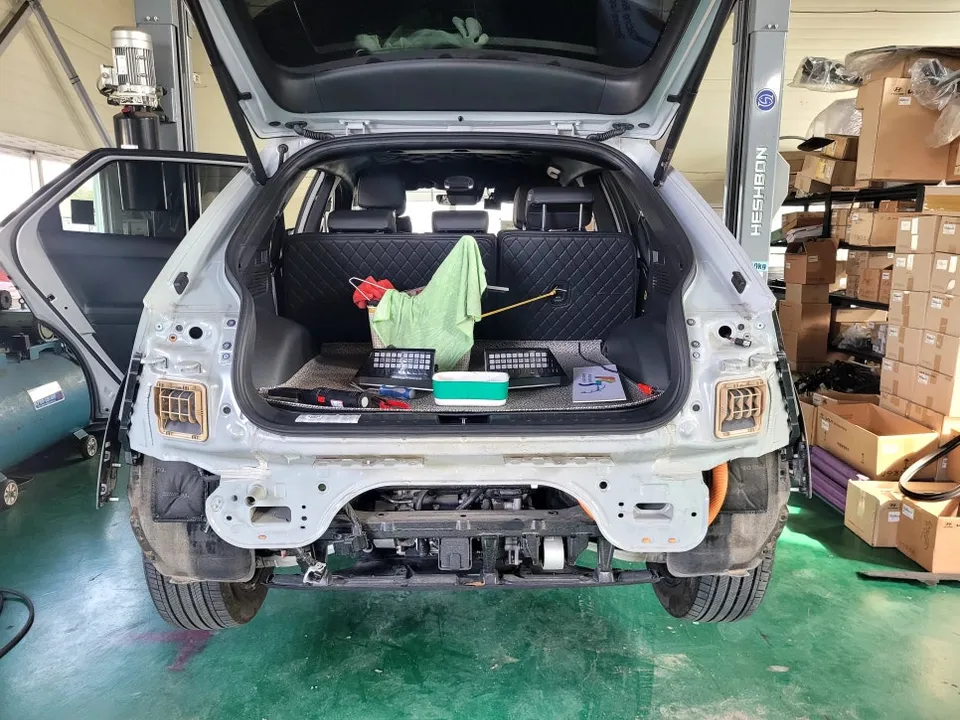
- Component Integration: The process involves installing the necessary sensors, typically integrated into the rear bumper or side panels, and the control module.
- Wiring Harness Connection: A dedicated wiring harness is connected to the vehicle's existing electrical system, integrating the new sensors and control unit with the car's computer.
- Mirror and Indicator Setup: Warning indicators are often integrated into the side mirrors, requiring their replacement or modification.
- Software Calibration: Finally, the system is calibrated using diagnostic tools to ensure accurate detection and warning signals tailored to the Hyundai IONIQ 5's specifications.
This professional installation ensures that the BCW system functions seamlessly, providing the same level of reliability and performance as if it were a factory-installed option. The result is a significantly safer driving experience, giving you peace of mind on every journey.
Frequently Asked Questions
Q. How much does OEM option and factory upgrade installation cost for a Hyundai IONIQ?
The cost for installing OEM Blind-Spot Collision Avoidance Assist (BCW) on a Hyundai IONIQ 5 can vary, but typically ranges from ₩700,000 to ₩1,000,000 in Korean Won. In the US, similar factory-grade upgrades can cost between $500 and $1,000 USD, depending on the specific components and labor rates.
Q. How long does OEM options installation take on a Hyundai IONIQ?
The installation of OEM options like BCW on a Hyundai IONIQ typically takes between 2 to 4 hours to complete. Proper maintenance involves ensuring the sensors remain clean and unobstructed, as dirt or debris can affect their performance.
Q. Are OEM options worth adding after purchase for a Hyundai IONIQ?
Adding OEM options like BCW is highly recommended for drivers who prioritize safety, especially those who frequently drive in heavy traffic or use their vehicle for commercial purposes. The enhanced safety features provide significant value and peace of mind, often justifying the investment.
Q. How are OEM factory options installed on a Hyundai IONIQ?
OEM factory options are installed by integrating genuine manufacturer components, such as sensors and control modules, into the vehicle's existing systems. The process typically involves: 1. Mounting sensors in designated locations (e.g., rear bumper). 2. Connecting the new components to the vehicle's electrical system and ECU via a specialized wiring harness. 3. Calibrating the system using diagnostic software to ensure optimal performance and accuracy.
Q. What is the difference between dealer-installed options and aftermarket upgrades for a Hyundai IONIQ?
Dealer-installed OEM options use genuine manufacturer parts and are designed to integrate seamlessly with the vehicle's existing systems, often maintaining warranty coverage. Aftermarket upgrades, while potentially more affordable, may use non-original parts and could sometimes impact vehicle warranty or performance if not installed correctly.
OhCar Partner Shop