Hyundai Kona Window Tinting Review - Perfect Transformation
Service Price
$40–80
Estimated price · Actual price may vary by shop
Before
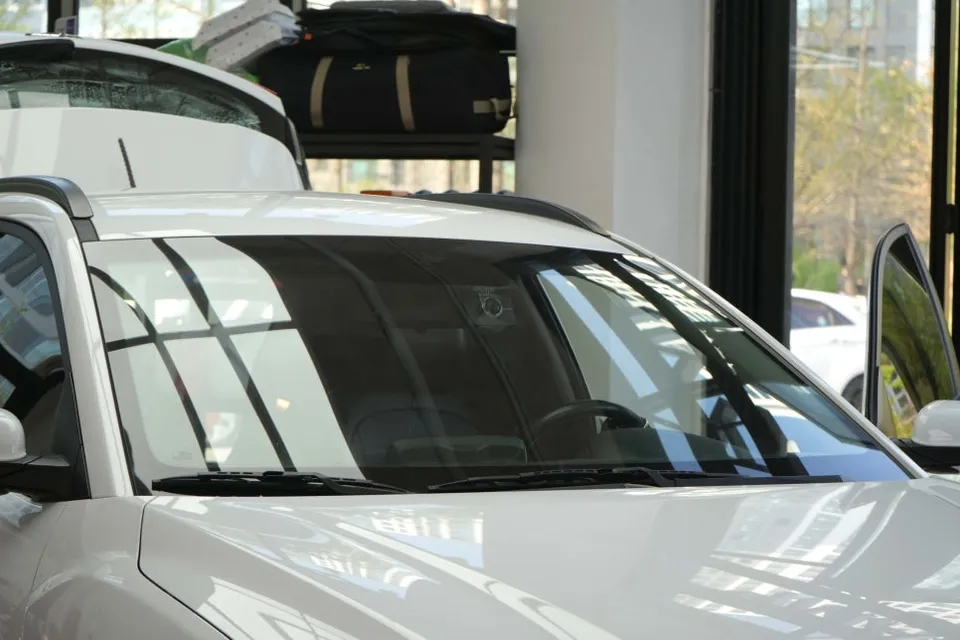
After

Process photos
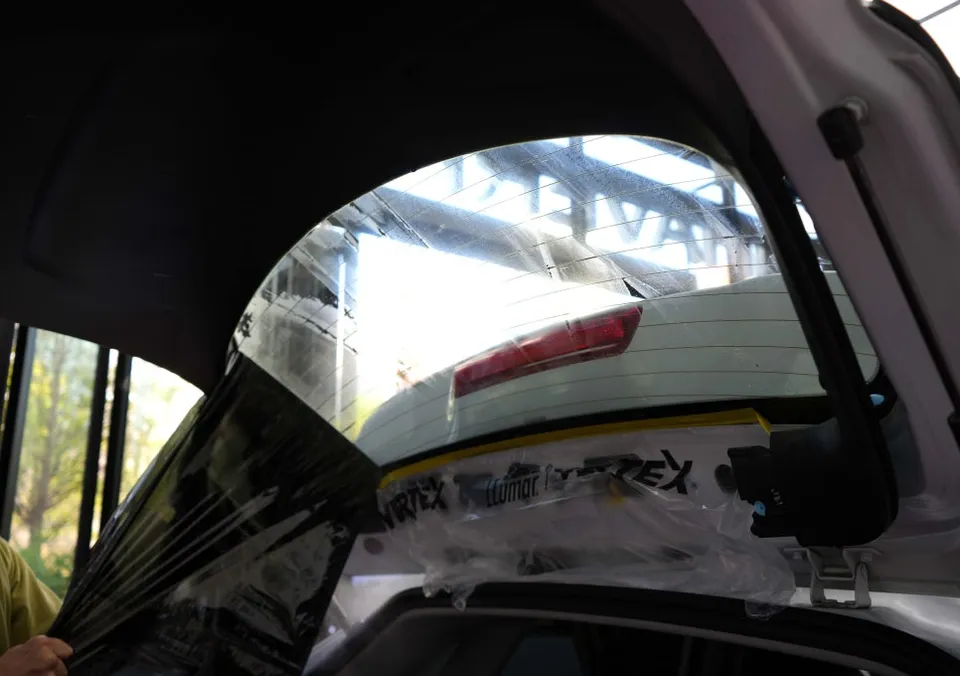
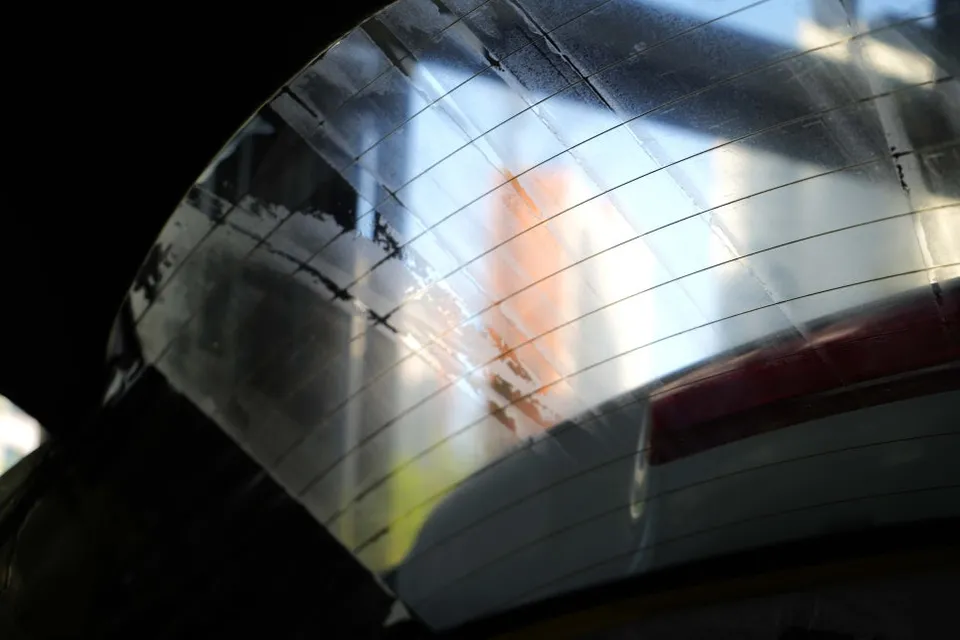
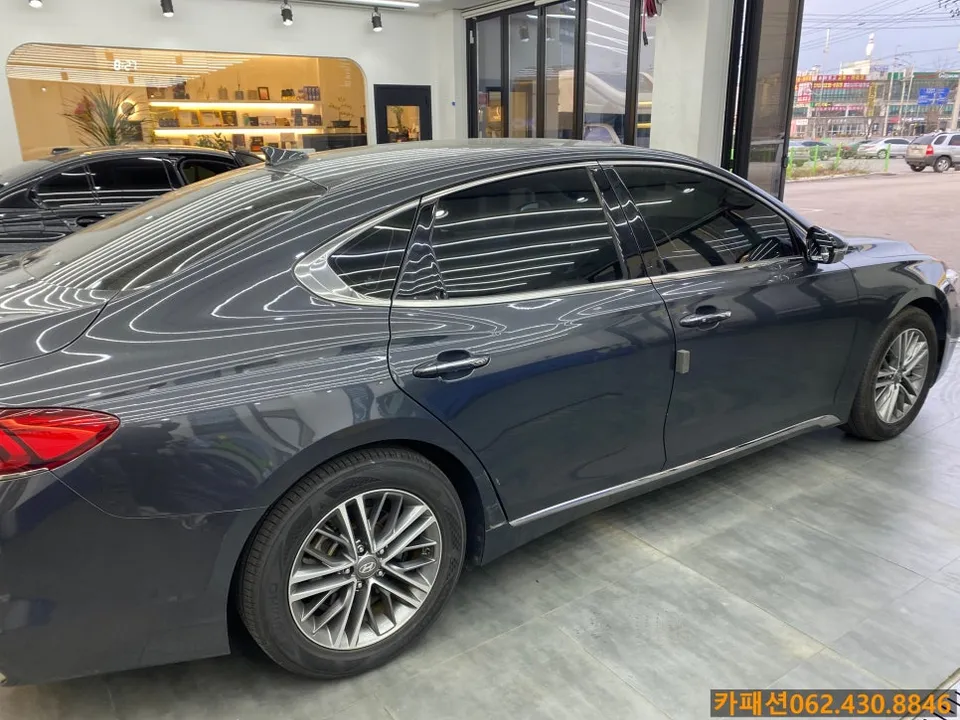
Hyundai Kona window tinting re-application: G-Vint RV80 installed. Achieved perfect privacy and heat rejection.
Hyundai Kona Window Tinting Re-application: A Smart Choice
Purchasing a used car often leads to immediate thoughts about upgrading the window tint. Whether the existing film's performance is lacking or the color isn't quite right, re-application is a common consideration. For a Hyundai Kona in Namyangju, a professional window tinting re-application is crucial, especially when removing old film. This review details a Hyundai Kona's transformation with G-Vint RV80 reflective window film, highlighting why expert service is essential.
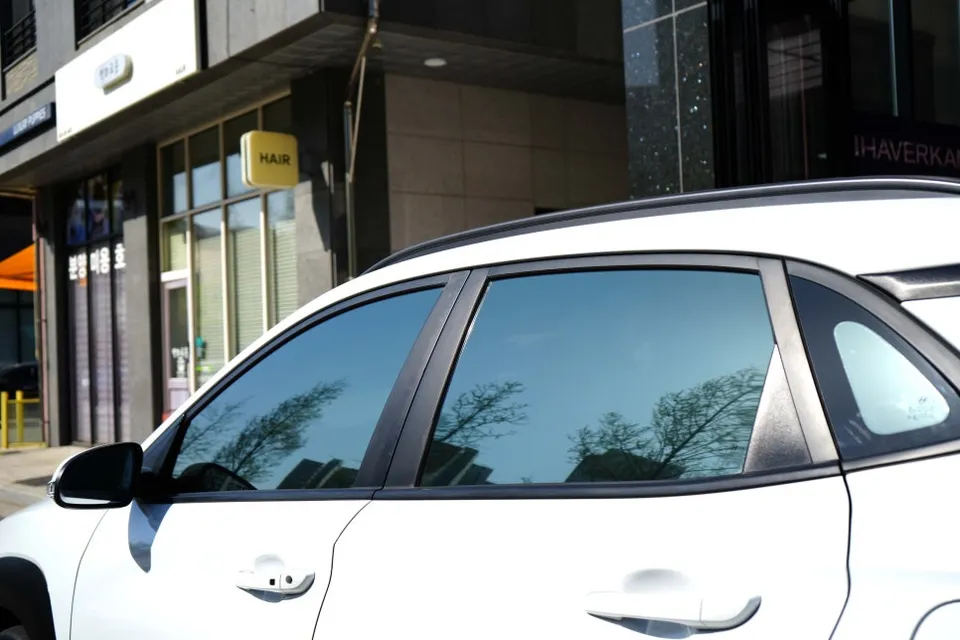
The Importance of Professional Window Film Removal and Installation
Replacing old window film with new is only half the battle; the meticulous removal of the existing film is equally critical. Improper removal can lead to damage to the defroster lines or leave behind stubborn adhesive residue. At our Namyangju location, we pride ourselves on a process that ensures a flawless finish, free from these common concerns. The key to a successful tint job lies in the preparation, especially when dealing with a used vehicle's existing tint.
The process for this Hyundai Kona involved removing the old window film and applying the G-Vint RV80 reflective tint. The front windshield was tinted to 30%, while the sides and rear were done at 10% for maximum privacy and heat rejection. This service was performed at our Namyangju branch and typically takes about 3-4 hours, depending on the difficulty of removing the previous film.
Installation Process:
- Expert Film Removal: Utilizing specialized tools and techniques, we carefully remove the old window film without damaging the glass or defroster lines. Stubborn adhesive is treated with dedicated chemicals and removed thoroughly.
- Surface Preparation: The glass is meticulously cleaned and de-greased to ensure a perfectly smooth surface, free from any dust or residue. This step is vital for optimal film adhesion.
- Precision Film Application: The new G-Vint RV80 film is precisely cut and applied to the glass, ensuring a seamless fit and eliminating air bubbles or imperfections.
- Edge Finishing (Shaving): The edges of the film are carefully trimmed to match the contours of the windows, creating a clean, factory-like finish.
The G-Vint RV80 film is a reflective type, offering excellent solar heat rejection. It comes with a 10-year warranty, providing peace of mind and long-term performance. This film is ideal for drivers seeking enhanced privacy, superior heat blocking capabilities, and a sleek, modern look for their vehicle. The choice of a reflective film like RV80 not only enhances the aesthetic but also significantly improves cabin comfort by reducing solar heat gain.
Frequently Asked Questions
Q. How much does window tinting cost for a Hyundai Kona?
The re-application for this Hyundai Kona using G-Vint RV80 was performed in Namyangju. Typical professional window tinting for a compact SUV like the Kona in the US can range from $200 to $500, depending on the film quality and number of windows.
Q. What tint percentage is legal for a Hyundai Kona?
Legality of tint percentages varies by state in the US; this review featured 30% on the front and 10% on the sides/rear. For optimal longevity, avoid using harsh chemical cleaners and opt for a mild soap and water solution with a soft cloth for cleaning.
Q. Is ceramic tint worth the extra cost for a Hyundai Kona?
Ceramic tint, like the G-Vint RV80 (a reflective film known for heat rejection), is highly beneficial for drivers prioritizing maximum heat blocking and UV protection. The value lies in significantly reduced cabin temperatures and protection against interior fading, making it a worthwhile investment for comfort and vehicle preservation.
Q. How is window tint installed on a Hyundai Kona?
Installation begins with meticulously removing any old film and adhesive residue. Next, the glass is thoroughly cleaned. Finally, the new window film is precisely cut, applied to the glass, and carefully smoothed to eliminate air bubbles, followed by trimming the edges for a clean finish.
Q. What is the difference between ceramic and dyed window tint for a Hyundai Kona?
Ceramic tint uses non-metallic particles to block heat and UV rays without interfering with electronics, offering superior heat rejection and durability compared to dyed tints. Dyed tints primarily offer privacy and some heat reduction but can fade over time; ceramic is recommended for performance.
OhCar Partner Shop
More window tinting Reviews
See all →

More Hyundai Reviews
Pair with Another Service
Protect paint while you're at the shop
Add gloss and protection