Hyundai Kona Window Tinting Review - Neksguard Medic70
Service Price
$approx. $400–800
Estimated price · Actual price may vary by shop
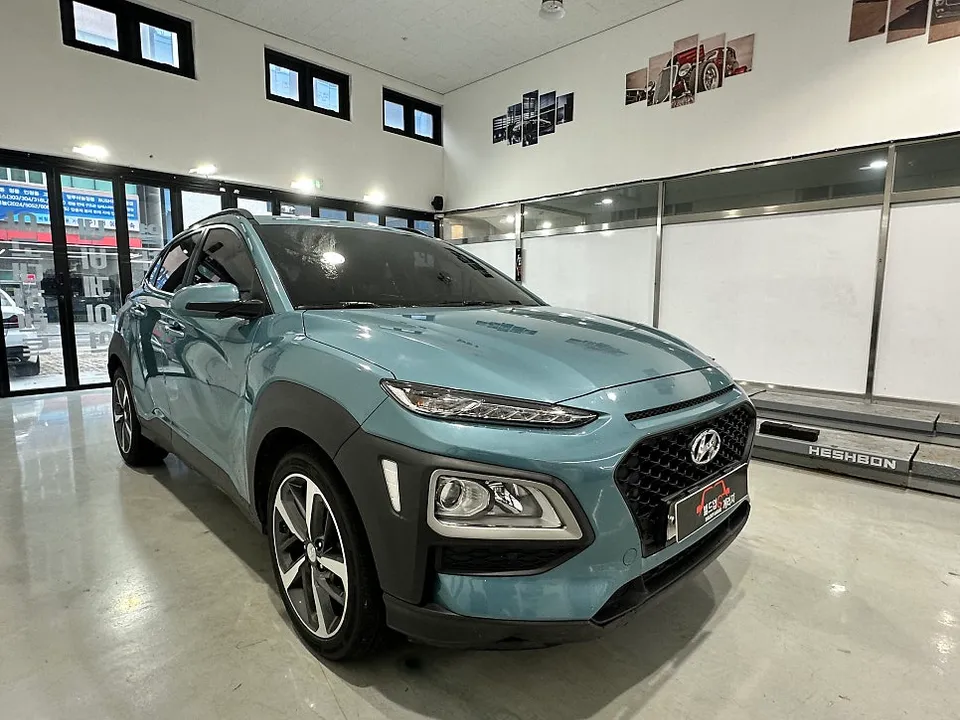
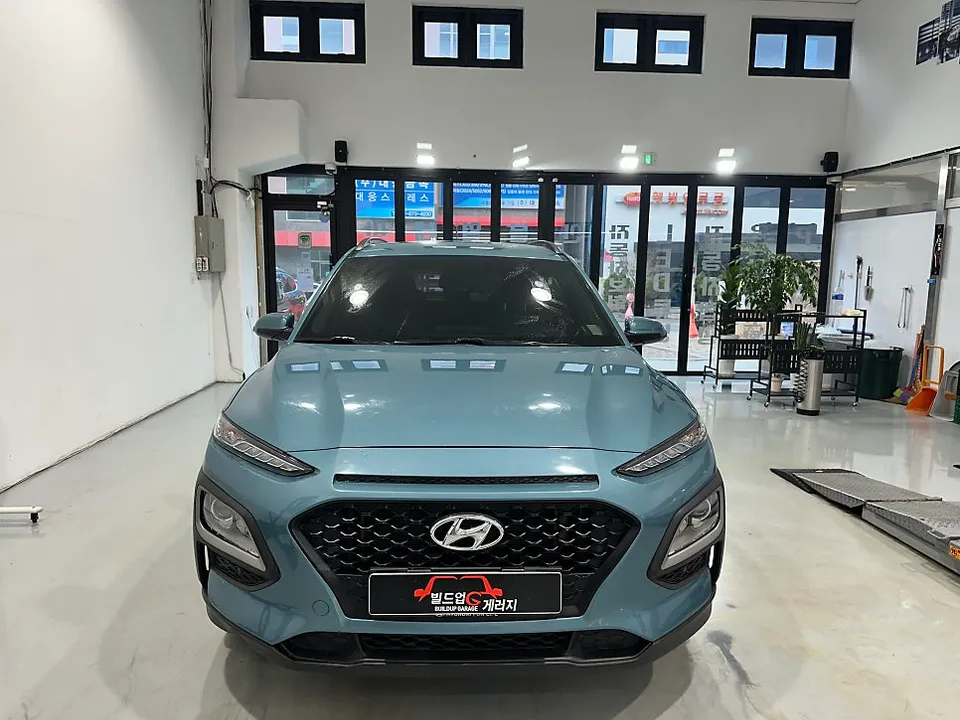
Hyundai Kona window tinting with Neksguard Medic70: Enhanced heat rejection and premium look. Get ready for summer!
Summer Ready: The Benefits of Reflective Window Tinting
As summer approaches, the intense heat can make your car's interior unbearable. Window tinting is more than just an aesthetic upgrade; it's crucial for blocking harsh sunlight, maintaining a comfortable cabin temperature, and improving air conditioning efficiency. If your current tint is losing its effectiveness or you're seeking enhanced heat protection for the summer, considering a re-tint is a wise decision. This review focuses on a Hyundai Kona that received a Neksguard Medic70 reflective film re-tint, highlighting the necessity and benefits of this service.
Reflective window films are increasingly popular for summer due to their exceptional heat rejection capabilities. They effectively reflect solar heat, preventing your car's interior from overheating. This not only enhances comfort but also reduces the strain on your AC system, potentially improving fuel economy. Beyond functionality, the reflective nature of these films minimizes glare and enhances privacy by making it difficult to see inside the vehicle from the outside. The Neksguard Medic70, in particular, offers a striking appearance that elevates the car's look while providing excellent UV protection for occupants' skin.
Hyundai Kona Reborn with Neksguard Medic70 Window Film
The Hyundai Kona featured in this review had its original window tinting faded and its performance diminished. To prepare for the upcoming summer, the owner opted for a re-tint, seeking a cost-effective reflective film with strong heat rejection properties. After consultation, the Neksguard Medic70 was recommended. This film is gaining popularity for its impressive heat rejection rate (stated as 70% in the original context, though this typically refers to Visible Light Transmission or Heat Rejection depending on the specific metric), attractive aesthetic, and competitive price point.
The Re-tinting Process: Precision and Care
The first step in any window tint re-application is the meticulous removal of the old film. Older tints often leave behind sticky adhesive residue that must be completely cleared. For high-quality installations, especially with reflective films, ensuring no debris or dust is trapped between the glass and the new film is paramount. Thorough cleaning of the glass after old film removal is essential for achieving a flawless finish.
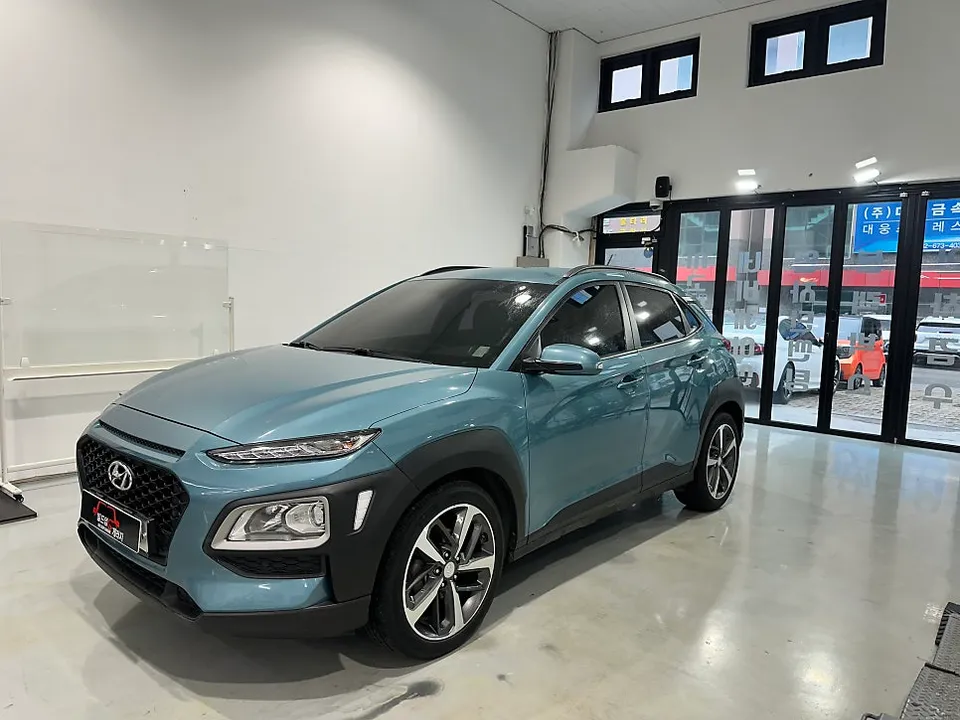
Neksguard Medic70 Installation Complete!
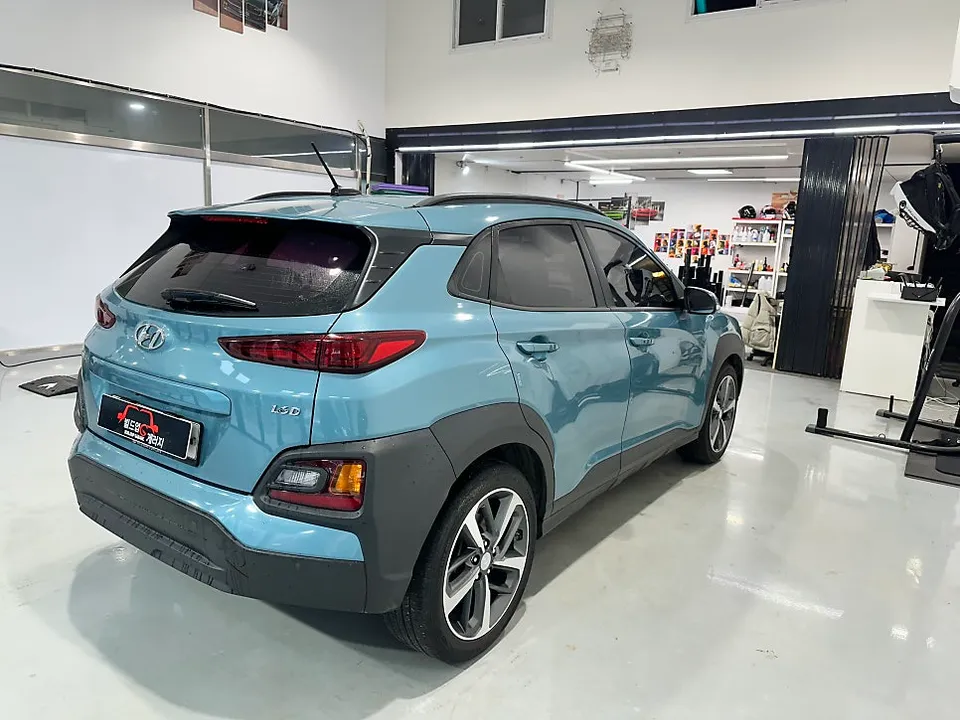
Following the careful removal of the old tint and thorough glass preparation, the Neksguard Medic70 film was expertly applied to the Hyundai Kona. The transformation is striking: the car now boasts a mirror-like finish, appearing significantly more premium and stylish. The distinctive reflective color of the Neksguard Medic70 enhances the vehicle's presence. Comparing the 'before' and 'after' photos clearly illustrates the dramatic improvement, with the car shedding its dated look for a fresh, almost new appearance.
Why Consider a Window Tint Re-application?
Over time, window tint films naturally degrade. The most noticeable effect is a decline in heat rejection, leading to a hotter cabin during sunny months. You might also observe bubbling or peeling, or the film's color may fade, detracting from the vehicle's appearance. In severe cases, degraded tint can impair visibility, especially at night. Re-tinting not only restores the aesthetic appeal but also reinstates the crucial protective functions of window film, ensuring a more comfortable and protected driving experience.
Frequently Asked Questions
Q. How much does window tinting cost for a Hyundai Kona?
The Neksguard Medic70 re-tint for this Hyundai Kona was performed at a cost of 400,000 Korean Won. In the US, professional window tinting for a compact SUV like the Kona typically ranges from $200 to $500, depending on the film type and number of windows.
Q. What tint percentage is legal for a Hyundai Kona?
Legal tint percentages vary by state in the US; typically, front windshields have restrictions, and front side windows are often limited to 70% VLT (Visible Light Transmission). Always check your local regulations. For rear windows, darker tints are usually permissible.
Q. Is ceramic tint worth the extra cost for a Hyundai Kona?
Ceramic tint is worth the extra cost if maximum heat rejection and UV protection without compromising visibility are your top priorities. While often more expensive than dyed or metallic tints, ceramic films offer superior performance and durability, making them a valuable long-term investment for comfort.
Q. How is window tint installed on a Hyundai Kona?
1. The old tint is carefully removed, and the glass is thoroughly cleaned to remove all adhesive residue. 2. The new window film is cut to size and applied to the interior of the glass using a squeegee to remove air bubbles and ensure a smooth, even finish. 3. The film is allowed to cure, typically for a few days, during which time windows should not be rolled down.
Q. What is the difference between ceramic and dyed window tint for a Hyundai Kona?
Dyed window tint primarily uses dye to darken the glass and absorb heat, offering basic UV protection and privacy but can fade over time. Ceramic window tint uses non-metallic ceramic particles to block heat and UV rays effectively without significantly darkening the glass, offering superior heat rejection and durability.
OhCar Partner Shop
More window tinting Reviews
See all →
More Hyundai Reviews
Pair with Another Service
Protect paint while you're at the shop
Add gloss and protection