Hyundai Palisade Body Repair & Painting Review — Cost & Results
Service Price
$under approx. $400
Estimated price · Actual price may vary by shop
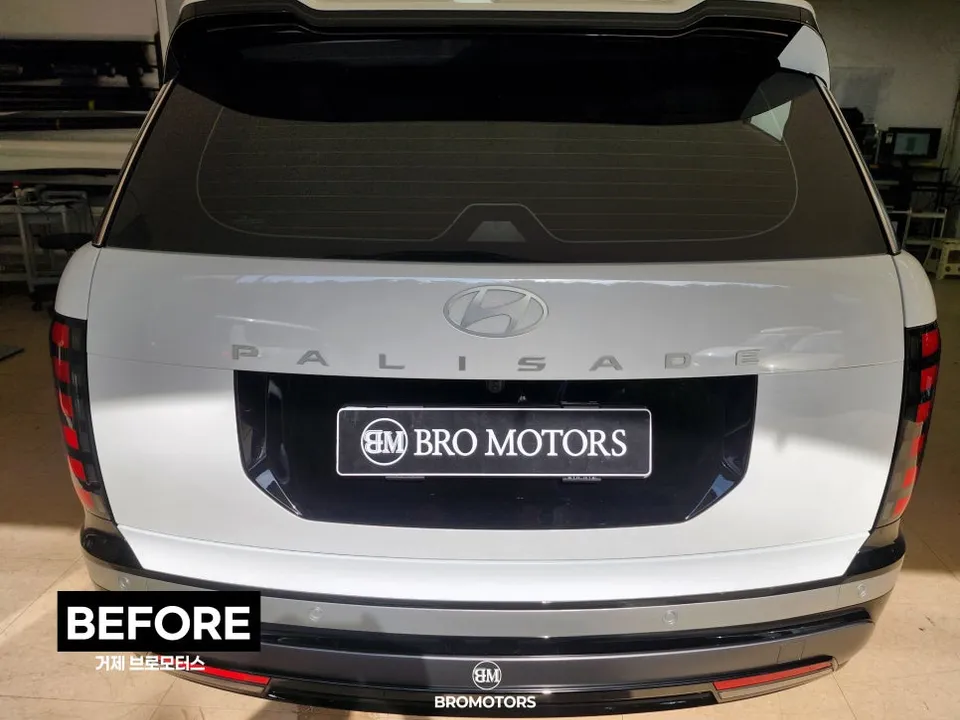
Before
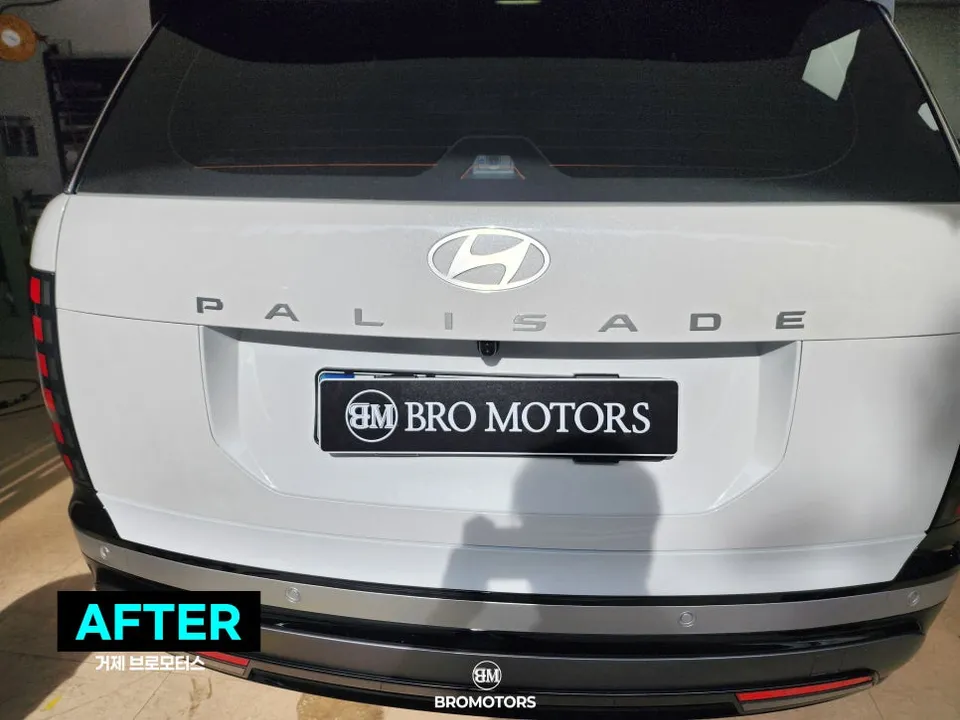
After
Process photos
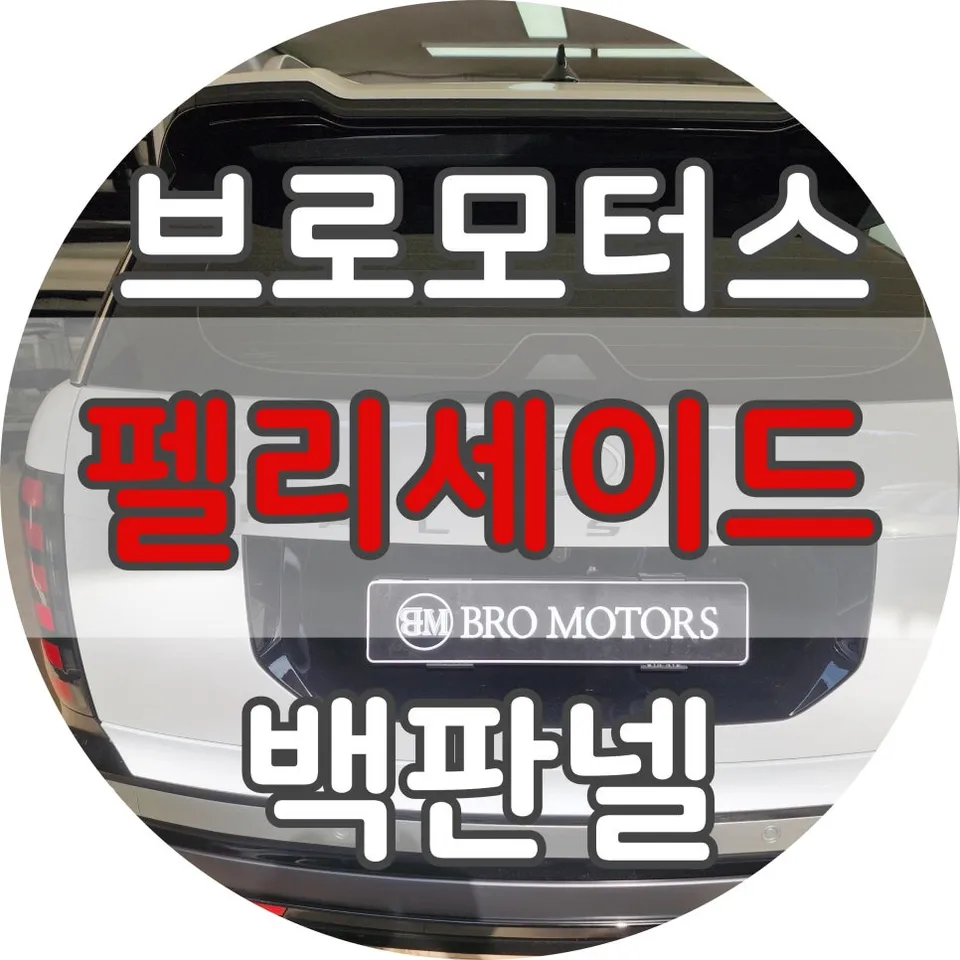
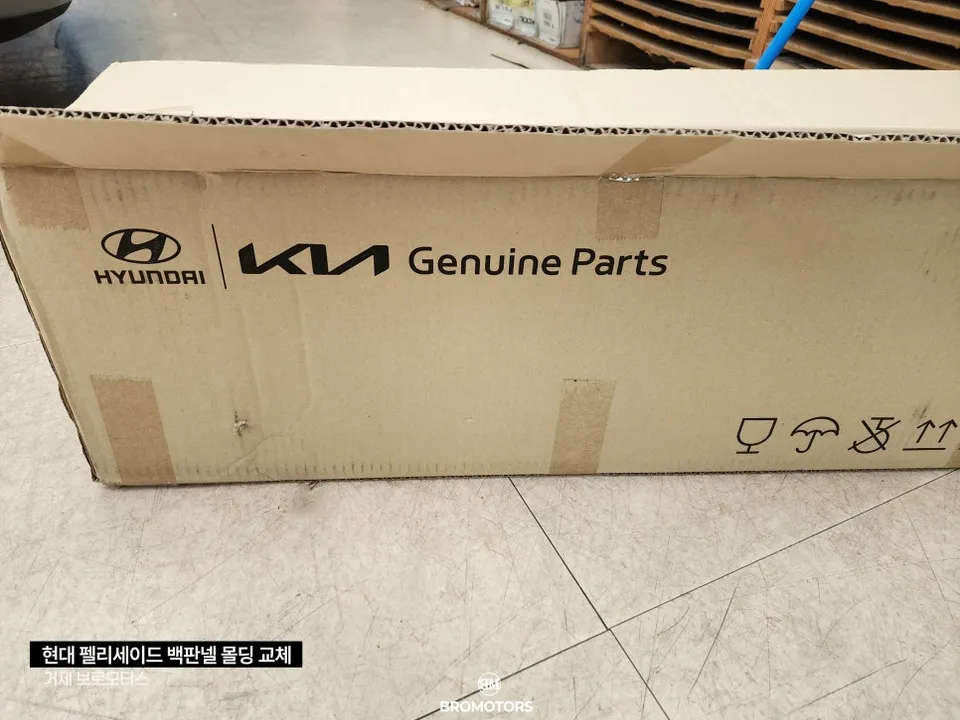
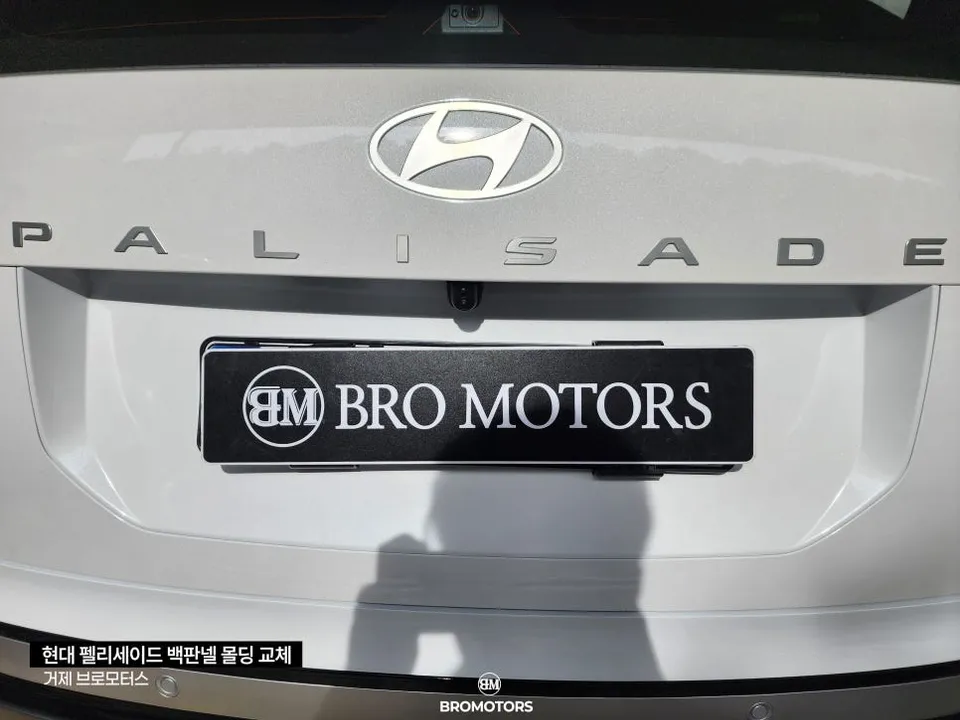
Hyundai Palisade rear panel replacement fixes design flaws. Costs ₩200,000-₩400,000. Results in a cohesive, integrated look.
Upgrade Your Hyundai Palisade's Rear Aesthetics
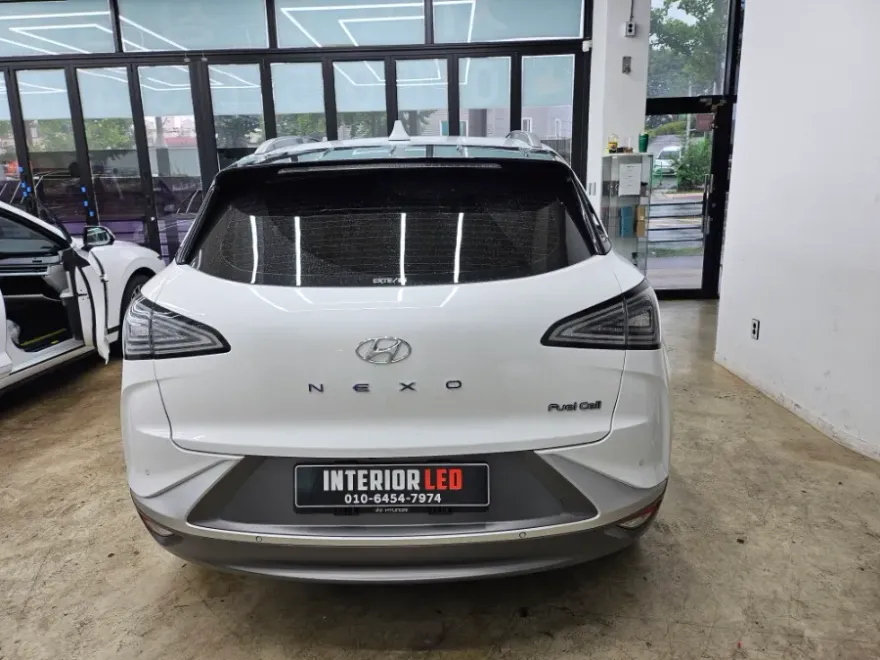
Many Hyundai Palisade owners find the design of the rear license plate panel, often black, to be a point of contention, especially on white vehicles. This contrast can make the panel stand out awkwardly, detracting from the overall cohesive look of the SUV. This review explores the process, cost, and benefits of replacing this panel with one that matches the vehicle's body color, offering a more integrated and refined appearance. While wrapping is an option, a full replacement provides a more permanent and seamless solution.
Cost and Installation of the Palisade Panel Replacement
The cost for replacing the Hyundai Palisade's rear license plate panel with a body-color matched unit typically ranges from ₩200,000 to ₩400,000 in South Korea. This price generally includes the cost of a genuine (OEM) part and the labor for installation and painting if necessary. The exact price can vary based on the specific color of your Palisade, the chosen part (OEM vs. aftermarket), and the service center's pricing. The installation process itself is relatively quick, usually taking around 2 to 3 hours, allowing for same-day completion. It's always best to get a precise quote after a visual inspection of your vehicle.
The Installation Process and Why It Matters
Replacing the rear panel on a Hyundai Palisade requires careful handling due to the numerous clips and potential for damage to surrounding components. Improper removal can lead to broken clips, misaligned panels, or even damage to the vehicle's body, resulting in additional repair costs. Therefore, it's crucial to have this service performed by experienced professionals who understand the intricacies of the Palisade's design.
How it works:
- Careful removal of the existing rear license plate panel, paying close attention to the numerous retaining clips.
- Preparation and, if necessary, painting of the new panel to perfectly match the vehicle's body color.
- Secure installation of the new, color-matched panel, ensuring a flush and seamless fit.
- Final inspection to confirm proper alignment and finish.
The result is a significantly improved aesthetic, with the rear of the Palisade appearing more unified and premium. This upgrade addresses a common design critique and enhances the overall visual appeal of the vehicle.
Frequently Asked Questions
Q. How much does auto body repair cost for a Hyundai Palisade?
Replacing the rear panel on a Hyundai Palisade costs approximately ₩200,000 to ₩400,000 in Korea. In the US, similar body panel repairs can range from $300 to $800 depending on the complexity.
Q. How long does auto body repair take for a Hyundai Palisade?
This specific panel replacement typically takes 2-3 hours for installation. The replaced panel is designed for durability and requires no special maintenance beyond regular vehicle cleaning.
Q. Is auto body repair covered by insurance for a Hyundai Palisade?
This type of cosmetic panel replacement is generally not covered by insurance unless it's part of a larger accident claim. It offers a significant aesthetic upgrade for owners dissatisfied with the original design.
Q. How is auto body repair done on a Hyundai Palisade?
The process involves carefully removing the original rear license plate panel, which has many clips. A new panel, painted to match the vehicle's body color, is then precisely installed to ensure a seamless fit.
Q. What is the difference between PDR and conventional body repair for a Hyundai Palisade?
Paintless Dent Repair (PDR) removes minor dents without affecting the paint, while conventional body repair involves filling, sanding, and repainting. For this specific panel replacement, conventional methods are used to ensure a perfect color match and finish.
OhCar Partner Shop