Hyundai Elantra AD Seat Climate Upgrade Review
Service Price
Est. $400–800
Estimated price · Actual price may vary by shop
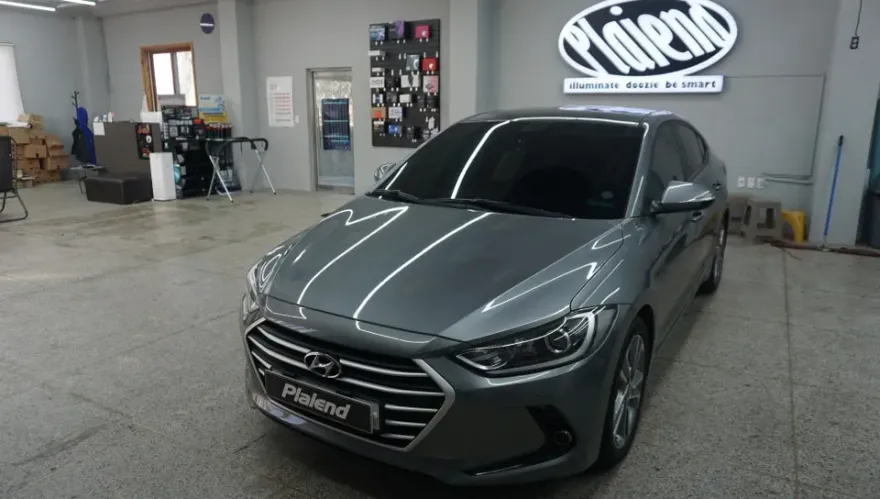
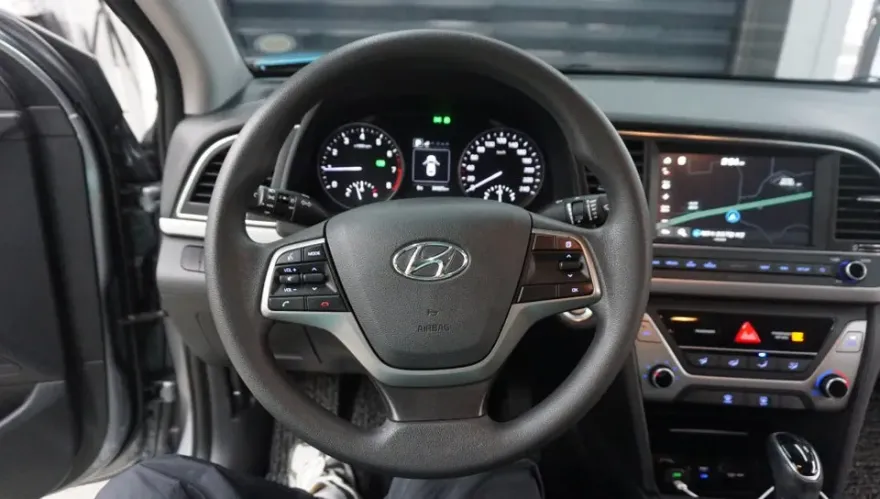
Hyundai Elantra AD Seat Ventilation & Heating retrofit: Approx. $400-$800. Enjoy year-round comfort with enhanced cooling and warmth.
Upgrade Your Drive: Seat Ventilation & Heating for the Hyundai Elantra AD
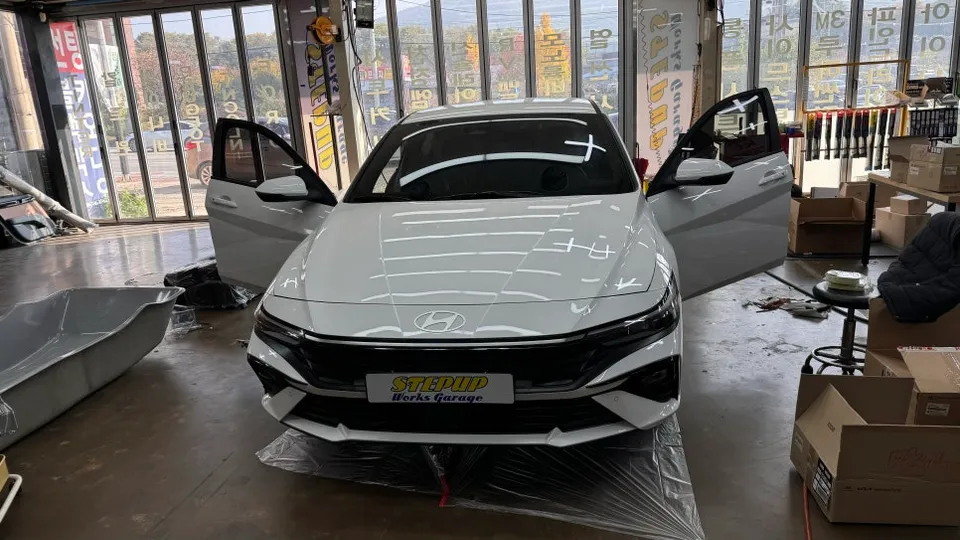
Considering an upgrade for your Hyundai Elantra AD? Adding genuine ventilated and heated seats is a significant enhancement, offering both cooling relief in the summer and warmth in the winter. This review explores the installation process, the tangible before-and-after results, and whether this seat climate upgrade is a worthwhile investment for your vehicle. While this specific installation was performed in Korea, the principles and benefits apply universally to Elantra AD owners seeking enhanced driving comfort.
Why Add Seat Ventilation and Heating?
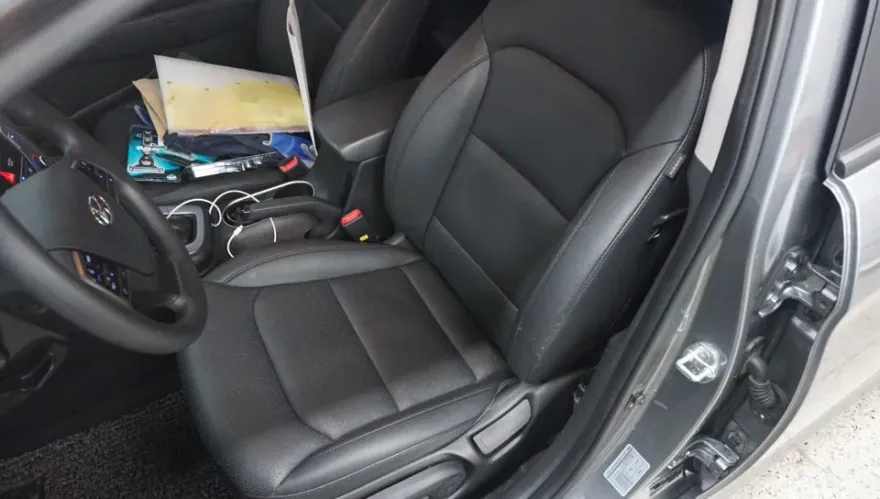
The discomfort of a sticky, sweat-soaked seat on a hot day or numb fingers on a frigid steering wheel is a common driving annoyance. Ventilated seats combat summer heat by circulating cool air, preventing perspiration and keeping you comfortable. Heated seats, often paired with heated steering wheels, quickly warm your hands and body during cold winter months. For many Hyundai and Kia models, including the Elantra AD, the seat upholstery may already feature perforations, allowing for the installation of genuine ventilation systems without needing to replace the entire seat. This retains the original look and feel while adding significant functionality. If your seats lack perforations, a seat cover replacement might be necessary, potentially increasing the cost.
Seat Ventilation & Heating Installation Process
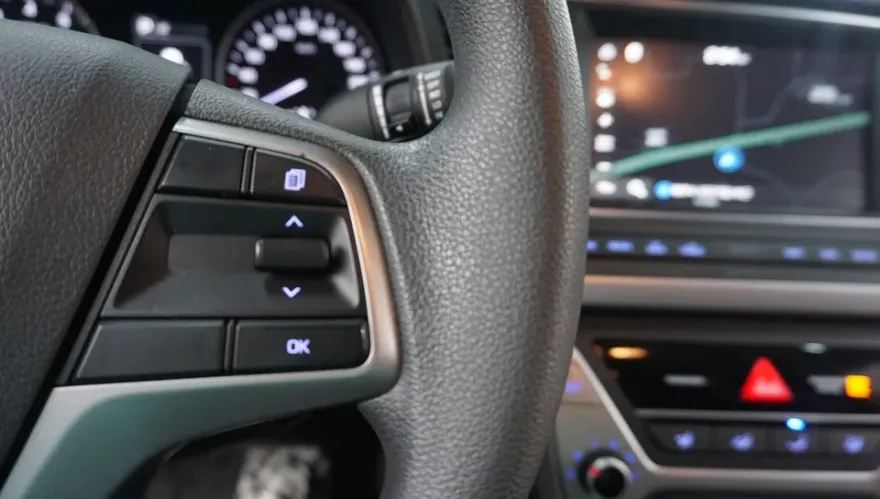
The installation of genuine ventilated and heated seats, along with a heated steering wheel, involves several key steps. For this Hyundai Elantra AD, the process included upgrading the steering wheel from a urethane to a leather-wrapped version with integrated cruise control buttons, and installing the seat climate control components. The entire process typically takes between 3 to 5 hours, depending on the specific vehicle configuration and chosen components. Genuine Hyundai Mobis parts are used to ensure seamless integration and quality.
- Component Preparation: Genuine ventilated seat modules, heating elements, and steering wheel components are gathered. For steering wheel upgrades, a new leather-wrapped wheel with integrated controls is prepared.
- Disassembly: The existing steering wheel and seat components are carefully removed to access the necessary wiring and mounting points.
- Installation of Climate Components: Blowers and ventilation pathways are installed within the seat structure. For heated steering wheels, the heating element is integrated into the wheel assembly.
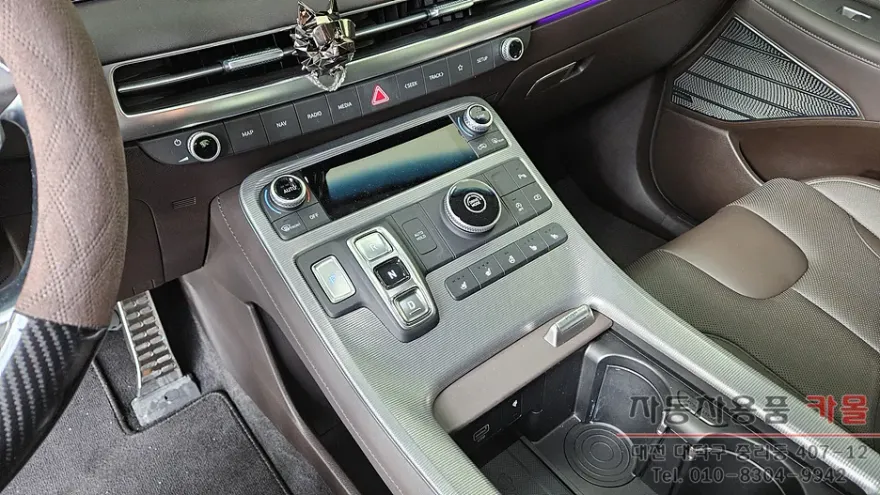
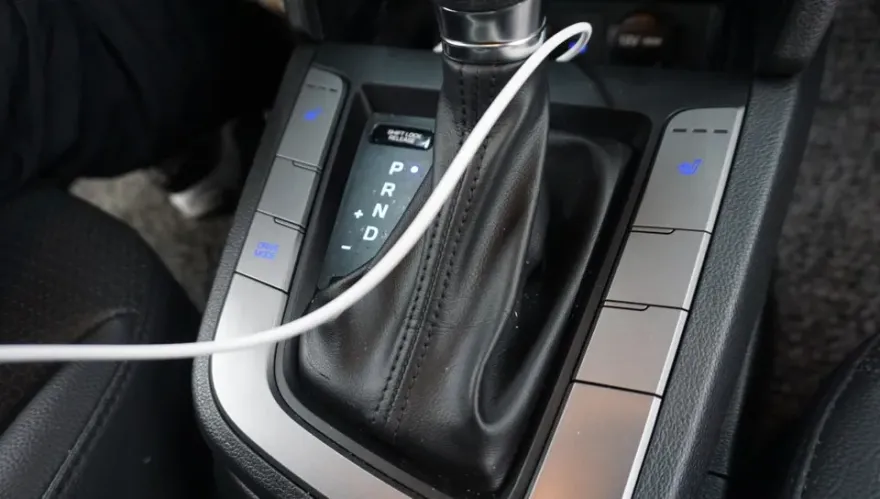
- Switch and Wiring Integration: Original switchgear for ventilation and heating is installed in the center console, and all wiring is meticulously connected and managed for a clean, factory-like finish.
- Reassembly: The vehicle is carefully reassembled, ensuring all panels and components are correctly fitted.
Before & After: Tangible Improvements
The most noticeable change after installation is the immediate comfort provided by the new climate features. The heated steering wheel warms up quickly, banishing cold hands during winter drives and enhancing grip with its new leather texture. The cruise control buttons on the upgraded wheel also add convenience for highway driving. The ventilated seats, while visually similar to the original seats, deliver a stream of cool air, making summer commutes significantly more pleasant. Both the ventilation and heating functions typically offer multiple intensity levels (often three), allowing you to customize your comfort. The addition of these features significantly boosts the overall driving experience and perceived value of the Elantra AD.

Cost, Durability, and Considerations
In Korea, the cost for installing genuine ventilated and heated seats, along with a heated steering wheel, typically ranges from approximately 300,000 to 600,000 KRW (roughly $250-$500 USD, though exchange rates vary). The final price depends on your vehicle's current options, the specific components chosen (e.g., driver-only vs. both front seats ventilated), and the installer's labor rates. Genuine parts usually come with a manufacturer's warranty, and reputable installers offer guarantees on their workmanship. With proper care, these systems are designed for long-term durability, mirroring the lifespan of factory-installed options. Maintenance is minimal, usually involving keeping seat covers clean and ensuring vents are free of debris. It's crucial to book installations in advance, as genuine parts may require a week to procure, ensuring both availability and meticulous installation.
Frequently Asked Questions
Q. How much does ventilated seat installation cost for a Hyundai Elantra AD?
The cost for Seat Ventilation & Heating installation on a Hyundai Elantra AD typically ranges from 300,000 to 600,000 KRW (approx. $250-$500 USD) in Korea. In the US, expect prices to be around $400-$800 depending on the installer and specific components.
Q. How long does seat ventilation installation take on a Hyundai Elantra AD?
Seat ventilation and heating installation typically takes between 3 to 5 hours to complete. Proper maintenance involves keeping the seat upholstery clean and ensuring ventilation ports remain unobstructed.
Q. Are aftermarket ventilated seats worth it for a Hyundai Elantra AD?
Yes, adding genuine ventilated and heated seats is highly recommended for Elantra AD owners who frequently experience discomfort from heat or cold. It significantly enhances driving comfort and vehicle value for a reasonable investment.
Q. How are ventilated seats installed in a Hyundai Elantra AD?
Installation involves carefully removing seat components, integrating blower fans and ventilation channels within the seat structure, connecting wiring to the vehicle's electrical system, and installing new control switches. The process concludes with reassembling the seat and vehicle interior.
Q. What is the difference between OEM and aftermarket ventilated seats for a Hyundai Elantra AD?
Using genuine OEM (Original Equipment Manufacturer) parts ensures perfect compatibility, factory-like performance, and maintains the vehicle's aesthetic integrity. Aftermarket options may vary in quality and integration, making OEM the preferred choice for reliability and seamless function.
Q. What should I know before getting Seat Ventilation & Heating on a Hyundai Elantra AD? (common regrets and mistakes)
The most common regret is not installing it sooner, especially for those living in extreme climates. To avoid issues, ensure you use genuine parts and a reputable installer who can properly integrate the system for optimal performance and durability.
OhCar Partner Shop