Hyundai Palisade Vinyl Wrap Review — Sleek Chrome Delete Transfor
Service Price
$150+
Estimated price · Actual price may vary by shop

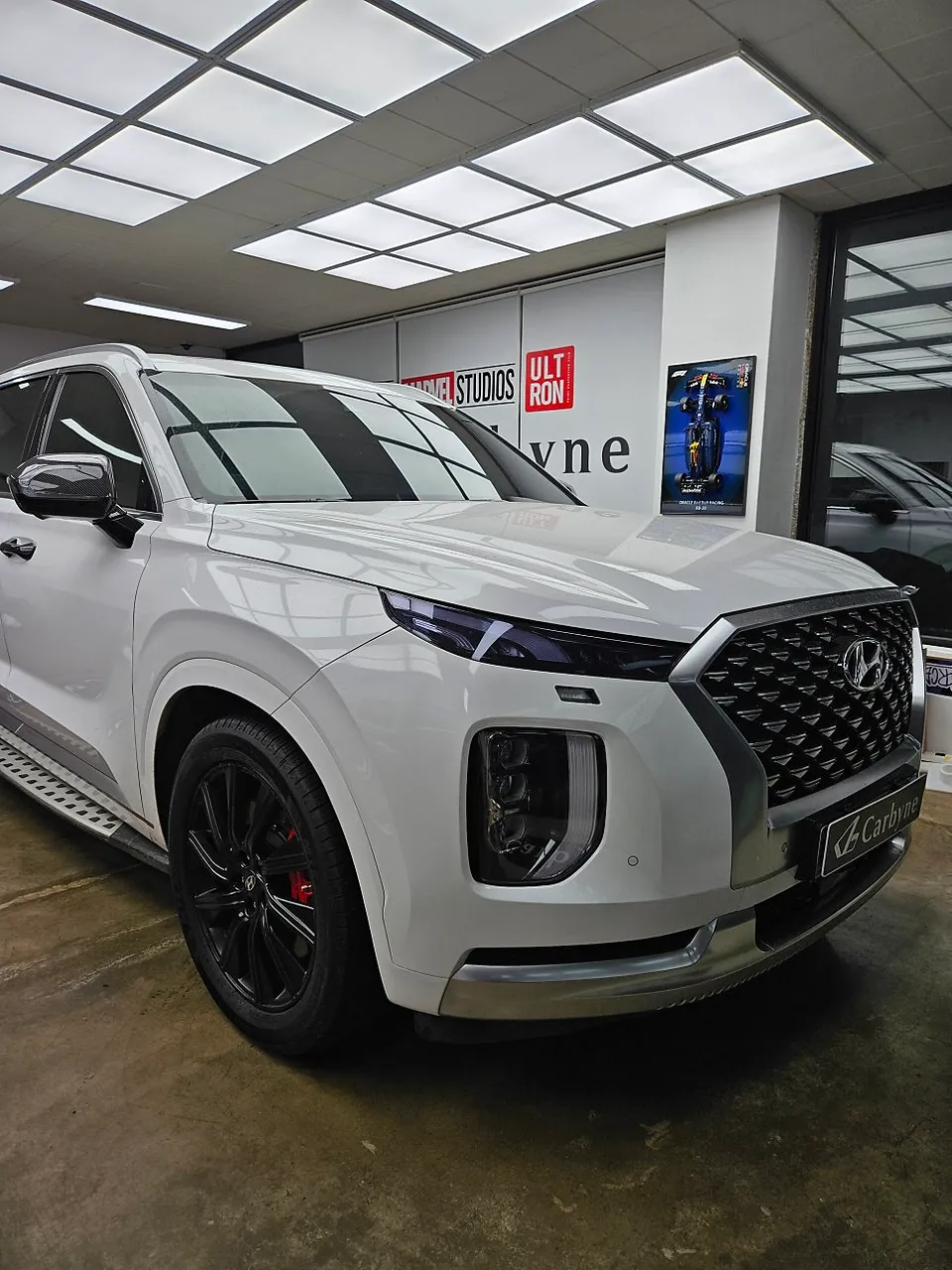
Transforming the Hyundai Palisade with a Chrome Delete Vinyl Wrap
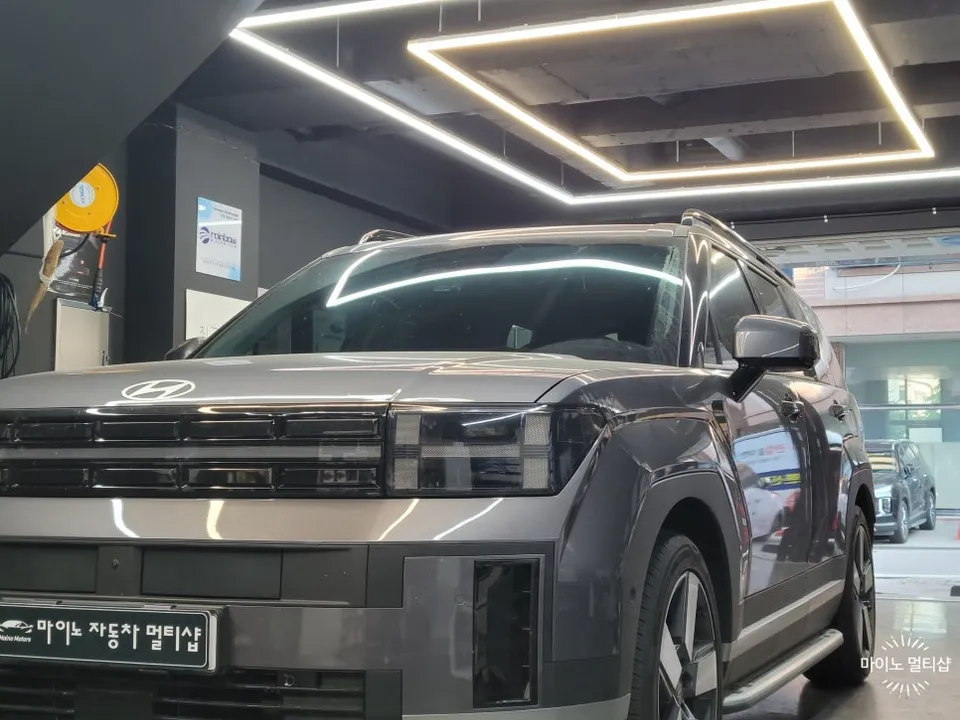
The Hyundai Palisade is a popular SUV, and owners often look for ways to personalize its appearance. One of the most impactful modifications is a chrome delete vinyl wrap. This process replaces the shiny, often polarizing chrome accents on the vehicle with a sleek, uniform finish, dramatically altering the car's overall aesthetic. We'll walk through the detailed process of transforming a Palisade's chrome parts into a sophisticated matte black, creating a cohesive and premium look. This type of car wrap service is a favorite for those seeking a subtle yet significant upgrade.
Why Choose a Chrome Delete Wrap?
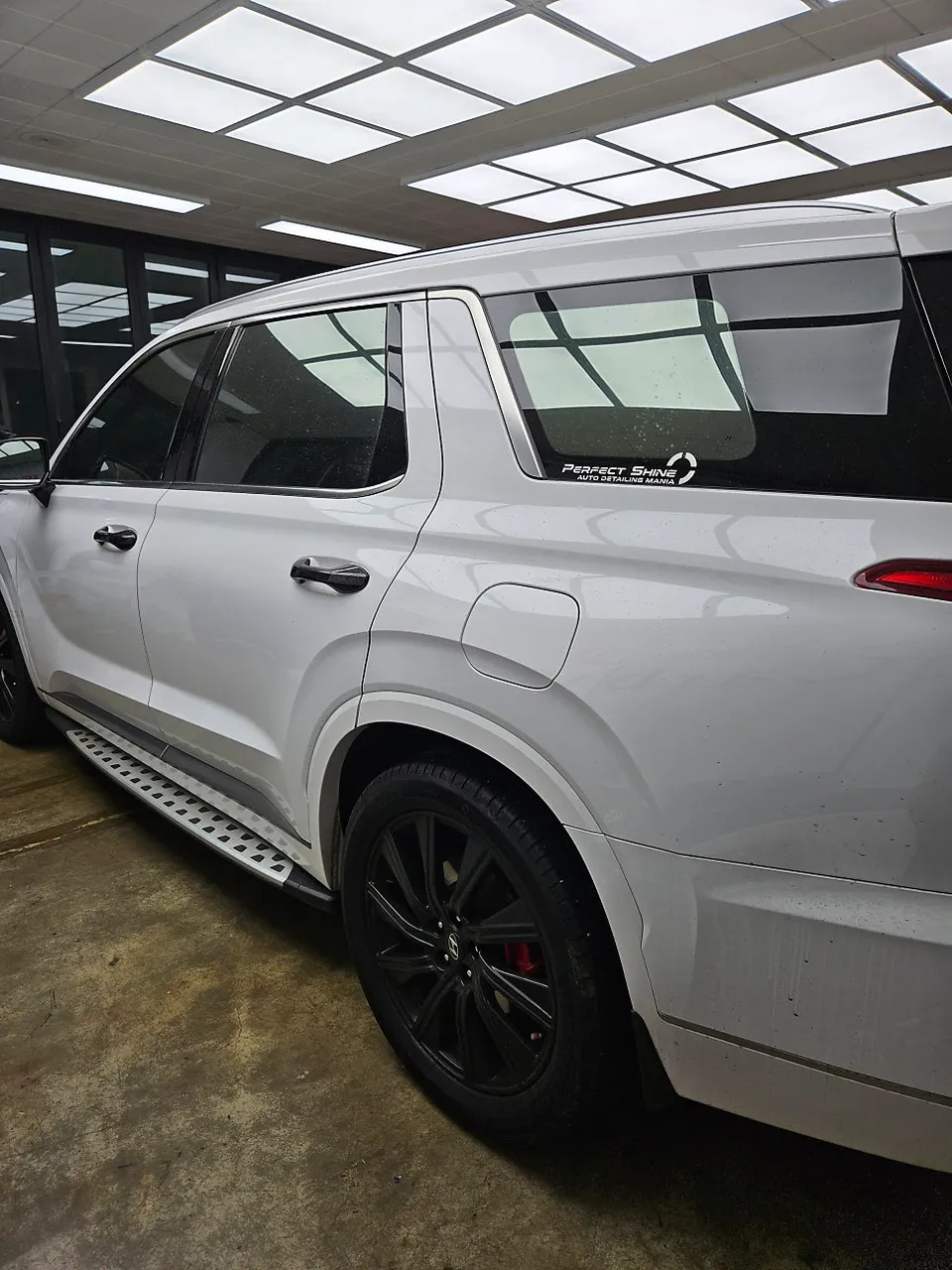
Many Palisade owners wonder if changing the chrome trim to black will truly make a difference. The answer is a resounding yes. The visual impact is substantial. Even if other parts of the vehicle, like the grille or mirror caps, have already been blacked out, lingering chrome elements can disrupt the desired cohesive look. Removing these final chrome pieces provides a unified, more luxurious appearance. A significant advantage of this vinyl wrap technique is that it's entirely reversible, allowing owners to restore the original chrome finish if desired.
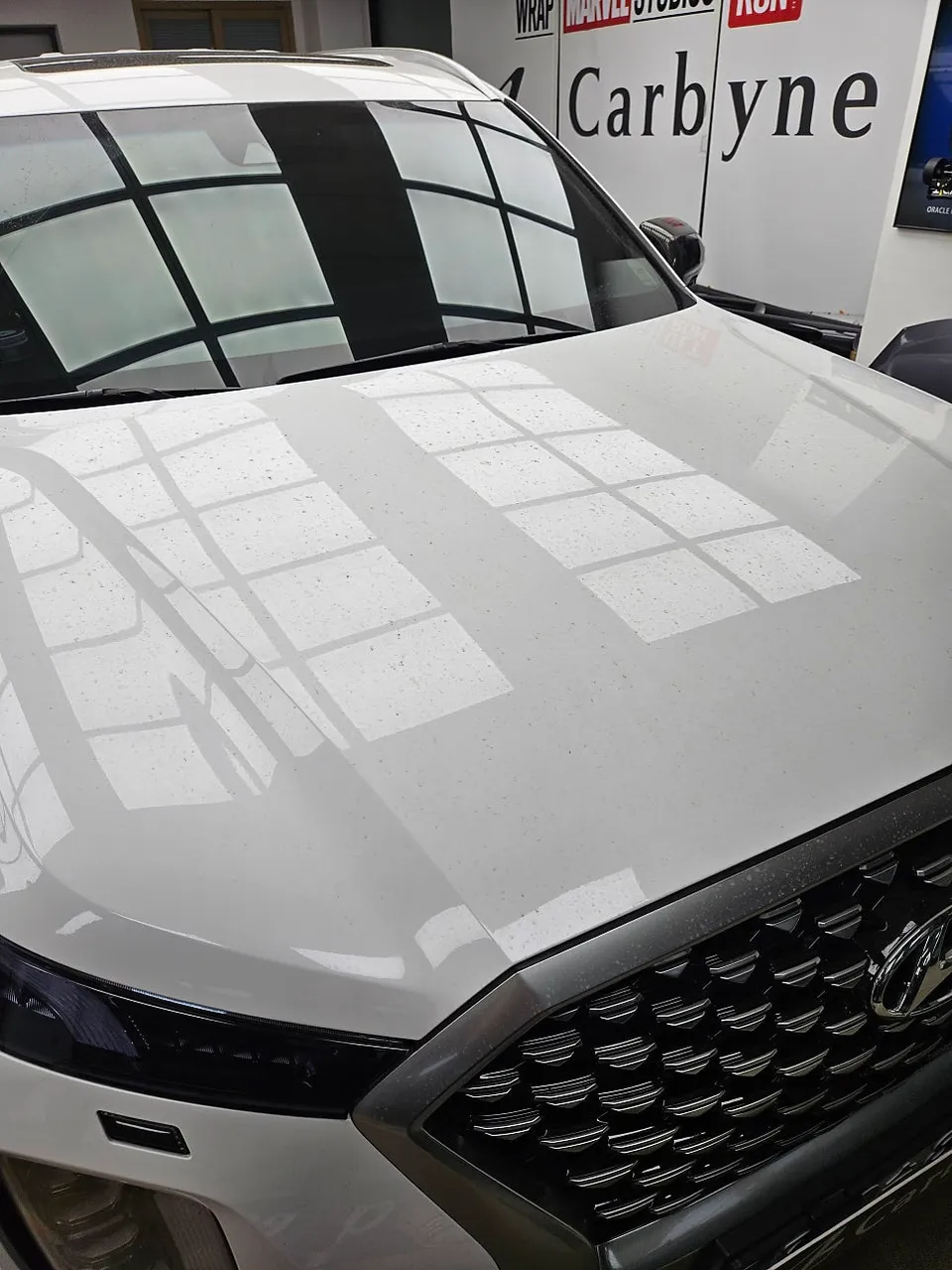
Selecting the Right Film for a Seamless Finish
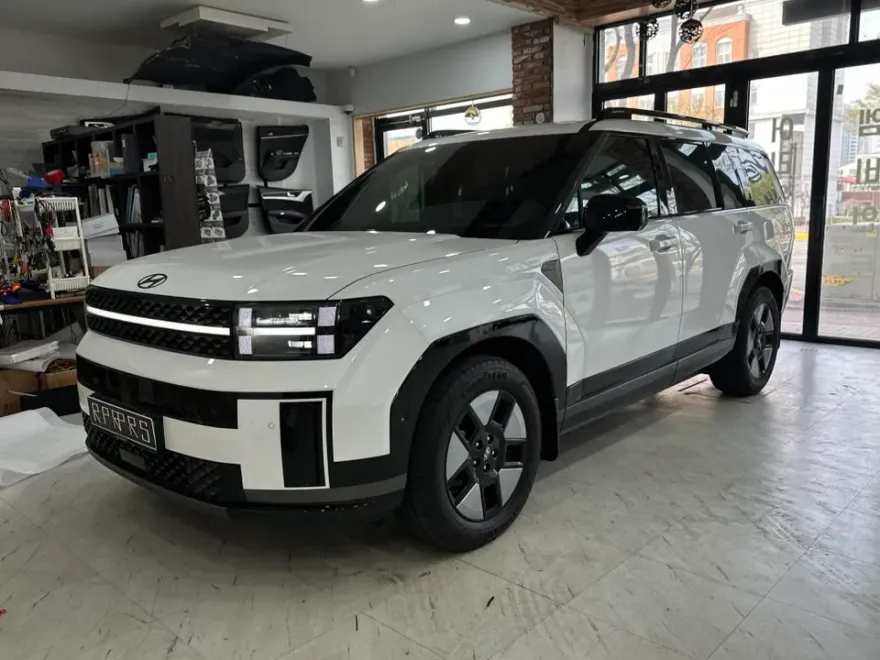
While many vinyl wrap shops opt for gloss black film for chrome delete jobs, the choice of film's finish is crucial for achieving a natural integration with the vehicle's existing design. The Hyundai Palisade, for instance, features B-pillars (the pillars between the doors) often made of high-gloss black material. If the new wrap film's gloss level doesn't match this existing finish, the result can appear disjointed, as if only one part was modified. To ensure the car looks as if it came from the factory with this finish, careful consideration of the film's sheen is essential during the selection phase. In this particular Palisade project, the existing partial PPF on the hood's center was removed entirely. The entire hood was then re-wrapped with a new matte PPF. This attention to consistency in both color and finish is what elevates the final result of a car wrap.
The Vinyl Wrap Installation Process:
- Thorough Cleaning: Unlike wrapping large, flat surfaces, chrome delete involves intricate, curved parts. Meticulous cleaning is paramount. Any remaining dirt or residue can lead to lifting or air bubbles under the vinyl. Professional cleaning solutions and sponges are used, followed by a microfiber cloth, to create an ideal surface for adhesion.
- Precise Film Application: The vinyl film is carefully applied to the cleaned surface. This stage requires skill to ensure the film conforms perfectly to the complex contours of the chrome trim.
- Heat Treatment for Durability: Chrome delete vinyl is often rigid. To make it conform to curves without stretching or future lifting, it needs heat. Applying heat (typically between 60-80 degrees Celsius using a heat gun or hairdryer) makes the vinyl pliable, allowing it to stretch and adhere smoothly to the contours. This process prevents shrinkage and ensures a long-lasting bond. Care must be taken not to overheat the film, which could cause damage or deformation.
- Trimming and Finishing: Excess vinyl is precisely trimmed, and edges are tucked in for a clean, factory-like finish.
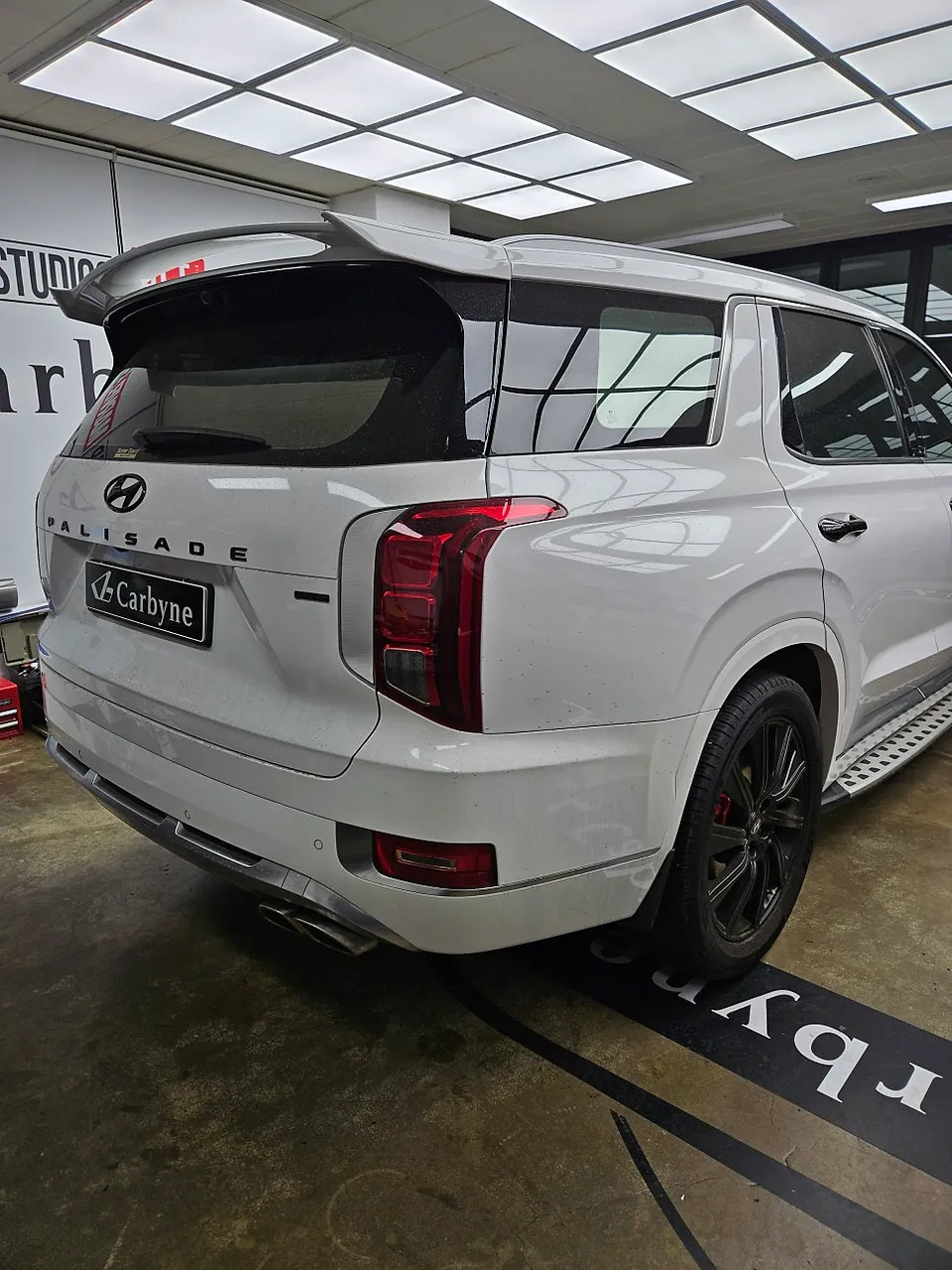
The result of this detailed car wrap process is a dramatically refined Hyundai Palisade. The previously bright chrome accents are now replaced with a uniform, sophisticated black finish that complements the vehicle's lines, creating a more aggressive and premium presence on the road. This vinyl wrap not only enhances the vehicle's aesthetics but also protects the original trim underneath.
OhCar Partner Shop
More vinyl wrap Reviews
See all →


More Hyundai Reviews
Pair with Another Service
PPF edges before wrapping for durability
Coat over wrap for easier cleaning