Hyundai Palisade Window Tinting Review: Anigard AP80R Re-applicat
Service Price
$115–150
Estimated price · Actual price may vary by shop

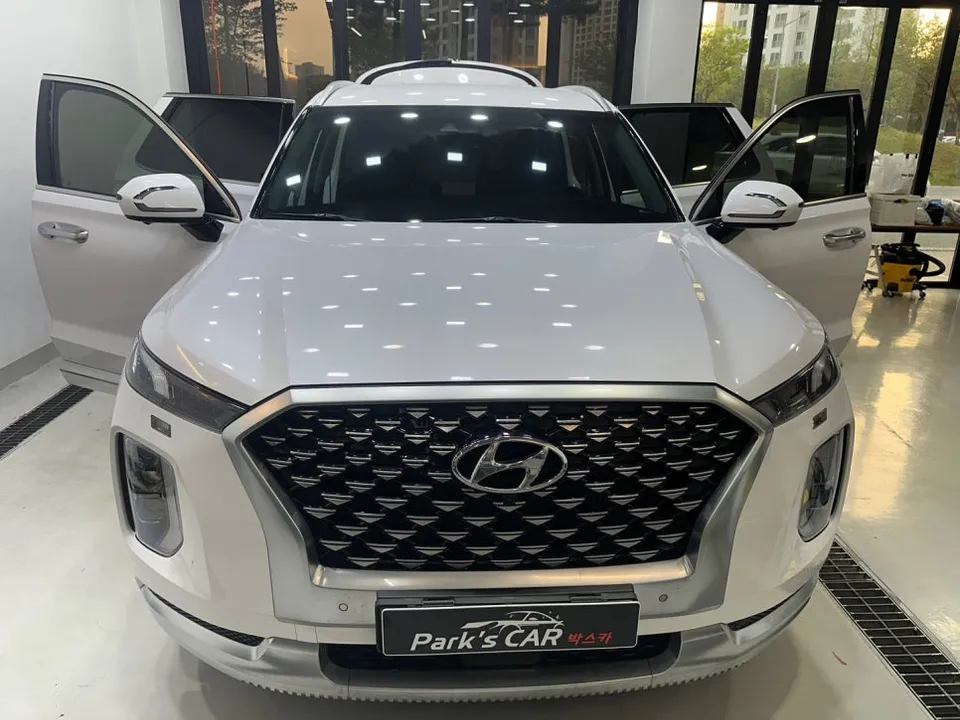
Hyundai Palisade window tinting with Anigard AP80R: ₩1.2M-₩1.5M. Re-application for improved heat rejection and clarity.
Hyundai Palisade Window Tinting: Why Re-application Matters
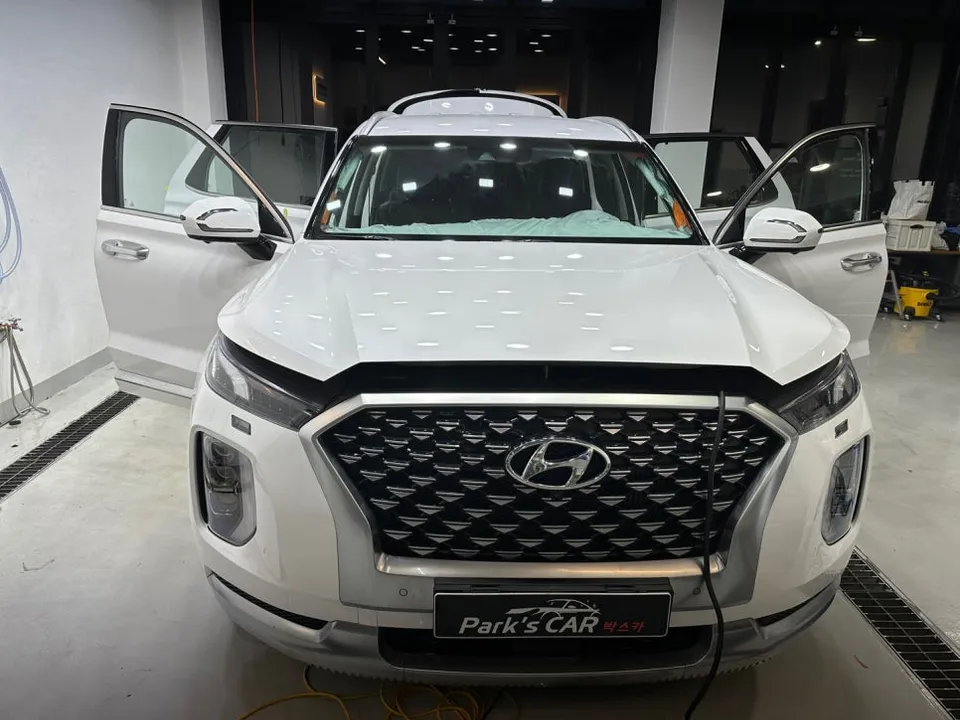
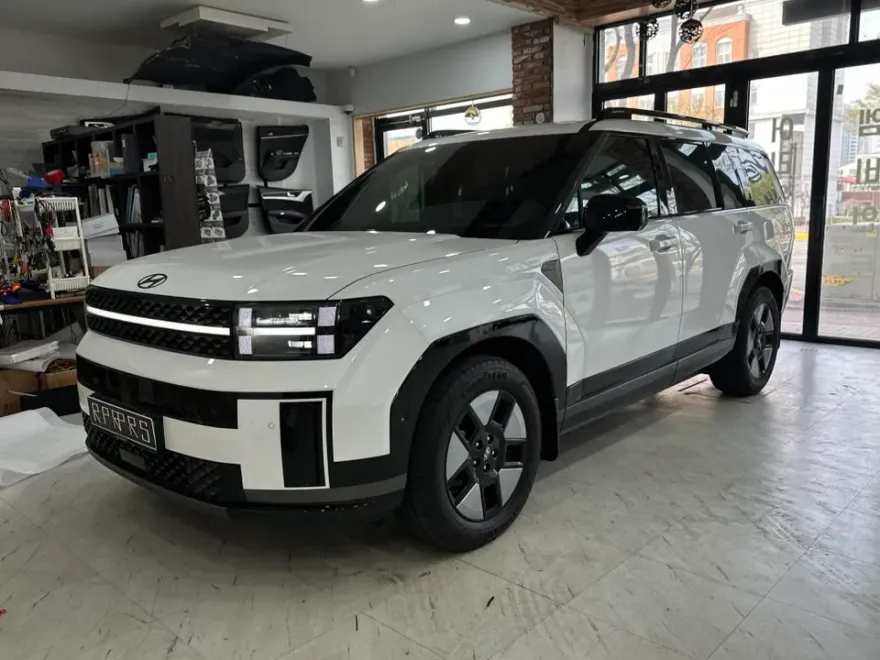
Driving a Hyundai Palisade can be significantly enhanced with proper window tinting. However, over time, existing window film can degrade, leading to peeling or bubbling, signaling a need for re-application. This review details a case where the front windshield was re-tinted to 30% and the side/rear windows to 10% using Anigard AP80R film. The process of completely removing old film and applying new window film is crucial for optimal performance and aesthetics.
Re-applying window tint is more than just sticking on new film. It involves meticulous removal of the old film and thorough cleaning of any residual adhesive from the glass. For larger vehicles like the Palisade, precision is paramount to ensure a flawless finish and proper adhesion of the new window film.
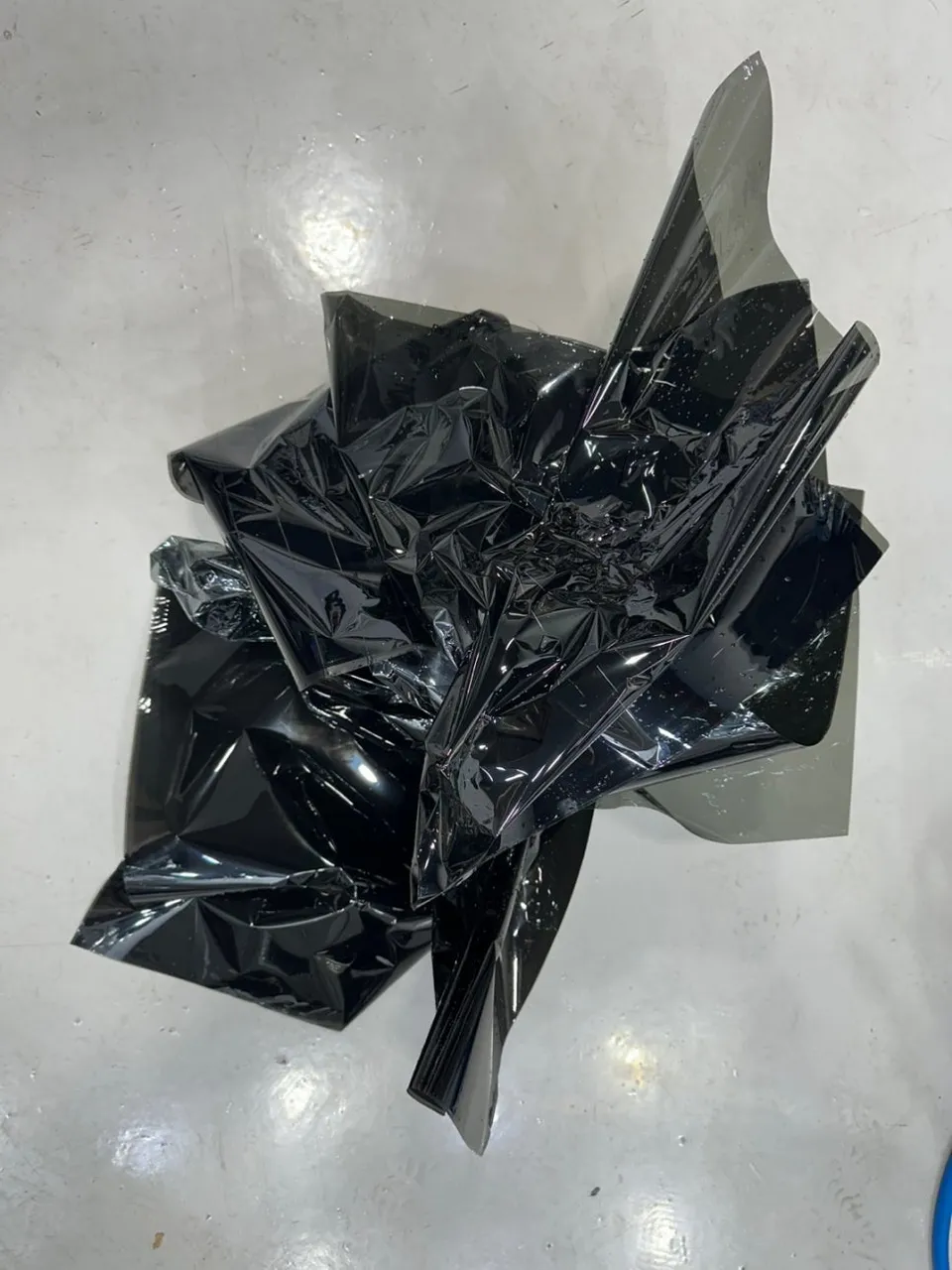
The Challenge of Removing Old Window Film
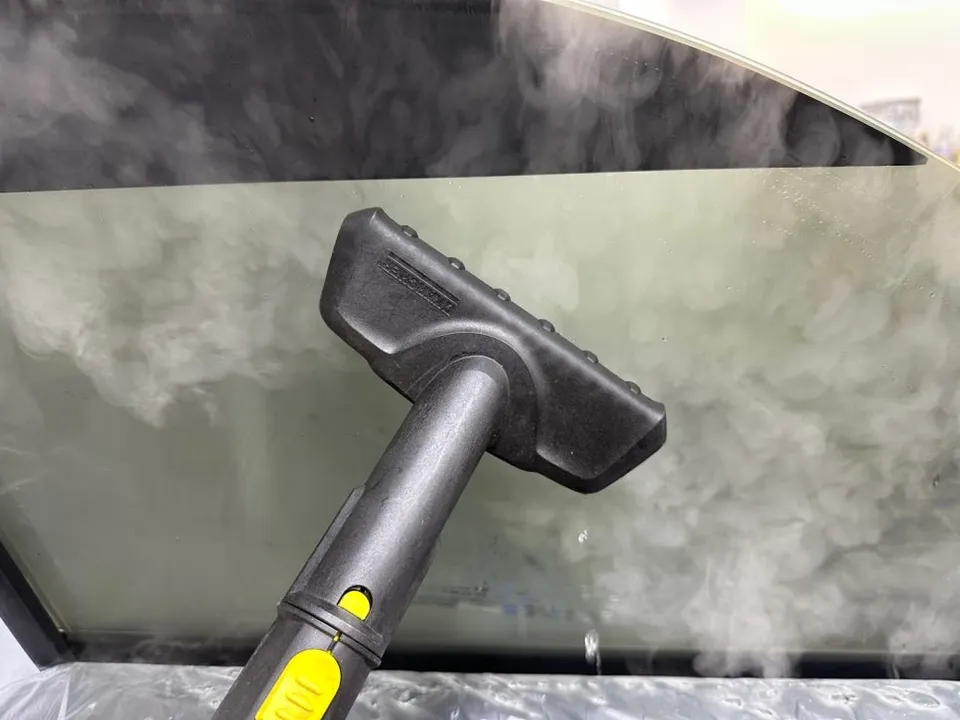
In this specific Hyundai Palisade case, the vehicle had multiple layers of previous tinting, a practice known as 'double-coating' or 'layering'. Removing such layered window film requires a careful approach, often involving steam to soften the adhesive and allow for slow, deliberate peeling. Rushing this process can easily lead to scratches or damage on the glass surface.
After steaming and removing the old film, the glass appears cleaner, but the job isn't finished. Adhesive residue, or "glue," invariably remains on the glass surface.
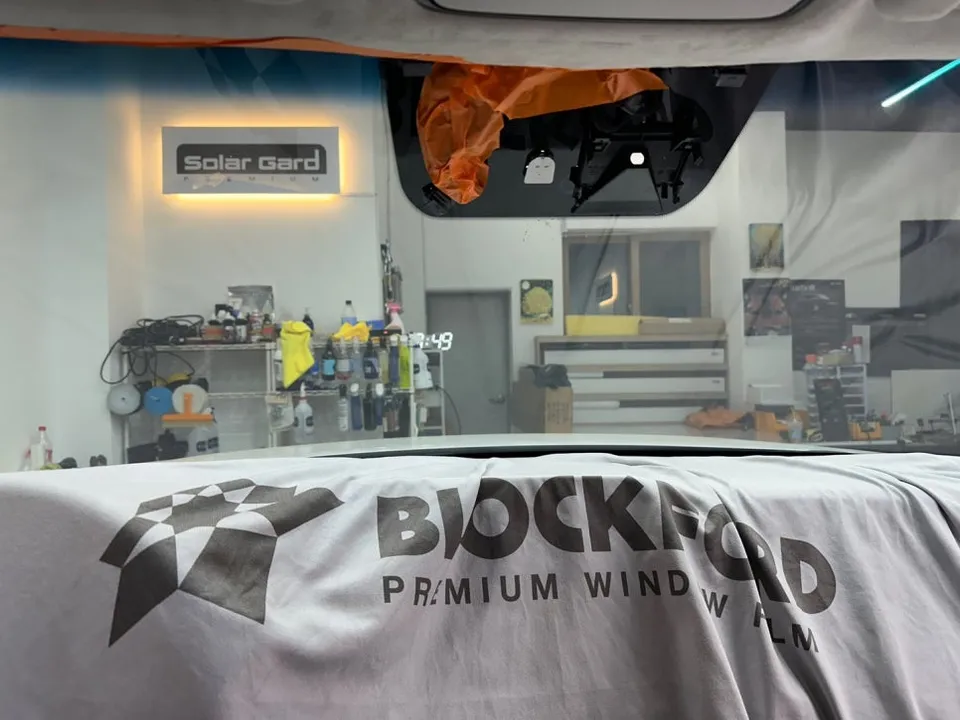
Mastering Adhesive Removal for New Window Film
Complete removal of the old adhesive is the cornerstone of a successful new window film installation. If any residue is left behind, the new film may not adhere properly, leading to premature lifting or bubbling. This step is often the most time-consuming and requires significant attention to detail. Professional installers use specialized chemicals to break down the adhesive, followed by careful scraping with soft tools to avoid damaging the glass.
Once the glass is completely free of adhesive and contaminants, it provides the ideal surface for the new Anigard AP80R window film to bond effectively, ensuring longevity and a clear finish.
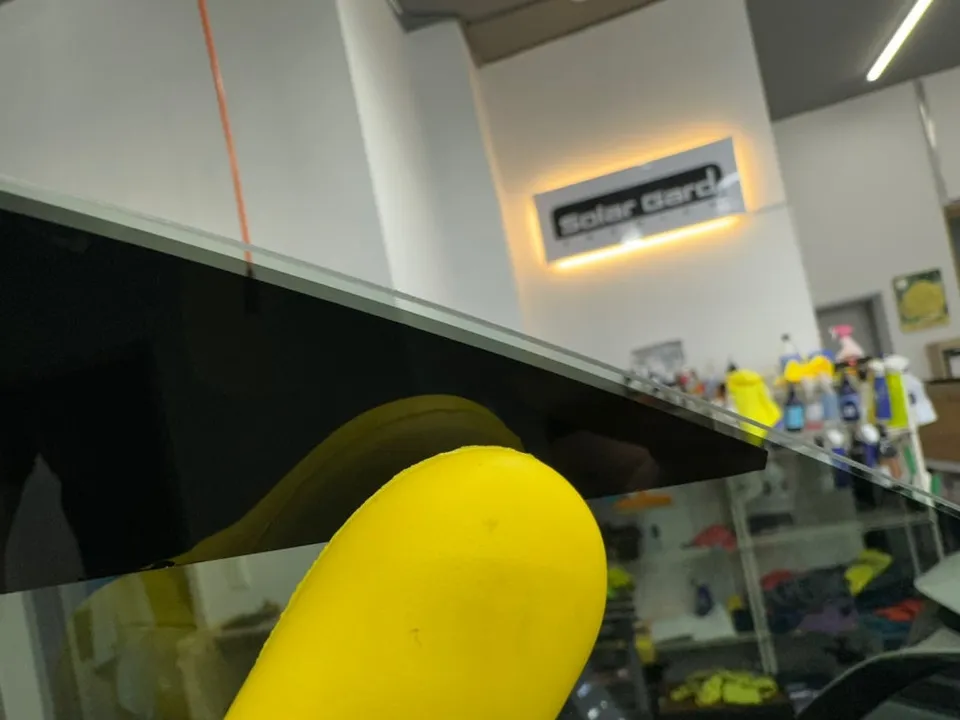
Introducing Anigard AP80R Window Film
Anigard AP80R is positioned as a mid-range premium window film, recognized for its excellent heat rejection capabilities. For this Hyundai Palisade, the specifications were:
Front Windshield: 30% Tint — Heat Rejection 63.7%
Side and Rear Windows: 10% Tint — Heat Rejection 70.1%
Sunroof: 10% Tint — Heat Rejection Functionality
The 30% tint on the front windshield balances visibility with solar control, while the darker 10% tint on the sides and rear offers enhanced privacy and superior heat blocking. Higher heat rejection percentages translate to a cooler cabin during hot weather.
Longevity and Maintenance of Anigard AP80R
Mid-range premium films like Anigard AP80R typically offer a lifespan of 3 to 5 years. While top-tier films can last 5-8 years or even over a decade, AP80R provides a strong balance of performance and cost-effectiveness. It's a popular choice for drivers seeking good UV protection and effective heat rejection without the highest price tag. The lifespan of any window film is influenced by maintenance; harsh sunlight exposure and abrasive cleaning methods can shorten its life. It's advisable to avoid rolling down windows for the first two weeks after installation to allow the film to cure properly.
Hyundai Palisade Window Tinting Costs
The Hyundai Palisade, being a large SUV, has a significant glass surface area, which influences the cost of window tinting compared to smaller sedans. Typical pricing for window tinting on a large Korean SUV like the Palisade can range:
Typical Price Range (Korean Won):
- Front Windshield Only: ₩400,000 - ₩700,000
- Front + Side/Rear Windows: ₩800,000 - ₩1,200,000
- Full Vehicle (including sunroof): ₩1,200,000 - ₩1,500,000
Factors influencing the final price include the specific film grade chosen (Anigard AP80R being mid-range), the extent of the tinting coverage, the size of the glass panels, and the geographical location of the service provider. While Anigard AP80R offers a more budget-friendly option than ultra-premium films, costs can still vary.
Frequently Asked Questions
Q. How much does window tinting cost for a Hyundai Palisade?
For a Hyundai Palisade, full window tinting including the sunroof with mid-range films like Anigard AP80R typically ranges from ₩1,200,000 to ₩1,500,000 in Korea. Standard US pricing can vary widely based on film quality and location, often ranging from $400 to $1000+ for a full vehicle.
Q. What tint percentage is legal for a Hyundai Palisade?
Legal tint percentages vary significantly by state in the US and country; this review used 30% for the front and 10% for the sides/rear. To ensure compliance, always check your local regulations regarding window tint VLT (Visible Light Transmission) limits.
Q. Is ceramic tint worth the extra cost for a Hyundai Palisade?
Ceramic tint is often worth the extra cost for a Hyundai Palisade if maximum heat rejection and UV protection are priorities, as it offers superior performance without darkening the windows excessively. While Anigard AP80R provides good heat rejection at a mid-range price, ceramic films offer enhanced durability and thermal insulation benefits.
Q. How is window tint installed on a Hyundai Palisade?
Window tint installation on a Hyundai Palisade involves several key steps: 1. Thoroughly cleaning the glass and removing any old tint and adhesive. 2. Precisely cutting the new window film to match the glass shape. 3. Applying the film to the interior of the glass using a slip solution and squeegeeing out excess water and air. 4. Trimming any excess film and allowing it to cure for several days.
Q. What is the difference between ceramic and dyed window tint for a Hyundai Palisade?
The primary difference is that dyed window tint uses a layer of dye to darken the glass and absorb some heat, while ceramic window tint uses non-metallic ceramic particles to block heat and UV rays without significantly affecting visibility or causing electronic interference. Ceramic tint generally offers superior heat rejection, durability, and longevity compared to dyed films.
OhCar Partner Shop
More window tinting Reviews
See all →
More Hyundai Reviews
Pair with Another Service
Protect paint while you're at the shop
Add gloss and protection