Hyundai Porter 2 OEM Options Review — Factory Upgrade Cost
Service Price
$40–80
Estimated price · Actual price may vary by shop
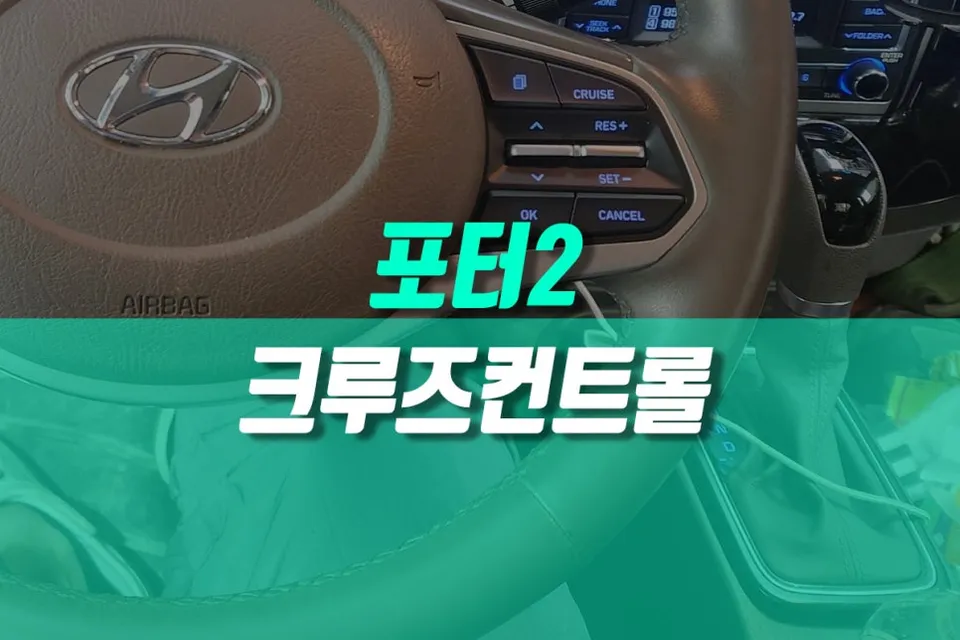
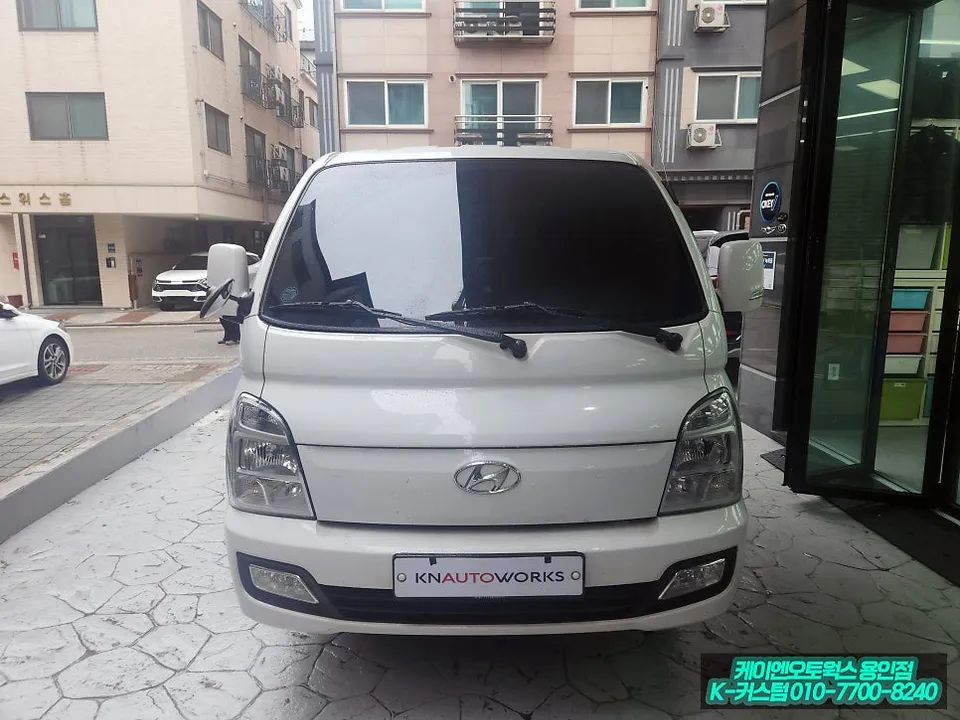
Hyundai Porter 2 cruise control retrofit: ₩300,000-₩500,000. Adds convenience and reduces driver fatigue on long trips.
Adding Factory Options to Your Hyundai Porter 2
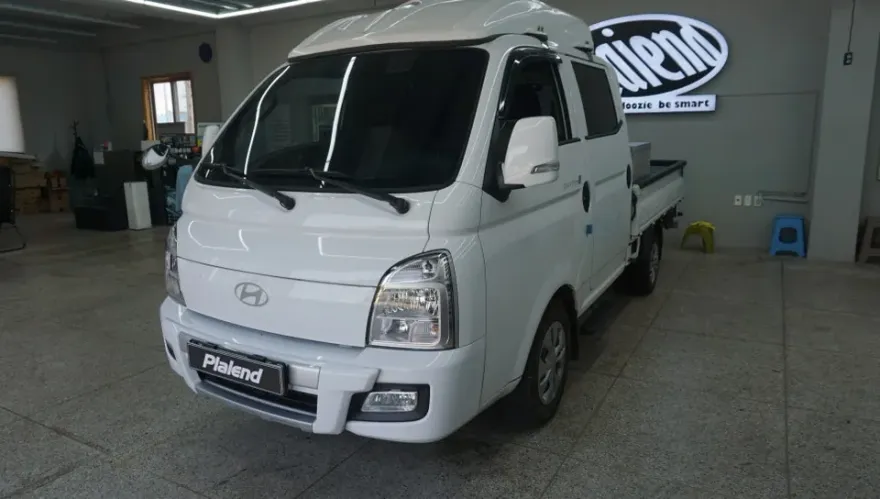
For many commercial vehicle owners, the Hyundai Porter 2 represents a vital tool for business. While it comes equipped for utility, there's often room for enhancement through factory options, also known as OEM options or dealer options. These are genuine parts and systems designed and approved by Hyundai for your specific vehicle. This review focuses on adding a popular OEM option: the cruise control system, to a Porter 2 that didn't originally come with it. We'll explore the installation process, the benefits, and what you can expect in terms of cost and results.
Why Consider a Factory Upgrade?
The cruise control system is a significant convenience, especially for drivers who spend considerable time on highways or in areas with consistent speed limits and traffic enforcement. It allows the vehicle to automatically maintain a set speed, freeing the driver from constant pedal modulation. This reduces fatigue on long journeys and can help in maintaining legal speeds, particularly in variable speed zones. For the Hyundai Porter 2, this desirable feature is available as a genuine Hyundai Mobis part, meaning it can be retrofitted to models that didn't include it from the factory. The goal of such a retrofit is to achieve the same seamless integration and functionality as if the option were installed at the point of vehicle purchase.
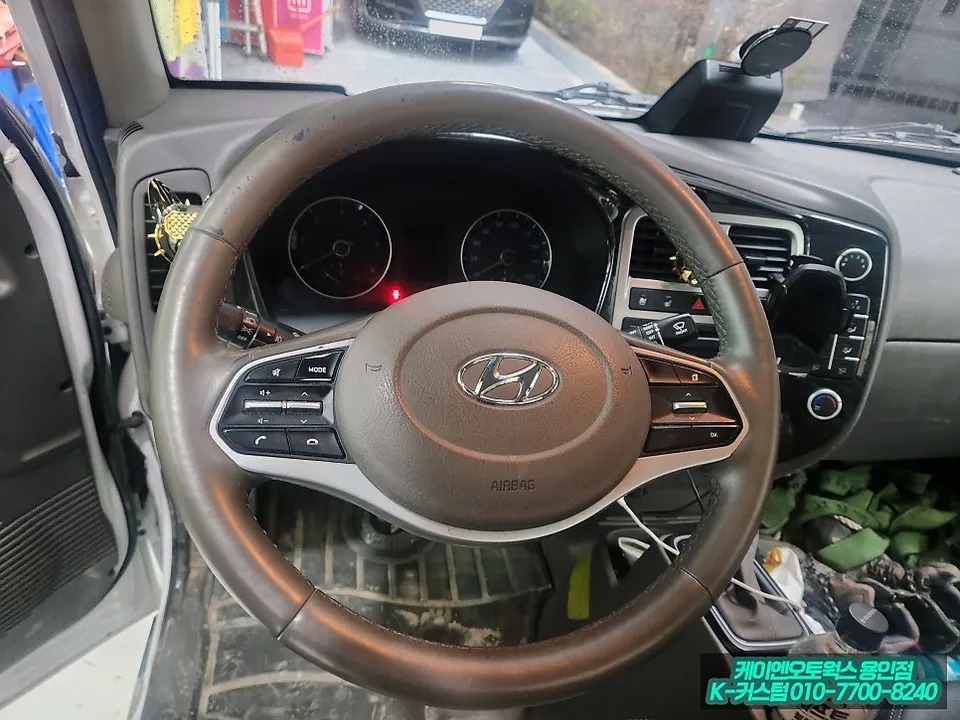
Installation Process:
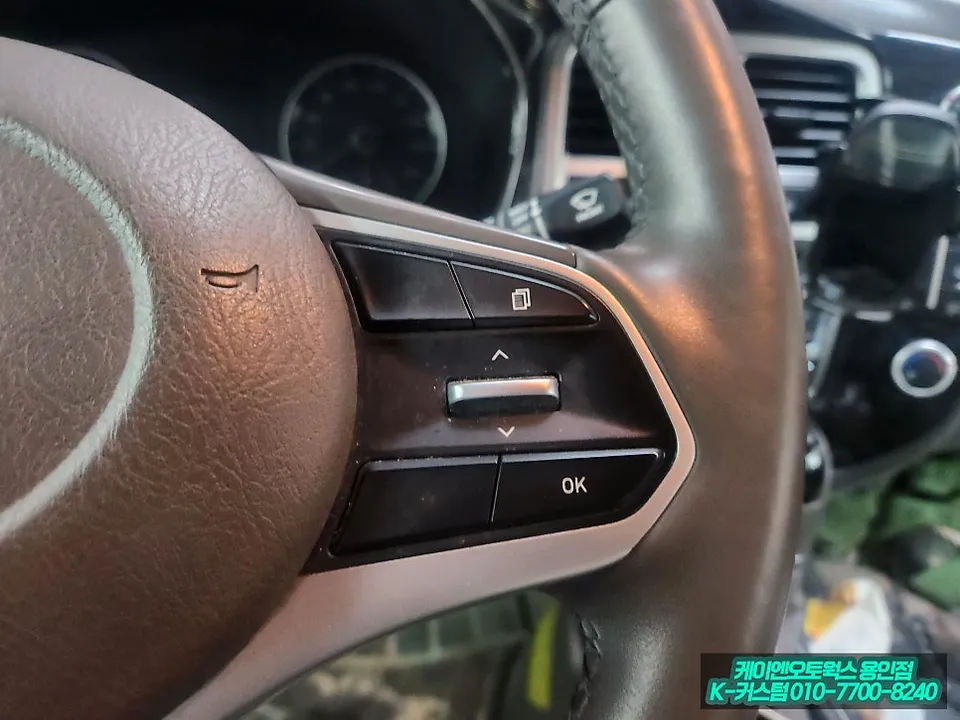
- Steering Wheel Control Replacement: The process begins with the careful removal of the existing steering wheel controls. These are replaced with genuine Hyundai steering wheel switch units that include the cruise control buttons. This ensures a factory-perfect fit and finish, maintaining the aesthetic integrity of the steering wheel.
- System Integration: Once the new switch is installed, the cruise control system needs to be properly integrated with the vehicle's electronics. This involves connecting the necessary wiring and ensuring the system communicates correctly with the engine and braking systems.
- Functionality Testing: After integration, the system is tested to confirm that the cruise control can be activated, set to a desired speed using the 'SET' button, and adjusted using the 'RES+' and 'SET-' buttons. Crucially, the system's ability to be safely disengaged via the brake pedal or a dedicated 'CANCEL' button is verified.
- Dashboard Confirmation: The final step involves checking the instrument cluster to ensure the cruise control indicator light and status are displayed correctly. This confirms that the system is fully operational and integrated with the vehicle's onboard computer.
This type of factory upgrade, using OEM parts, ensures compatibility and reliability, much like a factory option retrofit. The installation, performed by trained technicians, typically takes about 2 to 3 hours. In Korea, the cost for this specific retrofit, including genuine parts and labor, generally ranges from 300,000 to 500,000 KRW (approximately $220-$370 USD, subject to exchange rates). This price can vary based on the specific parts used and the workshop's labor rates.
Frequently Asked Questions
Q. How much does OEM option and factory upgrade installation cost for a Hyundai Porter 2?
In Korea, retrofitting OEM options like cruise control for a Hyundai Porter 2 typically costs between ₩300,000 and ₩500,000. In the US, similar factory-style upgrades can range from $40 to $80 for simpler accessories, but complex systems like cruise control retrofits can be significantly more expensive, often several hundred dollars.
Q. How long does OEM options installation take on a Hyundai Porter 2?
Installing OEM options such as cruise control on a Hyundai Porter 2 usually takes approximately 2 to 3 hours. For long-term durability, ensure the system is installed by a qualified technician and perform regular vehicle maintenance as recommended by the manufacturer.
Q. Are OEM options worth adding after purchase for a Hyundai Porter 2?
Adding OEM options like cruise control is particularly worthwhile for Hyundai Porter 2 owners who frequently drive long distances or in conditions requiring consistent speed maintenance, as it significantly reduces driver fatigue. The value lies in enhancing comfort and potentially improving fuel efficiency through steady speed control.
Q. How are OEM factory options installed on a Hyundai Porter 2?
OEM factory options are installed by replacing existing components with genuine, manufacturer-approved parts. For cruise control on a Porter 2, this involves replacing the steering wheel controls with a unit featuring cruise buttons, integrating the system with the vehicle's electronics, and testing its functionality via the dashboard display.
Q. What is the difference between dealer-installed options and aftermarket upgrades for a Hyundai Porter 2?
Dealer-installed options (OEM options) are genuine parts designed and tested by the manufacturer for perfect integration, ensuring reliability and maintaining warranty. Aftermarket upgrades are made by third-party companies and may offer more variety or lower prices, but their compatibility and long-term durability can vary significantly.
OhCar Partner Shop