Hyundai Staria Body Kit Installation Review
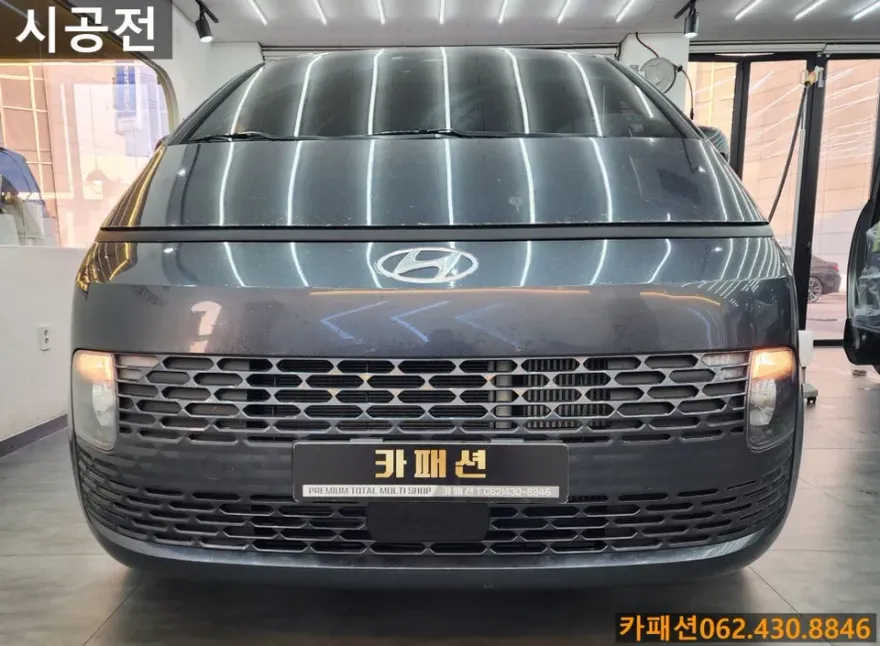
Before
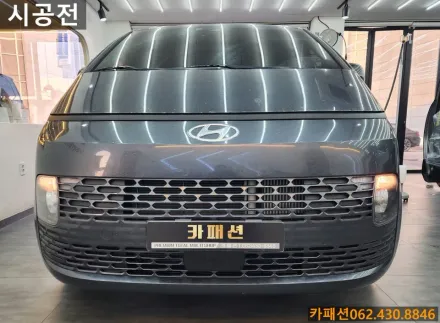
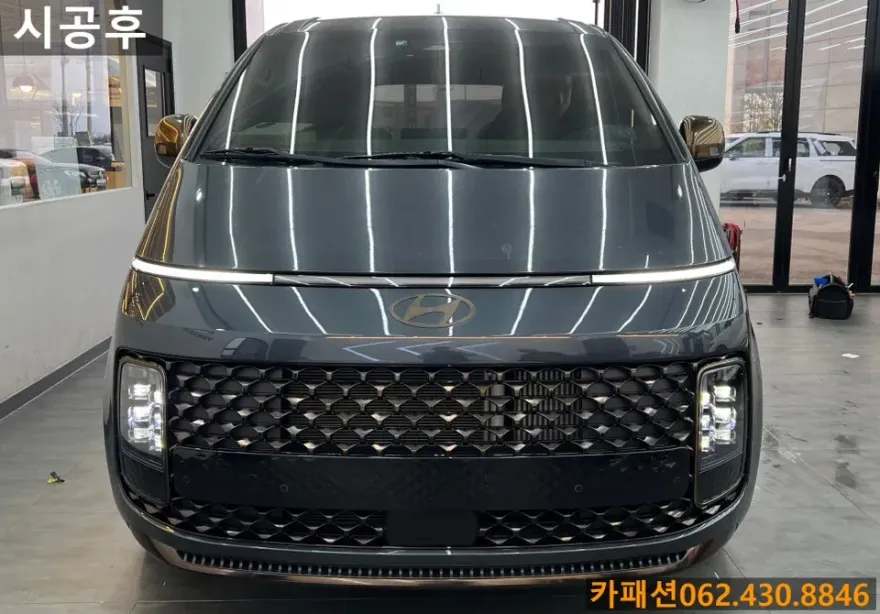
After
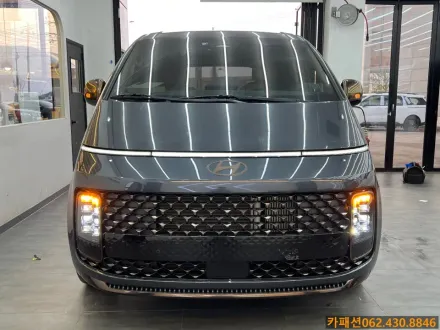
Hyundai Staria body kit upgrade: Front bumper, headlights, LED taillights. Enhances visual appeal.
Hyundai Staria Aero Kit Upgrade
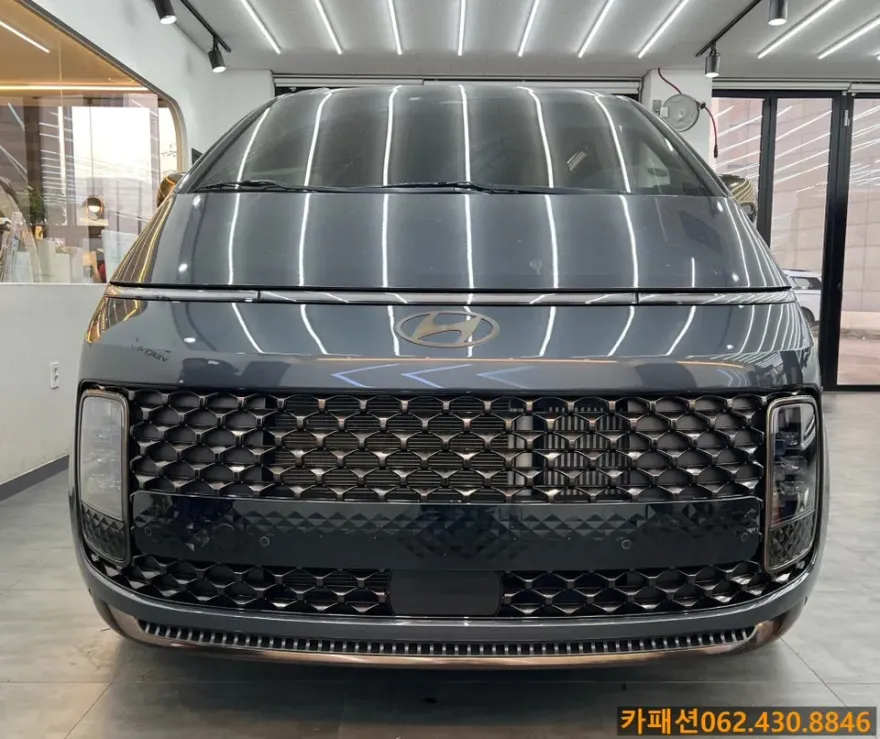
This review covers a comprehensive body kit installation for the Hyundai Staria Lounge, transforming its front-end appearance. The upgrade included a new front bumper, updated headlights, integrated daytime running lights, a full LED taillight conversion, and stylish side mirror covers. This package aims to give the Staria a more aggressive and premium look, moving away from its standard utility van aesthetic. The focus here is on enhancing the vehicle's visual appeal through carefully selected aero parts.
Installation Process and Components
The installation process for this Hyundai Staria body kit involves several key steps to ensure a seamless fit and finish. While specific details can vary by kit manufacturer, a typical procedure includes:
- Preparation: The original bumpers and lighting components are carefully removed. The vehicle's body panels are cleaned and prepped for the new parts.
- Component Fitting: The new front bumper, side skirts (if applicable), and any other body kit elements are test-fitted to ensure proper alignment and gap consistency.
- Wiring and Lighting: For upgrades involving new headlights, daytime running lights, and taillights, the electrical connections are meticulously made according to the kit's specifications.
- Securing and Finishing: The body kit components are securely fastened using appropriate hardware. Any necessary painting or finishing touches are applied to match the vehicle's existing paintwork.
The components used in this particular Staria conversion included a redesigned front bumper, upgraded headlight units, new daytime running lights, a full LED taillight assembly, and custom side mirror covers. These parts work together to create a cohesive and significantly altered aesthetic for the van.
Durability and Value Considerations
The durability of a body kit largely depends on the materials used (such as ABS plastic, polyurethane, or fiberglass) and the quality of the installation. Polyurethane and ABS are generally more flexible and resistant to cracking than fiberglass, making them better suited for daily driving. Proper installation is crucial; a poorly fitted kit can be prone to damage from road debris or minor impacts. Regular cleaning and waxing can help maintain the finish and protect the material. When considering the value, it's important to weigh the cost of the kit and installation against the desired aesthetic improvement. For owners looking to significantly customize their Staria and give it a more distinctive presence, the investment can be worthwhile. The transformation from the standard model to one with a more aggressive aero kit can dramatically change the vehicle's perceived value and owner satisfaction.
Frequently Asked Questions
Q. How much does a body kit cost for a Hyundai Staria?
The specific cost for this Hyundai Staria body kit, including bumper, headlights, and taillights, was detailed in Korean Won (KRW) in the source context. While exact US pricing varies, similar comprehensive kits can range from $1,500 to $4,000 or more, depending on the brand and components.
Q. How long does body kit installation take on a Hyundai Staria?
Installation time for a Staria body kit can vary from a few hours to a full day or more, depending on complexity. Proper maintenance involves regular washing and waxing to protect the finish and materials from environmental damage.
Q. Is a body kit worth it for a Hyundai Staria?
A body kit is worth considering for Hyundai Staria owners seeking a significant visual upgrade and a more distinctive look. It offers a way to personalize the vehicle beyond factory options, potentially increasing owner satisfaction.
Q. How is a body kit installed on a Hyundai Staria?
Installation typically involves removing original bumpers and lights, test-fitting new components for alignment, securing them with hardware, and making necessary electrical connections for lighting upgrades. The process concludes with finishing touches like painting to match the vehicle.
Q. What is the difference between FRP and polyurethane body kits for a Hyundai Staria?
Polyurethane kits are generally more flexible and impact-resistant than Fiberglass Reinforced Plastic (FRP) kits, making them more durable for daily driving. For most users, polyurethane is the recommended material due to its resilience.
OhCar Partner Shop