Hyundai Santa Fe PPF Review: Protecting Hood, Headlights & B-Pill
Service Price
$150+
Estimated price · Actual price may vary by shop
Before
After
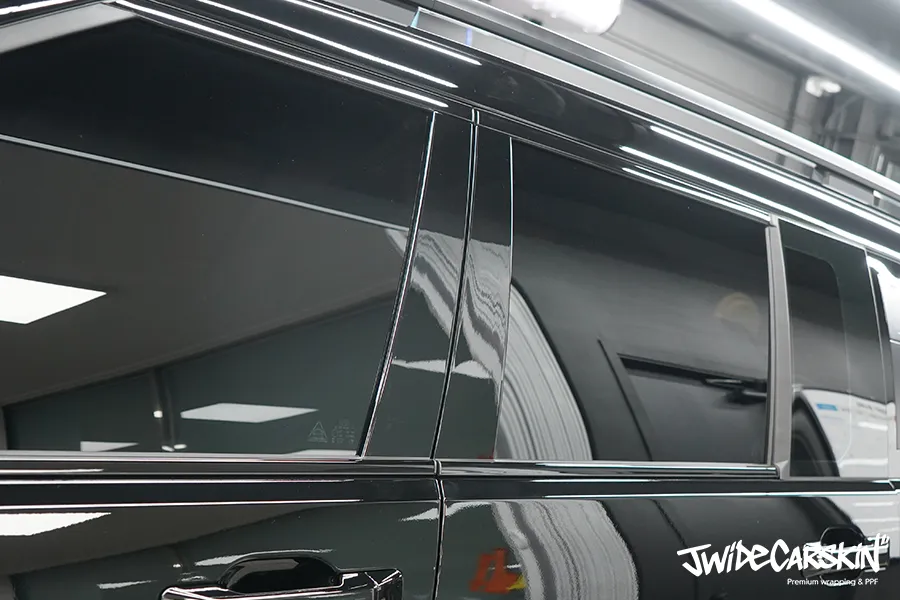
Process photos
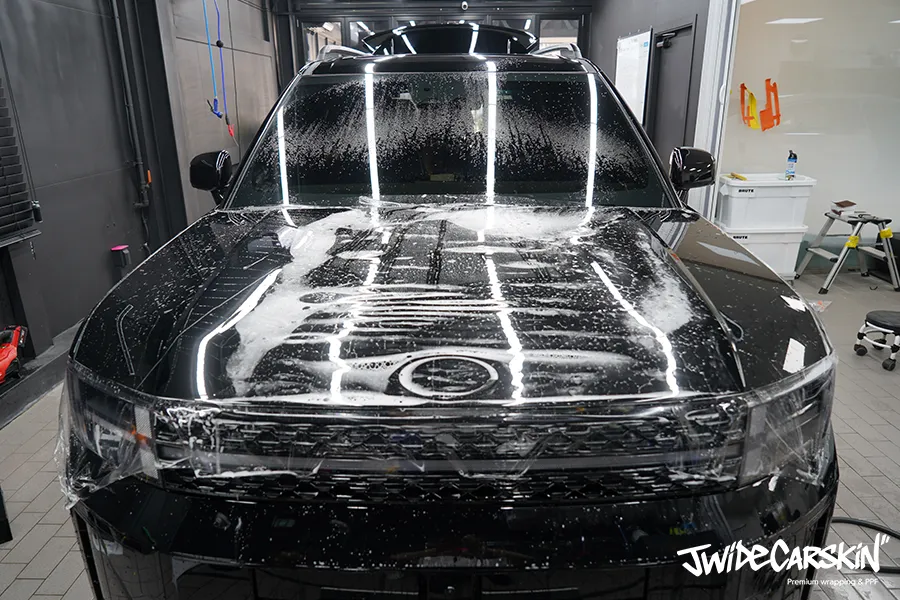
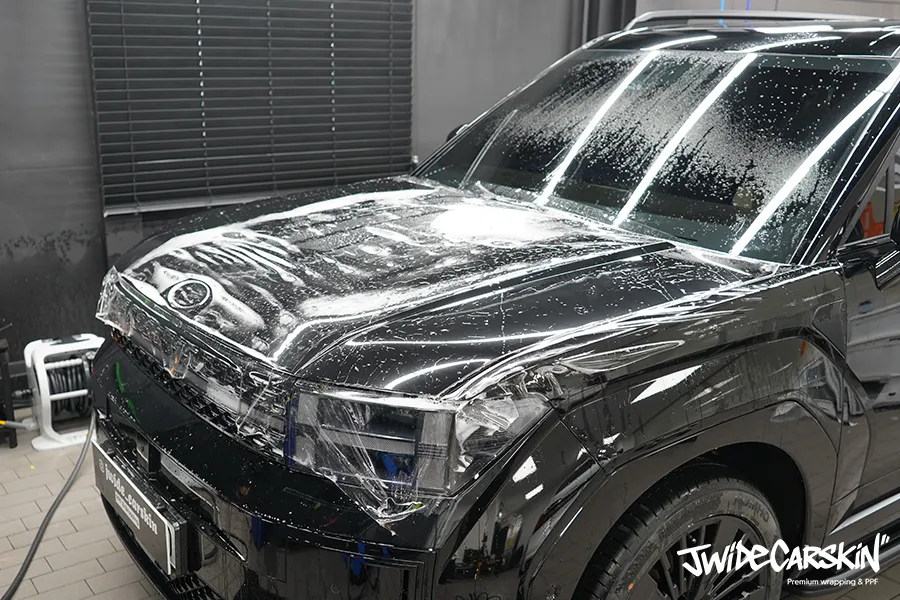
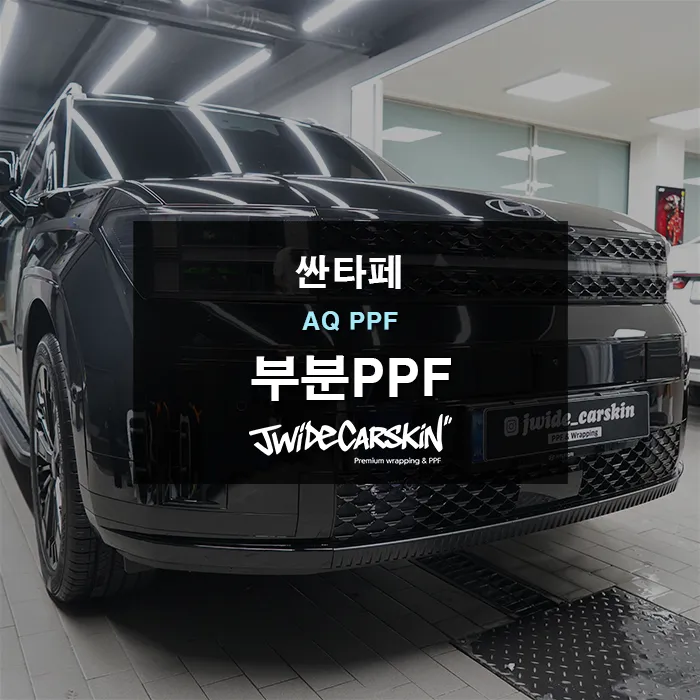
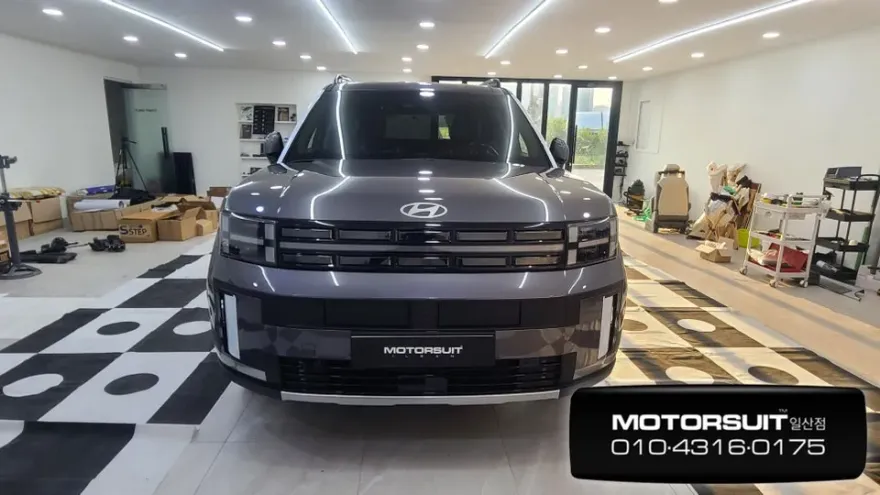
Hyundai Santa Fe PPF on hood, headlights, and B-pillar. Protects against chips and scratches for a flawless finish.
Protecting Your Hyundai Santa Fe's Vulnerable Areas
Driving a Hyundai Santa Fe means navigating daily life, but certain areas are constantly exposed to potential damage. The hood, headlights, and B-pillar are particularly susceptible to stone chips, scratches from washing, and general wear and tear. This review details a partial Paint Protection Film (PPF) application on a Santa Fe, focusing on these critical zones to provide comprehensive protection and maintain the vehicle's pristine appearance.
Full Hood PPF Installation: Seamless Protection
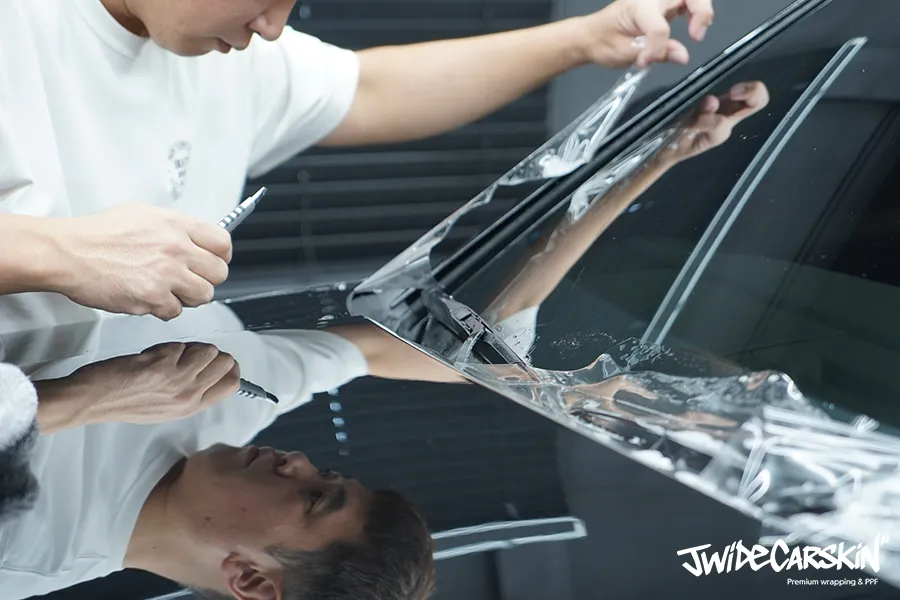
A common question when considering hood PPF is whether to opt for a single piece or multiple sections. A full, one-piece hood application offers a superior aesthetic with no visible seams, preventing dirt and moisture from accumulating. This method also enhances the film's longevity by eliminating potential lifting points. The key to a flawless full-hood installation lies in the edge finishing, specifically an "inlay wrap" technique. This involves carefully tucking the film's edges about 8mm under the hood's panel lines. This meticulous process ensures the film remains securely in place, even at high speeds or during car washes, preventing peeling or lifting.
The advantage of a one-piece application is the seamless look. When done correctly, the PPF is virtually invisible, making the hood appear as if it has no film applied at all. This is especially noticeable on darker or more vibrant paint colors, where any seam or edge would be more apparent. The result is a factory-fresh finish that is both protected and visually perfect.
Headlight PPF: Clarity and Durability
Headlights, with their complex curves, present a challenging surface for PPF application. Precision is paramount, achieved through computer-aided design (CAD) and cutting. Using vehicle-specific data ensures the film is cut to exact specifications, minimizing errors and ensuring a perfect fit. This automated process is far more accurate than manual cutting.
The most crucial aspect of headlight PPF is maintaining optical clarity. Lower quality films can appear cloudy or hazy, diminishing the headlight's brightness and altering its appearance. The PPF used in this installation boasts high transparency, ensuring no significant loss in light output or color distortion. It acts as an invisible shield against stone impacts and minor scratches, preserving the headlights' original performance and aesthetic.
B-Pillar PPF: Achieving a Flush Finish
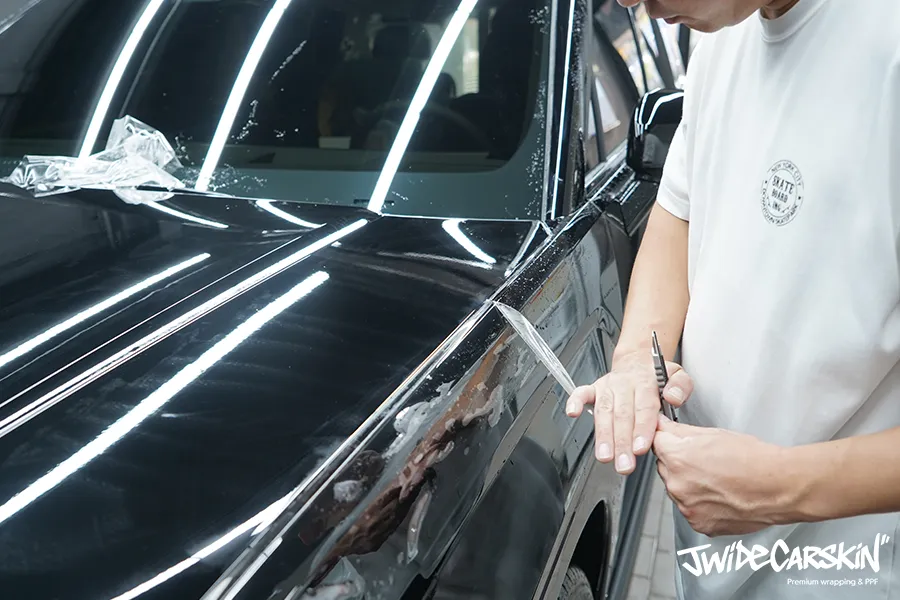
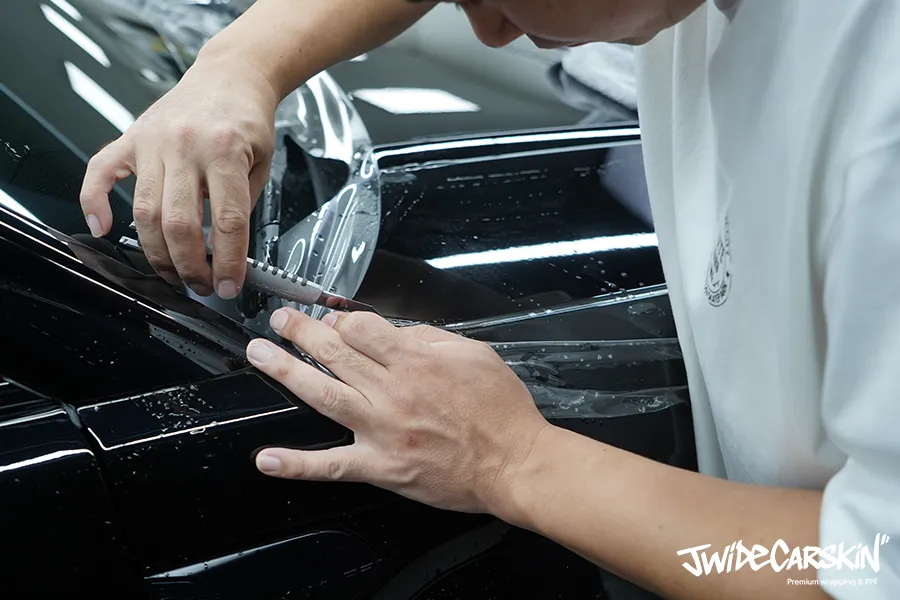
The B-pillars on the Santa Fe are often finished in a high-gloss material that readily shows hairline scratches and wash-induced marring. Similar to the other areas, precise computer-cut patterns were used for the B-pillar application. The primary goal for B-pillar PPF is achieving a near-perfectly flush fit, eliminating any noticeable height difference between the film and the surrounding trim.
A flush installation prevents dirt and water from getting trapped at the film's edges, which can lead to long-term issues. The precision cutting ensures accurate placement, and the careful application results in a finish that looks and feels like the original surface, but with added protection against everyday damage. This combination of precise application and high-quality film ensures the B-pillars remain looking new.
The Value of Combined PPF Protection
Applying PPF to the hood, headlights, and B-pillars of a Hyundai Santa Fe offers significant value. While the visual change is minimal—essentially an invisible shield—the protection against scratches and chips is substantial. These three areas are consistently the first to show signs of wear on any vehicle, making them prime candidates for protective film. The installation process, from precise cutting to meticulous edge finishing and ensuring a flush fit, is critical to the final result and the film's long-term performance.
Frequently Asked Questions
Q. How much does PPF cost for a Hyundai Santa Fe?
This specific partial PPF installation on the hood, headlights, and B-pillar for the Hyundai Santa Fe was performed in Korea. Typical PPF installations in the US can range from $500 to $2,500 depending on the coverage area and film quality.
Q. How long does PPF last on a Hyundai Santa Fe?
High-quality PPF typically lasts 5-10 years, offering long-term protection against road debris and scratches. Regular cleaning with a pH-neutral soap and avoiding abrasive materials will help maintain its clarity and adhesion.
Q. Is PPF worth it for a Hyundai Santa Fe?
PPF is highly recommended for Santa Fe owners who frequently drive on highways or in areas with heavy road debris, as it significantly reduces the risk of paint damage. It preserves the vehicle's resale value by maintaining the original paint condition.
Q. How is PPF installed on a Hyundai Santa Fe?
1. The vehicle's surface is thoroughly cleaned and decontaminated. 2. PPF is precisely cut using computer templates for specific panels like the hood, headlights, or B-pillar. 3. The film is carefully applied using a squeegee and solution to ensure a smooth, bubble-free finish. 4. Edges are meticulously trimmed and often tucked for a seamless look, and the film is allowed to cure.
Q. What is the difference between PPF and ceramic coating for a Hyundai Santa Fe?
PPF provides physical protection against impacts and scratches, while ceramic coating offers a hard, hydrophobic layer that enhances gloss and makes cleaning easier but provides minimal impact protection. For areas prone to chips like the hood and bumper, PPF is the superior choice for defense.
OhCar Partner Shop
More ppf Reviews
See all →
More Hyundai Reviews

Pair with Another Service
Add hydrophobic protection on top of PPF
Complete your new car protection package