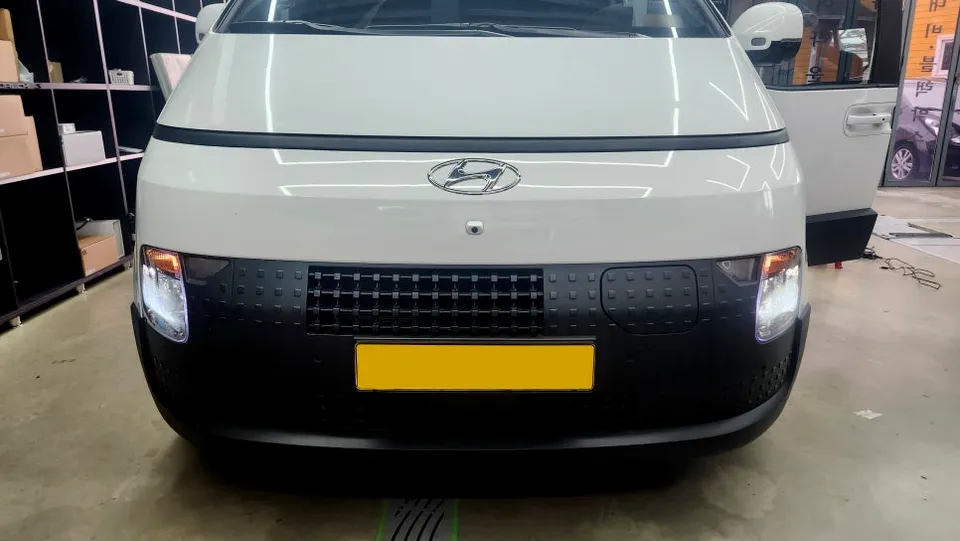
Hyundai Santa Fe Ventilated Seats Review — Cost & Installation
Service Price
$40–80
Estimated price · Actual price may vary by shop
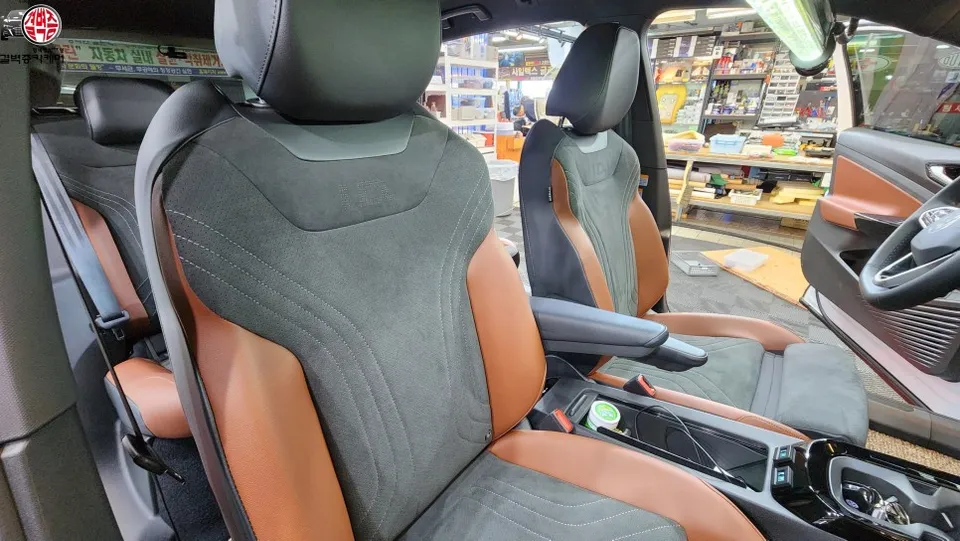
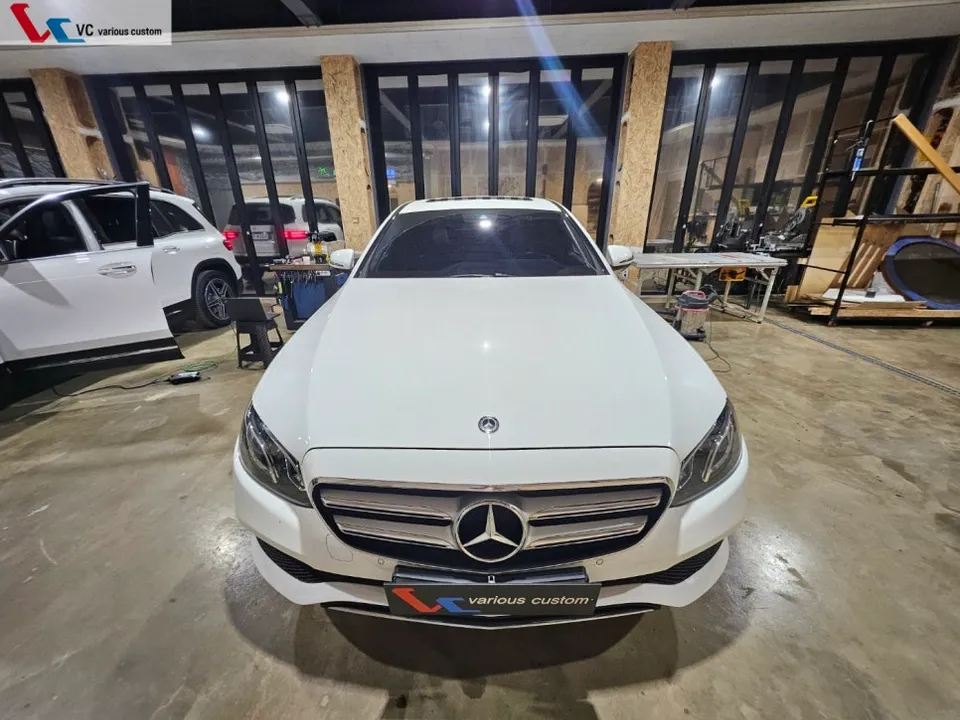
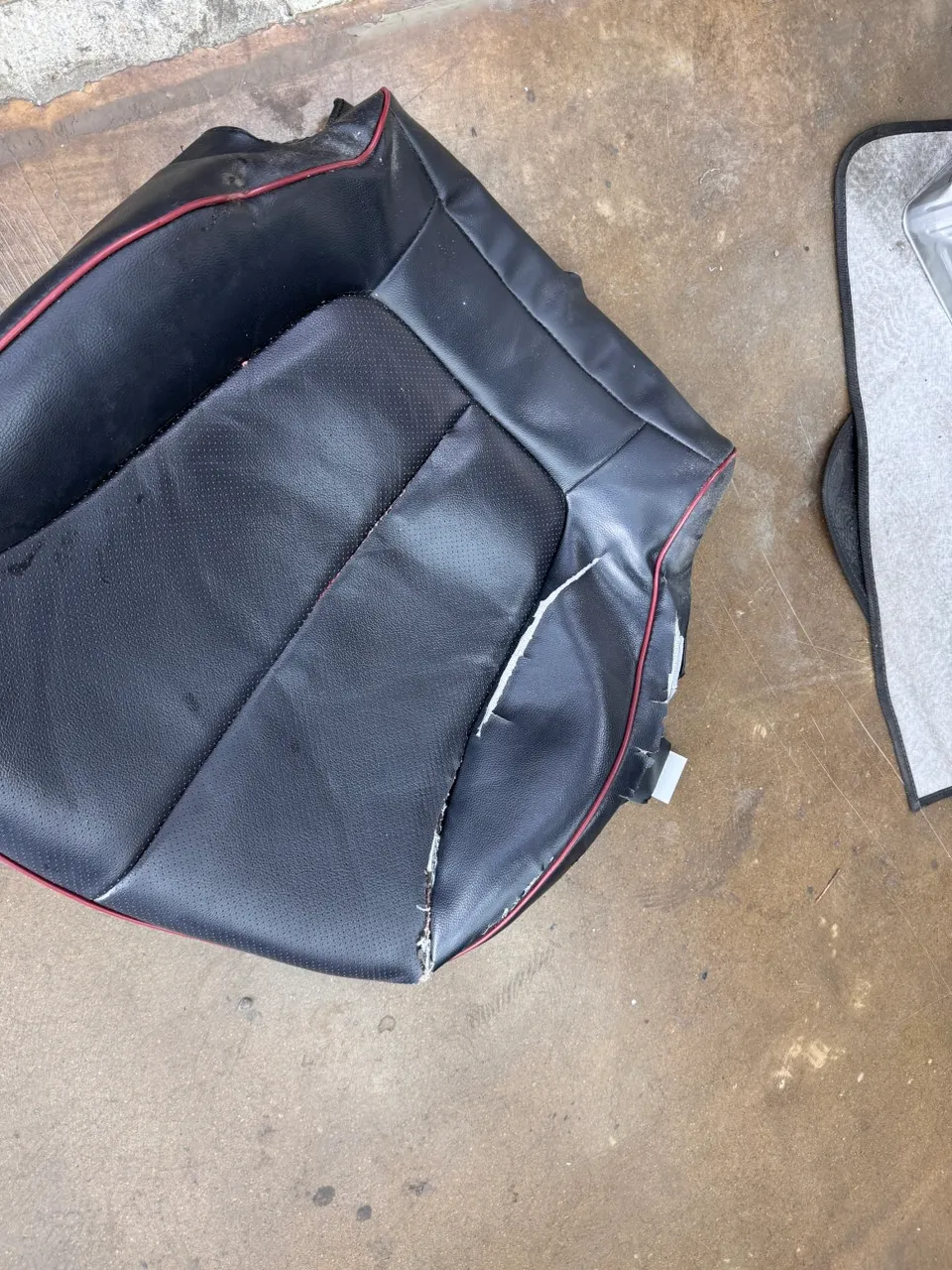
Before
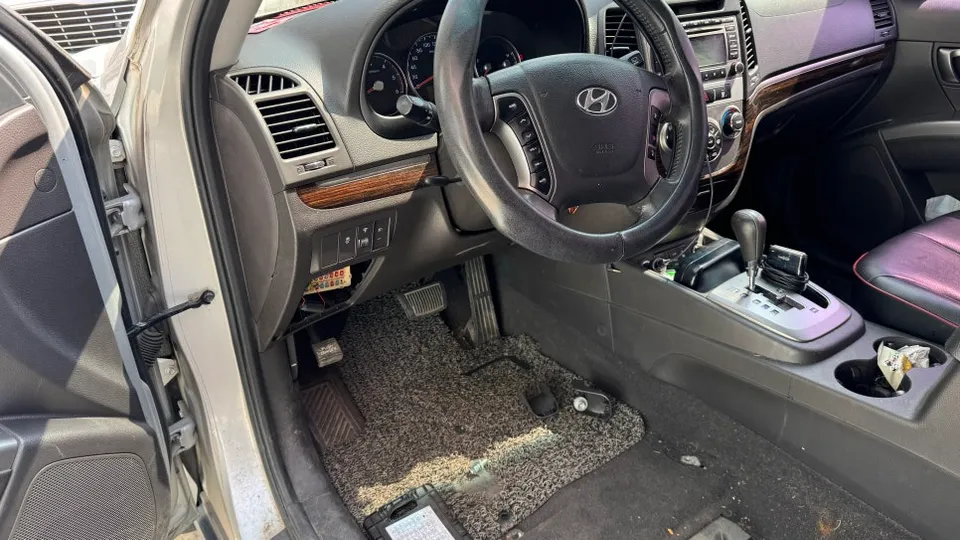
After
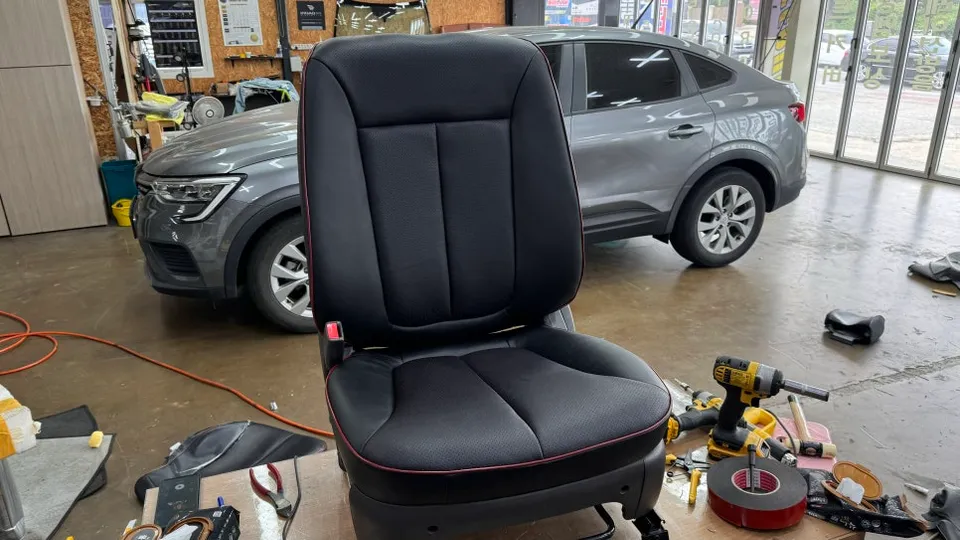
Process photos
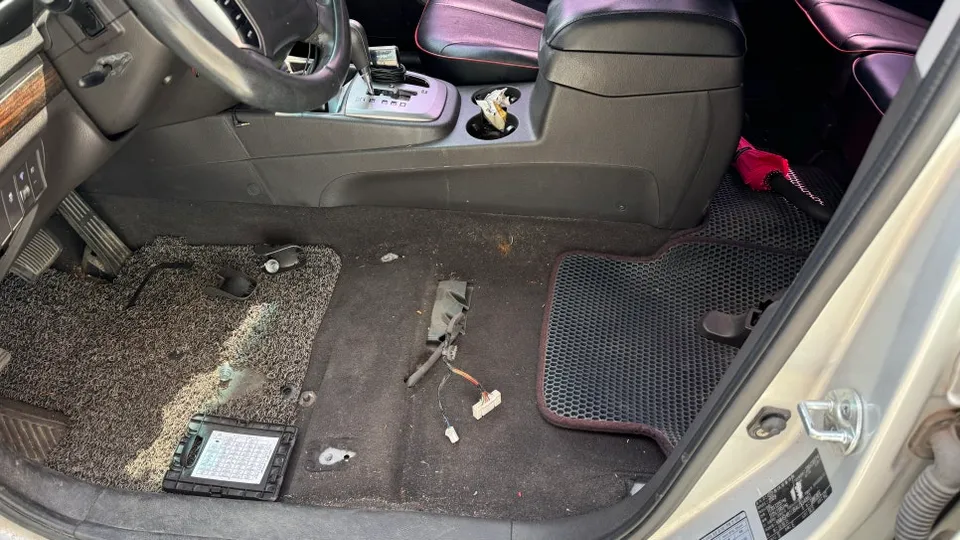
Hyundai Santa Fe seat ventilation & heating retrofit: Approx. $220-$440. Enhances comfort year-round.
Enhancing Your Hyundai Santa Fe with Seat Climate Control
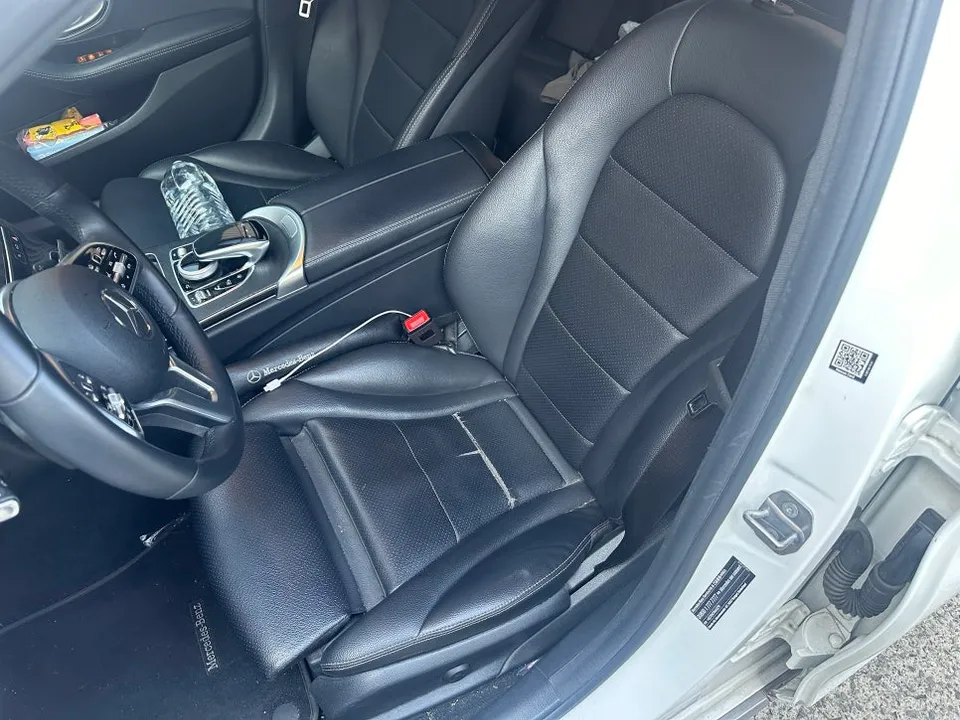
For owners of the Hyundai Santa Fe, especially those with models that have seen a few years, comfort can sometimes be compromised by seat condition and temperature. The original seat covers can degrade over time, becoming prone to tearing, while the lack of climate control can lead to discomfort during extreme weather. This review explores the benefits and process of retrofitting ventilated and heated seats, a popular upgrade that can significantly improve your driving experience. It's not just about adding a feature; it's about restoring and enhancing the interior condition of your vehicle.
The Process: Seat Ventilation & Heating Installation
The installation of ventilated and heated seats in a Hyundai Santa Fe is a comprehensive process that goes beyond simply adding a fan. It involves careful disassembly and reassembly of the seats to ensure a seamless integration of the new climate control system. The goal is to create a comfortable and functional upgrade that feels as close to factory-installed as possible.
Installation process:
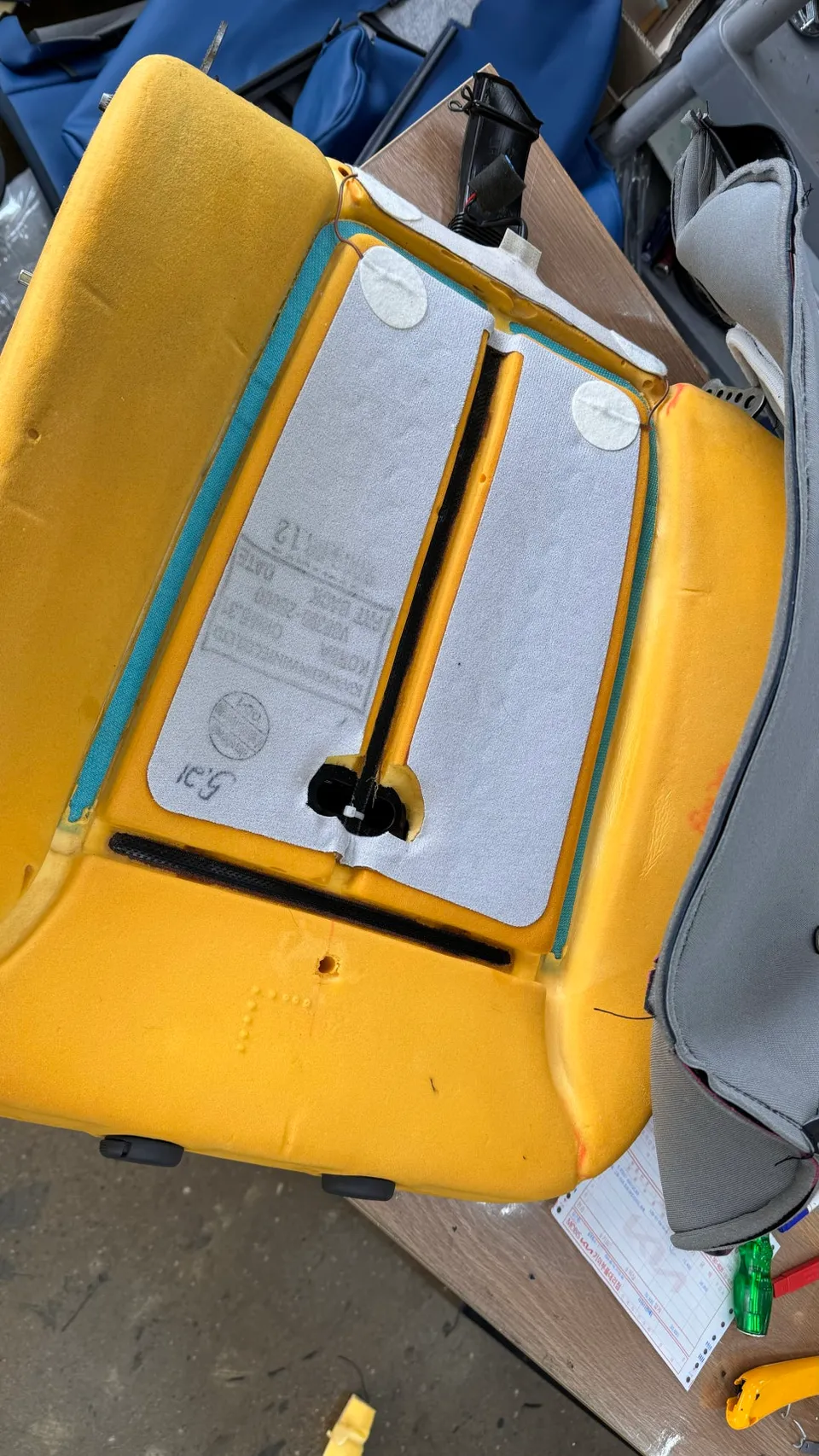
- Seat Disassembly: The existing seat covers are carefully removed from the Santa Fe's seats. This exposes the underlying foam, which may also show signs of wear and can be replaced if necessary.
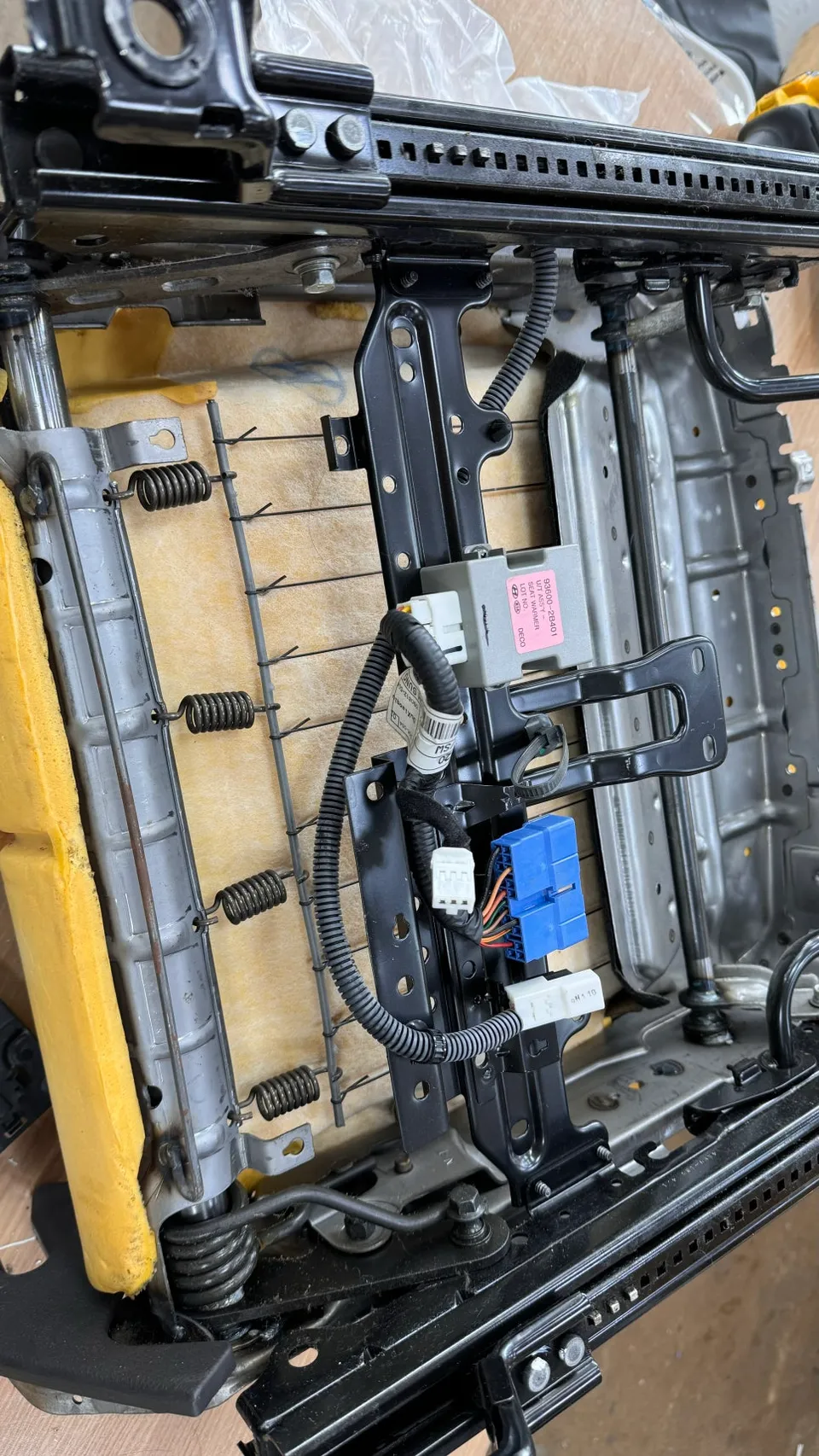
- Component Integration: Specialized aero fans are installed within the seat structure to create airflow. Heating elements are also integrated, often utilizing the existing wiring for the original heating system if applicable, or adding new ones.
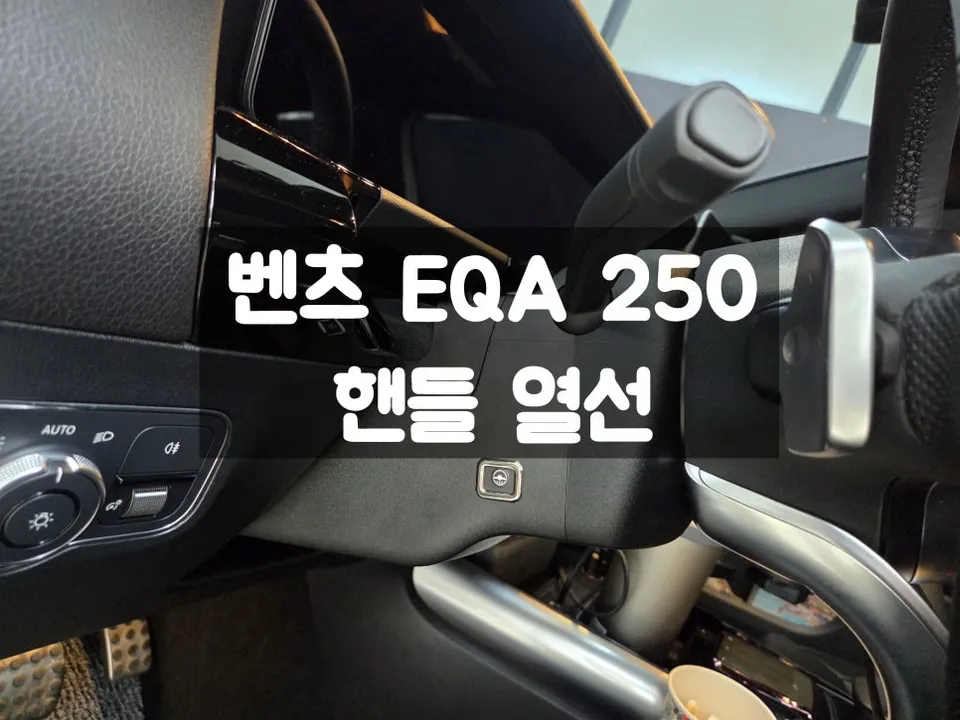
- Wiring and Switch Installation: The ventilation and heating systems are wired to a control unit. A new switch, designed to match the vehicle's interior aesthetic or placed for optimal user convenience (e.g., near the steering wheel or seat base), is installed.
- Reassembly and Testing: The seat covers are reinstalled, and the seats are returned to the vehicle. The new climate control functions are then thoroughly tested to ensure proper operation.
This process ensures that the ventilation and heating systems work effectively, providing consistent airflow and warmth where needed. The integration of new seat covers along with the climate control upgrade is also a common option, offering a dual benefit of improved comfort and refreshed interior aesthetics.
Seat Ventilation & Heating Cost and Durability
The cost for a seat climate upgrade, including both ventilation and heating, for a Hyundai Santa Fe can vary. In South Korea, where this type of service is common, the price typically ranges from approximately 300,000 to 600,000 KRW (roughly $220-$440 USD, depending on the exchange rate). This price can increase if you opt for additional services like replacing the seat leather or foam. The installation itself usually takes about 3 to 4 hours and can often be completed within a single day.
Regarding durability, these aftermarket systems are designed for longevity. With proper installation and regular maintenance—such as ensuring vents aren't blocked and cleaning the seat surfaces—the ventilated and heated seat features can last for many years. The lifespan is comparable to factory-installed systems, provided quality components and expert installation are used. Maintenance typically involves keeping the seat upholstery clean and ensuring no debris obstructs the airflow from the vents.
Is a Seat Climate Upgrade Worth It for Your Santa Fe?
For many Hyundai Santa Fe owners, particularly those in regions with hot summers or cold winters, a seat ventilation and heating upgrade is a worthwhile investment. It directly addresses common issues like sweating in warm weather and discomfort from cold seats in winter. The ability to customize your seating temperature provides a significant boost in driving comfort, making daily commutes and long journeys more pleasant. While the initial cost is a consideration, the long-term benefits in comfort and potential enhancement of the vehicle's interior value often justify the expense. It's especially beneficial for older vehicles where the original seats may be showing wear and tear, offering a way to revitalize the interior.
Frequently Asked Questions
Q. How much does ventilated seat installation cost for a Hyundai Santa Fe?
In South Korea, the cost for ventilated and heated seat installation on a Hyundai Santa Fe typically ranges from 300,000 to 600,000 KRW (approximately $220-$440 USD). The estimated US price for a similar aftermarket installation can range from $400 to $800 or more, depending on the shop and components used.
Q. How long does seat ventilation installation take on a Hyundai Santa Fe?
Seat ventilation and heating installation on a Hyundai Santa Fe usually takes about 3 to 4 hours and can often be completed within a single day. These systems are designed for longevity, and with proper care, such as keeping vents clear and maintaining seat cleanliness, they can last for many years.
Q. Are aftermarket ventilated seats worth it for a Hyundai Santa Fe?
Yes, aftermarket ventilated and heated seats are often worth the investment for a Hyundai Santa Fe, especially for drivers in climates with extreme temperatures. They significantly enhance driving comfort and can help refresh the interior of older vehicles.
Q. How are ventilated seats installed in a Hyundai Santa Fe?
Installation involves removing the original seat covers, integrating specialized aero fans within the seat foam to create airflow, and installing heating elements. A new control switch is added, and the system is wired, followed by reassembly and testing of the seats.
Q. What is the difference between OEM and aftermarket ventilated seats for a Hyundai Santa Fe?
OEM (Original Equipment Manufacturer) ventilated seats are integrated directly from the factory with specific vehicle wiring and controls. Aftermarket installations involve retrofitting fans and heating elements into existing seats, offering more customization but potentially differing in integration and appearance.
OhCar Partner Shop