Volkswagen ID.4 Seat Ventilation & Heating Review
Service Price
$40–80
Estimated price · Actual price may vary by shop
Seat ventilation & heating upgrade for Volkswagen ID.4. Estimated $40–80. Enjoy a cooler, more comfortable drive.
Beat the Heat: Seat Ventilation & Heating for Your Volkswagen ID.4
Are you tired of sticky, uncomfortable drives during hot and humid weather? For many drivers, especially those who tend to run warm, the summer months can make even short trips a chore. This review explores the benefits and process of adding seat ventilation and heating to a Volkswagen ID.4, transforming it into a much more comfortable driving machine. We'll cover the installation, the results, and whether this upgrade is worth the investment.
Why Seat Climate Control is a Game Changer
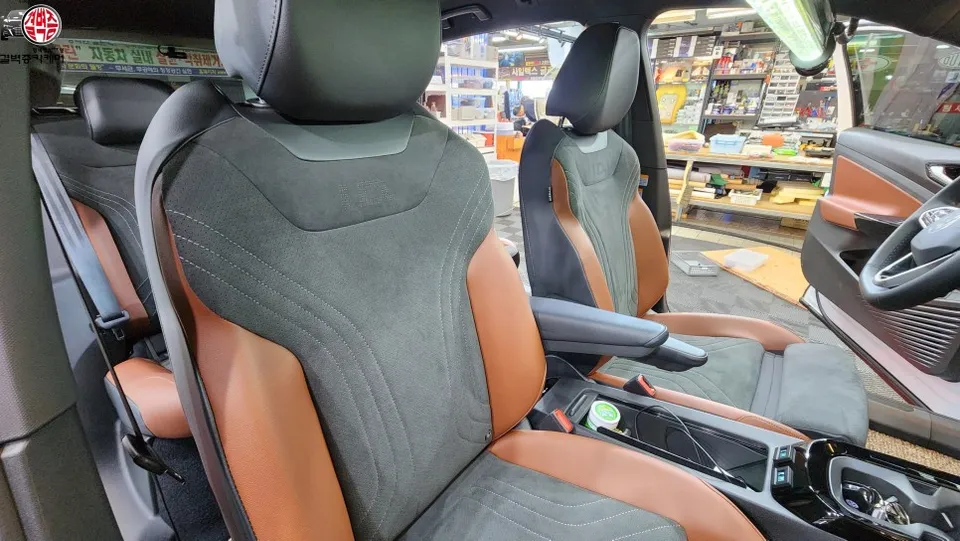
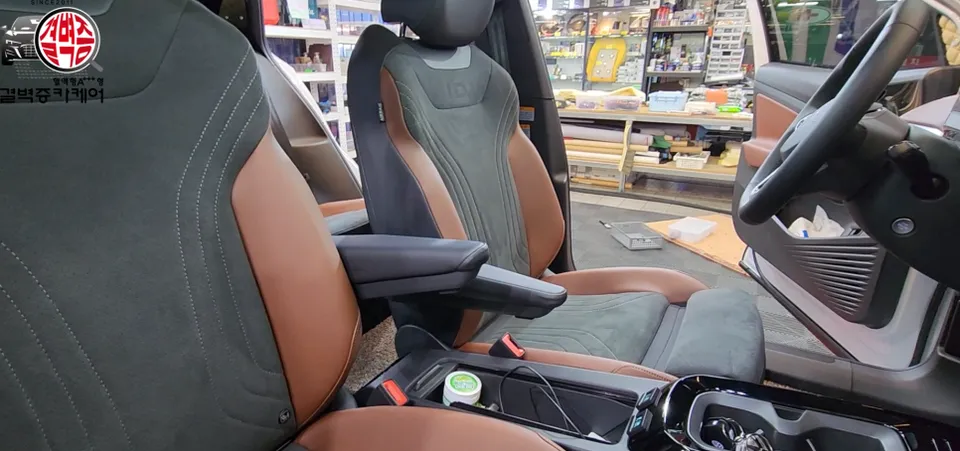
The original interior of the Volkswagen ID.4, particularly with its Alcantara fabric center sections, can trap heat and moisture. This leads to that unpleasant feeling of sticking to the seat, especially on longer journeys. The owner of the ID.4 featured in this review sought a solution to this common problem. While factory-equipped ventilated seats are available on some trims, many owners opt for aftermarket installations to enhance comfort. Frankly, driving without effective seat cooling in the summer can feel almost unbearable, and a good seat climate upgrade is one of the most impactful ways to improve your in-car experience.
The Installation Process: Bringing Cool Air to Your Seats
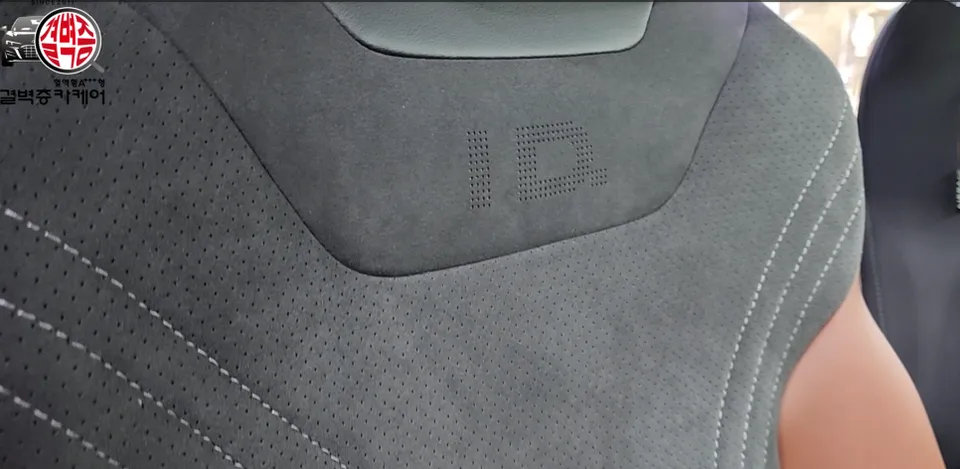
The process for adding seat ventilation involves several key steps to ensure optimal airflow and a seamless integration. In this case, the installation was performed at the 'Today's Car' Busan branch. The technicians used a specialized tool to carefully punch holes into the original Alcantara seat fabric. This method avoids the need to replace the entire seat cover, maintaining the original look and feel of the interior. Crucially, air ducts were installed to create pathways for air circulation within the seatback, maximizing the efficiency of the cooling fans. This ductwork is vital for ensuring that the cool air generated by the fans is effectively distributed throughout the seat.
Installation Process:
- Seat Disassembly: The seat covers are carefully removed to access the internal structure.
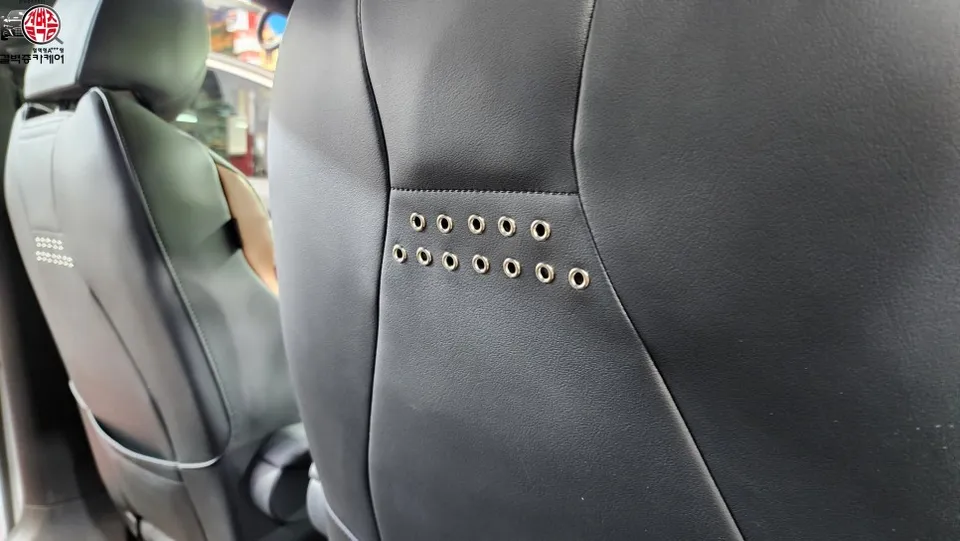
- Fabric Perforation: A specialized tool precisely punches small holes in the center sections of the seat fabric (backrest and cushion) to allow airflow.
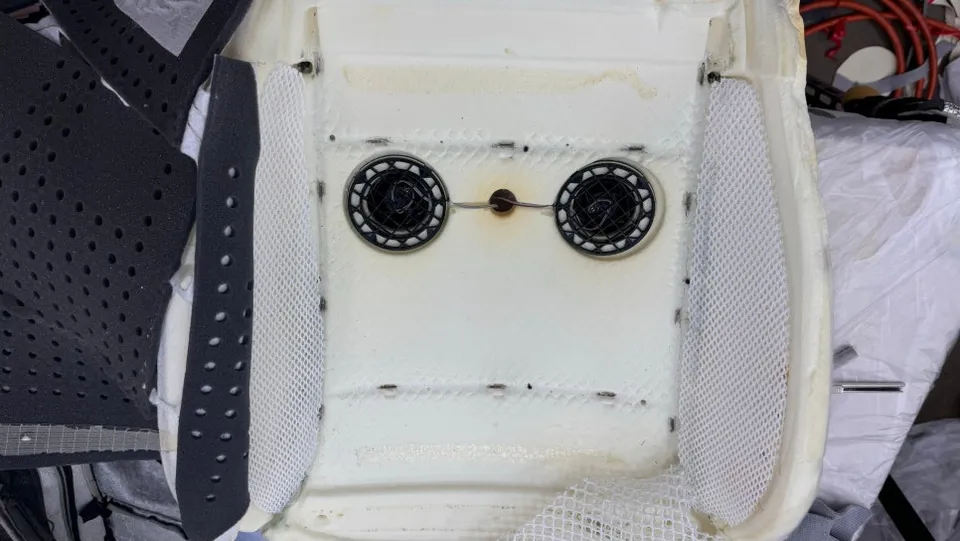
- Fan Installation: Small, powerful fans are strategically mounted within the seat base and backrest.
- Air Ducting: Air ducts are installed to channel air from the fans through the seat structure and out the perforated fabric.
- Wiring and Switch Integration: Fans are wired to a control unit, and a switch is installed (often on the side of the seat or in the center console) for user control.
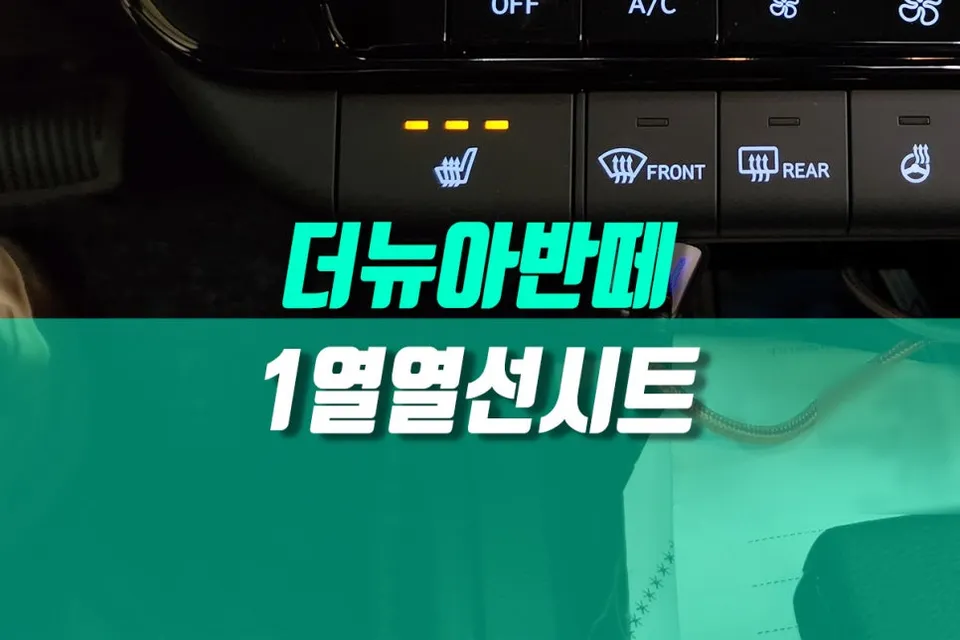
The control switch can be discreetly integrated, with options for placement on the seat side or even within the center console's cup holder area for a cleaner look. The OLED panel switches offer three adjustable levels of airflow, providing customizable comfort. For this Volkswagen ID.4, fans were installed in the seat cushion (4 fans), seatback (4 fans), and leg support (2 fans). While a standard installation includes a set number of fans, the quantity can be adjusted based on the owner's preference for airflow intensity. These fans operate at approximately 4500 RPM, delivering a strong breeze to minimize stickiness and enhance comfort.
The Result: A Cooler, More Comfortable Drive
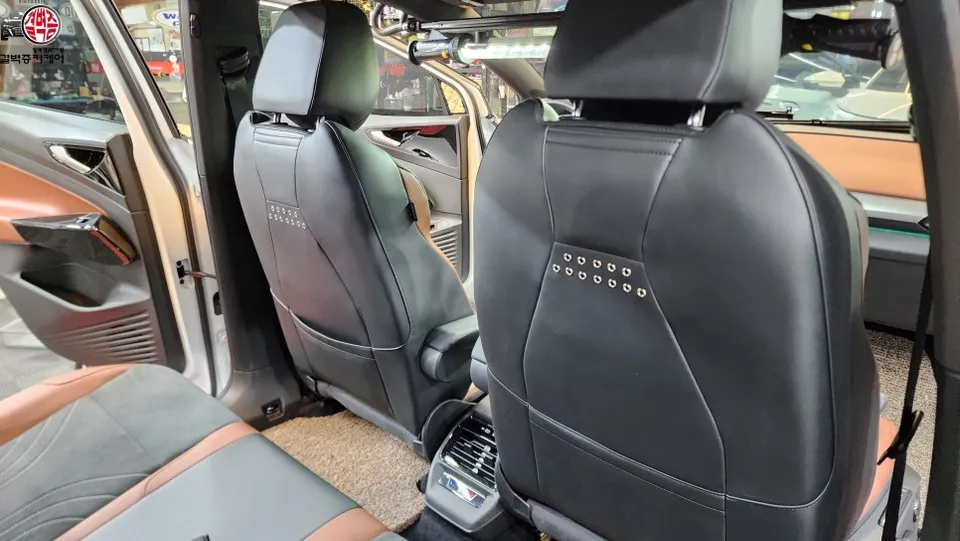
After the seat ventilation and heating installation, the Volkswagen ID.4 is transformed into a significantly more comfortable vehicle, even on the hottest days. The cool air circulates effectively, eliminating that uncomfortable, sticky feeling and making even long drives more enjoyable. Given the persistent humidity in many regions, this upgrade can make the remainder of the summer driving season much more pleasant. The cost for such an upgrade can vary. While the specific installation mentioned was performed in Korea, aftermarket seat climate upgrades in the US typically range from $40–80 for basic ventilation, with more complex systems including heating and advanced controls costing more. Factors influencing the final price include the vehicle model, the extent of the installation (number of fans, areas covered), and the type of control switch chosen. For an accurate quote, it's best to consult with a local installer who can assess your specific vehicle and needs.
The typical lifespan for these aftermarket seat ventilation systems, depending on the quality of the fans and components used, is generally around 3 to 5 years or more. Regular checks and maintenance, such as ensuring the fan intakes are free of debris, can help prolong the system's life and ensure consistent performance.
Frequently Asked Questions
Q. How much does ventilated seat installation cost for a Volkswagen ID.4?
While the specific installation in the source was in Korea, aftermarket seat ventilation upgrades in the US typically range from $40–80. More advanced systems with heating and premium controls can increase this price.
Q. How long does seat ventilation installation take on a Volkswagen ID.4?
The installation process for seat ventilation and heating typically takes about 3 to 4 hours. These systems generally maintain stable performance for 3 to 5 years or more, with regular checks recommended.
Q. Are aftermarket ventilated seats worth it for a Volkswagen ID.4?
Yes, aftermarket ventilated seats are highly recommended for drivers seeking to significantly improve comfort during hot and humid weather. The upgrade provides a noticeable difference in reducing stickiness and enhancing the overall driving experience.
Q. How are ventilated seats installed in a Volkswagen ID.4?
Installation involves carefully perforating the original seat fabric, installing small fans within the seat base and backrest, and integrating air ducting for efficient airflow. A control switch is then added for user operation.
Q. What is the difference between OEM and aftermarket ventilated seats for a Volkswagen ID.4?
OEM (Original Equipment Manufacturer) ventilated seats are factory-integrated and often come with specific control interfaces. Aftermarket installations offer a more customizable solution, often at a lower price point, and can be added to vehicles without factory options.
OhCar Partner Shop