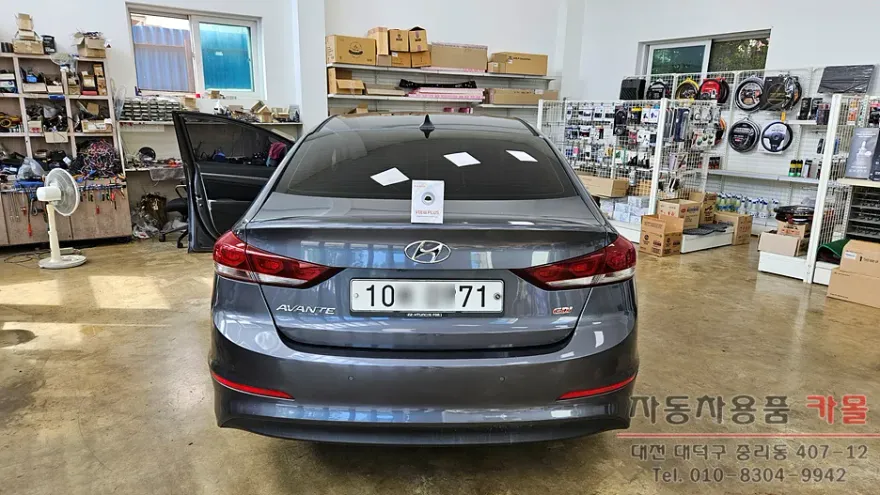
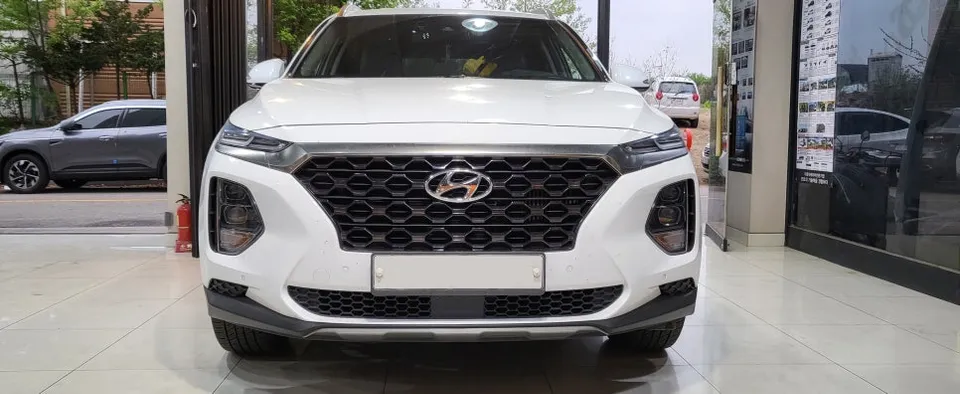
Hyundai Santa Fe TM BSD Installation Review
Service Price
$approx. $1,500+
Estimated price · Actual price may vary by shop
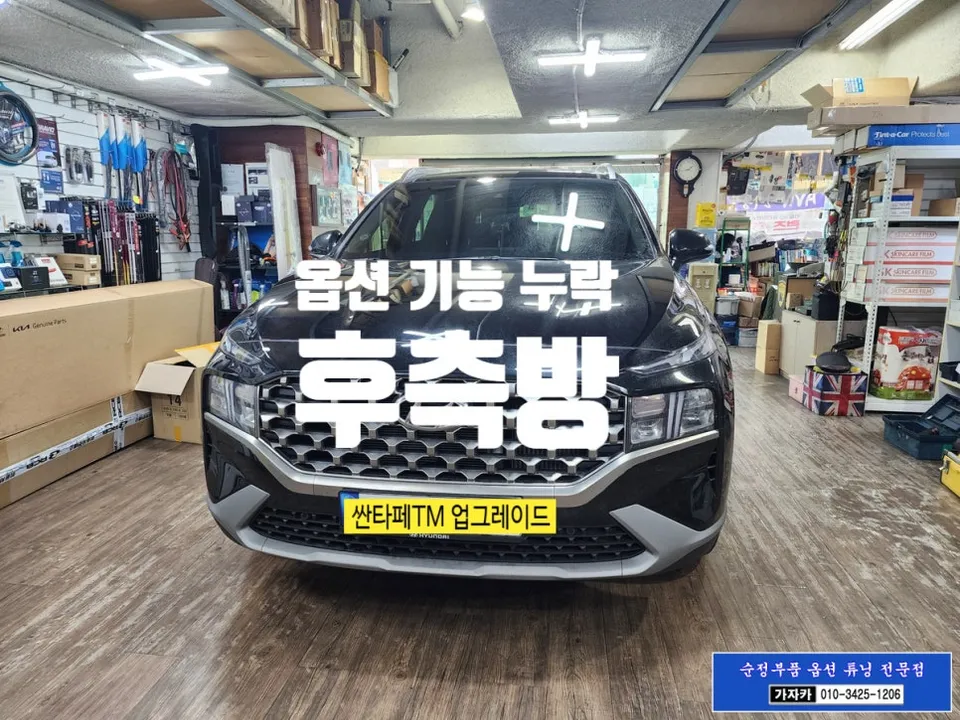
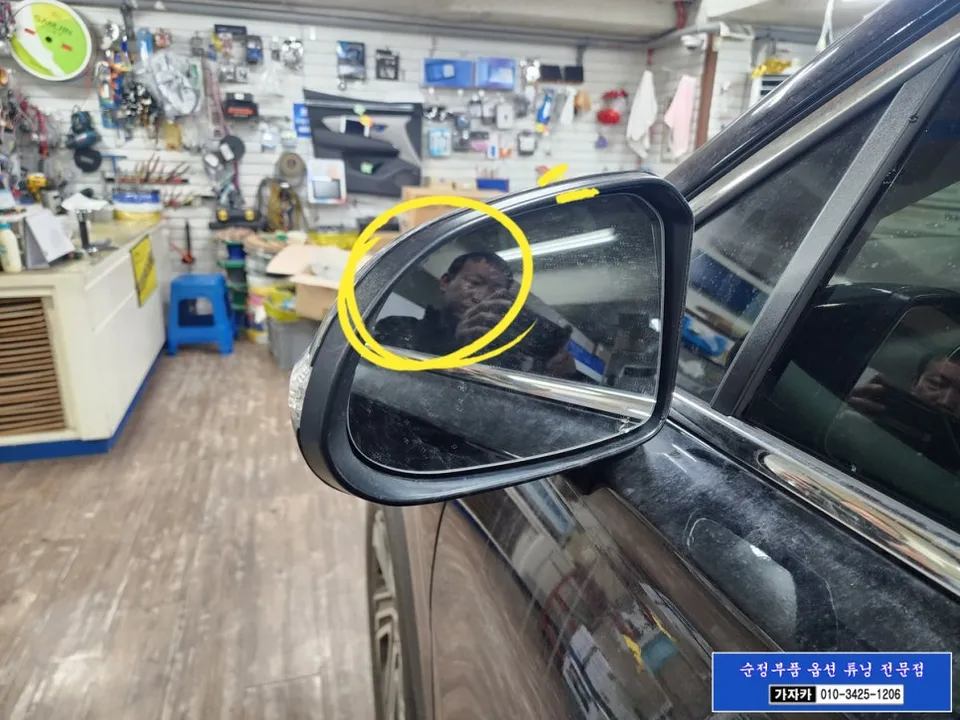
Hyundai Santa Fe TM Blind Spot Detection (BSD) installation using OEM parts. Enhances safety during lane changes and in poor visibility. Results in a
Enhancing Your Hyundai Santa Fe TM with Blind Spot Detection (BSD)
Many drivers find that certain advanced safety features are missed when purchasing a vehicle. For the Hyundai Santa Fe TM, the Blind Spot Detection (BSD) system is one such feature that significantly enhances driving safety, especially during lane changes and in challenging visibility conditions. This review details the process and benefits of retrofitting the genuine OEM BSD system onto a Santa Fe TM that was not originally equipped with it.
Understanding the Importance of BSD
The Blind Spot Detection (BSD) system, also known as Blind Spot Monitoring (BSM), is a crucial driver-assistance technology designed to alert you to vehicles in your blind spots. Using radar sensors typically mounted on the rear bumper, BSD monitors the areas to the rear and sides of your vehicle. When a vehicle enters these zones, especially when you signal to change lanes, the system provides visual alerts, often on the side mirrors. Some advanced systems, like the Blind-spot Collision-Avoidance Assist (BCA) available on certain trims, can also provide audible warnings and even intervene with steering or braking to help prevent a collision.
The necessity of BSD becomes particularly evident in various driving scenarios. During nighttime driving or in adverse weather conditions like heavy rain or snow, visibility is significantly reduced, making it harder to rely solely on mirrors. BSD provides an extra layer of awareness, ensuring you're alerted to approaching vehicles you might otherwise miss. On highways, where speeds are higher, the ability to quickly and safely assess adjacent lanes is paramount. BSD helps by detecting fast-approaching vehicles in your blind spot, allowing for safer lane changes. In urban environments, navigating tight spaces, complex intersections, or exiting parking spots can be hazardous. BSD, often working in conjunction with Rear Cross-Traffic Collision-Avoidance Assist (RCCA), helps prevent low-speed collisions by alerting you to vehicles approaching from the sides.
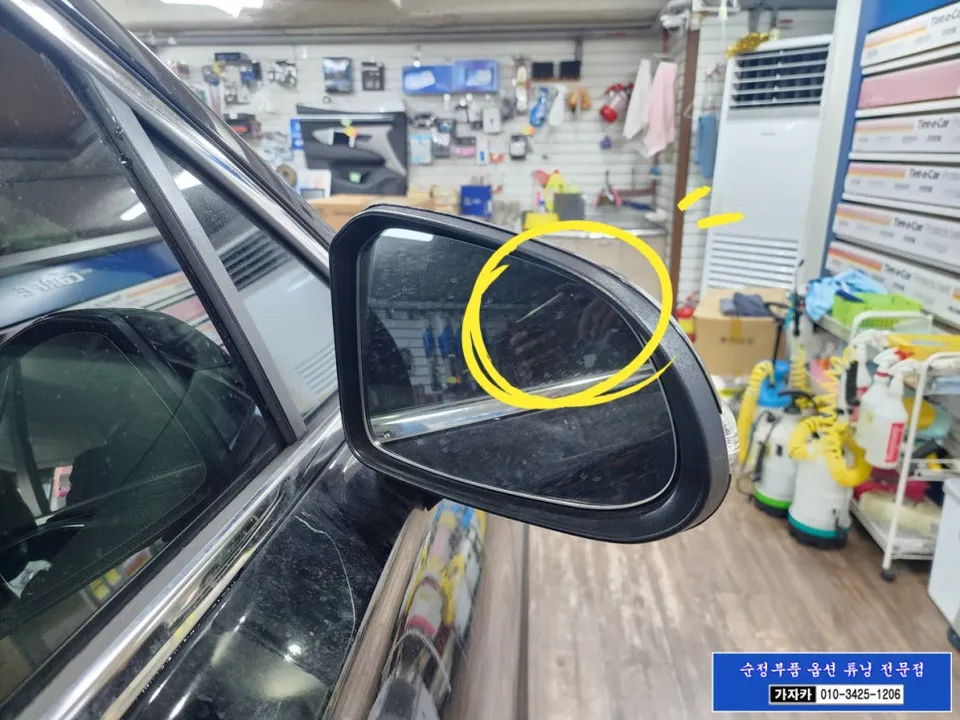
OEM BSD System Installation Process
For Santa Fe TM models lacking the factory-installed BSD, a professional retrofit using genuine Hyundai OEM parts offers a seamless integration. The process ensures that the system functions exactly as if it were installed from the factory.
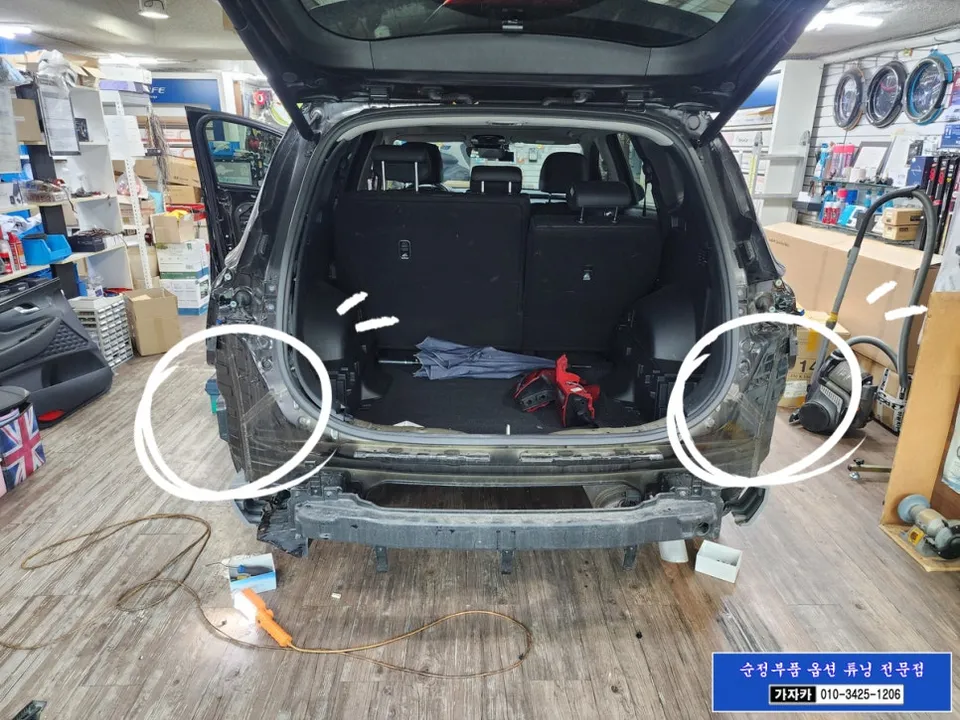
- Sensor Installation: The rear bumper is carefully removed to mount the OEM radar sensors in their designated locations.
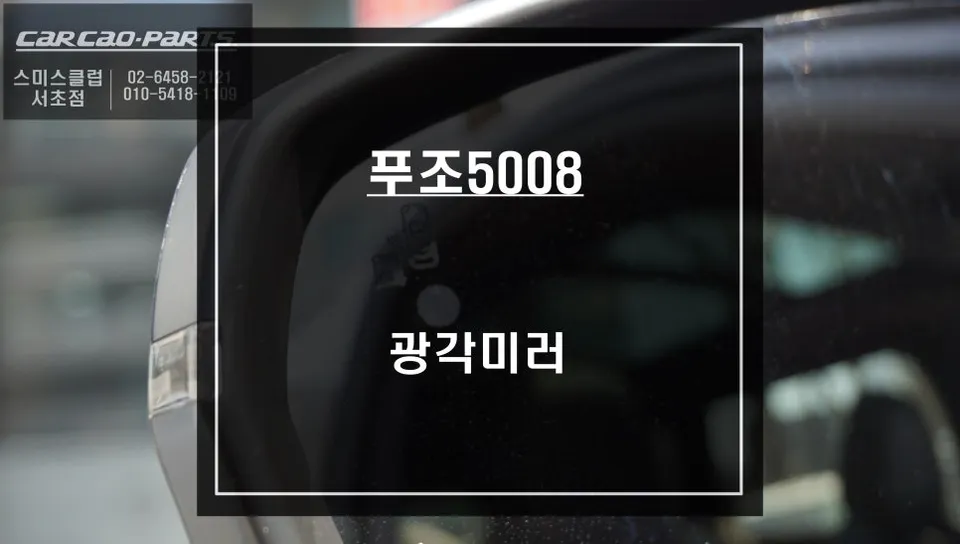
- Mirror Replacement: The original side mirror glass units are replaced with units that incorporate the BSD warning indicators.
- Wiring Harness Integration: A specific wiring harness is run from the sensors to the side mirrors and the vehicle's control modules, ensuring proper communication between components.
- ECU Programming: The vehicle's Electronic Control Unit (ECU) is programmed to recognize and activate the new BSD system, enabling its features through the infotainment system and dashboard warnings.
- Functional Testing: After installation, thorough testing is conducted to verify that the sensors detect vehicles accurately and the warning indicators function correctly under various conditions.
This meticulous process ensures that the retrofitted BSD system provides the same level of safety and reliability as a factory-equipped option, giving Santa Fe TM owners peace of mind on every journey.
Frequently Asked Questions
Q. How much does OEM Blind Spot Detection installation cost for a Hyundai Santa Fe TM?
The cost for this OEM BSD installation on a Hyundai Santa Fe TM in Korea was approximately ₩700,000. Typical US pricing for similar professional retrofits can range from $500 to $1000, depending on the vehicle and specific components.
Q. How long does OEM BSD installation take on a Hyundai Santa Fe TM?
The installation process typically takes between 3 to 5 hours to complete. Regular cleaning of the rear sensors and ensuring your side mirrors are clean will help maintain optimal performance of the BSD system.
Q. Are OEM BSD options worth adding after purchase for a Hyundai Santa Fe TM?
Yes, adding OEM BSD is highly recommended for drivers who frequently use highways or change lanes in busy traffic, as it significantly enhances safety. The value lies in the increased awareness and accident prevention capabilities it provides.
Q. How are OEM factory options like BSD installed on a Hyundai Santa Fe TM?
Installation involves mounting OEM radar sensors on the rear bumper, replacing side mirrors with units containing warning lights, integrating a specific wiring harness, and programming the vehicle's ECU. Finally, the system's functionality is thoroughly tested.
Q. What is the difference between dealer-installed options and aftermarket upgrades for a Hyundai Santa Fe TM?
OEM options, like the genuine BSD system installed here, are designed and manufactured by Hyundai for seamless integration and guaranteed compatibility. Aftermarket upgrades may offer similar functions but can sometimes lead to compatibility issues or void certain vehicle warranties.
OhCar Partner Shop