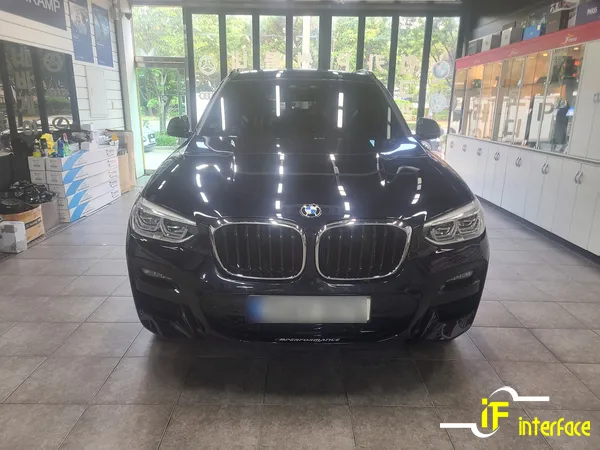
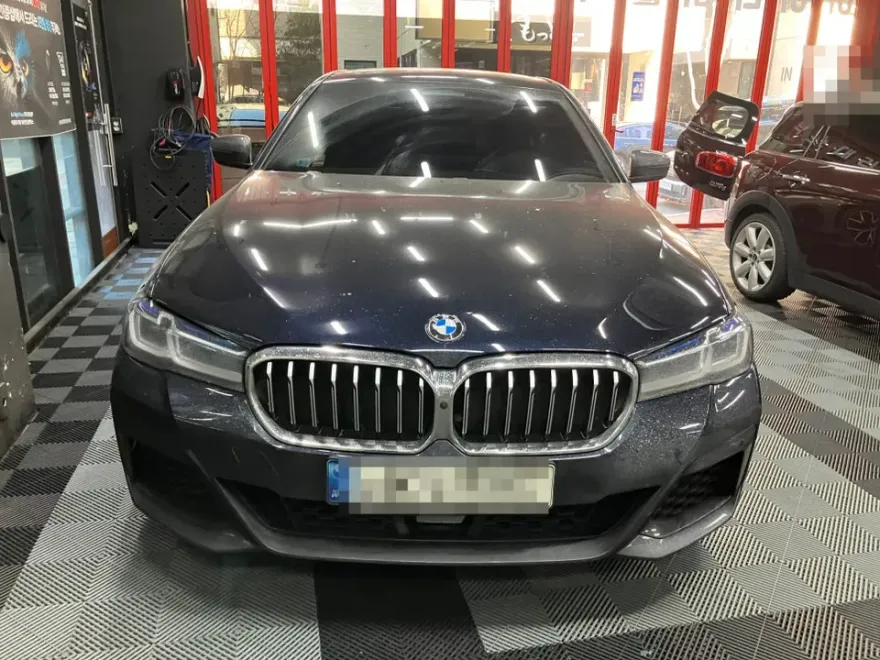
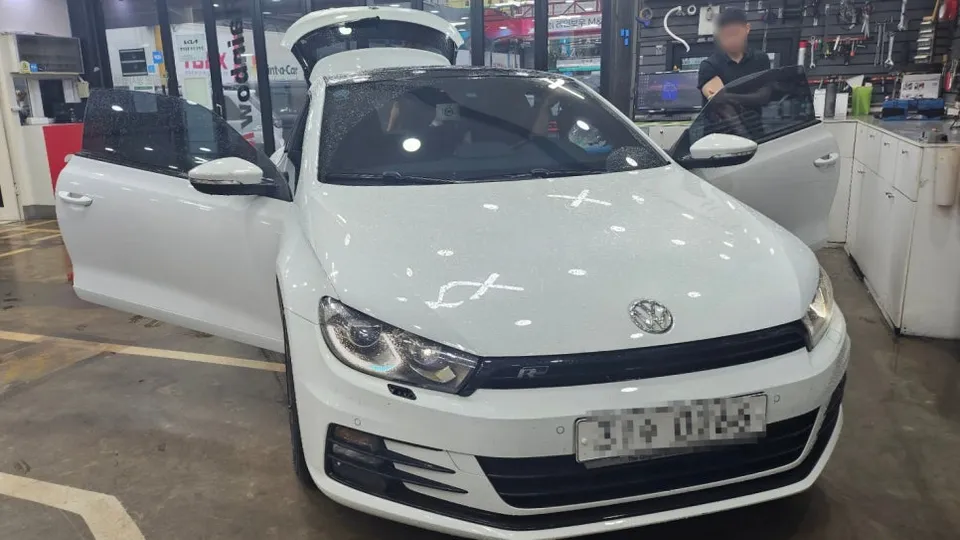
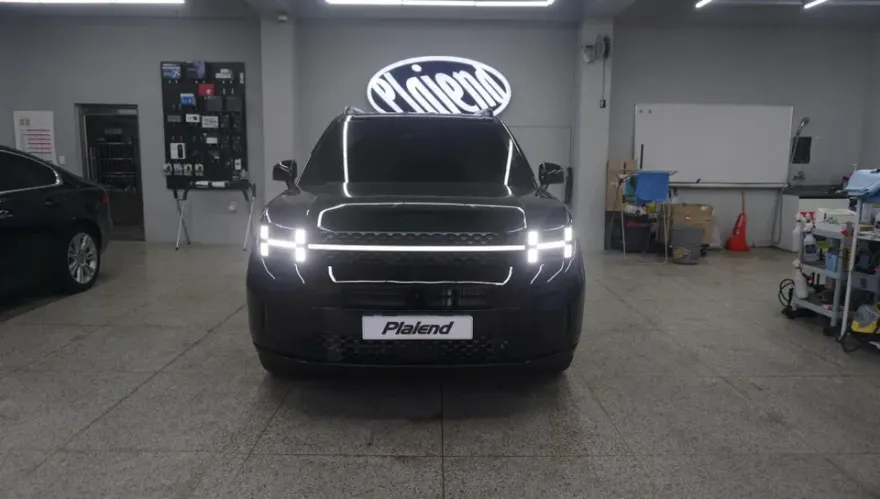
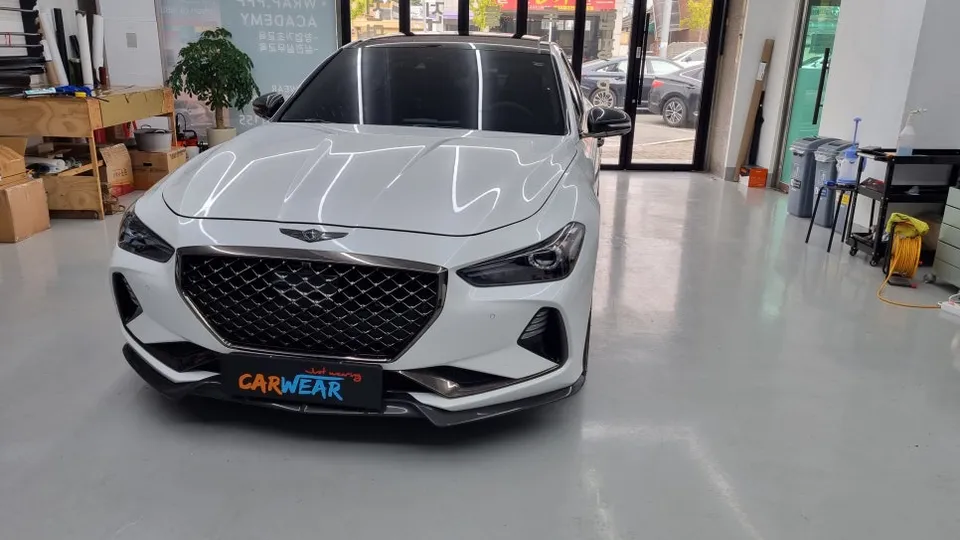
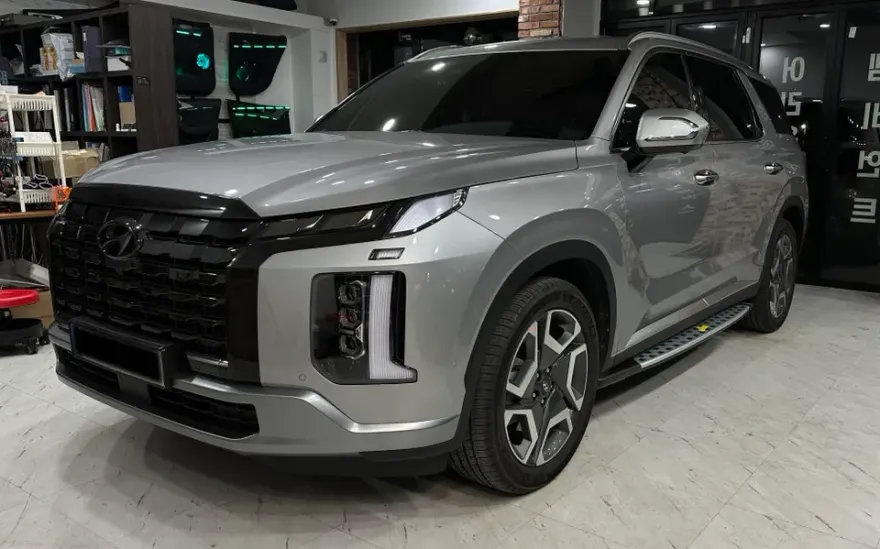
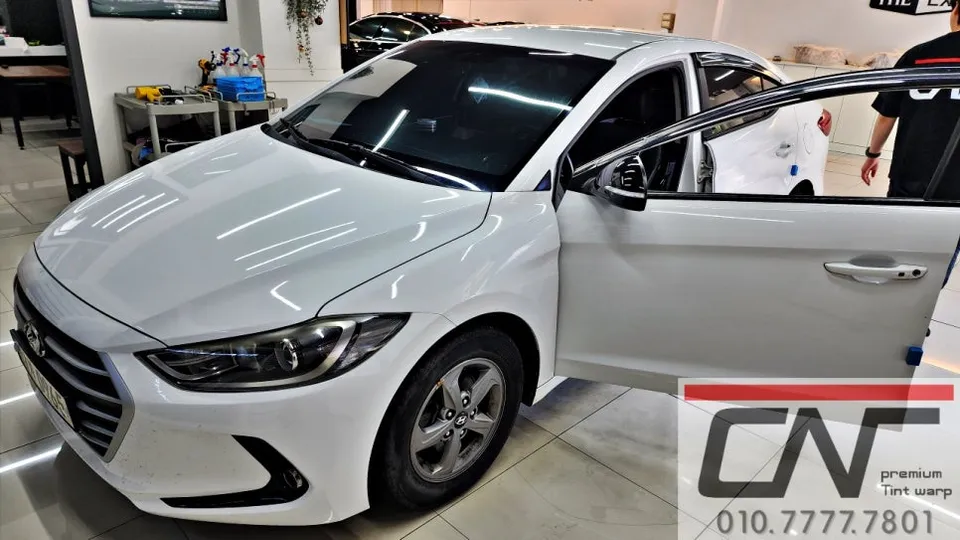
Hyundai Sonata DN8 Dash Cam Installation Review
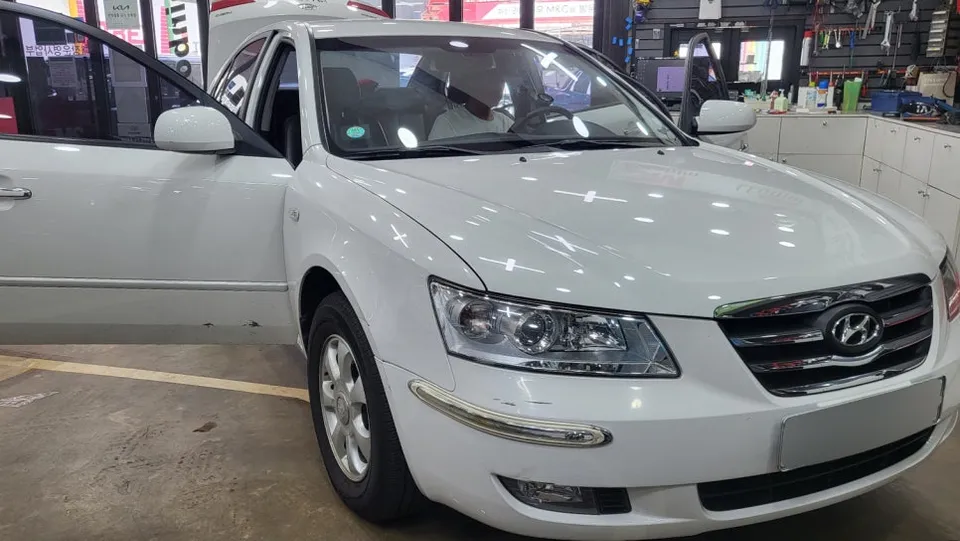
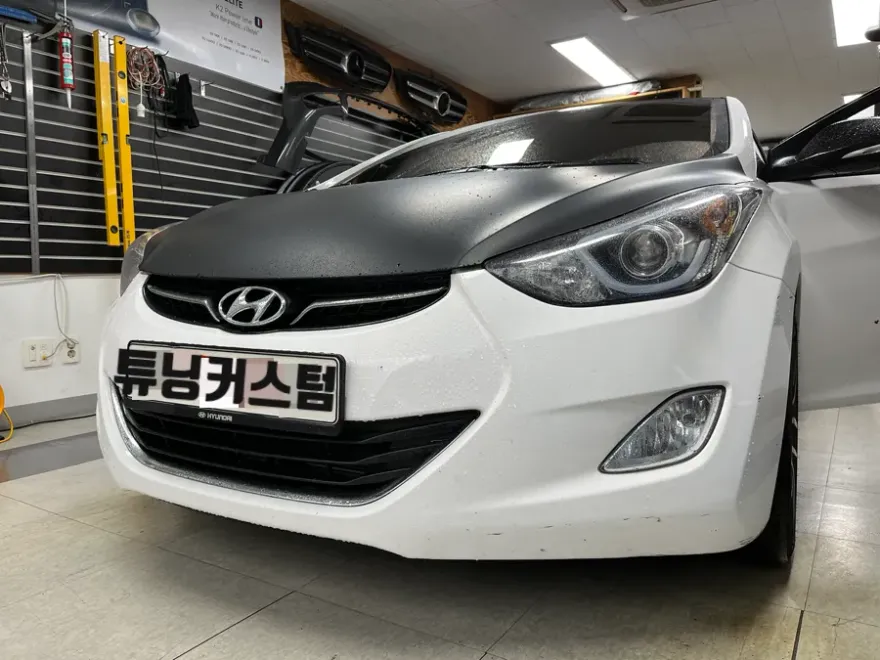
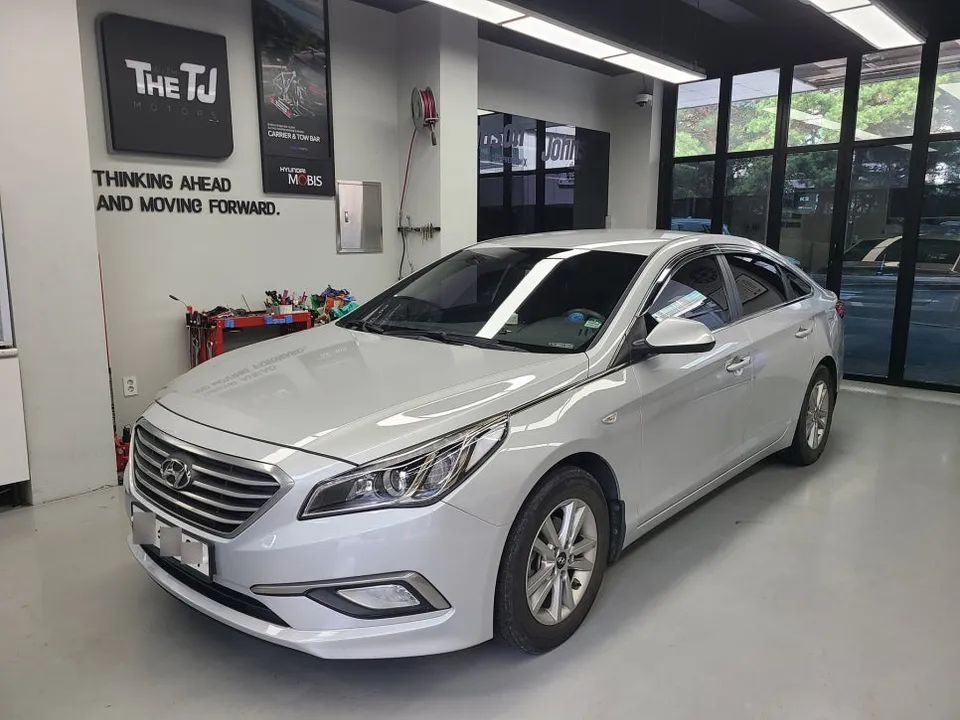
Before
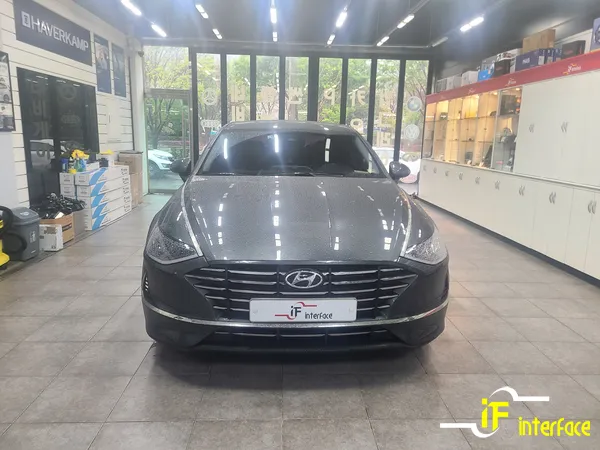
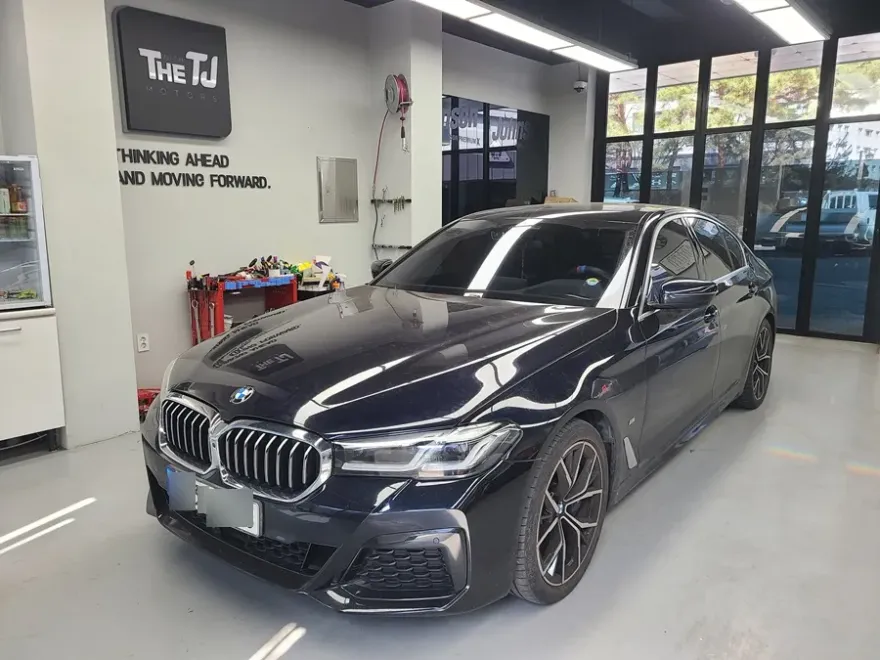
After
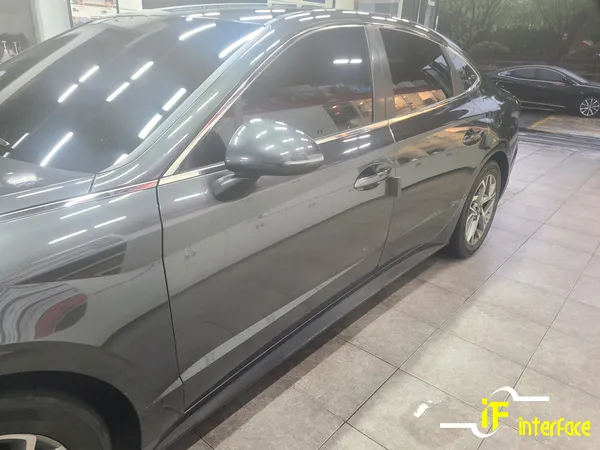
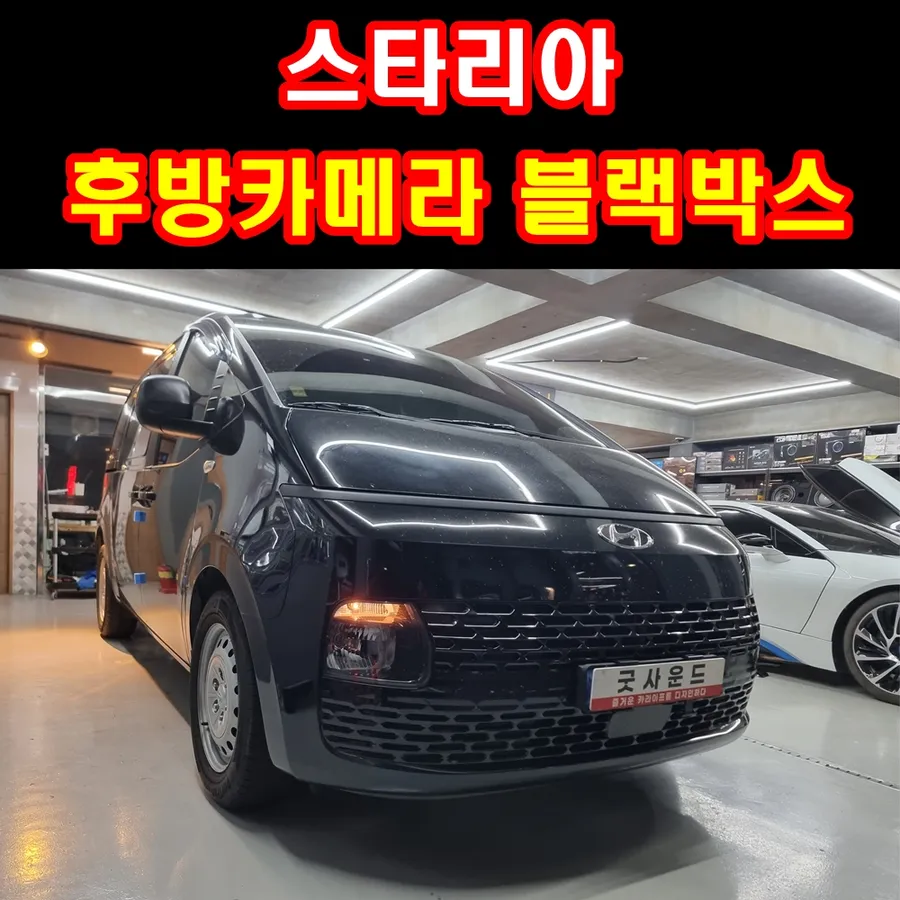
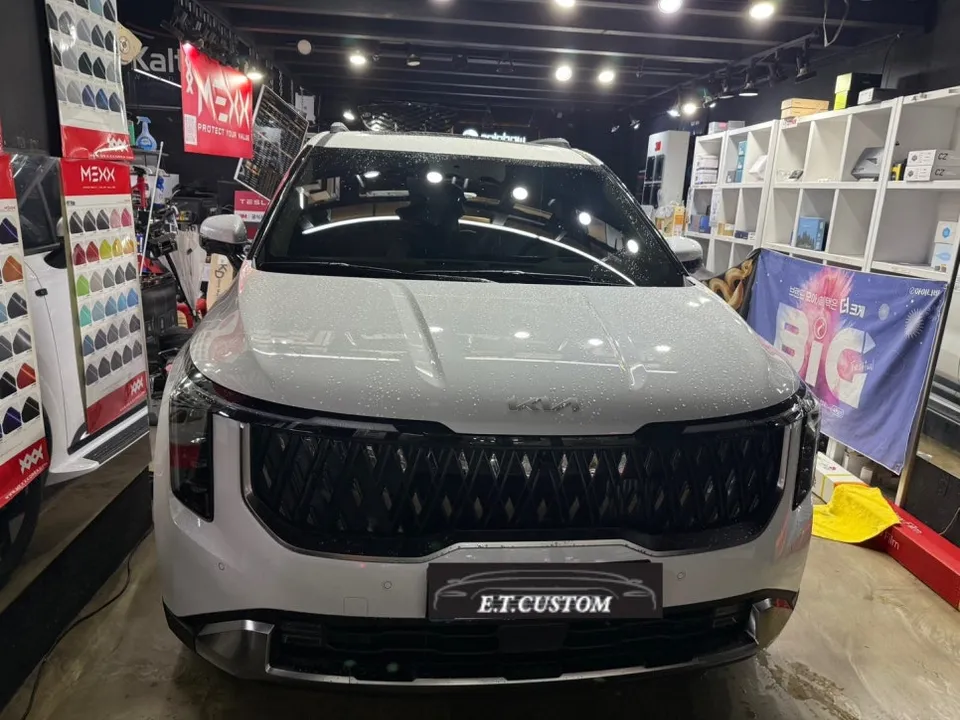
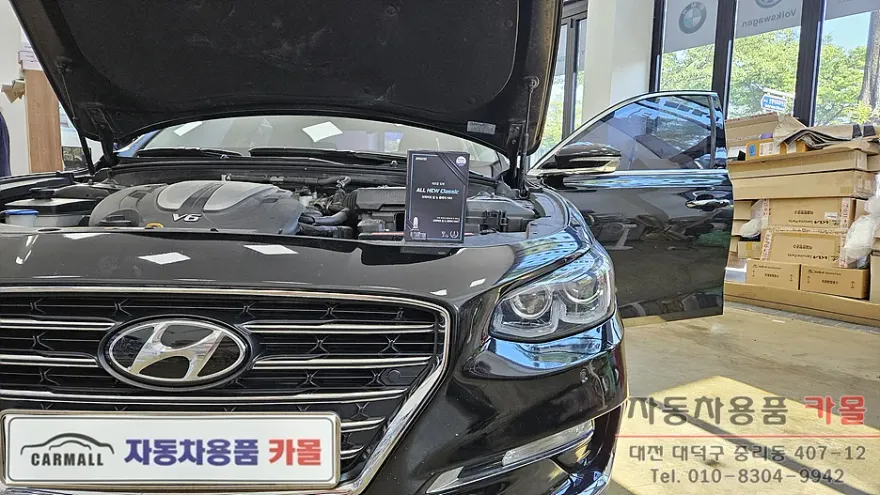
Process photos
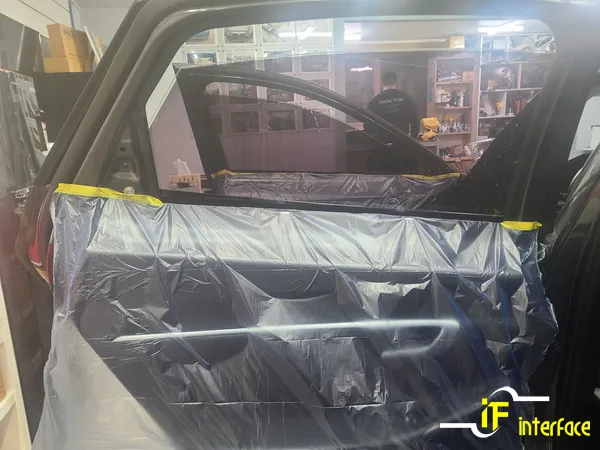
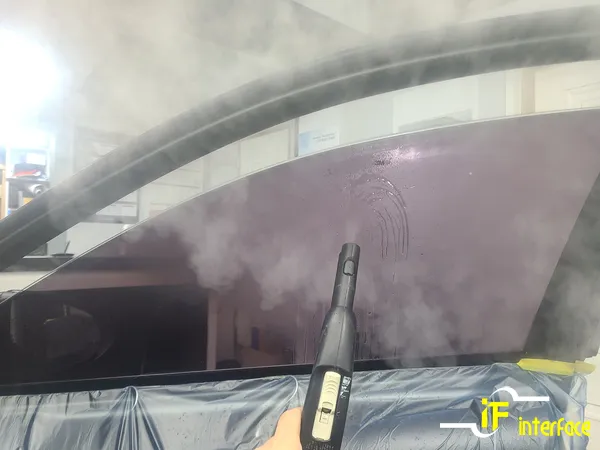
Dash cam installation on Hyundai Sonata DN8: Professional service ensures optimal placement and wiring. Enhances safety and provides crucial evidence.
Professional Dash Cam Installation for Your Hyundai Sonata DN8
As the summer heat intensifies, ensuring your Hyundai Sonata DN8 is equipped with advanced safety features is paramount. This review focuses on the professional installation of a dash cam system, specifically tailored for the Hyundai Sonata DN8 model, by Interface in Gimhae, South Korea. While the original context mentions services like window tinting and rear-view cameras, our focus here is solely on the dash cam installation process and its benefits for Sonata DN8 owners in the Gimhae, Gu-san-dong, and Samgye-dong areas.
Why Choose Professional Dash Cam Installation?
While DIY dash cam kits are available, professional installation offers several advantages, especially for a sophisticated vehicle like the Hyundai Sonata DN8. It ensures a clean, seamless integration with your vehicle's electrical system, preventing potential issues with wiring or battery drain. Professional installers also have the expertise to position the camera optimally for maximum field of view and discreet placement, maintaining the aesthetics of your Sonata's interior. This service is particularly relevant for drivers in busy urban environments or those who frequently travel, providing crucial evidence in case of accidents or unexpected events.
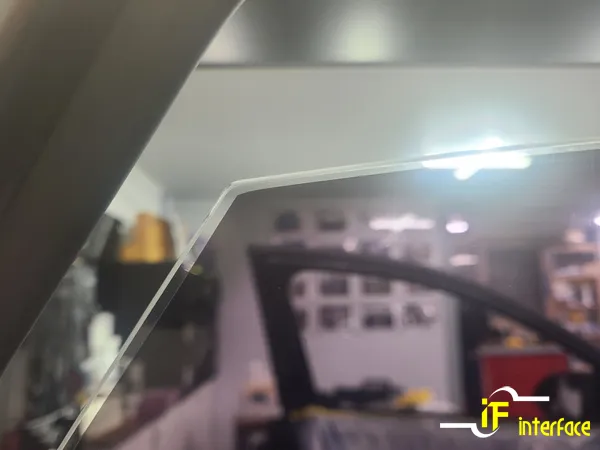
Dash Cam Installation Process:
- Initial Consultation & Placement: Discuss camera placement options with the installer to ensure optimal viewing angles and minimal obstruction, while maintaining the vehicle's interior aesthetics.
- Wiring & Power Management: The installer will carefully route the power and data cables, often integrating them with the vehicle's fuse box for a clean, hardwired setup that supports parking mode features.
- Component Mounting: Securely mount the dash cam unit(s) and any associated rear cameras, ensuring they are firmly attached and aligned correctly.
- Testing & Configuration: Verify that the dash cam is recording correctly, check video quality, and configure settings such as resolution, loop recording, and G-sensor sensitivity.
The professional installation of a dash cam on your Hyundai Sonata DN8 not only enhances your vehicle's safety features but also provides peace of mind. The clean integration and expert setup ensure reliable performance, capturing critical footage when you need it most. For Sonata DN8 owners in Gimhae, Interface offers a comprehensive solution for dash cam fitting, ensuring a professional and satisfactory outcome.
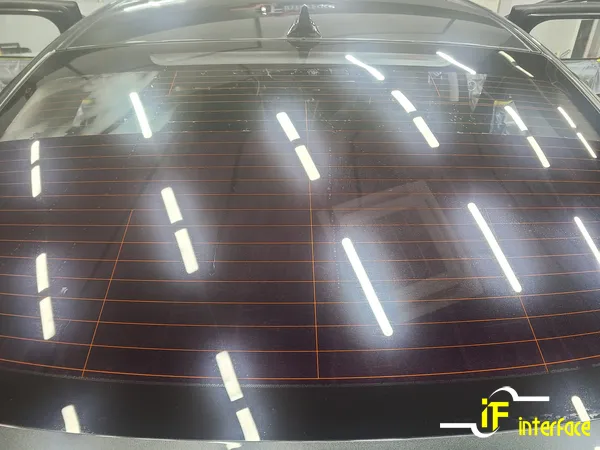
Frequently Asked Questions
Q. How much does dash cam installation cost for a Hyundai Sonata DN8?
While the specific price for this Hyundai Sonata DN8 dash cam installation in Gimhae was not detailed, professional installations in the US typically range from $100 to $300, depending on the complexity and features.
Q. How long does dash cam installation take on a Hyundai Sonata DN8?
Professional dash cam installation usually takes between 1 to 3 hours, depending on the system's complexity and the vehicle's wiring. Regular maintenance involves checking the lens for dirt and ensuring firmware is up-to-date.
Q. Is a hardwired dash cam worth it over a self-install for a Hyundai Sonata DN8?
A hardwired dash cam is highly recommended for a Hyundai Sonata DN8, especially for utilizing parking mode features without draining the battery. Professional installation ensures a clean, reliable setup that maximizes the value proposition.
Q. How is a dash cam professionally installed on a Hyundai Sonata DN8?
Professional installation involves discreetly routing wires, often connecting to the vehicle's fuse box for power, and securely mounting the camera unit. The process includes testing and configuring settings for optimal performance.
Q. What is the difference between a 1-channel and 2-channel dash cam for a Hyundai Sonata DN8?
A 1-channel dash cam records only the front view, while a 2-channel system records both front and rear views, offering comprehensive coverage. For most drivers, a 2-channel system provides significantly better protection and evidence gathering.
OhCar Partner Shop