Hyundai Sonata DN8 OEM Options Review: Cost & Results
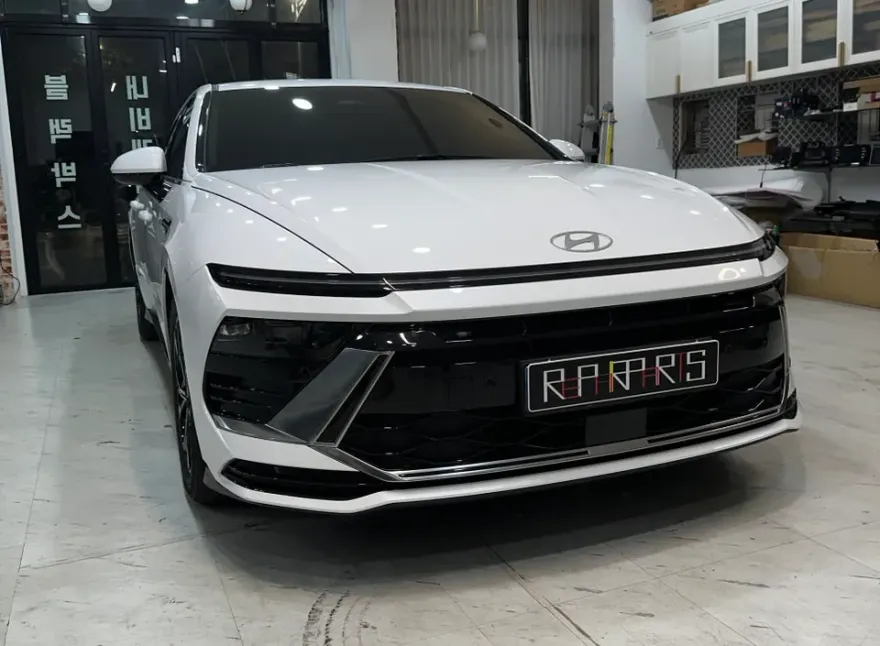
Hyundai Sonata DN8 OEM option retrofit (ASCC, HDA, BCW) costs approx. ₩1.5-2.5M. Enhances safety and driving comfort.
Enhancing Your Hyundai Sonata DN8 with Factory Options
Are you driving a Hyundai Sonata DN8 and finding yourself wishing for more advanced features? Many owners experience this, especially when it comes to crucial driving aids. Fortunately, you don't have to live with the factory configuration. Today, we're diving into the world of OEM option retrofits, specifically focusing on adding Adaptive Smart Cruise Control (ASCC), Highway Driving Assist (HDA), and Blind-Spot Collision Warning (BCW) to the Sonata DN8. This process involves integrating genuine Hyundai parts to bring your vehicle up to a higher specification, enhancing both comfort and safety on your drives. Based on real owner experiences and detailed installation photos from South Korea, this guide will cover what these options entail, the installation process, and whether the investment is justified.
Understanding the Value of ASCC, HDA, and BCW
Let's break down what each of these factory upgrades offers. ASCC (Adaptive Smart Cruise Control) is more than just cruise control; it maintains a set speed while automatically adjusting your distance from the vehicle ahead. When paired with HDA (Highway Driving Assist), which includes lane-centering capabilities, ASCC transforms long highway journeys into a significantly less fatiguing experience. HDA actively helps keep the vehicle centered within its lane and manages speed and distance, making traffic jams and open road cruising much more manageable. BCW (Blind-Spot Collision Warning) utilizes rear radar sensors to detect vehicles in your blind spots. It alerts you via an LED indicator in the side mirror, and in some configurations, can provide steering or braking intervention if you attempt to change lanes while a vehicle is detected, greatly reducing the risk of side-swipe accidents.
The Installation Process for OEM Options
Integrating these OEM options requires precision and genuine parts. The process typically involves several key steps:
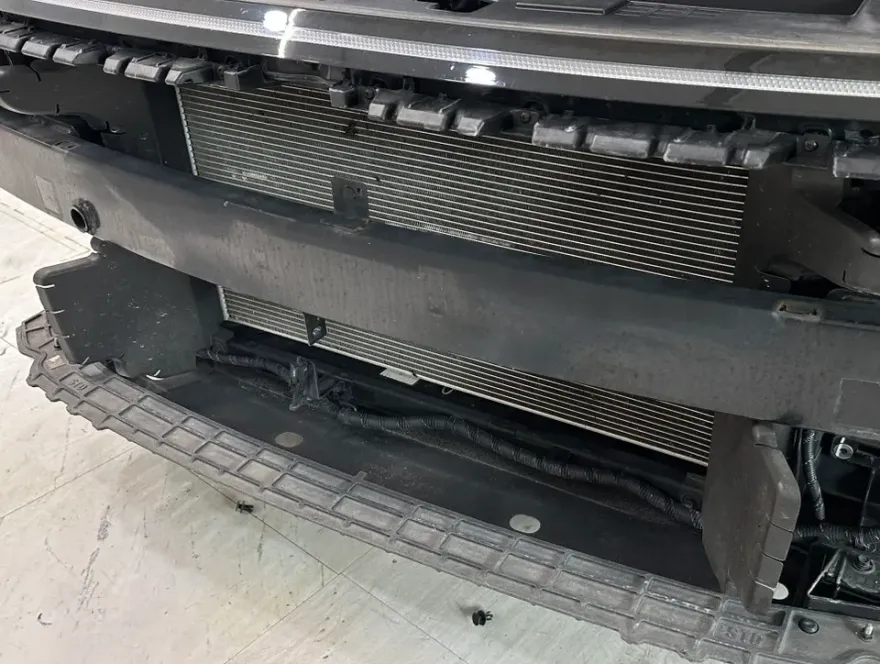
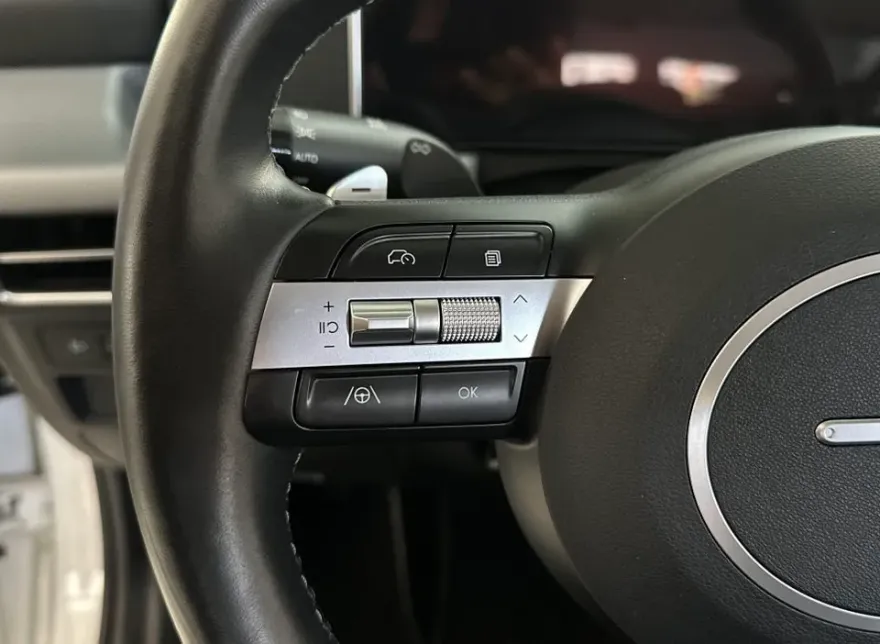
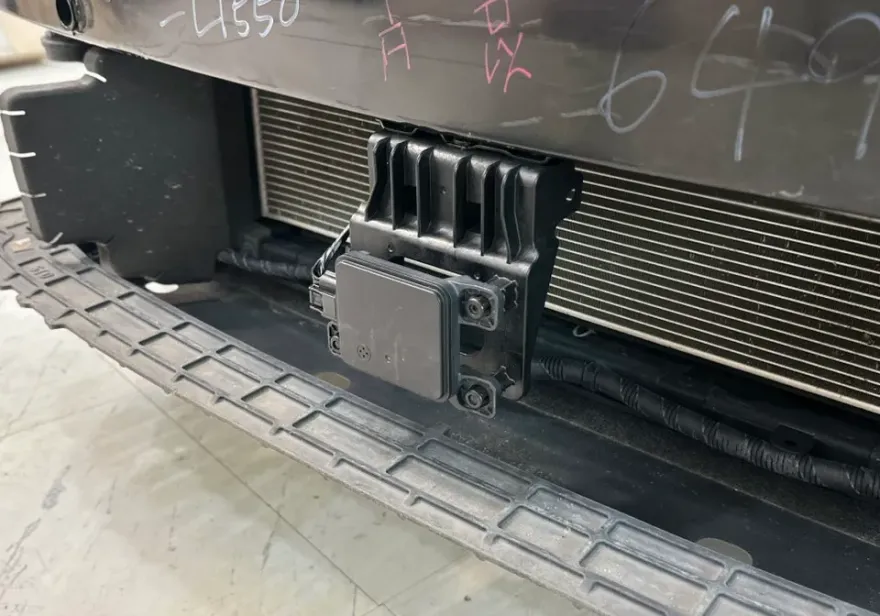
- Component Replacement: For ASCC/HDA, this usually means removing the front bumper to install the correct front radar sensor and associated mounting hardware. The steering wheel switch cluster is also replaced with one that includes controls for these new functions.
- Wiring and Integration: Detailed wiring is performed, connecting the new sensors and switches to the vehicle's existing electrical system according to factory schematics. This ensures seamless communication between the components and the car's computer.
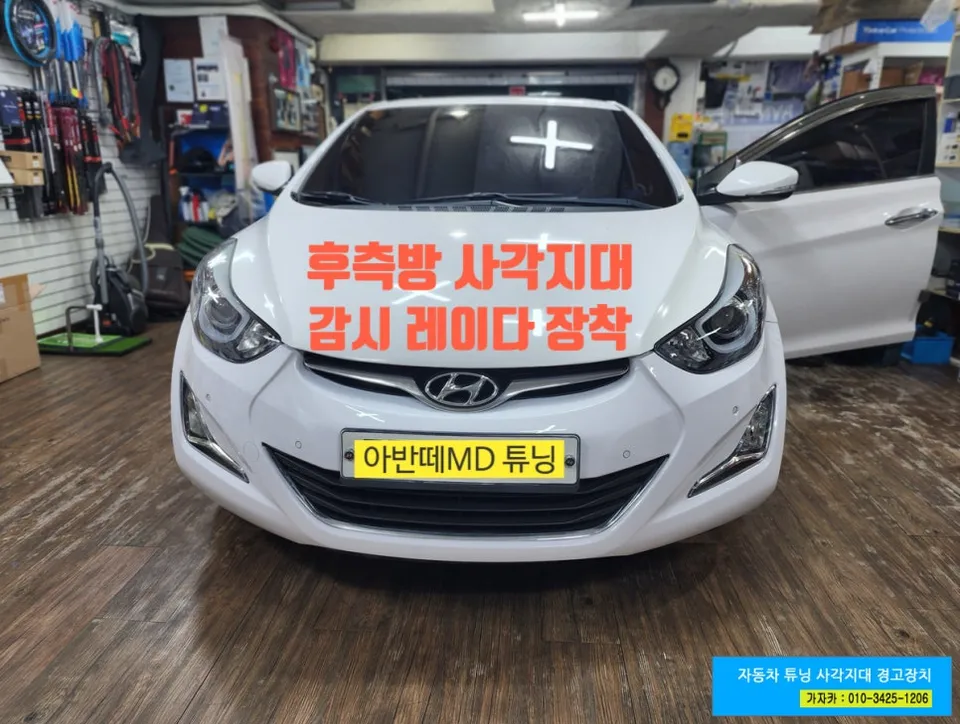
- Rear Sensor Installation: For BCW, the rear bumper is removed to precisely mount the blind-spot radar sensors in their factory locations. Again, meticulous wiring is crucial for proper function.
- Calibration and Testing: After all physical components are installed and wired, the system undergoes calibration. This ensures the sensors are accurately detecting objects and the functions operate as intended. Final checks are performed through the infotainment system to confirm all settings are accessible and operational.
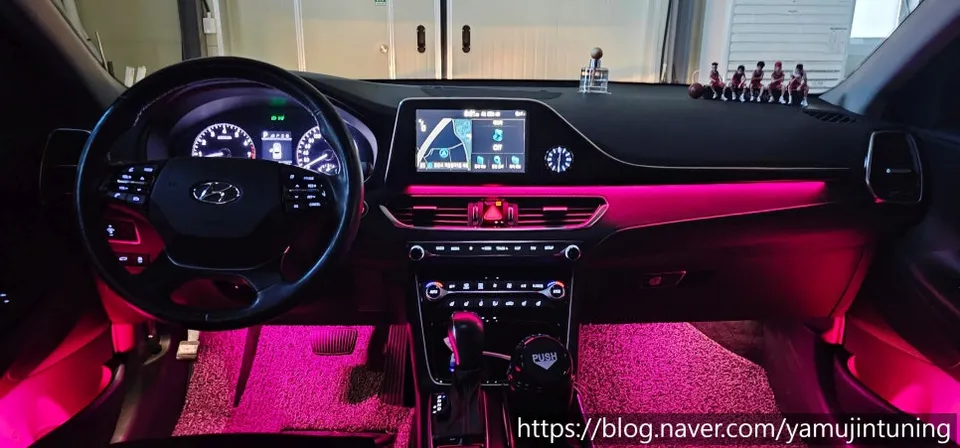
The result is a Sonata DN8 that functions as if it left the factory with these advanced features. The infotainment system will display settings for ASCC, HDA, and BCW, allowing for customization and monitoring. For BCW, the side mirrors will gain LED indicators, and the system can provide tactile feedback through steering wheel vibrations or even active steering adjustments if a dangerous situation is detected. The cost for such a retrofit in South Korea can vary, but owners have reported costs in the range of approximately 1.5 to 2.5 million KRW (roughly $1,100 to $1,800 USD), depending on the specific options chosen and the installer.
Frequently Asked Questions
Q. How much does OEM option and factory upgrade installation cost for a Hyundai Sonata DN8?
In South Korea, retrofitting OEM options like ASCC, HDA, and BCW onto a Hyundai Sonata DN8 typically costs between 1.5 to 2.5 million KRW (approximately $1,100 to $1,800 USD). Actual costs can vary based on the specific options installed and the service provider.
Q. How long does OEM options installation take on a Hyundai Sonata DN8?
The durability of OEM option retrofits is generally excellent, as they use genuine factory parts designed for long-term use. Regular maintenance involves ensuring sensors are clean and free of debris, similar to standard vehicle upkeep.
Q. Are OEM options worth adding after purchase for a Hyundai Sonata DN8?
Adding OEM options like ASCC, HDA, and BCW is most beneficial for drivers who frequently use highways or experience heavy traffic, as these features significantly reduce driving fatigue and enhance safety. The value proposition lies in gaining advanced driver-assistance systems without purchasing a higher trim level initially.
Q. How are OEM factory options installed on a Hyundai Sonata DN8?
Installation involves replacing specific components like the front radar sensor and steering wheel switches for ASCC/HDA, and adding rear sensors for BCW. The process includes precise wiring according to factory schematics, followed by system calibration and testing via the infotainment interface.
Q. What is the difference between dealer-installed options and aftermarket upgrades for a Hyundai Sonata DN8?
OEM factory options utilize genuine Hyundai parts and are integrated seamlessly with the vehicle's existing systems, often controlled through the factory infotainment. Aftermarket upgrades, while potentially cheaper, may not offer the same level of integration, reliability, or warranty coverage.
OhCar Partner Shop