Hyundai Tucson NX4 Seat Climate Upgrade Review
Service Price
$75–115
Estimated price · Actual price may vary by shop
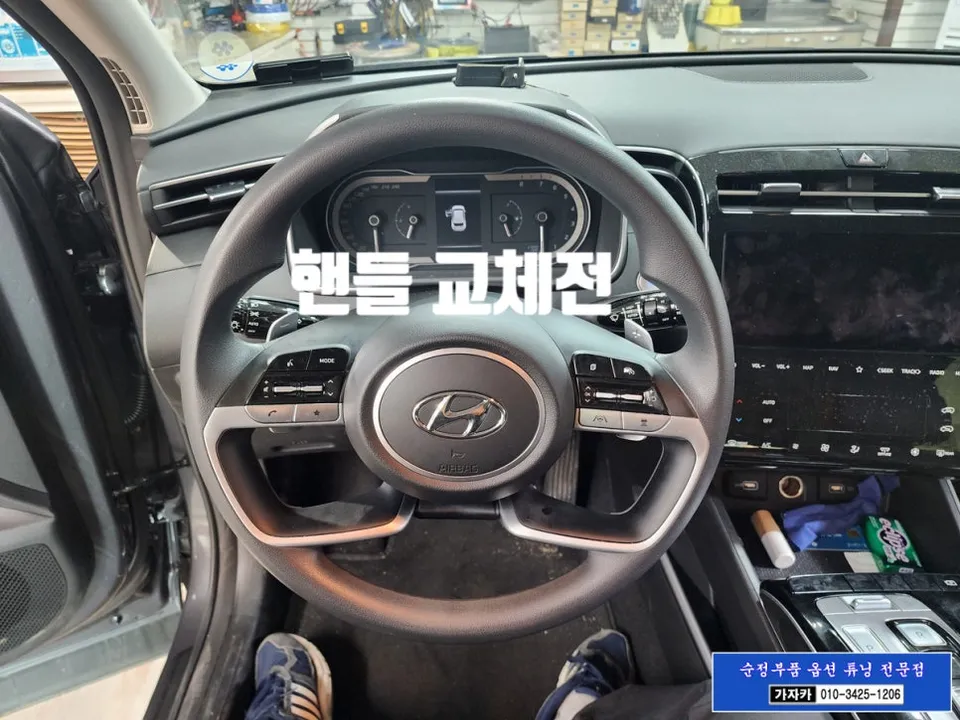
Before
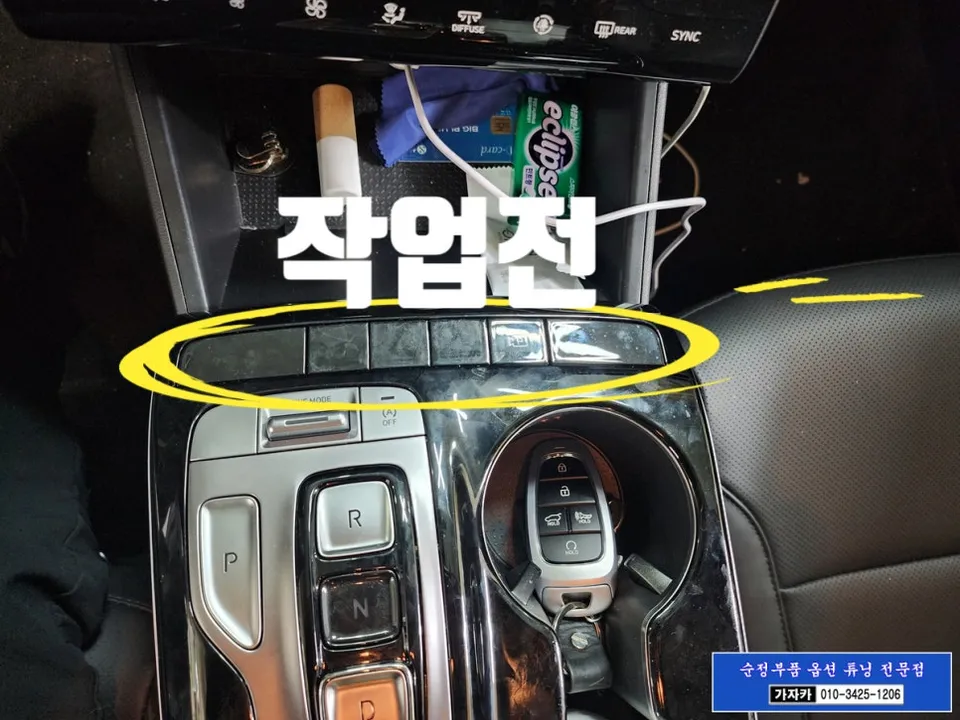
After

Process photos

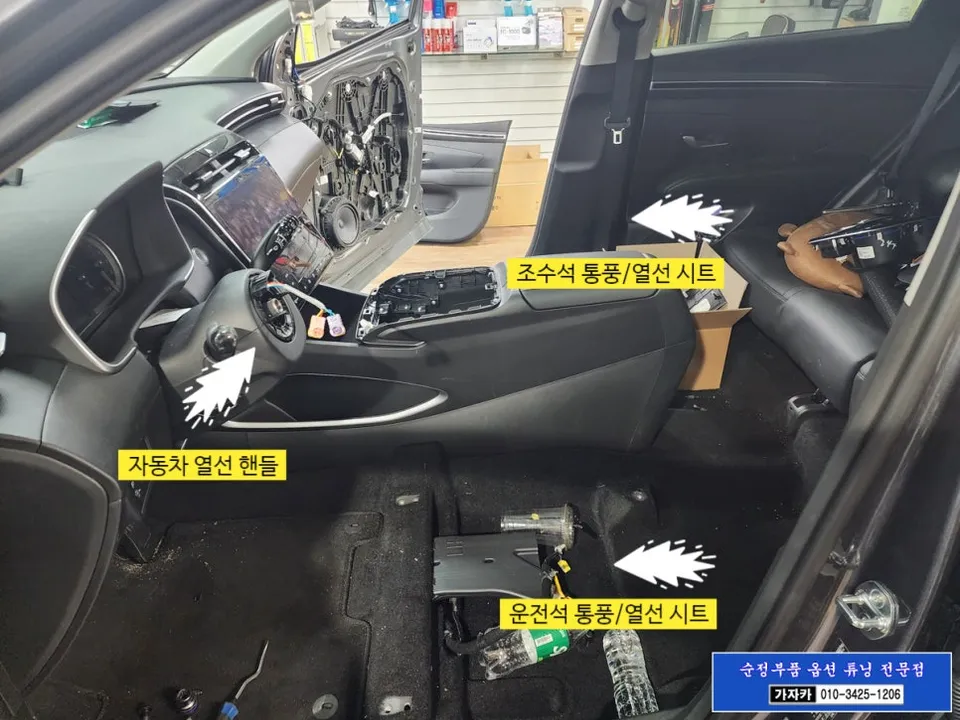
Hyundai Tucson NX4 seat climate upgrade: Retrofit heated/ventilated seats & steering wheel. Enhances comfort year-round.
Enhancing Your Hyundai Tucson NX4 with Seat Climate Control
Modern vehicles often prioritize advanced tech, but sometimes essential comfort features like seat ventilation and heating are overlooked, especially in certain trims of the Hyundai Tucson NX4. Fortunately, these aren't permanent omissions. This review delves into the process of retrofitting genuine (OEM) ventilated and heated seats, and even a heated steering wheel, to your Tucson NX4. The goal is to transform your driving experience, making it more comfortable year-round, whether you're battling winter chills or summer humidity. We'll explore the necessity, the installation process, and the overall satisfaction derived from this popular automotive upgrade.
Why Add Ventilated and Heated Seats to Your Tucson NX4?
The absence of heated and ventilated seats, along with a heated steering wheel, can be a significant drawback for many drivers, particularly in regions with distinct seasons. Cold leather seats in winter can be jarring, while sticky, sweaty seats in summer are equally unpleasant. Retrofitting these features using genuine Hyundai parts offers a seamless solution. It's not just about luxury; it's about enhancing safety and reducing driver fatigue. Heated seats provide rapid warmth, making cold mornings bearable, while ventilated seats actively circulate air, preventing sweat buildup and keeping you cool and dry during hot weather. The heated steering wheel adds another layer of comfort, ensuring your hands stay warm on chilly drives. These functions are typically adjustable, often with multiple levels of intensity, allowing for personalized comfort. The original Korean context highlights that activating these 'missing' OEM options provides a superior, integrated experience compared to aftermarket alternatives.
The Installation Process for Seat Climate Upgrades
Installing ventilated and heated seats, along with a heated steering wheel, in a Hyundai Tucson NX4 is a detailed process requiring precision and expertise. It involves more than just adding components; it's about integrating them into the vehicle's existing electrical system. The original context mentions that this work was performed in Korea, using genuine parts to ensure perfect compatibility and functionality. The estimated cost in Korea for these upgrades can vary, but the US price range for ventilated seats alone is typically between $75–$115 per seat for the components, with professional installation adding to the total. For a full system including heating and steering wheel, expect a higher investment.
Installation Process:
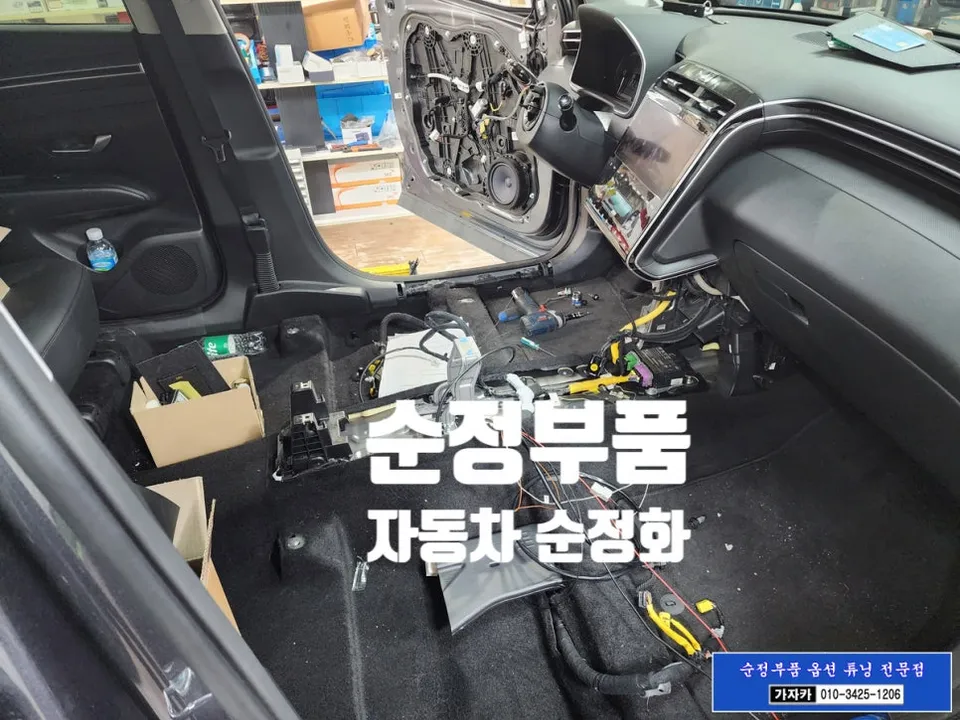
- Seat Disassembly: The front seats (driver and passenger) are carefully removed from the vehicle.
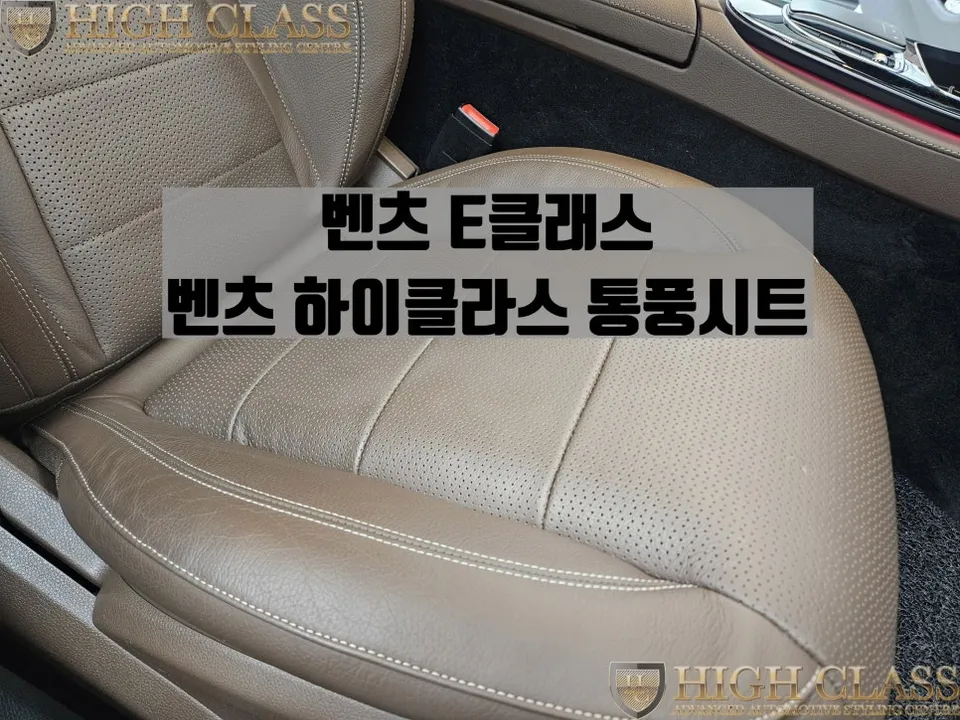
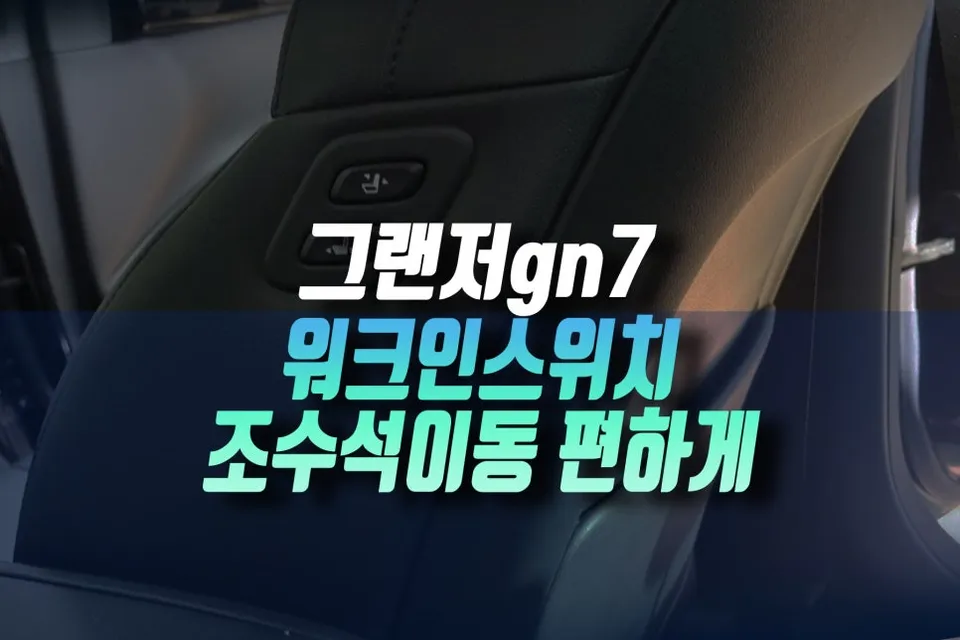
- Component Integration: Heating pads and ventilation fans are precisely installed beneath the seat upholstery. For the steering wheel, a new wheel with heating elements, a compatible clock spring (to prevent wire damage during rotation), and necessary control switches are fitted.
- Wiring and Module Integration: Complex wiring harnesses are run to connect the new components to the vehicle's power and control modules. This often involves integrating or replacing junction boxes and adding control switches.
- Testing and Reassembly: All functions are rigorously tested to ensure proper operation across all heat and fan settings. Once confirmed, the seats are reinstalled, and the interior is returned to its original state.
Durability, Maintenance, and Overall Value
When performed with genuine parts and professional installation, these seat climate upgrades are designed for long-term durability, mirroring the lifespan of factory-installed options. Maintenance is minimal, typically involving keeping the seat surfaces clean and ensuring ventilation grilles are free of debris. The primary benefit is a significantly enhanced driving experience, especially during extreme weather. The ability to precisely control seat temperature and airflow adds a level of comfort that many owners find indispensable, particularly for daily commutes or long road trips. While the initial cost can be a consideration, the improved comfort, potential reduction in fatigue, and the seamless integration of OEM features often make it a worthwhile investment for Tucson NX4 owners seeking to maximize their vehicle's comfort and convenience.
Frequently Asked Questions
Q. How much does ventilated seat installation cost for a Hyundai Tucson NX4?
The estimated cost for ventilated seat components in the US typically ranges from $75–$115 per seat. Professional installation costs would be additional, varying by shop and location.
Q. How long does seat ventilation installation take on a Hyundai Tucson NX4?
Installation typically takes several hours, often a full day, depending on the complexity and whether heating elements or steering wheel upgrades are included. Durability is generally excellent, comparable to factory-installed features, with minimal maintenance required beyond keeping vents clear.
Q. Are aftermarket ventilated seats worth it for a Hyundai Tucson NX4?
For drivers frequently experiencing hot or humid weather, ventilated seats significantly enhance comfort and reduce fatigue, making them a worthwhile investment. The value is particularly high for those who spend a lot of time driving or live in climates with extreme temperatures.
Q. How are ventilated seats installed in a Hyundai Tucson NX4?
Installation involves removing the seat covers to precisely embed ventilation fans and heating pads. The process also includes integrating wiring harnesses and control modules into the vehicle's electrical system for seamless operation.
Q. What is the difference between OEM and aftermarket ventilated seats for a Hyundai Tucson NX4?
OEM (Original Equipment Manufacturer) upgrades use genuine Hyundai parts, ensuring perfect integration, functionality, and durability that matches factory standards. Aftermarket options may vary widely in quality, performance, and longevity, potentially leading to compatibility issues or a less refined user experience.
OhCar Partner Shop