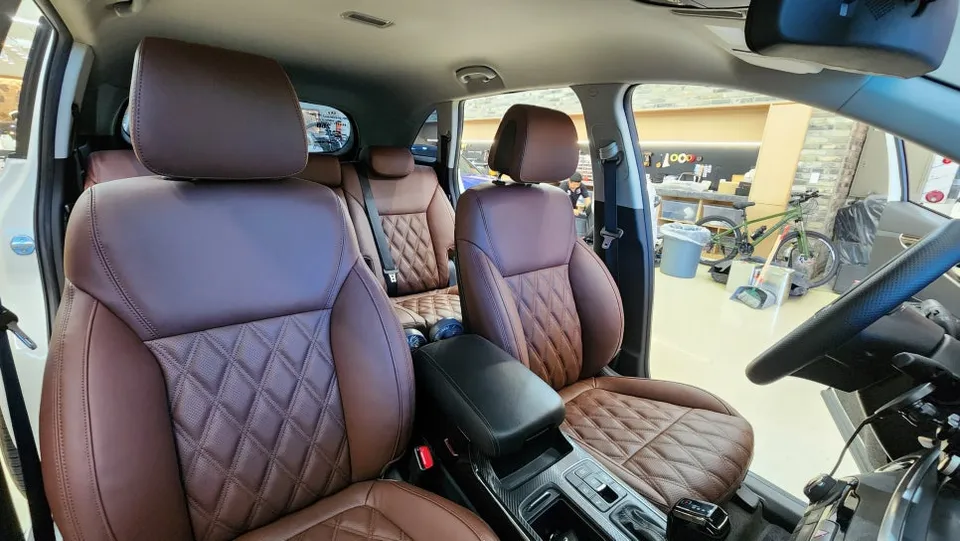
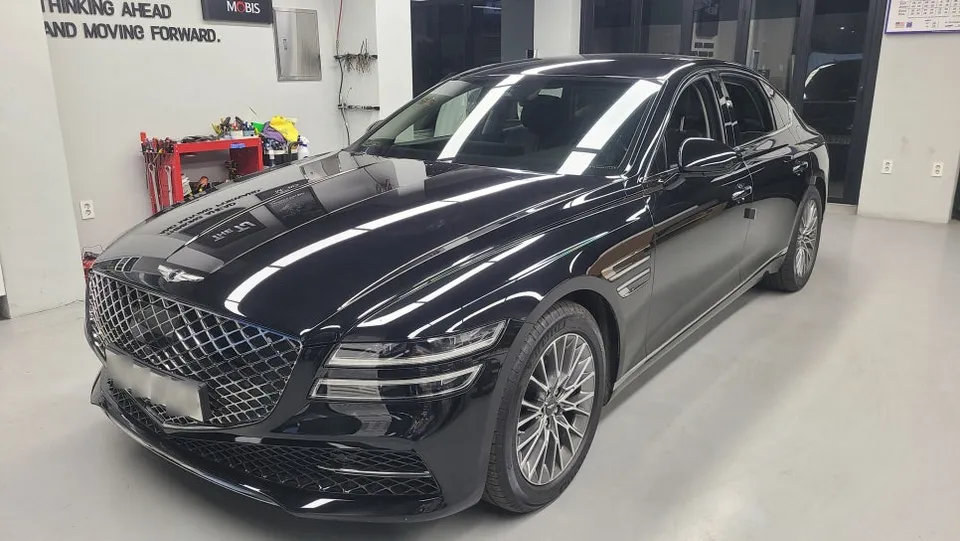
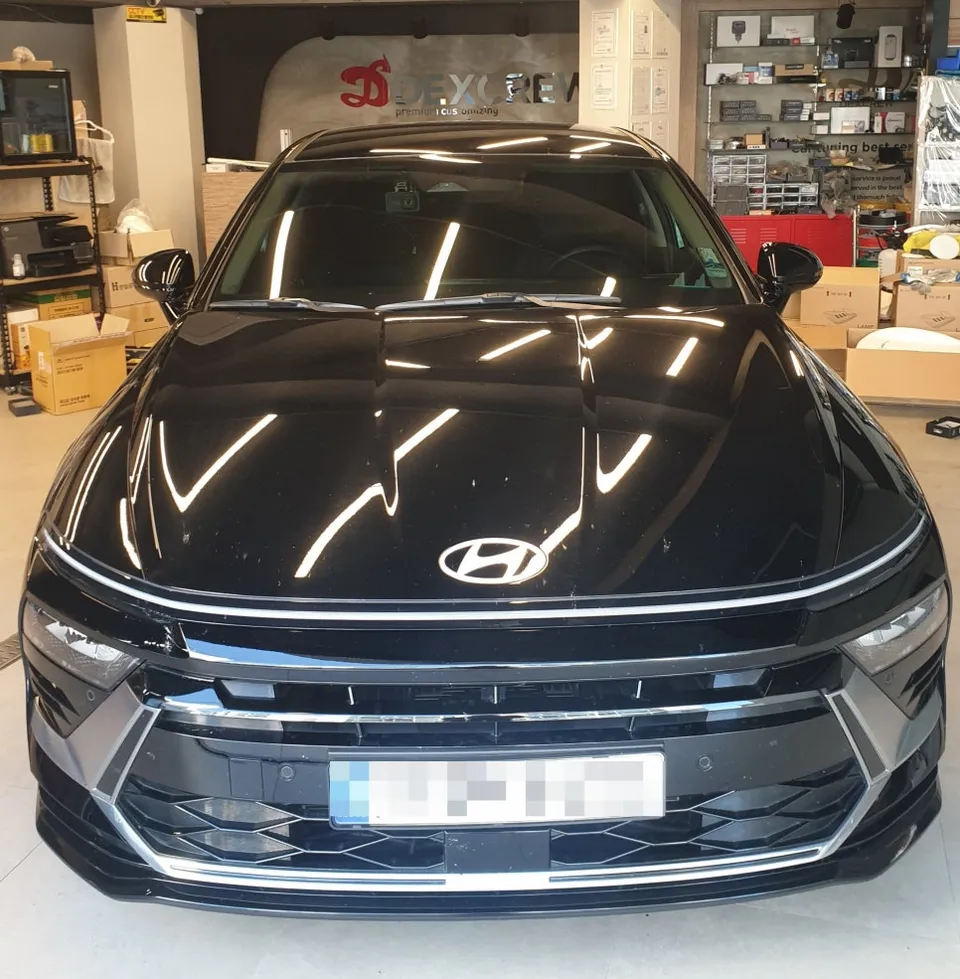
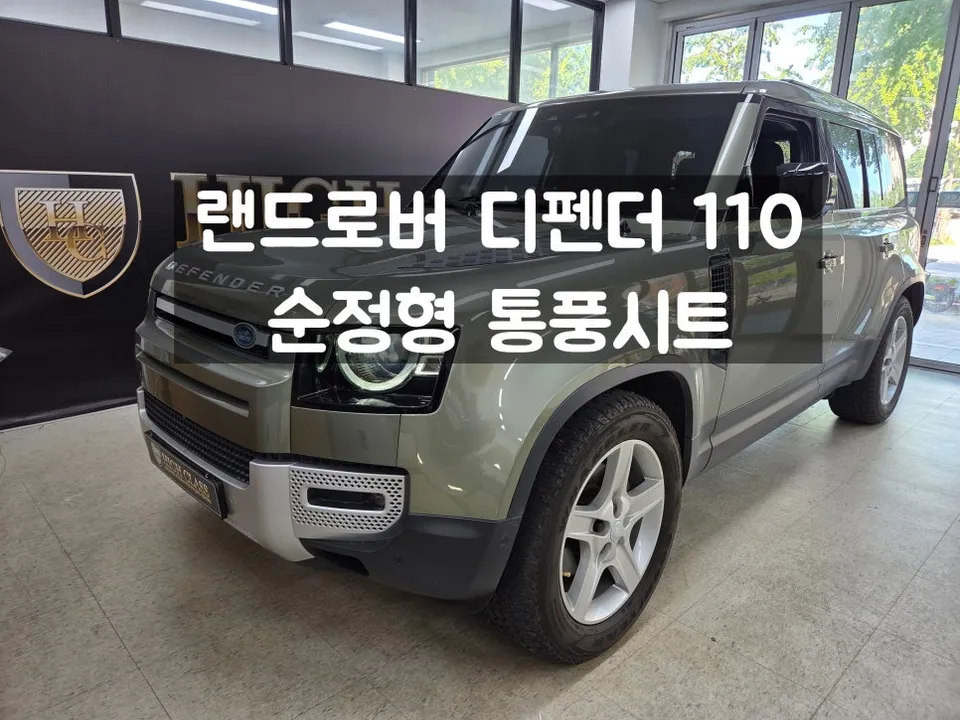
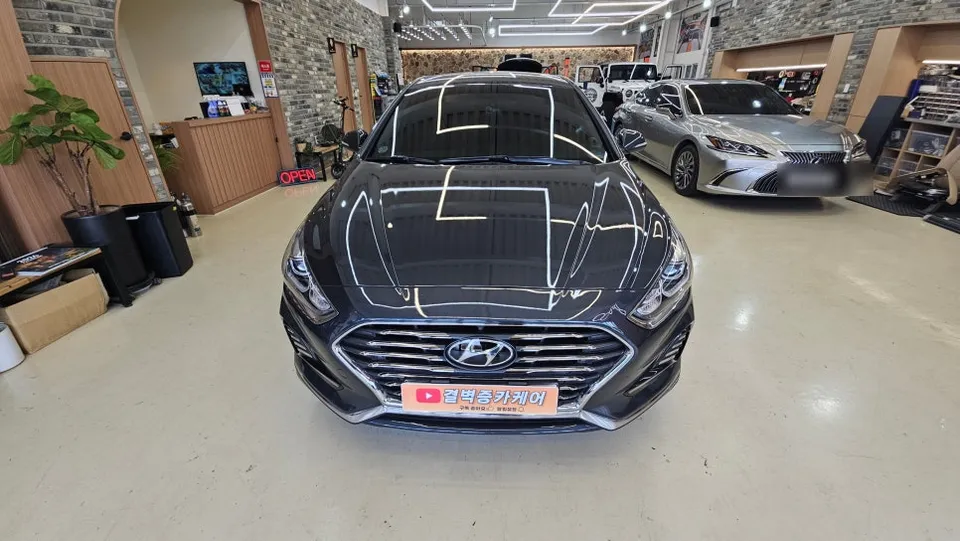
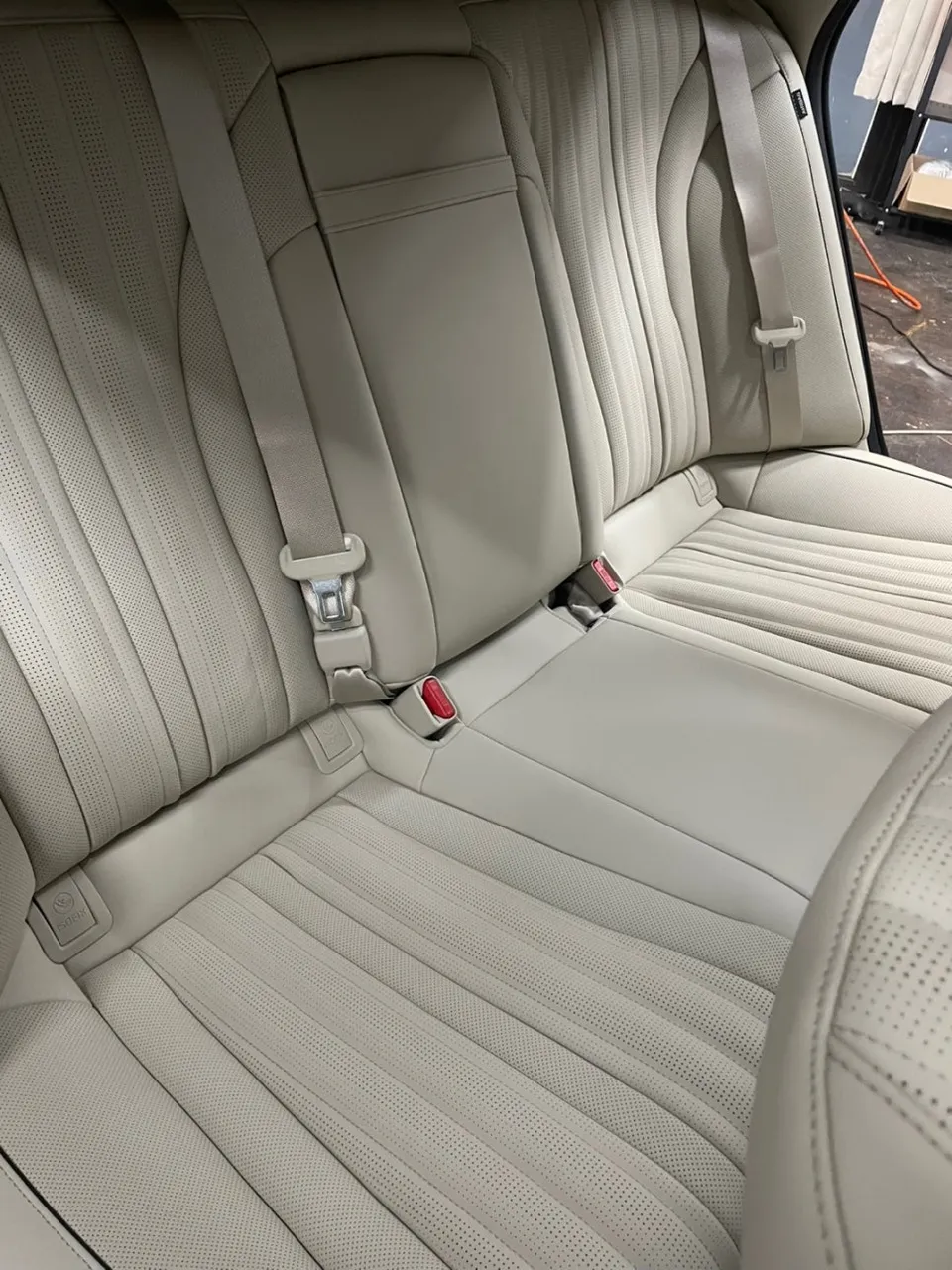
Hyundai Sonata Seat Ventilation & Heating Upgrade
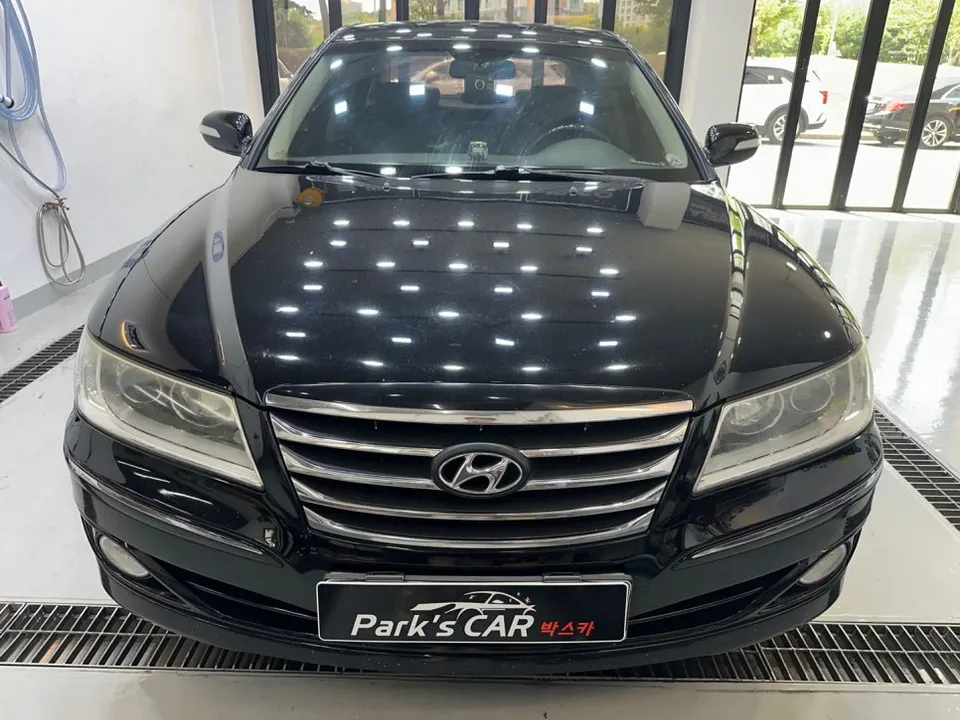
Before
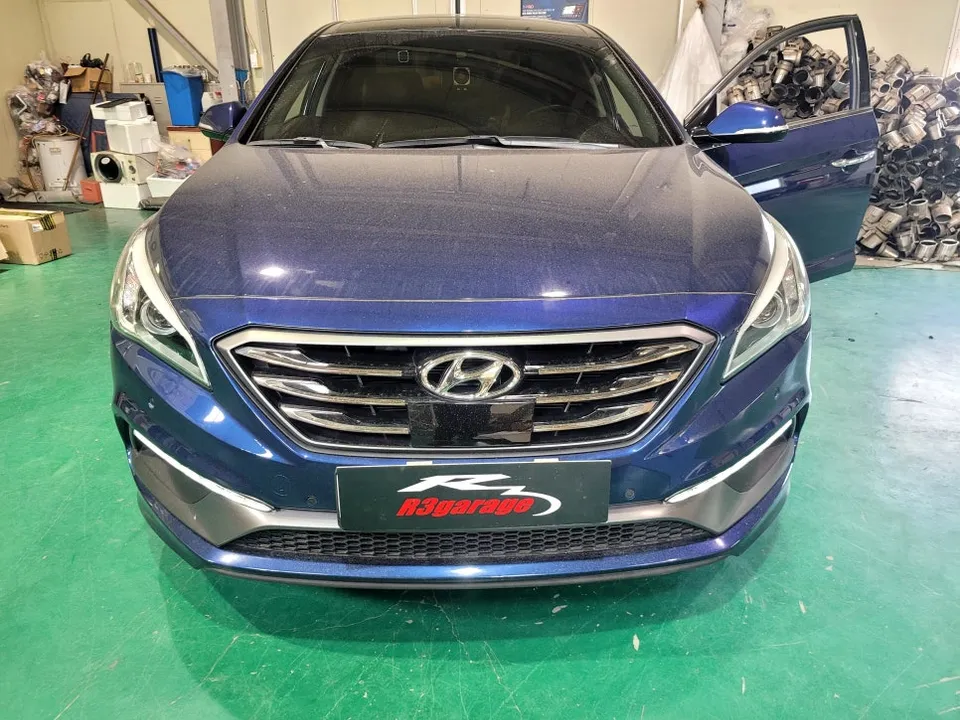
After

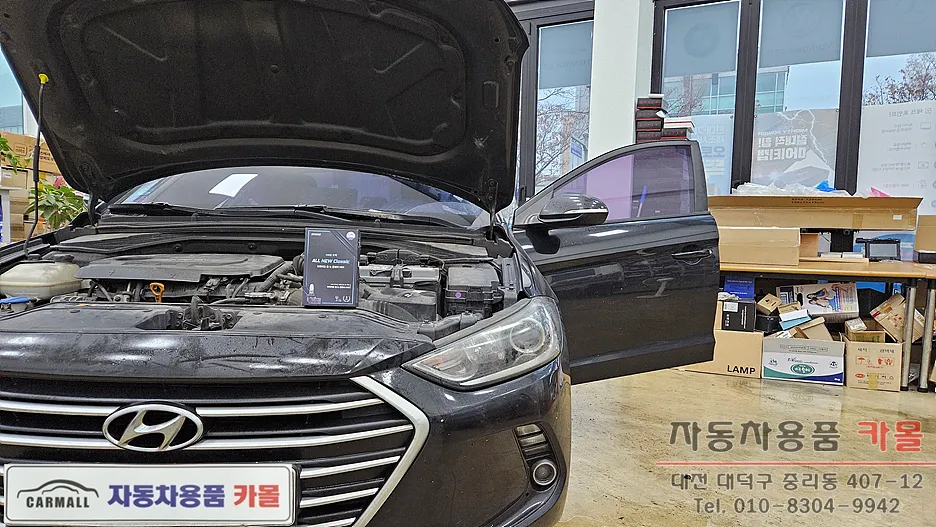
Process photos
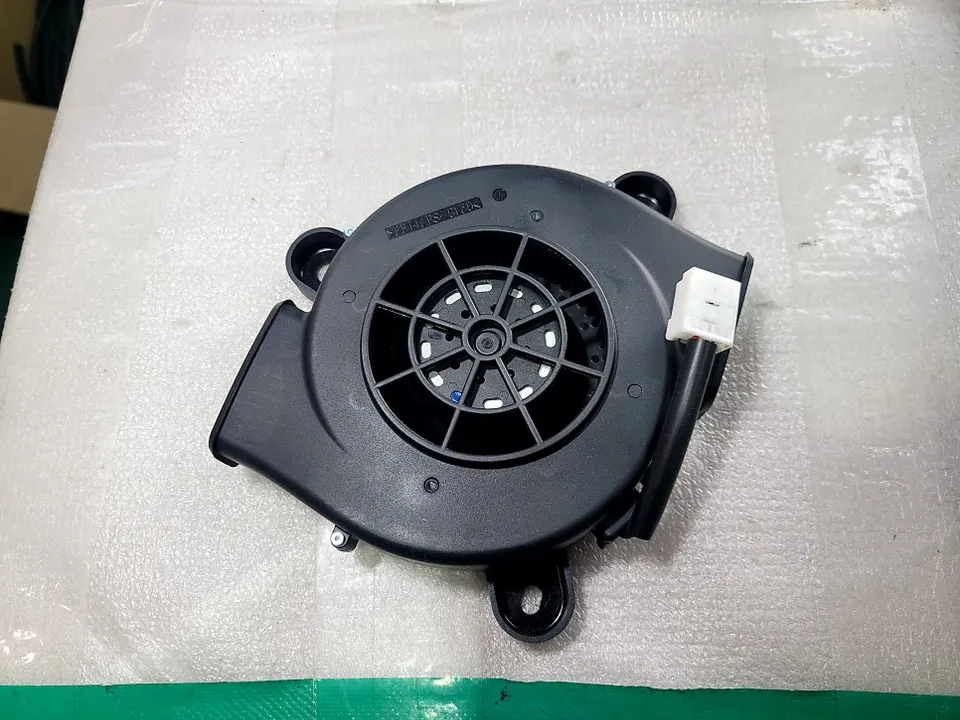
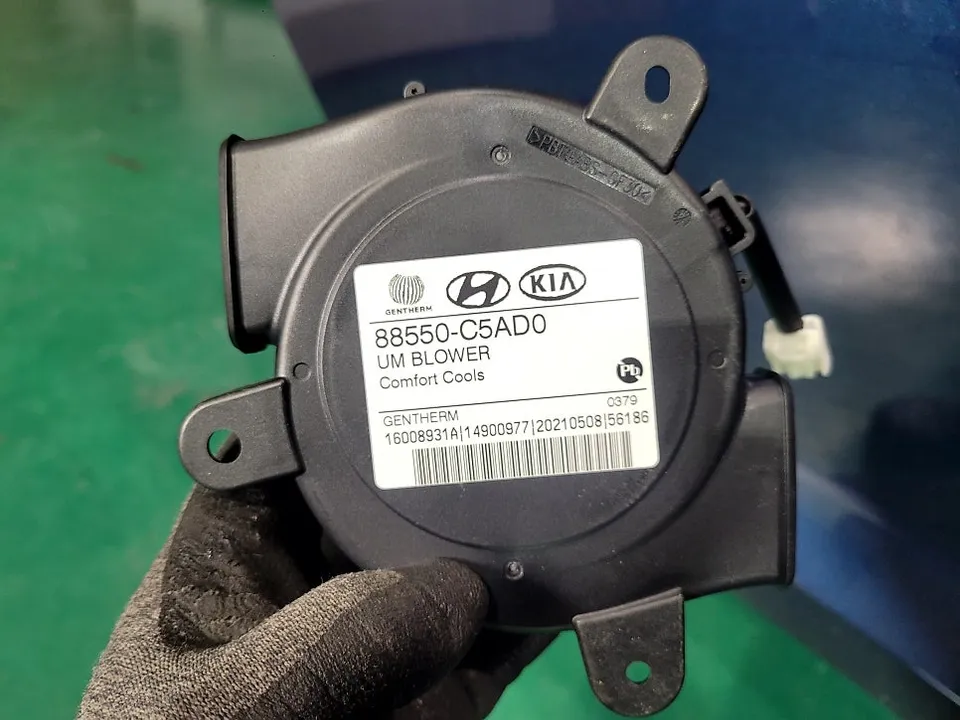
Hyundai Sonata Seat Ventilation upgrade: Replace weak fan with a stronger unit (e.g., Sorento fan) for significantly improved cooling. DIY friendly.
Enhancing Your Hyundai Sonata's Comfort: Seat Ventilation & Heating Upgrade
Summer heat can make even the most comfortable car interior feel unbearable, especially when the factory-installed seat ventilation system seems to lack the power to provide adequate cooling. Many Hyundai Sonata owners find themselves wishing for a more robust solution to combat the sweltering temperatures. The desire for a stronger, more effective ventilated seat experience is common, and fortunately, there's a practical way to achieve it: upgrading the seat ventilation fan motor. This review explores the process and benefits of replacing the original fan with a more powerful alternative, often sourced from other compatible vehicles like the Sorento, to significantly boost airflow and comfort.
The Power of a Stronger Fan
The core issue with underperforming ventilated seats often lies in the fan motor itself. Stock fans can be relatively weak, leading to a barely perceptible airflow that doesn't effectively cool the occupants. The solution presented here involves replacing the existing fan with a more powerful unit. While the original Korean context mentions using a Sorento fan, the principle applies broadly: seeking a fan with higher CFM (Cubic Feet per Minute) output. This upgrade directly addresses the lack of cooling power, transforming the seat's ventilation capability from a mild breeze to a genuinely refreshing experience. This is particularly beneficial during hot summer months, making long drives or even short commutes significantly more comfortable. The same principle can be applied to heating elements, ensuring consistent warmth during colder periods, although the focus here is on the cooling aspect.
Installation Process: Boosting Your Sonata's Seats
Upgrading the seat ventilation fan in your Hyundai Sonata is a manageable DIY project for those comfortable with basic automotive work, or a straightforward service for a professional. The process generally involves:
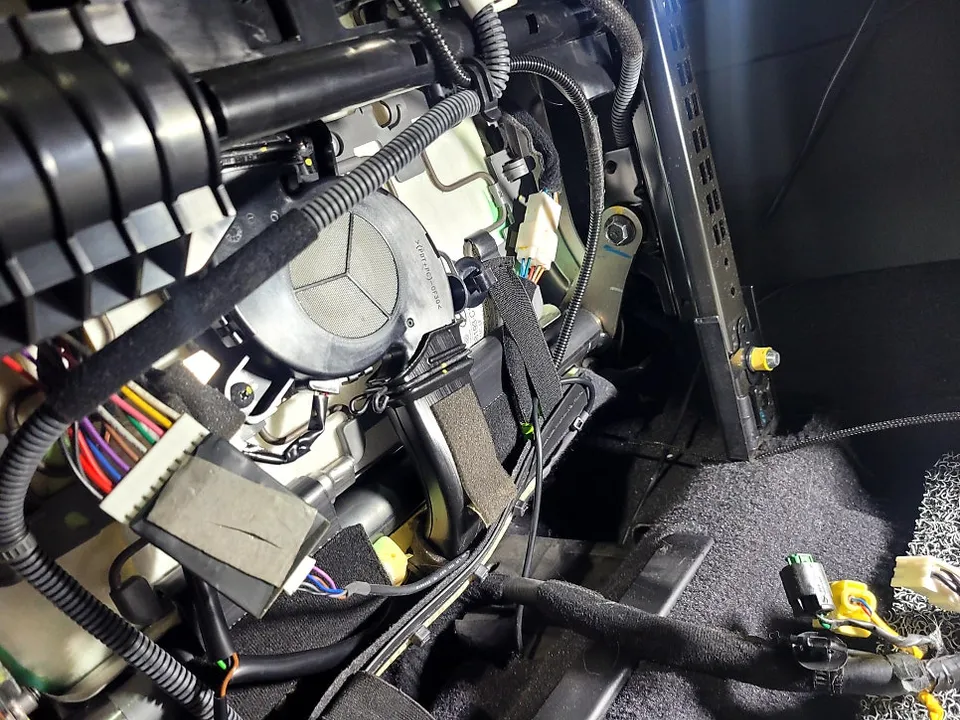
- Accessing the Fan Unit: Carefully remove the seat covers or panels to gain access to the existing ventilation fan motor located within the seat cushion or backrest.
- Disconnecting and Removing the Old Fan: Unplug the electrical connector and unmount the original fan assembly.
- Installing the New Fan: Mount the upgraded, more powerful fan motor into the designated space. Ensure it is securely fastened.
- Connecting the New Fan: Reconnect the electrical wiring to the new fan motor. If the connector differs, appropriate adapters or modifications may be necessary.
- Reassembly: Reassemble the seat panels and covers, ensuring all components are properly fitted. Test the ventilation system to confirm increased airflow.
The result is a noticeably stronger and more effective ventilation system, providing a much-needed cooling sensation on hot days. This upgrade offers a significant improvement in comfort without the need for more complex, expensive aftermarket seat installations.
Frequently Asked Questions
Q. How much does Seat Ventilation & Heating cost for a Hyundai Sonata?
The cost for this specific fan upgrade on a Hyundai Sonata can range from approximately ₩50,000 to ₩150,000 (around $40-$110 USD) depending on the fan chosen and labor if professionally installed. Typical professional seat ventilation upgrades in the US can range from $300 to $1000+ depending on the system's complexity.
Q. How long does Seat Ventilation & Heating last on a Hyundai Sonata?
A properly installed upgraded fan motor can last for many years, often exceeding the lifespan of the original component. Regular checks for debris around the fan and ensuring clean air intake vents can help maintain optimal performance and longevity.
Q. Is Seat Ventilation & Heating worth it for a Hyundai Sonata?
This upgrade is highly worth it for drivers who frequently experience discomfort due to weak factory ventilation, especially in hot climates. It offers a significant improvement in comfort for a relatively low cost compared to full aftermarket seat replacements.
Q. How is Seat Ventilation & Heating done on a Hyundai Sonata?
The process involves accessing the existing fan unit within the seat, disconnecting and removing the old fan, installing a more powerful replacement fan, reconnecting the wiring, and then reassembling the seat components. Testing the system afterward confirms the improved airflow.
Q. What is the best Seat Ventilation & Heating option for a Hyundai Sonata?
For significantly enhanced cooling, replacing the stock fan with a higher CFM unit (like a Sorento fan) is the most effective and cost-efficient method. While dedicated aftermarket kits exist, this targeted fan upgrade provides a substantial improvement over the factory system.
OhCar Partner Shop