Hyundai Starex Body Kit Installation Review
Service Price
$75–115
Estimated price · Actual price may vary by shop
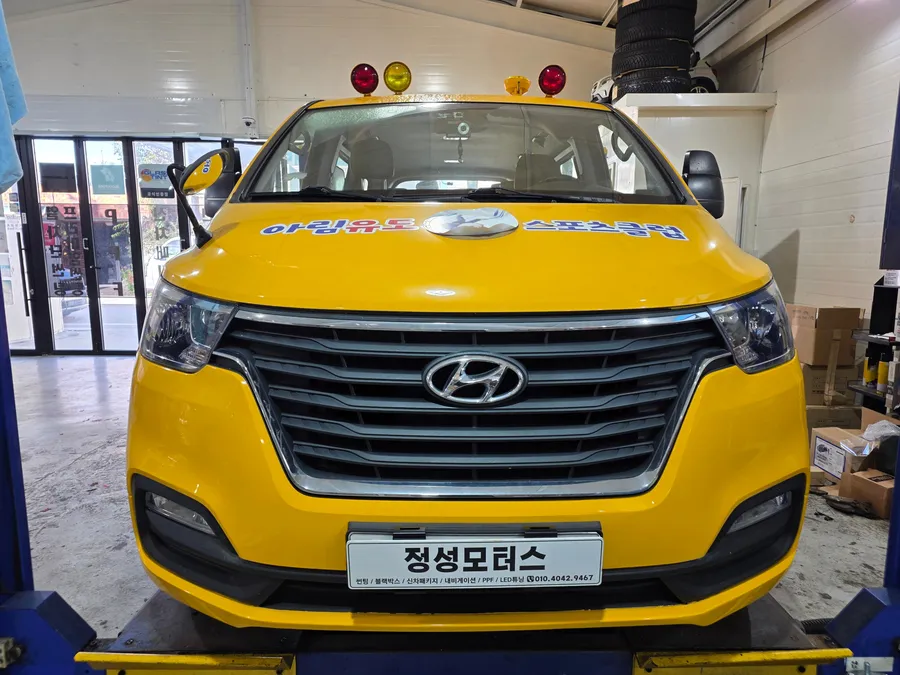

Hyundai Starex body kit installation review covers costs, installation, and benefits. Estimated US price: $75–115.
Hyundai Starex Body Kit: Enhancing Functionality and Style
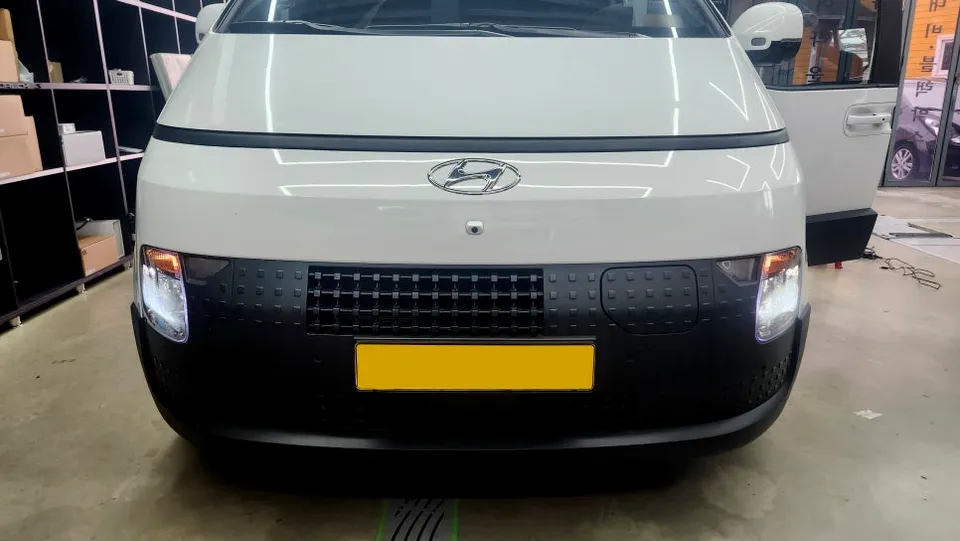
While often seen as purely aesthetic upgrades, body kits can offer practical benefits, especially for vehicles like the Hyundai Starex. This review delves into the installation, cost, and overall value of adding a body kit, focusing on how it can improve accessibility and appearance. The original context for this review comes from a detailed report on a Hyundai Starex in South Korea, where a damaged electric side step was replaced. This provides valuable insights into the installation process, durability, and the importance of such modifications, particularly for vehicles used by children.
The Importance of Side Steps for the Hyundai Starex
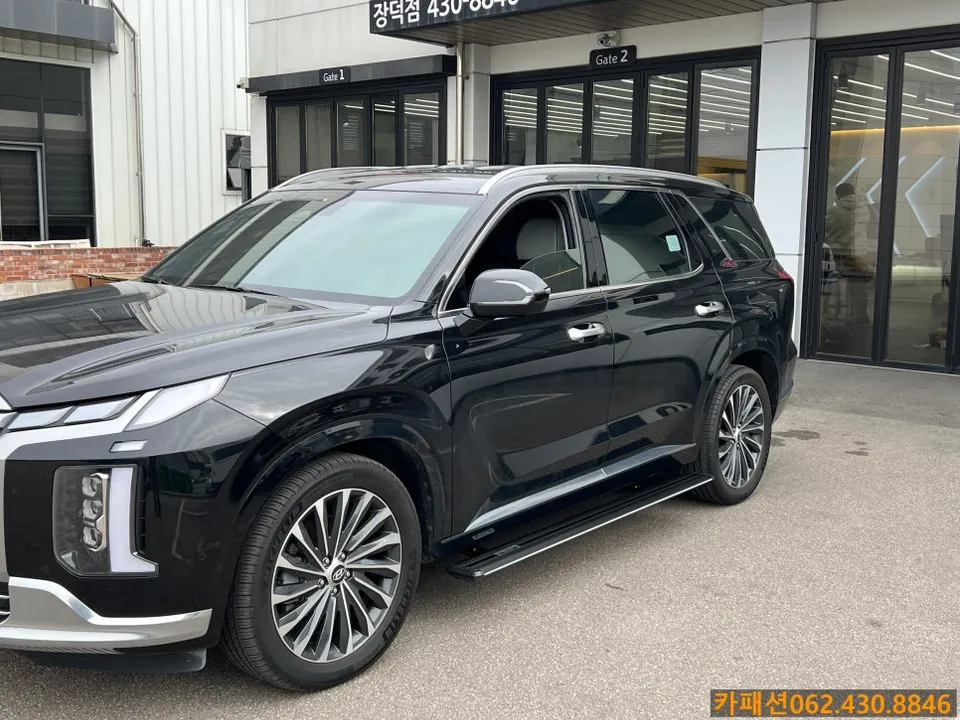
The Hyundai Starex, with its higher ground clearance, can present a challenge for passengers, especially children, when entering and exiting. Standard side steps, or 'running boards,' are not just for show; they serve as crucial aids for safe and convenient boarding. In the original Korean context, the focus was on an academy vehicle where the safety and ease of access for young students were paramount. A damaged electric side step was replaced, highlighting the necessity of these components. They reduce the strain on knees and minimize the risk of slips or falls, making them an essential addition rather than a mere cosmetic enhancement. The electric variant, which deploys when the door opens and retracts when closed, offers a sleek look while providing a wider, more stable platform compared to some fixed versions.

Body Kit Installation Process and Considerations
Installing a body kit, whether it's a full aero kit or individual components like front lips and side skirts, requires careful attention to detail. The process typically involves:
- Preparation: Thoroughly cleaning the mounting areas on the vehicle's body is essential for proper adhesion and a clean finish.
- Component Fitting: Carefully aligning and test-fitting the body kit parts (e.g., front bumper extension, side skirts, rear diffuser) to ensure a precise fitment.
- Securing the Kit: Attaching the components using a combination of automotive-grade adhesives, clips, and sometimes drilling for bolts, depending on the kit's design and material. For electric side steps, this also involves intricate wiring for the automatic deployment mechanism.
- Finishing Touches: Inspecting all seams, ensuring all fasteners are tight, and performing any necessary touch-up paint or sealant application.
The original report detailed the replacement of a damaged electric side step on the passenger side rear door of a Starex. This involved safely removing the old unit, meticulously organizing the wiring, and securely mounting the new bracket system. The entire process, including the intricate electrical work for the automatic function, took approximately 3 to 4 hours. While the specific cost in Korea for this electric side step replacement was between 500,000 and 1,000,000 KRW (approximately $375-$750 USD, depending on exchange rates and specific parts), aftermarket body kits for a Starex in the US can range from $75-$115 for simpler pieces like front lips or side skirts, up to several hundred dollars for more comprehensive kits. Professional installation costs can add significantly to the total price, often ranging from $200 to $800 or more, depending on the complexity.

Durability, Maintenance, and Value
The durability of a body kit largely depends on the material (e.g., ABS plastic, polyurethane, fiberglass) and the quality of the installation. Polyurethane and ABS plastic are generally more flexible and impact-resistant than fiberglass, making them better suited for daily driving and minor impacts. Regular cleaning with mild soap and water is usually sufficient for maintenance. Avoiding harsh chemicals and automatic car washes that might snag the kit can prolong its life. For the Starex, especially when used as a family or commercial vehicle, the added step provides tangible benefits in accessibility and safety. While the initial cost can be a factor, the improved usability and aesthetic appeal can make it a worthwhile investment for many owners.

Frequently Asked Questions
Q. How much does a body kit cost for a Hyundai Starex?
Basic body kit components like front lips or side skirts for a Hyundai Starex typically range from $75 to $115 in the US. More comprehensive kits or specialized electric side steps can cost significantly more, potentially several hundred dollars for parts alone.
Q. How long does body kit installation take on a Hyundai Starex?
The installation time for a Hyundai Starex body kit can vary greatly, from a couple of hours for simple additions like a front lip to a full day or more for complex aero kits. Proper installation, including surface preparation and secure attachment, is crucial for longevity.
Q. Is a body kit worth it for a Hyundai Starex?
A body kit can be worth it for a Hyundai Starex if you prioritize enhanced aesthetics and improved functionality, such as easier entry and exit with side steps. The value depends on your specific needs and budget, with side steps offering clear safety and convenience benefits.
Q. How is a body kit installed on a Hyundai Starex?
Body kit installation on a Hyundai Starex typically involves cleaning the mounting surfaces, test-fitting the components, and then securing them using automotive-grade adhesives, clips, or bolts. For electric side steps, this includes connecting wiring for their automatic operation.
Q. What is the difference between FRP and polyurethane body kits for a Hyundai Starex?
Polyurethane body kits are generally more flexible and impact-resistant than Fiberglass Reinforced Plastic (FRP) kits, making them more durable for daily use and less prone to cracking. For most Starex owners, polyurethane offers a better balance of resilience and cost.
OhCar Partner Shop