Mercedes-Benz G-Wagon Body Kit Installation Review
Service Price
$150+
Estimated price · Actual price may vary by shop
Before
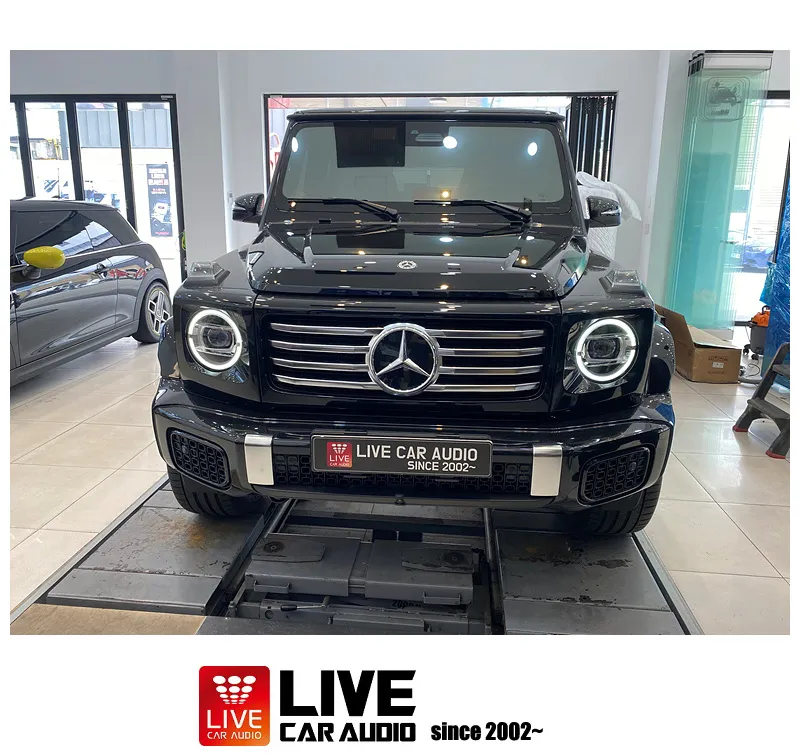
After
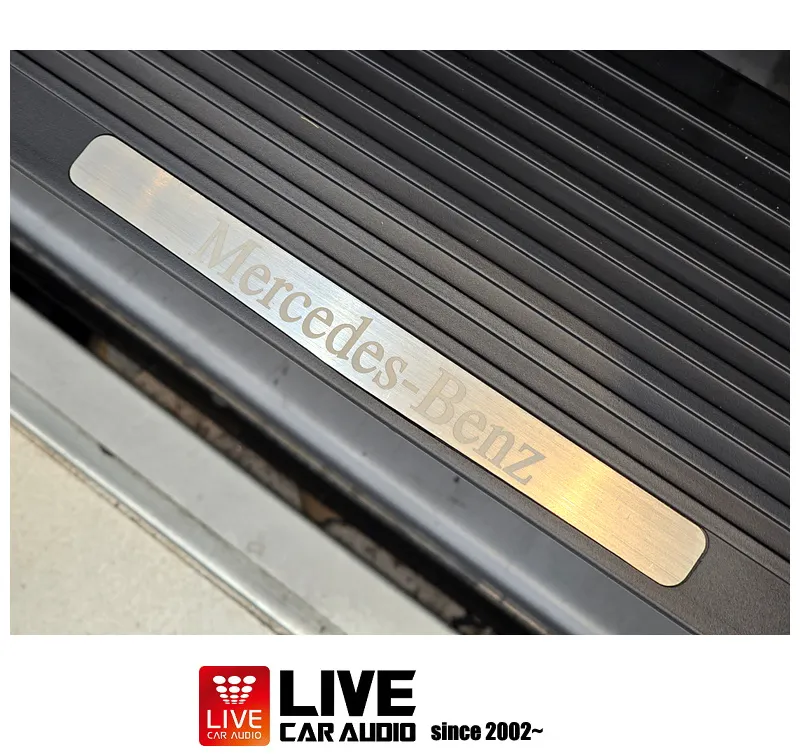
Process photos

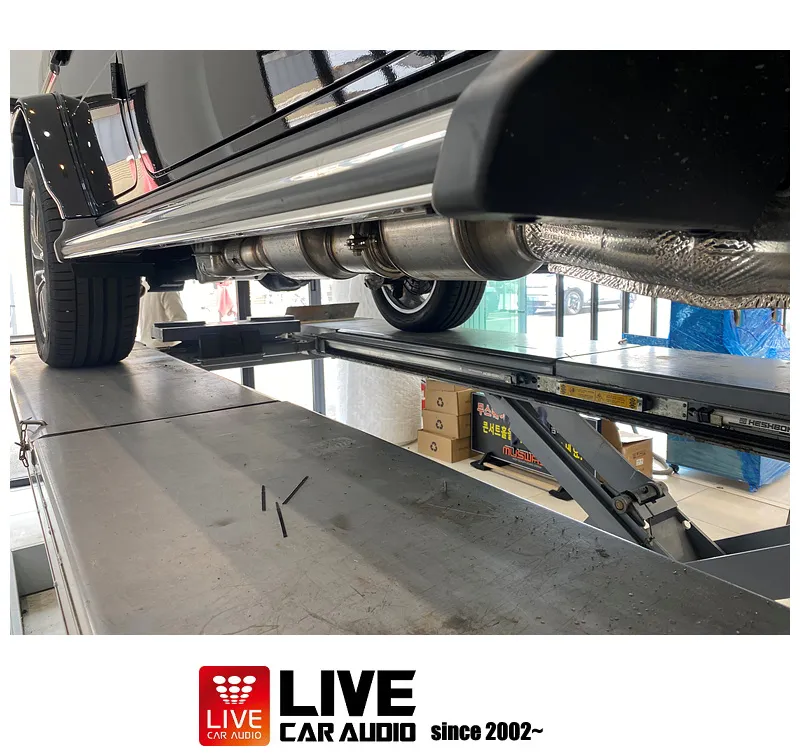
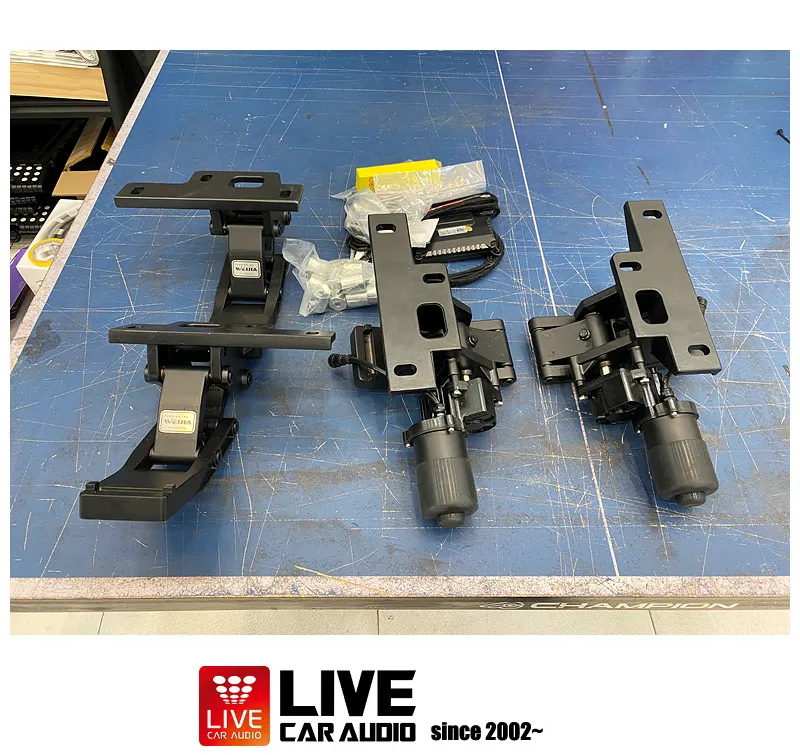
Mercedes-Benz G-Wagon powered side-steps: Approx. $2,800-$3,700 USD. Enhances comfort and luxury for high-riding SUVs.
Mercedes-Benz G-Wagon Body Kit Installation: Enhancing Style and Function
The Mercedes-Benz G-Wagon, with its iconic boxy silhouette and commanding presence, is a vehicle that often turns heads. For owners looking to further personalize their ride and potentially enhance its aerodynamic profile, a body kit, often referred to as an aero kit, presents an attractive option. This review delves into the specifics of body kit installation for the G-Wagon, covering the potential costs, the transformation seen in before-and-after results, and whether this customization is a worthwhile investment.
While the term 'body kit' can encompass a wide range of modifications, from subtle front lip spoilers to full widebody conversions, the core idea is to alter the vehicle's exterior aesthetics and, in some cases, its aerodynamic performance. For a vehicle like the G-Wagon, which already possesses a strong visual identity, a well-chosen body kit can either amplify its rugged appeal or introduce a more refined, sporty character.
Understanding Body Kit Costs and Installation for the G-Wagon
The cost of a body kit for a Mercedes-Benz G-Wagon can vary significantly. Factors influencing the price include the brand of the kit, the materials used (such as polyurethane, carbon fiber, or fiberglass-reinforced plastic - FRP), and the complexity of the design. Basic kits, like a front lip or side skirt add-ons, might start around $150+ in the US market for the parts alone, but comprehensive kits that replace bumpers and fenders can run into thousands of dollars. Installation costs are also a major consideration. Professional installation is highly recommended, especially for complex kits, as it requires precise fitting to ensure proper alignment and a seamless look. The labor costs can add several hundred to a few thousand dollars, depending on the shop and the extent of the work. In Korea, where this particular installation was performed, the cost for a powered side-step system, which enhances ingress and egress for high-riding vehicles like the G-Wagon, typically ranges from approximately 3.8 million to over 5 million KRW (roughly $2,800 - $3,700 USD), with installation taking about 3-4 hours. This specific upgrade focuses on practicality and luxury rather than aggressive styling, demonstrating the diverse applications of exterior enhancements.
Before and After: The Visual Transformation and Practical Benefits
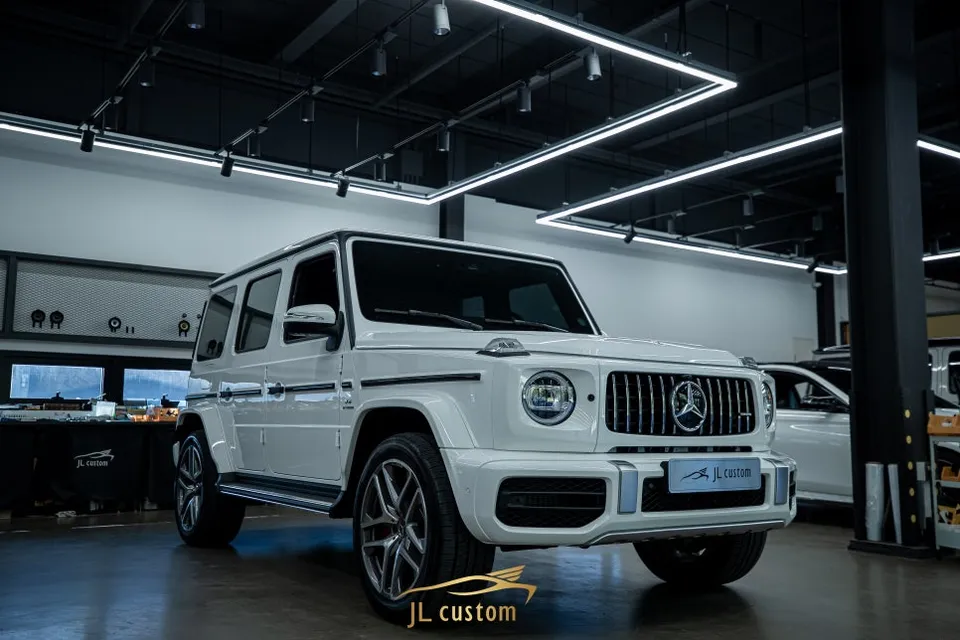
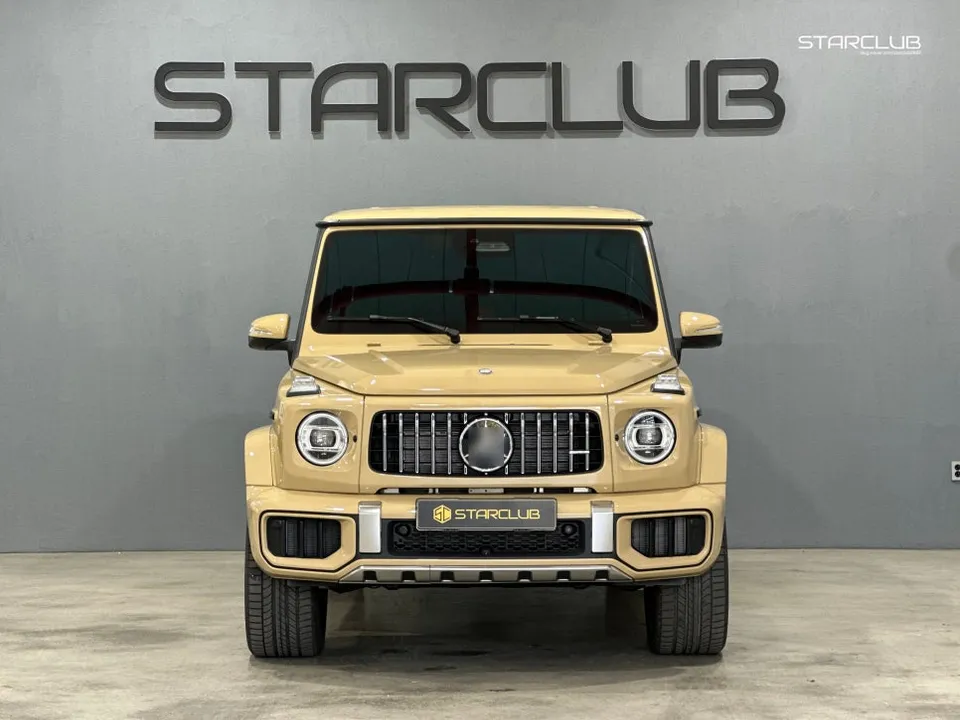
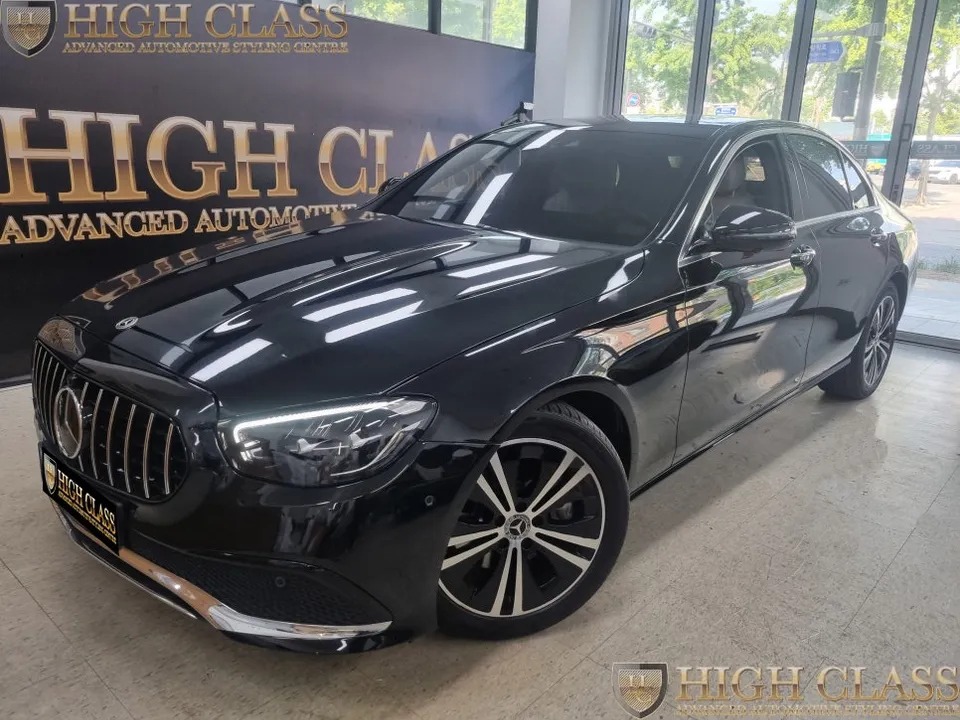
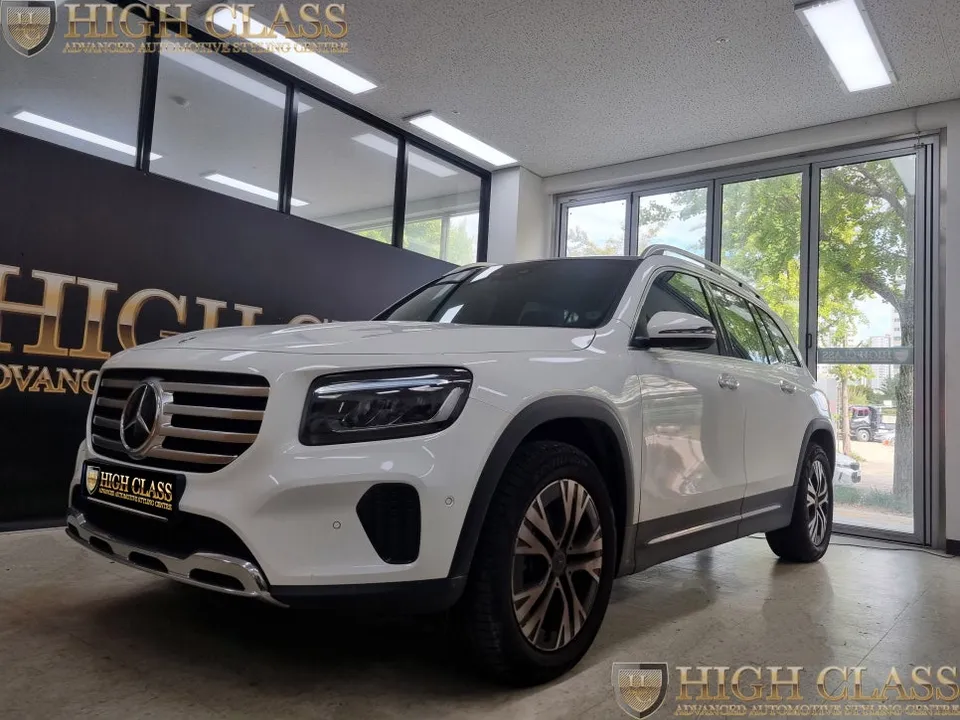
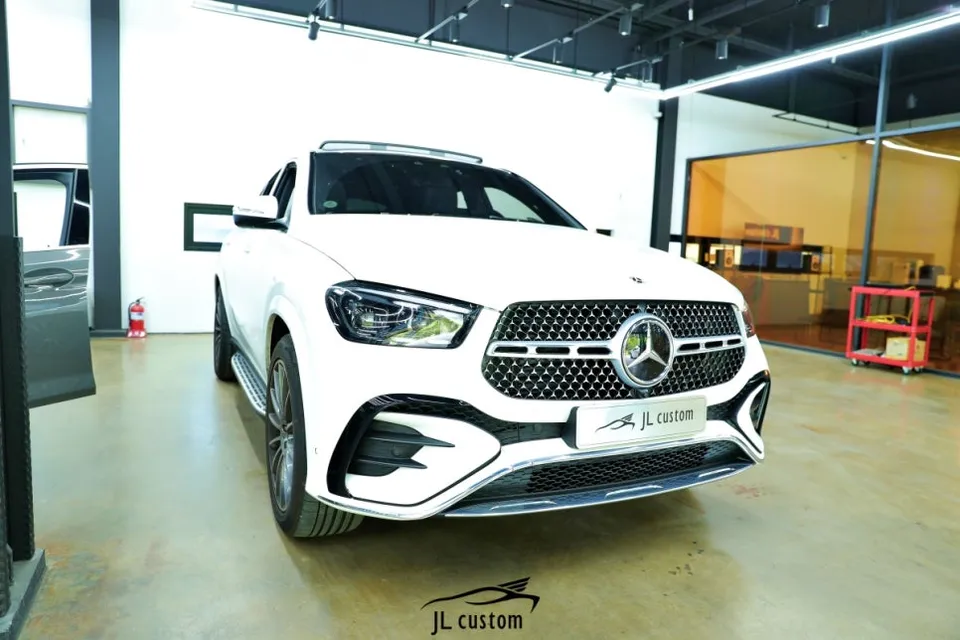
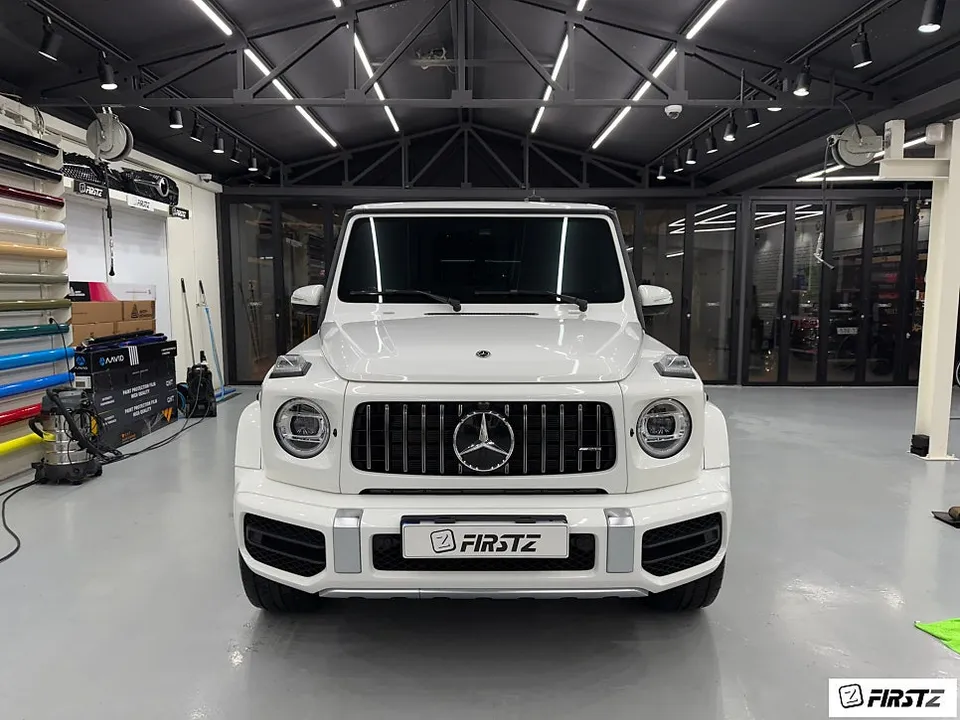
The visual impact of a body kit can be dramatic. A G-Wagon fitted with a new front bumper, side skirts, and rear diffuser can appear lower, wider, and more aggressive. Before installation, the G-Wagon presents its classic, imposing stance. After the body kit is applied, the vehicle's lines are often sharpened, with elements like a more pronounced front lip adding a sporty edge, and redesigned side skirts creating a more cohesive profile. The before-and-after results are not just about aesthetics; some kits are designed with aerodynamics in mind, potentially improving high-speed stability, though this is more common in performance-oriented kits. For the G-Wagon owner seeking enhanced practicality, the powered side-step system offers a significant improvement in usability. Before the upgrade, stepping into the tall G-Wagon can be a challenge, especially for shorter individuals, children, or the elderly. After installation, the side-steps deploy automatically when the doors are opened, providing a sturdy and convenient step, and retract seamlessly when the doors are closed, maintaining the vehicle's clean lines. This blend of enhanced visual appeal and improved functionality is a key reason why owners opt for such modifications.
Durability, Maintenance, and Is a Body Kit Worth It?
The durability of a body kit largely depends on the materials used and the quality of the installation. Polyurethane kits are generally more flexible and resistant to cracking than FRP kits, making them a better choice for daily drivers who might encounter minor impacts. Carbon fiber offers excellent strength-to-weight ratio but can be more brittle and expensive. Proper maintenance involves regular cleaning and waxing, similar to the rest of the vehicle's paintwork. For FRP kits, minor repairs like filling small cracks or chips might be necessary over time. The decision of whether a body kit is 'worth it' is subjective and depends on the owner's priorities. If the goal is to achieve a unique look that stands out from other G-Wagons, and the budget allows for a quality kit and professional installation, then it can be a very satisfying modification. The powered side-step example highlights a different kind of value – enhancing the daily usability and accessibility of a high-riding vehicle, adding a touch of luxury and convenience that justifies its cost for many owners. Ultimately, a body kit is an investment in personalization, and its value is measured by the owner's satisfaction with the transformed appearance and/or functionality.
Installation Process:
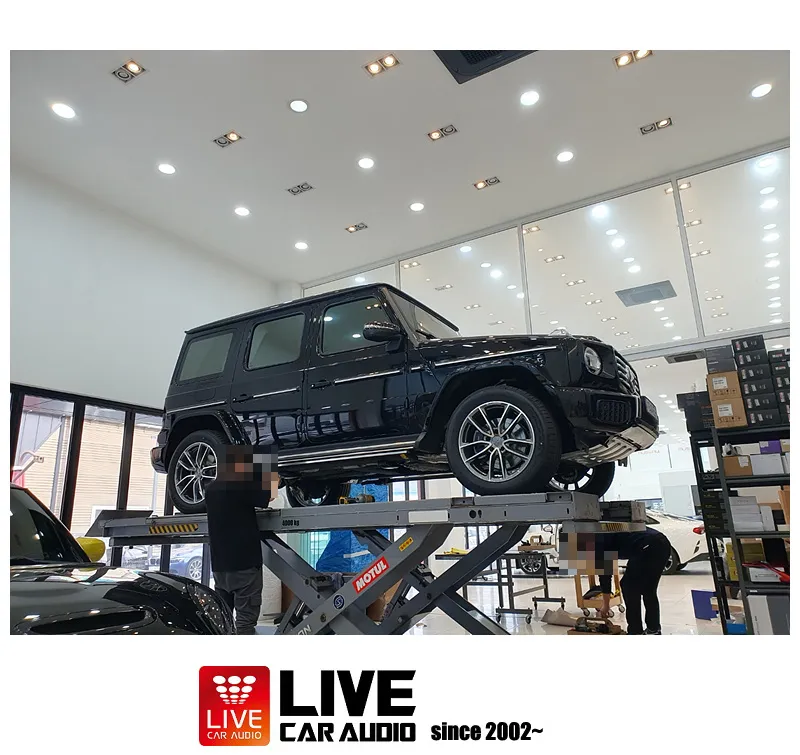
- Preparation: The vehicle's existing bumpers and trim pieces are carefully removed. The mounting points for the new body kit components are identified and prepared.
- Fitting and Alignment: New body kit parts (e.g., front lip, side skirts, bumpers) are test-fitted to ensure precise alignment with the G-Wagon's body lines. Minor adjustments may be made.
- Securing Components: The body kit parts are securely attached using a combination of factory mounting points, specialized brackets, and automotive-grade adhesives or fasteners.
- Finishing Touches: Any gaps are filled, and the kit is prepared for paint. After painting to match the vehicle's color, the components are permanently installed. For powered side-steps, electrical connections are made and tested.
Frequently Asked Questions
Q. How much does a body kit cost for a Mercedes-Benz G-Wagon?
The cost for a Mercedes-Benz G-Wagon body kit can range from $150+ for basic parts to thousands for comprehensive kits. Professional installation adds several hundred to a few thousand dollars to the total body cost.
Q. How long does body kit installation take on a Mercedes-Benz G-Wagon?
Installation time varies greatly depending on the complexity of the body kit, typically ranging from a few hours for simple additions to several days for full conversions. Proper maintenance involves regular cleaning and waxing to preserve the finish and materials.
Q. Is a body kit worth it for a Mercedes-Benz G-Wagon?
A body kit is worth it for a Mercedes-Benz G-Wagon if you prioritize a unique, personalized aesthetic and have the budget for quality parts and professional installation. It's a significant investment in customizing the vehicle's appearance and potentially its aerodynamics.
Q. How is a body kit installed on a Mercedes-Benz G-Wagon?
Installation involves removing factory parts, test-fitting the new body kit components for precise alignment, and securely attaching them using brackets, fasteners, and adhesives. The kit is then painted to match the vehicle before final mounting.
Q. What is the difference between FRP and polyurethane body kits for a Mercedes-Benz G-Wagon?
Polyurethane kits are more flexible and resistant to cracking, making them ideal for daily use, while FRP kits are typically lighter but can be more prone to damage. For most owners, polyurethane offers better long-term durability and value.
OhCar Partner Shop