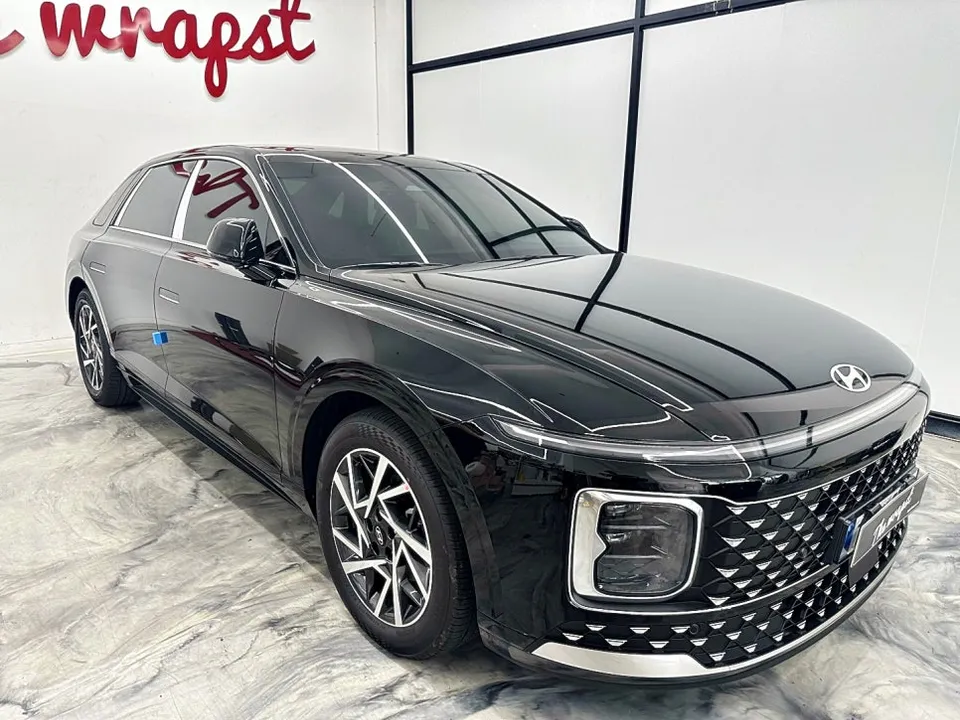
Hyundai Staria Body Kit Installation Review
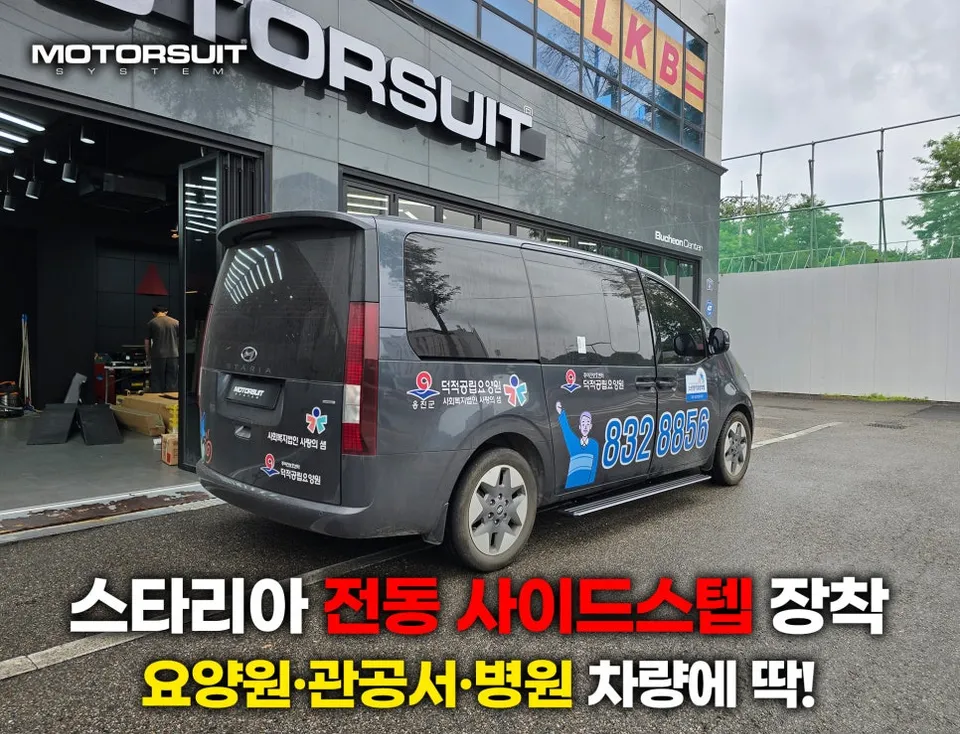
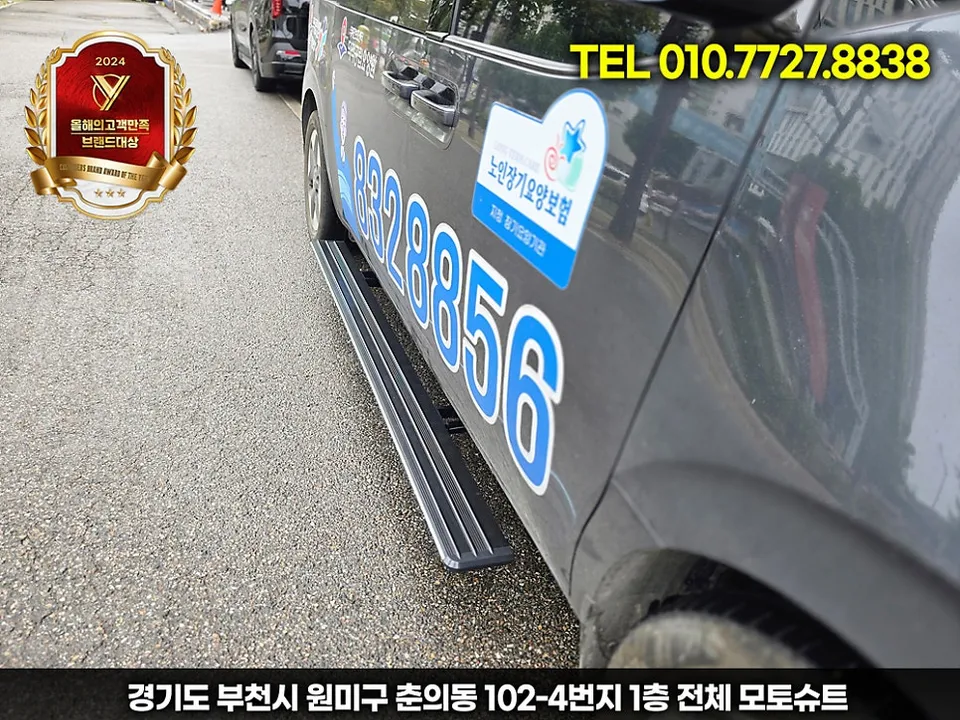
Hyundai Staria body kit installation review covers costs, installation, and aesthetics. Enhances van's look.
Hyundai Staria Body Kit Installation: Enhancing Your Van's Aesthetics
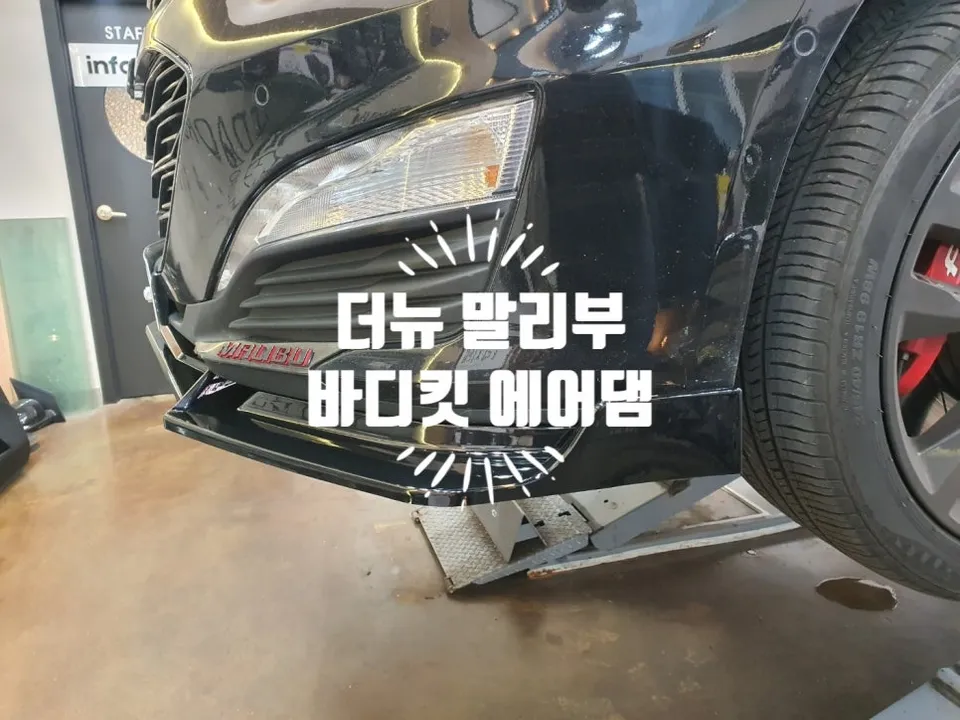
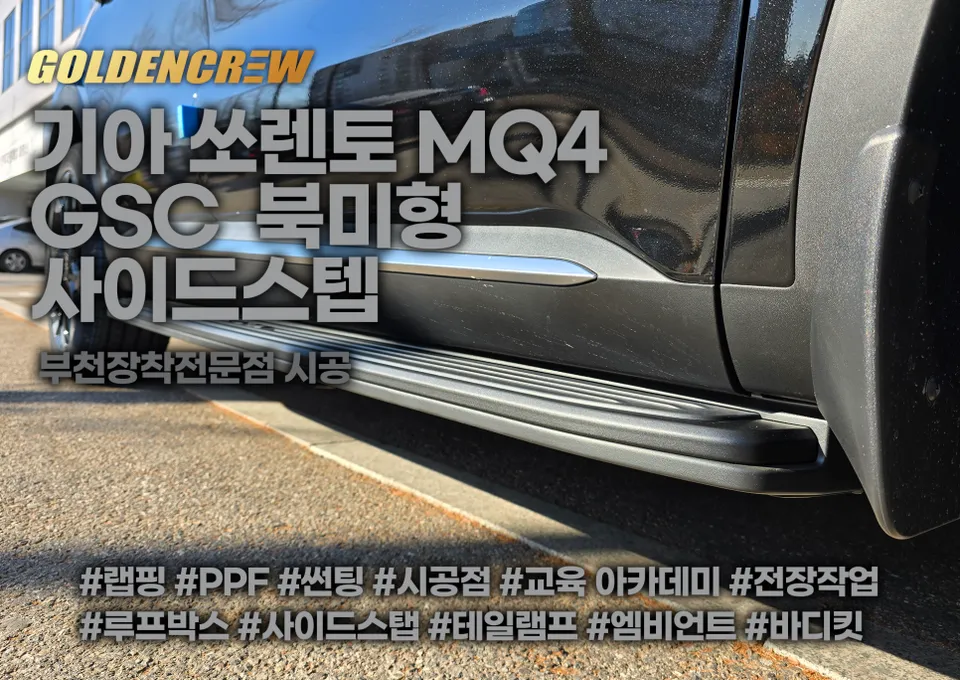
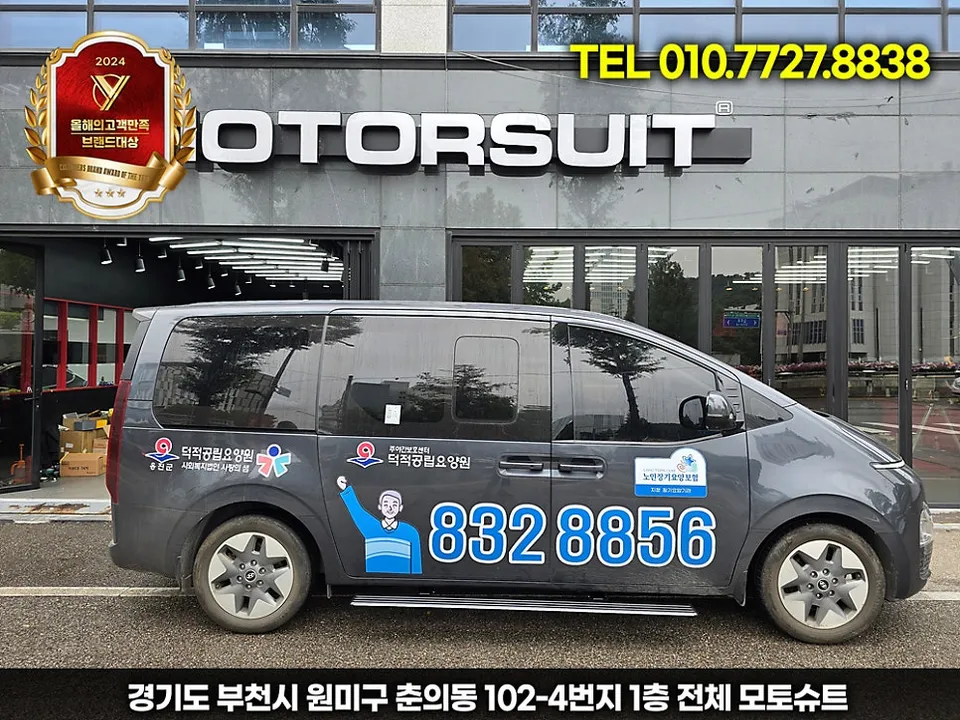
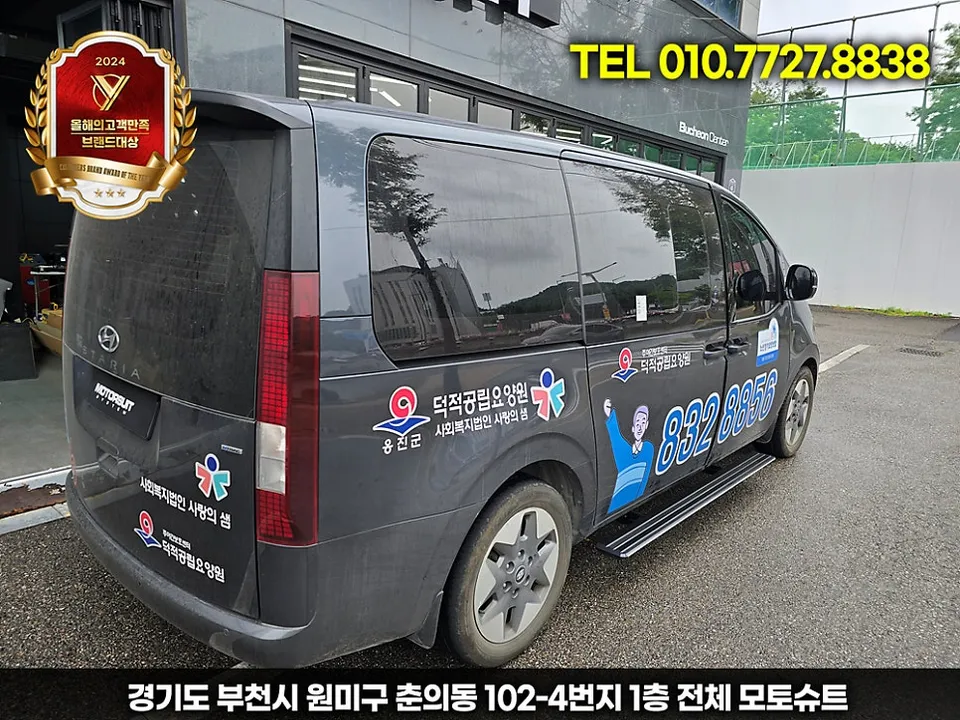
The Hyundai Staria, with its distinctive design, offers a unique canvas for customization. One popular modification is the installation of a body kit, often referred to as an aero kit. This can include components like front lips, side skirts, and rear diffusers, designed to give the Staria a sportier, more aggressive stance. While the original Korean context mentions electric side steps specifically for commercial vehicles like nursing homes, government offices, and hospitals, the concept of enhancing a Staria's exterior with body kits is a broader trend. This review focuses on the general aspects of body kit installation for the Staria, covering what you can expect in terms of cost, the installation process, and the overall value.
Body Kit Installation Process and Considerations
Installing a body kit on a Hyundai Staria involves several key steps. The process typically begins with preparing the vehicle's surface to ensure proper adhesion and a clean finish. This often includes cleaning, degreasing, and sometimes light sanding of the areas where the kit components will be attached. The kit parts themselves, often made from materials like ABS plastic, polyurethane, or fiberglass (FRP), are then carefully fitted and secured. This might involve drilling, using specialized adhesives, or a combination of both. Professional installation is highly recommended to ensure a perfect fit and finish, avoiding gaps or misalignments that can detract from the vehicle's appearance. The specific components of an aero kit can significantly alter the Staria's profile, giving it a lower, wider, and more dynamic look. While the Korean context highlights practical additions like electric side steps for accessibility, aftermarket body kits focus more on visual enhancement.
Cost, Durability, and Value of a Staria Body Kit
The cost of a body kit for a Hyundai Staria can vary widely depending on the brand, the materials used, and the number of components included. Basic kits might start at a few hundred dollars, while more comprehensive or premium options can cost upwards of $1,000 or more, excluding installation. Professional installation costs can add several hundred dollars to the total price. Durability is another crucial factor. Kits made from high-quality ABS plastic or polyurethane tend to be more resilient to minor impacts and temperature changes compared to fiberglass (FRP) kits, which can be more prone to cracking if subjected to harsh impacts. Proper maintenance, including regular cleaning and waxing, can help preserve the finish and longevity of the body kit. When considering if a body kit is worth it, potential buyers should weigh the aesthetic improvements against the cost and potential risks, such as reduced ground clearance or the need for more careful maneuvering in tight spaces.
Frequently Asked Questions
Q. How much does a body kit cost for a Hyundai Staria?
The cost for a Hyundai Staria body kit can range from a few hundred to over a thousand US dollars, depending on the kit's complexity and materials. Professional installation typically adds several hundred dollars to this price.
Q. How long does body kit installation take on a Hyundai Staria?
Body kit installation on a Hyundai Staria typically takes a few hours to a full day, depending on the complexity of the kit and the installer's experience. Proper maintenance involves regular washing and waxing to preserve the finish.
Q. Is a body kit worth it for a Hyundai Staria?
A body kit can be worth it for a Hyundai Staria if you prioritize a sportier, more customized aesthetic and are willing to invest in the upgrade. It's most beneficial for owners looking to significantly alter their van's visual presence.
Q. How is a body kit installed on a Hyundai Staria?
Installation involves preparing the Staria's surface, fitting the kit components (like front lips or side skirts), and securing them with adhesives or fasteners. 1. Clean and degrease the mounting areas. 2. Test fit all components. 3. Secure parts using automotive-grade adhesive and/or screws. 4. Allow adhesive to cure fully.
Q. What is the difference between FRP and polyurethane body kits for a Hyundai Staria?
FRP (fiberglass-reinforced plastic) kits are often more affordable but can be brittle and prone to cracking, while polyurethane kits offer better flexibility and impact resistance, making them more durable for daily use.
OhCar Partner Shop