Hyundai Staria Body Kit Review — Enhanced Style
Service Price
$approx. $400–800
Estimated price · Actual price may vary by shop
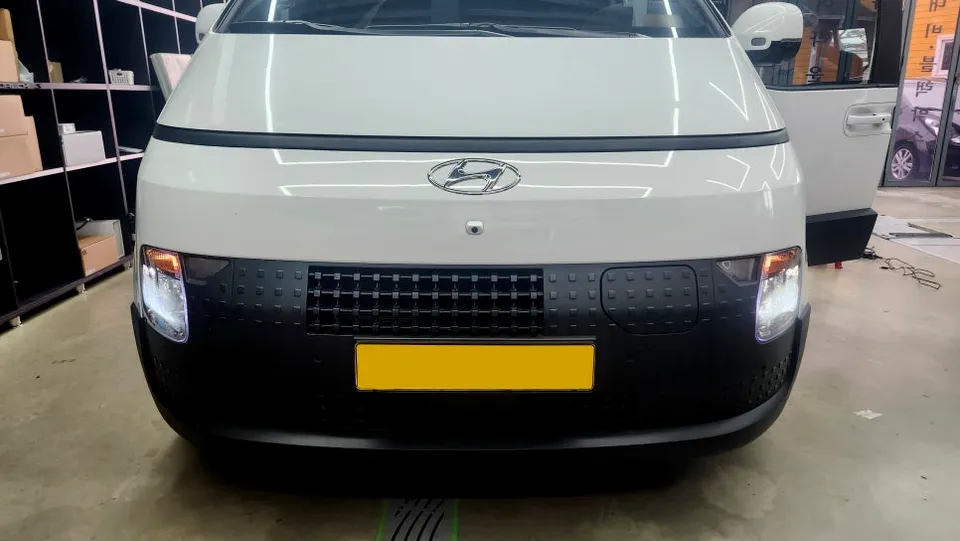
Before
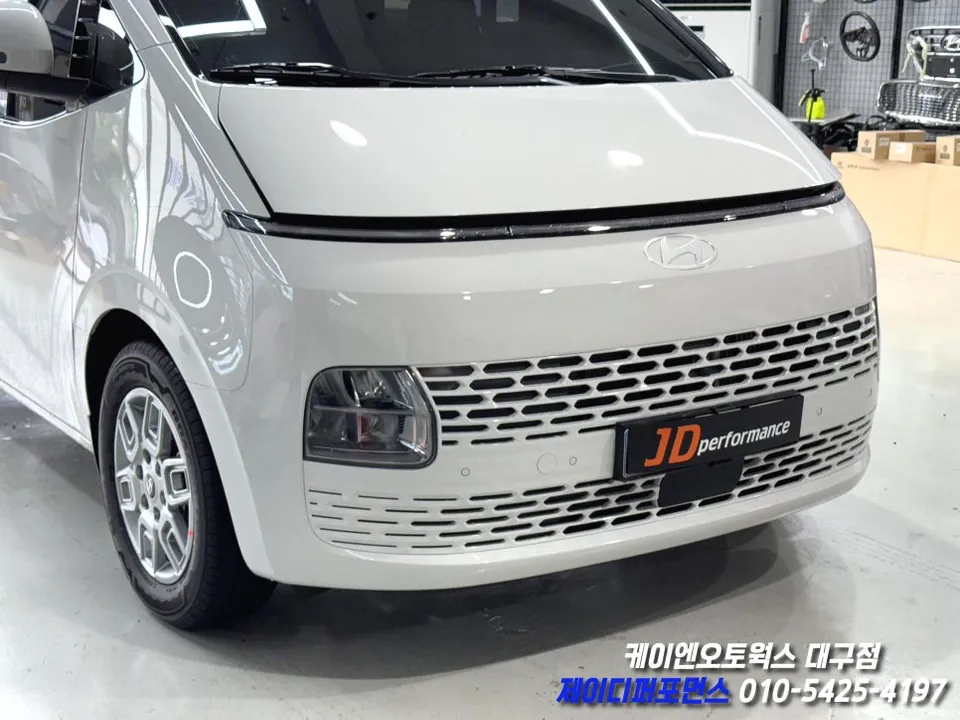
After
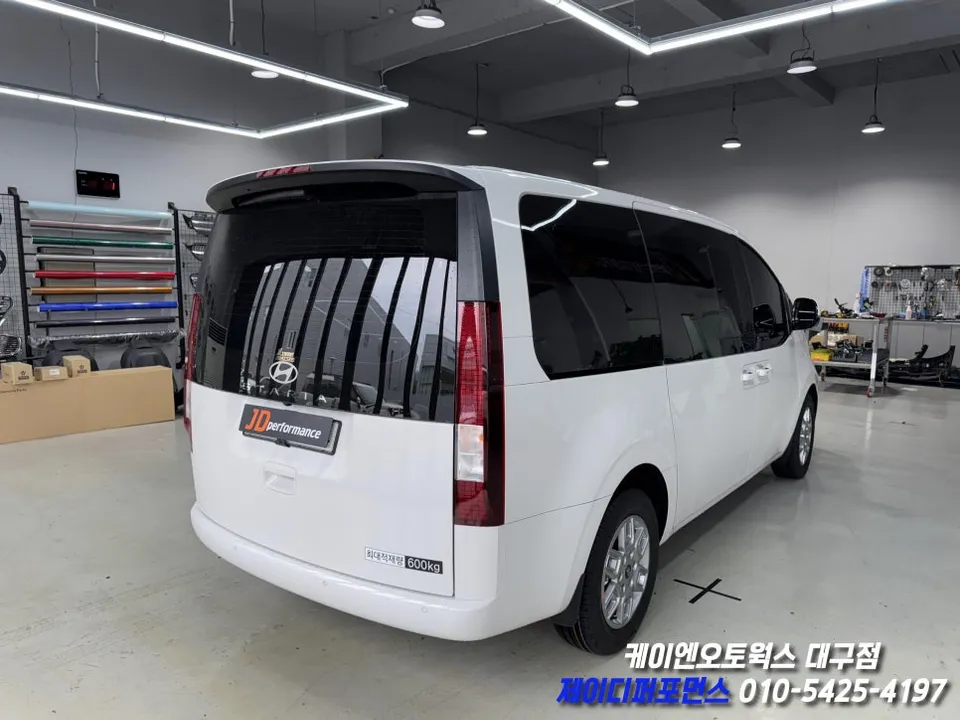
Process photos
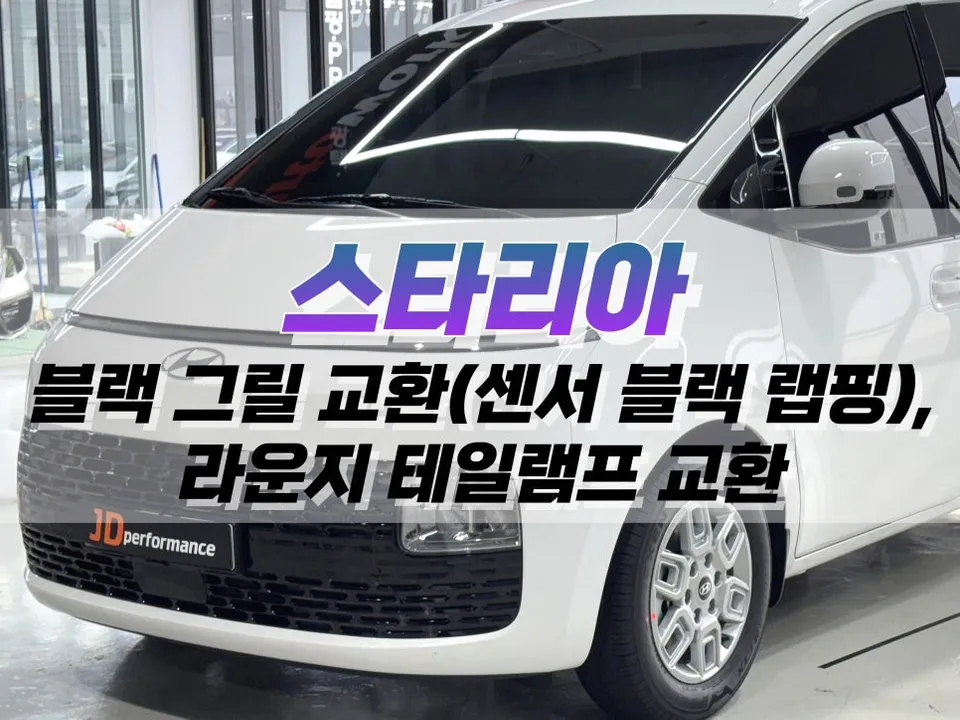
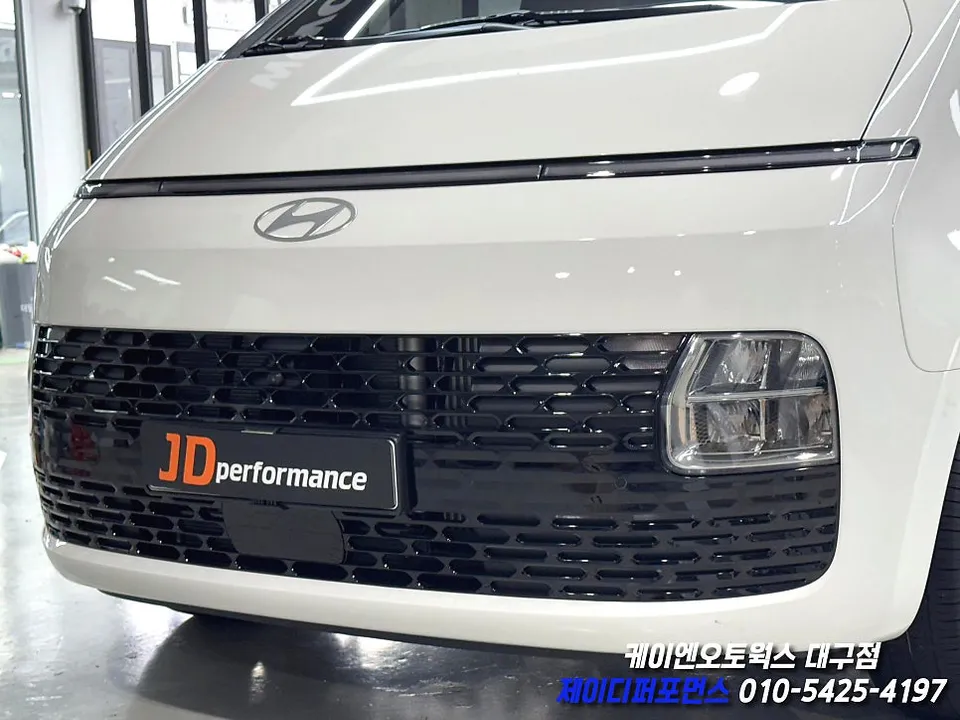
Hyundai Staria body kit upgrade: Enhance style with gloss black grille & LED taillights. Improves aesthetics and safety.
Elevate Your Hyundai Staria's Presence
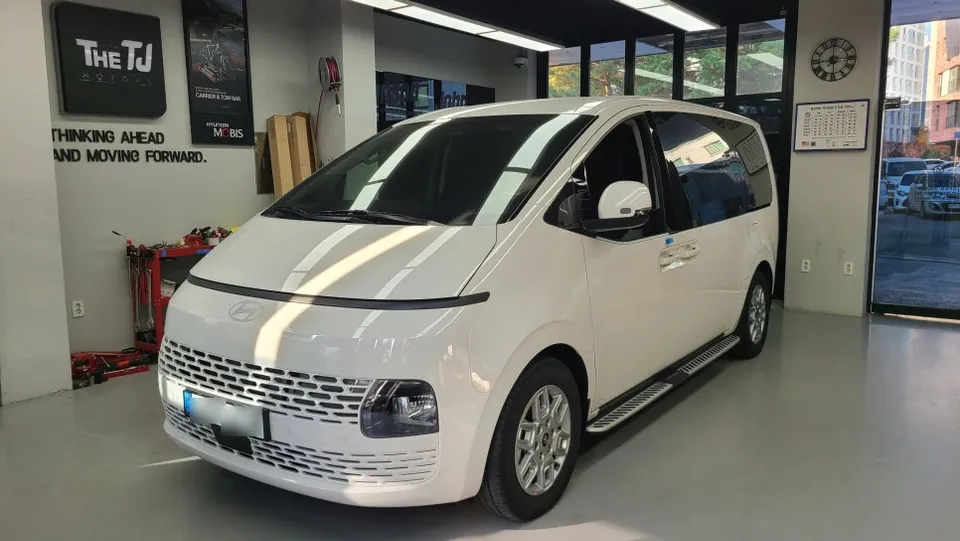
The Hyundai Staria, available in various trims like Tourer and Cargo, often leaves owners of the more utilitarian models desiring a more premium aesthetic. While the Lounge trim boasts a sophisticated design, owners of other grades can achieve a similar upscale look through genuine part upgrades, specifically focusing on the front grille and taillights. This review explores the transformation achievable with a body kit, focusing on enhancing the Staria's visual appeal and perceived luxury.
Transforming the Staria's Exterior
Many Staria owners find the standard grille and lighting on non-Lounge models to be somewhat understated. Upgrading to a gloss black grille and full LED taillights can dramatically alter the vehicle's front and rear profiles, imbuing it with a more commanding and modern presence. This isn't just about aesthetics; the brighter, clearer illumination from LED taillights also significantly improves nighttime visibility, contributing to safer driving conditions. The process involves carefully replacing the existing components with genuine parts designed for a seamless fit, ensuring an integrated and factory-quality finish.
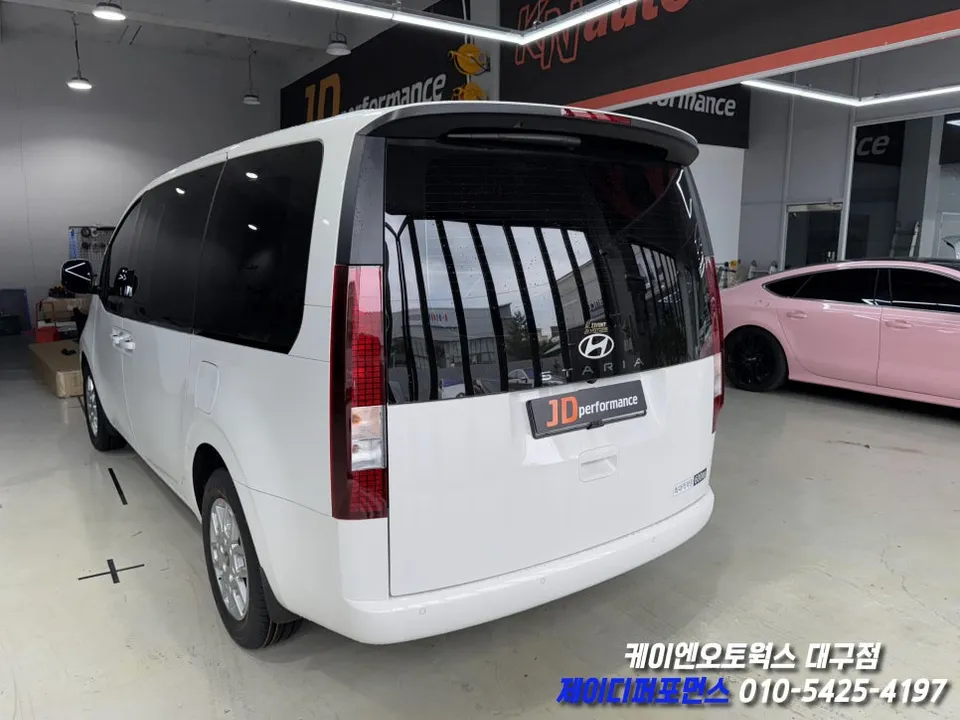
The Body Kit Installation Process
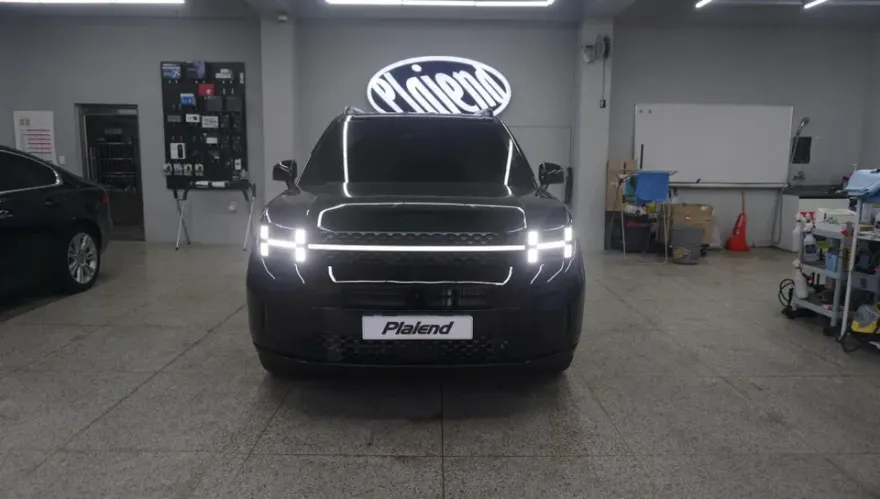
The transformation typically involves two key areas: the front grille and the rear taillights. The front of the Staria can be significantly enhanced by replacing the standard grille with a gloss black version. This upgrade lends a sportier and more aggressive stance to the vehicle. The installation requires the careful removal of the front bumper and the original grille, followed by the precise fitting of the new gloss black grille. A notable detail in this process is the option to wrap the front parking sensors to match the new grille's finish. This not only offers a cost-effective solution compared to purchasing new sensors but also ensures a cohesive look, preventing any visual mismatch between the sensors and the grille. The wrapping is performed with precision to ensure sensor functionality remains unaffected.
The rear of the Staria benefits from an upgrade to full LED taillights. These modern units offer a sharper, more contemporary light signature compared to older halogen types. The replacement is a direct swap, utilizing the vehicle's existing mounting points and wiring harnesses, ensuring a perfect fit and function. The result is a Staria that looks more refined and up-to-date, bridging the visual gap between different trim levels and enhancing the overall premium feel of the vehicle.
Installation Process:
1. Carefully remove the original front grille and bumper components.
2. Replace the front grille with the new gloss black version.
3. Wrap existing front parking sensors to match the new grille color for a seamless look.
4. Remove the original rear taillights.
5. Install the new full LED taillights, ensuring proper connection and fitment.
Frequently Asked Questions
Q. How much does a body kit cost for a Hyundai Staria?
The cost for genuine Staria grille and taillight upgrades, as performed in this review, is approximately 1,500,000 Korean Won. Typical aftermarket body kit installations in the US can range from $500 to $3,000 depending on the kit's complexity and material.
Q. How long does body kit installation take on a Hyundai Staria?
Installation of a grille and taillight upgrade typically takes a few hours to complete. Proper care and attention to detail during installation will ensure the longevity of the components and the finish.
Q. Is a body kit worth it for a Hyundai Staria?
A body kit is highly recommended for Staria owners seeking to enhance their vehicle's visual appeal and achieve a more luxurious or sporty look. It offers a significant aesthetic upgrade and can improve safety through better lighting.
Q. How is a body kit installed on a Hyundai Staria?
Installation involves carefully removing the original front grille and rear taillights. The new components are then fitted, often requiring minor adjustments. For the front grille, parking sensors may be wrapped to match the new finish. The rear taillights are replaced with new LED units.
Q. What is the difference between FRP and polyurethane body kits for a Hyundai Staria?
Polyurethane kits are generally more flexible, durable, and resistant to cracking compared to Fiberglass Reinforced Plastic (FRP) kits. For most applications, polyurethane offers a better balance of impact resistance and finish quality.
OhCar Partner Shop