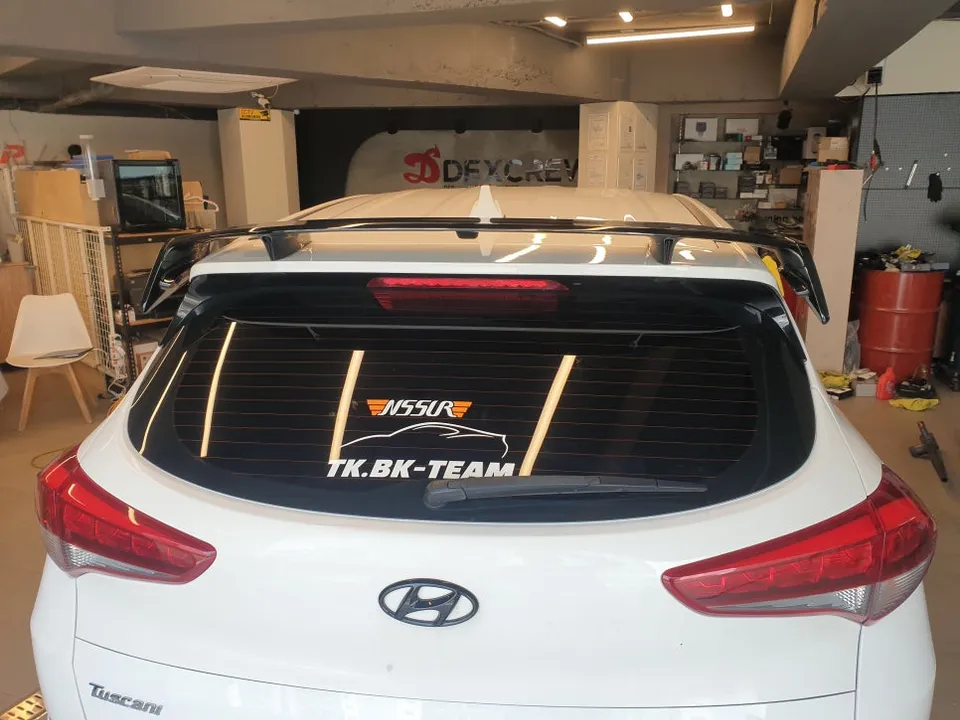
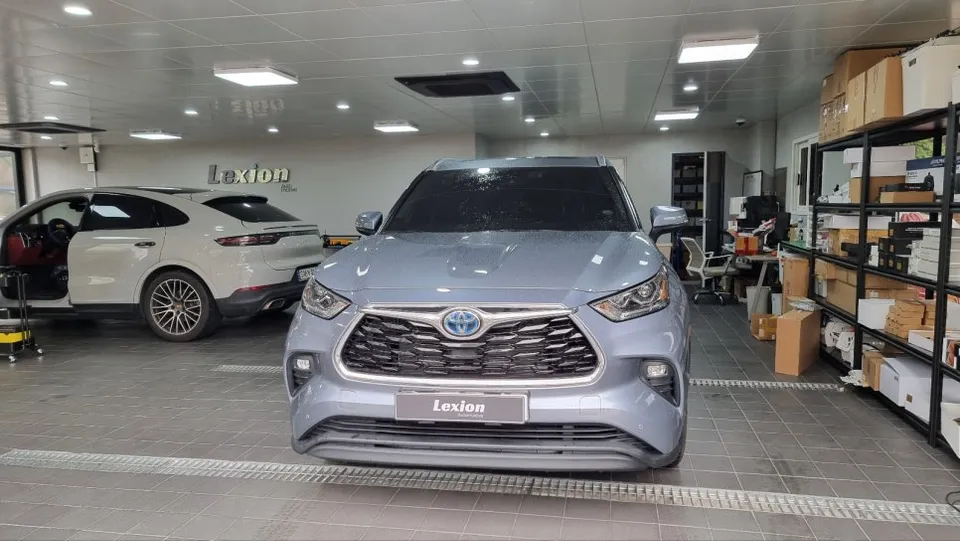
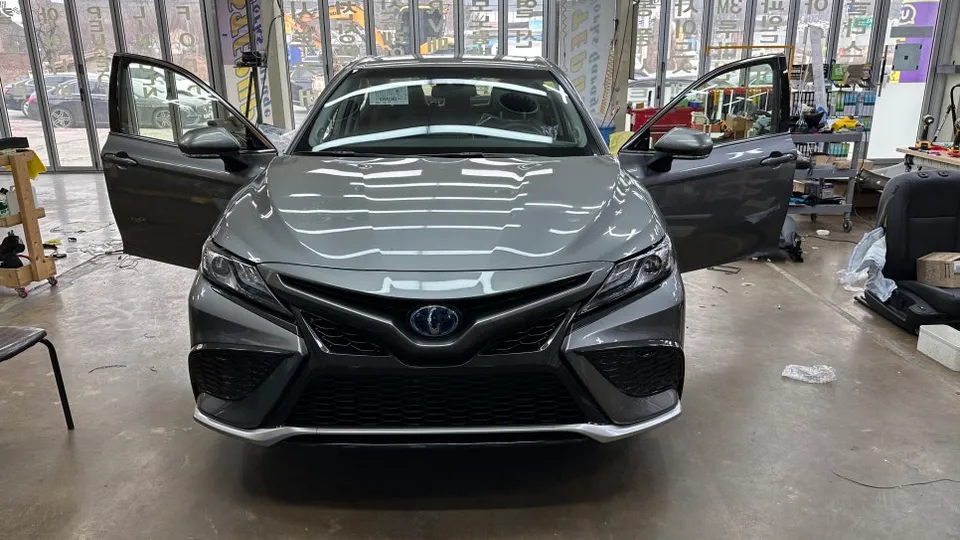
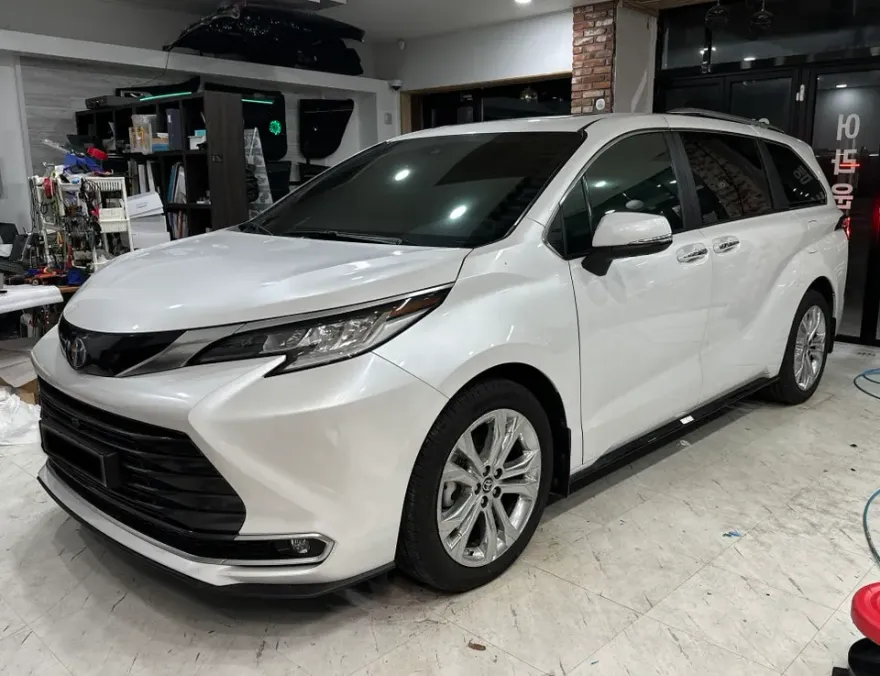
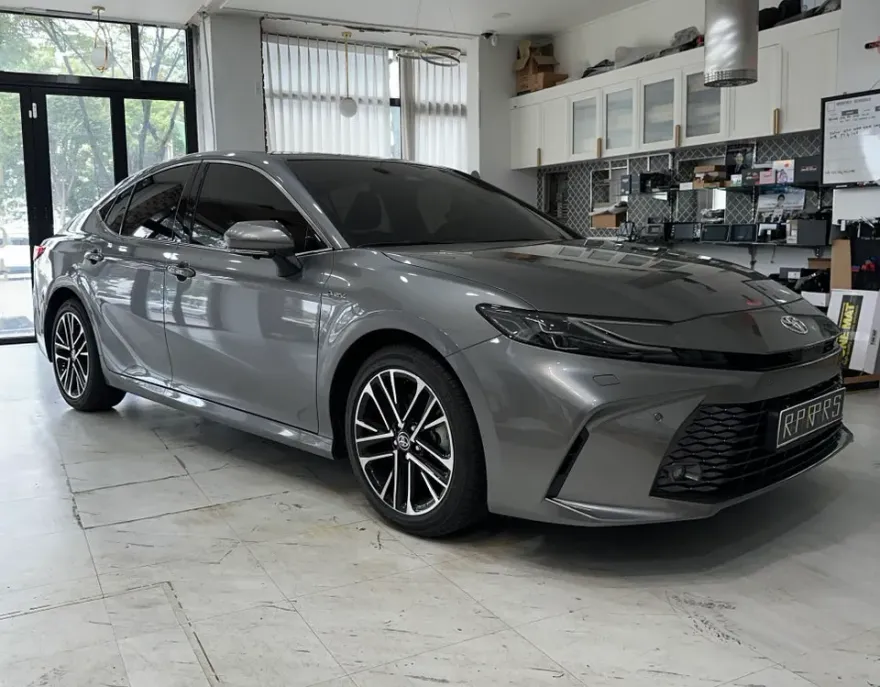
Toyota Highlander Body Kit Installation Review
Service Price
$150+
Estimated price · Actual price may vary by shop
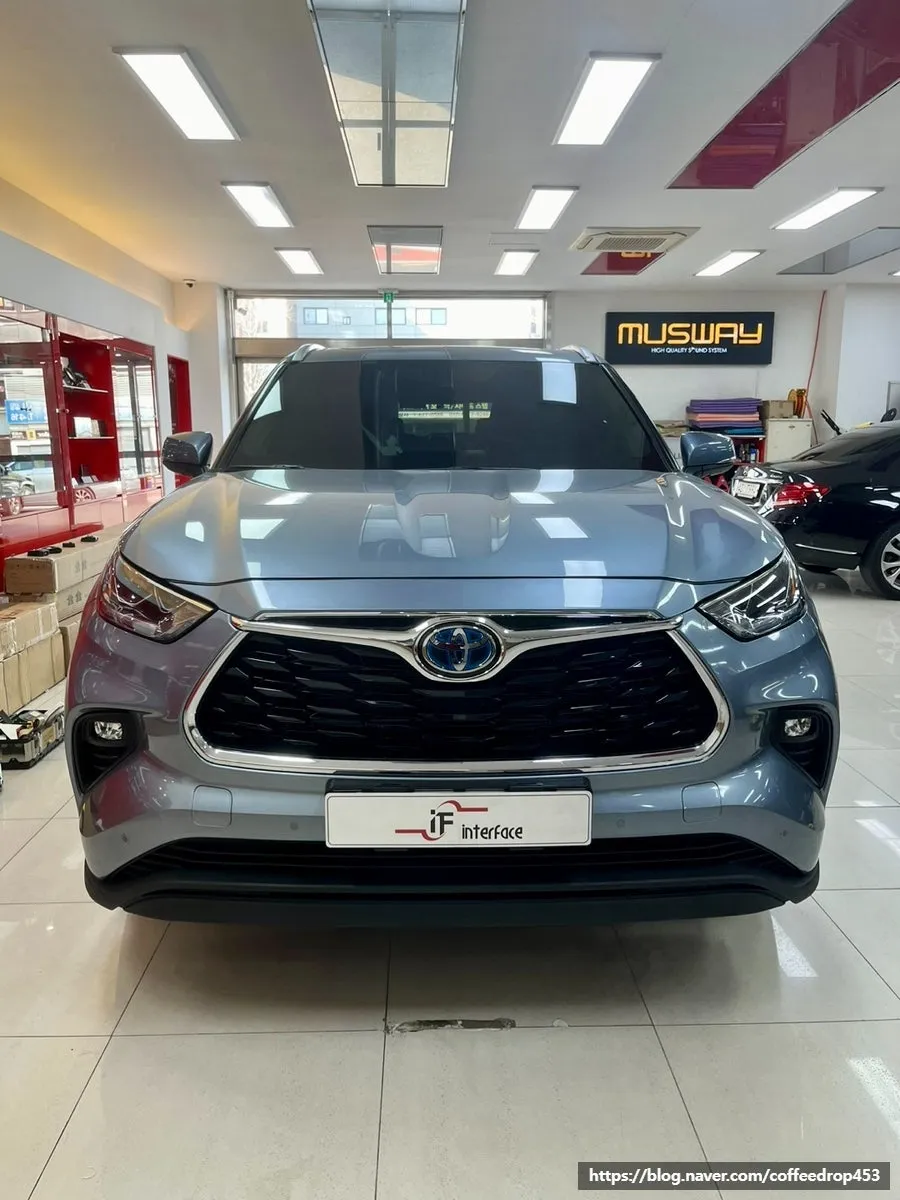
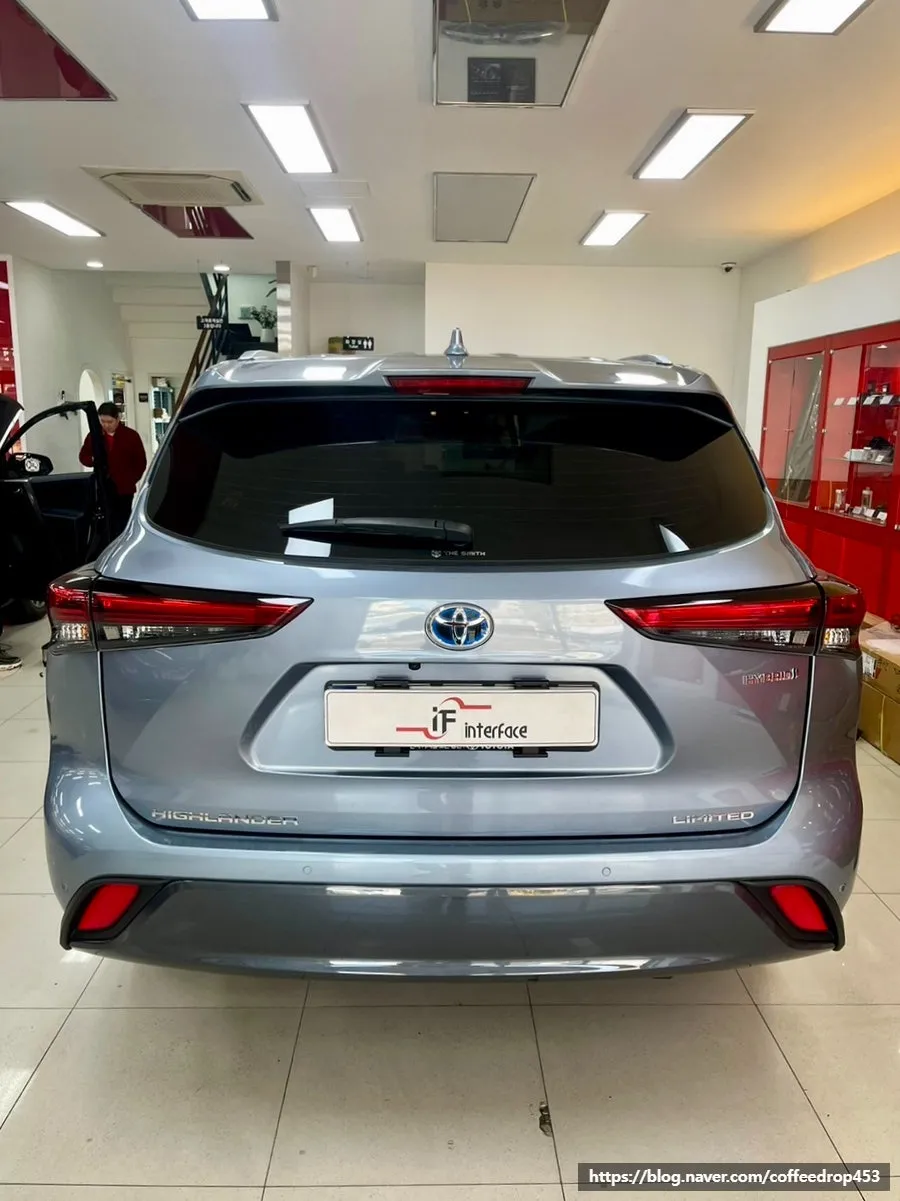
Toyota Highlander body kit installation: $150+. Enhances aesthetics with a sportier look. Durability varies by material.
Enhancing Your Toyota Highlander with a Body Kit
The Toyota Highlander, a popular choice for families, often benefits from aesthetic and functional upgrades. One such upgrade is a body kit, which can significantly alter the vehicle's appearance and, in some cases, its aerodynamics. This review delves into the specifics of body kit installation for the Toyota Highlander, covering what to expect in terms of cost, the visual transformation, and the long-term implications of such modifications.
Understanding Body Kit Components and Materials
Body kits for the Toyota Highlander typically include components like front lips, side skirts, and rear diffusers. These parts are designed to give the SUV a sportier, more aggressive stance. The materials used are crucial for durability and appearance. Common options include:
- Fiberglass Reinforced Plastic (FRP): Often more affordable, FRP kits can be molded into complex shapes but may be more prone to cracking or damage from impacts. They usually require professional painting and finishing.
- Polyurethane: This material is more flexible and durable than FRP, making it better suited to withstand minor impacts and temperature changes. Polyurethane kits often offer a more seamless fit and finish, though they can be more expensive.
The choice of material impacts not only the initial body kit cost but also its longevity and maintenance requirements. For a vehicle like the Highlander, which is often used for family trips, durability is a key consideration.
The Body Kit Installation Process for a Toyota Highlander
Installing a body kit on a Toyota Highlander is a precise process that requires careful attention to detail. While the exact steps can vary depending on the kit and the specific Highlander model year, the general procedure involves:
- Preparation: The existing bumpers and side panels are removed. The new body kit components are test-fitted to ensure proper alignment and fitment against the Highlander's body lines.
- Modification and Alignment: Minor adjustments may be needed to achieve a perfect fit. This can involve trimming or sanding the components.
- Attachment: The body kit parts are securely attached to the vehicle's chassis using a combination of automotive-grade adhesives, bolts, and clips. This ensures they are firmly in place and can withstand driving forces.
- Finishing: After installation, the kit is typically primed and painted to match the Highlander's original paint color or a custom color scheme. Sealing and detailing complete the process.
The installation itself can take anywhere from a few hours to a full day, depending on the complexity of the kit and the installer's expertise. The cost for professional installation can range from $150 upwards, not including the price of the body kit itself.
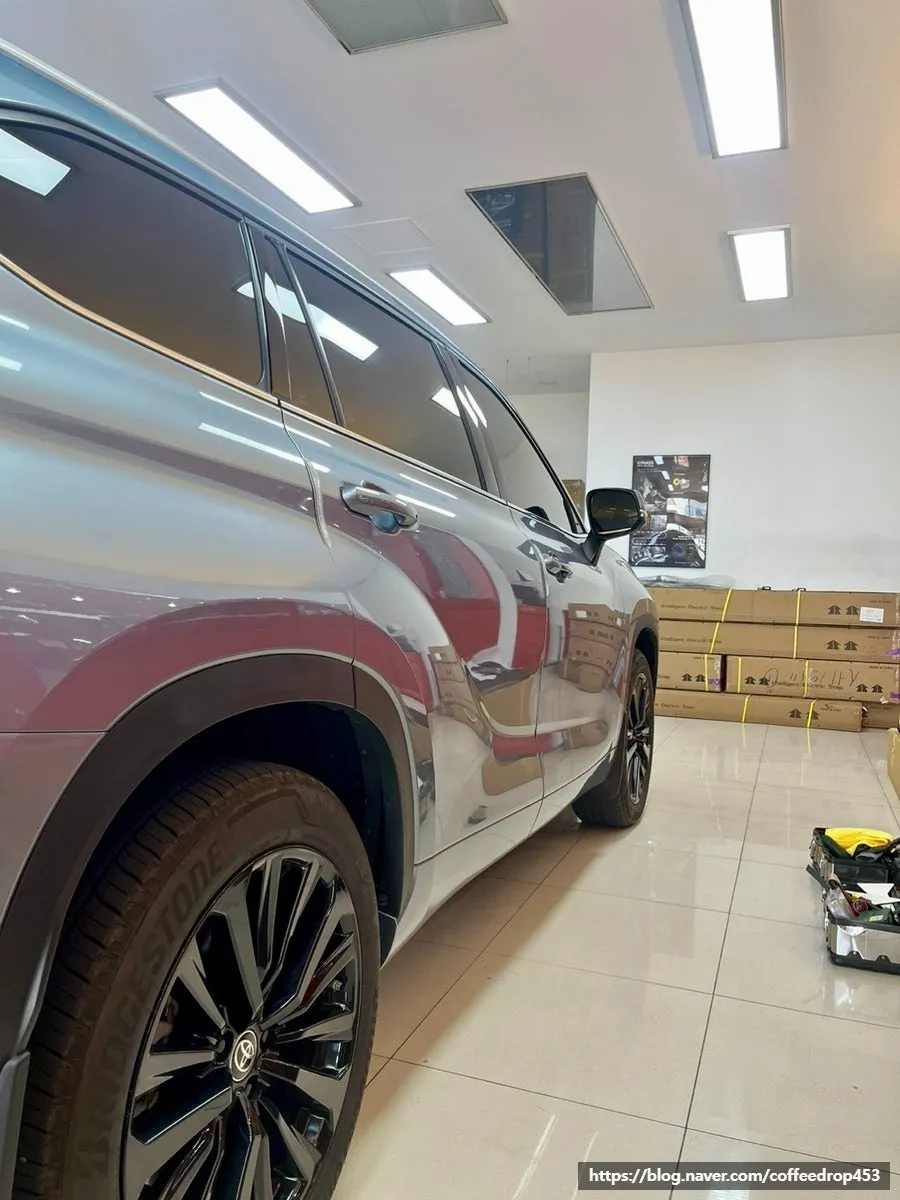
Before and After: The Visual Impact and Durability
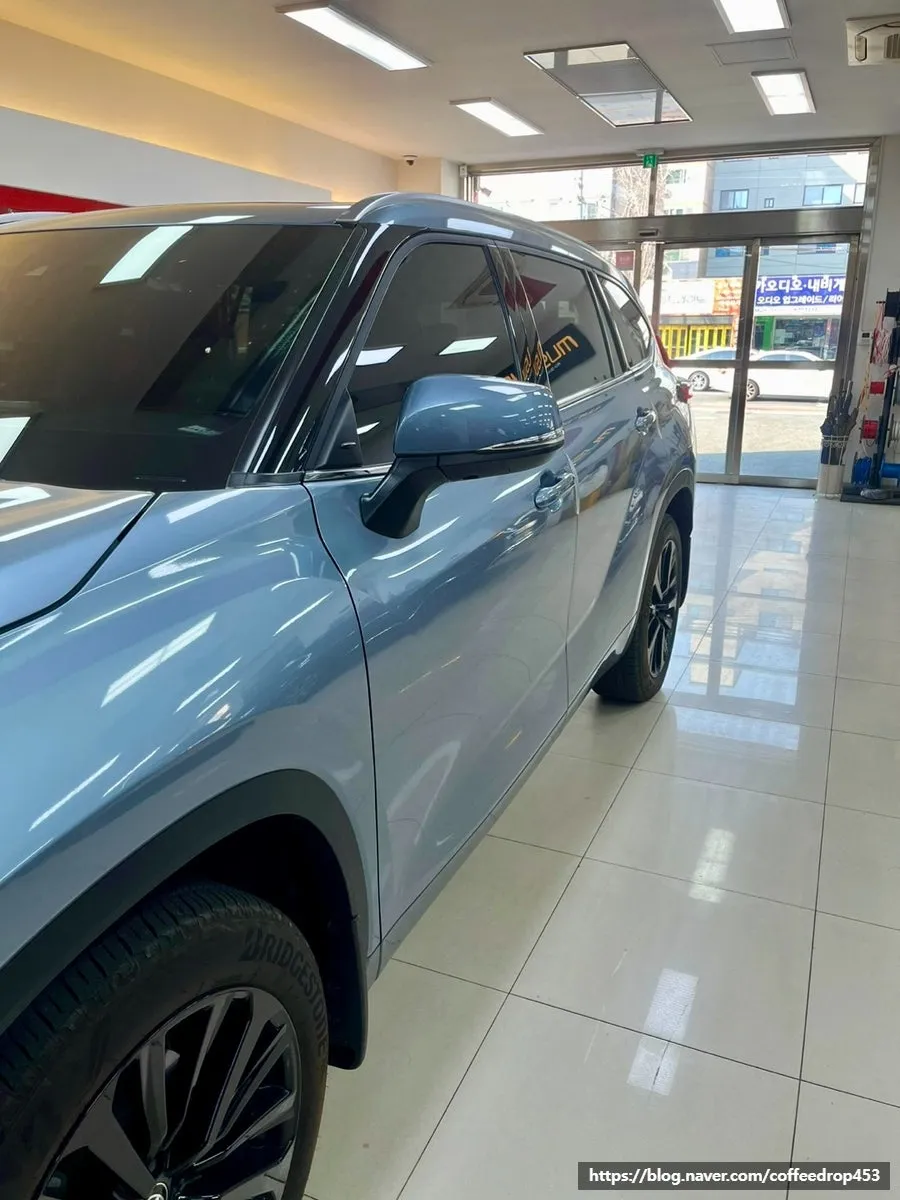
The most noticeable result of a body kit installation is the visual transformation. A Highlander equipped with a body kit often appears lower, wider, and more performance-oriented. The front lip can give a more aggressive face, while side skirts visually lower the vehicle's profile. The rear diffuser adds a sporty touch. While these kits are primarily for aesthetics, some aerodynamic benefits might be realized, though typically minimal on an SUV like the Highlander.
Durability is a significant factor. While polyurethane kits offer better resilience, all body kits are susceptible to damage from road debris, speed bumps, or steep driveways. Regular cleaning and careful driving are essential for maintaining the kit's appearance and integrity. Minor scratches or scuffs can often be repaired, but significant damage might require component replacement.
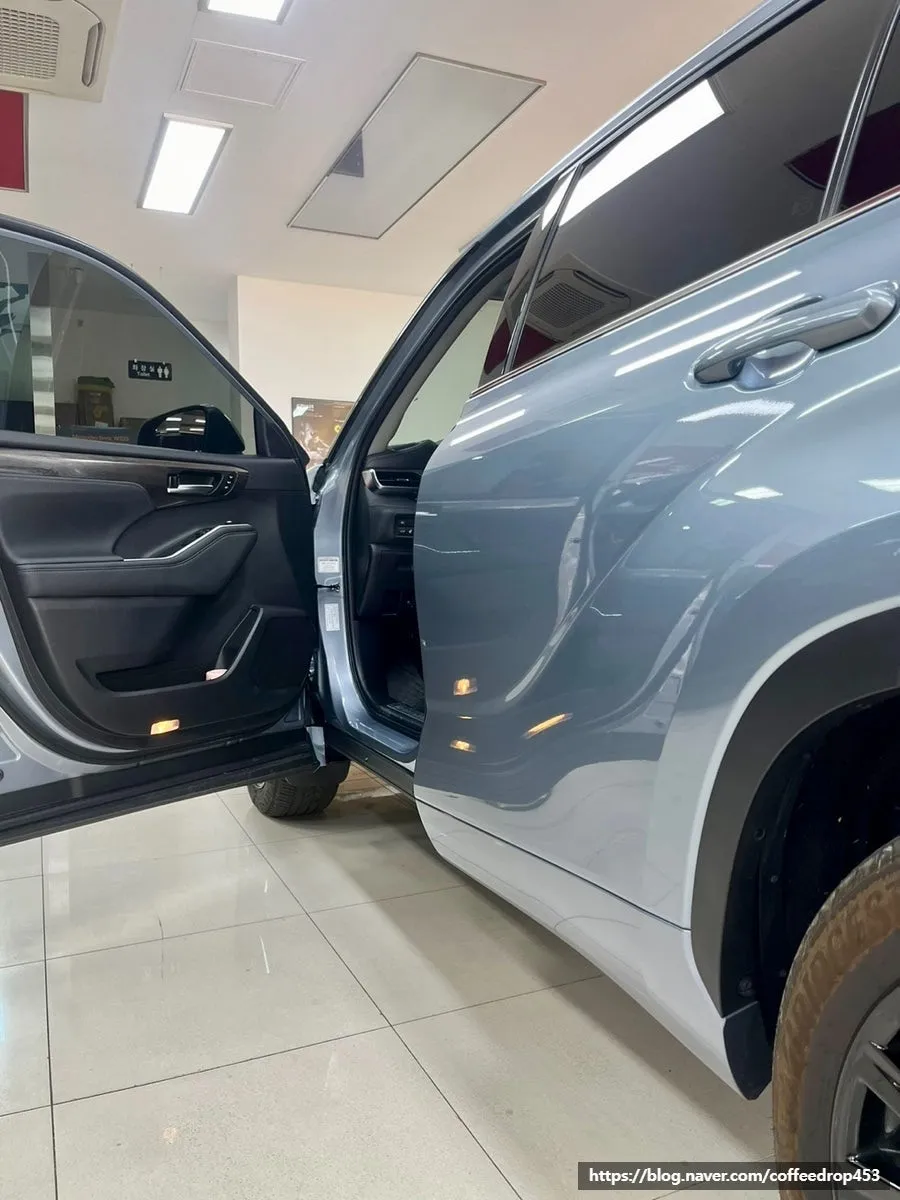
Is a Toyota Highlander Body Kit Worth It?
Deciding whether a body kit is worth the investment depends on your priorities. If you seek to significantly enhance your Highlander's visual appeal and give it a more customized, sporty look, then a body kit can be a worthwhile modification. The cost, including parts and professional installation, can range from several hundred to over a thousand dollars. For owners who value a unique aesthetic and are prepared for the potential maintenance and care required, a body kit offers a way to personalize their vehicle beyond factory options. However, if practicality and low maintenance are paramount, the added cost and potential fragility might not align with your needs.
Frequently Asked Questions
Q. How much does a body kit cost for a Toyota Highlander?
Professional installation for a Toyota Highlander body kit typically starts around $150, not including the cost of the kit itself. The total investment can vary significantly based on the kit's complexity and material.
Q. How long does body kit installation take on a Toyota Highlander?
Body kit installation on a Toyota Highlander can take anywhere from a few hours to a full day. To ensure longevity, regular cleaning and careful driving are recommended to prevent damage from road debris or impacts.
Q. Is a body kit worth it for a Toyota Highlander?
A body kit is worth it for a Toyota Highlander if you prioritize a significantly enhanced, sporty aesthetic and are prepared for the associated costs and maintenance. It's an excellent option for owners looking to personalize their vehicle's appearance.
Q. How is a body kit installed on a Toyota Highlander?
Installation involves removing existing panels, test-fitting and aligning the new body kit components (like front lips and side skirts), securely attaching them using adhesives and fasteners, and finally priming and painting to match the vehicle.
Q. What is the difference between FRP and polyurethane body kits for a Toyota Highlander?
FRP (Fiberglass Reinforced Plastic) kits are generally more affordable but can be prone to cracking, while polyurethane kits offer greater flexibility and durability, making them better suited for resisting impacts. For most users, polyurethane is recommended for its longevity.
OhCar Partner Shop