Hyundai Staria Lighting Upgrade Review — Cost & Results
Service Price
$150+
Estimated price · Actual price may vary by shop
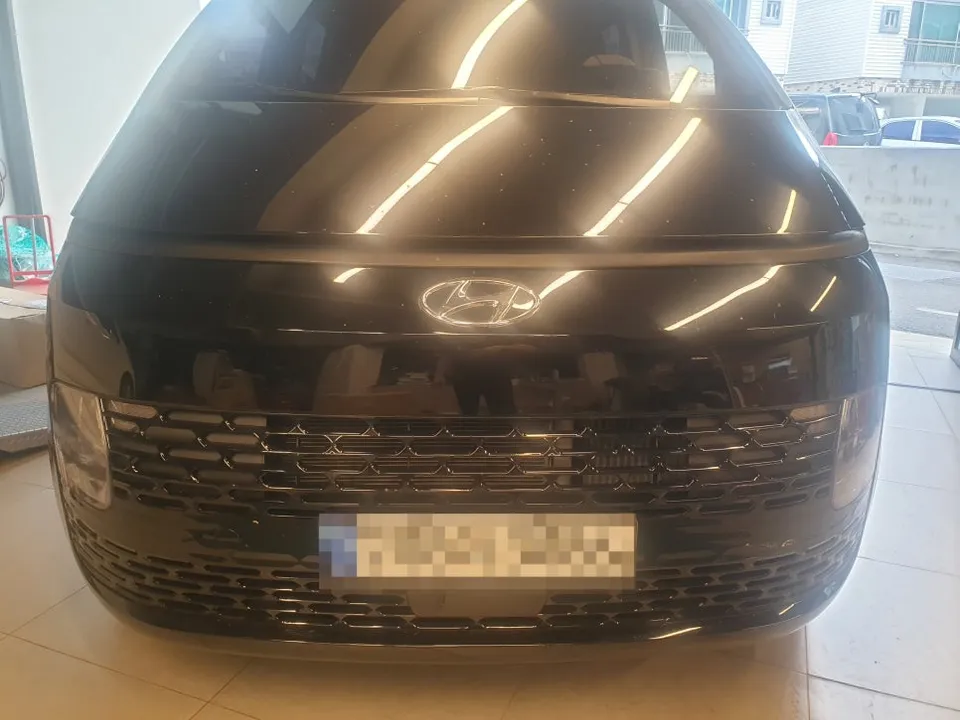
Hyundai Staria LED lighting upgrade: Starting around $150+. Enhances visibility, safety, and modernizes appearance with brighter headlights, DRLs, and
Transform Your Hyundai Staria with an LED Lighting Upgrade
The Hyundai Staria, known for its spacious interior and distinctive design, can be further enhanced with a comprehensive LED lighting upgrade. This service goes beyond mere aesthetics, significantly improving nighttime visibility and overall safety. While the Staria offers a unique presence, its stock lighting can sometimes fall short, especially for drivers who frequently navigate after dark or require enhanced signaling. This review delves into the process, cost, and benefits of upgrading the Staria's headlights, DRLs, and taillights to LED technology, drawing from a detailed installation experience.
Detailed LED Conversion for Staria
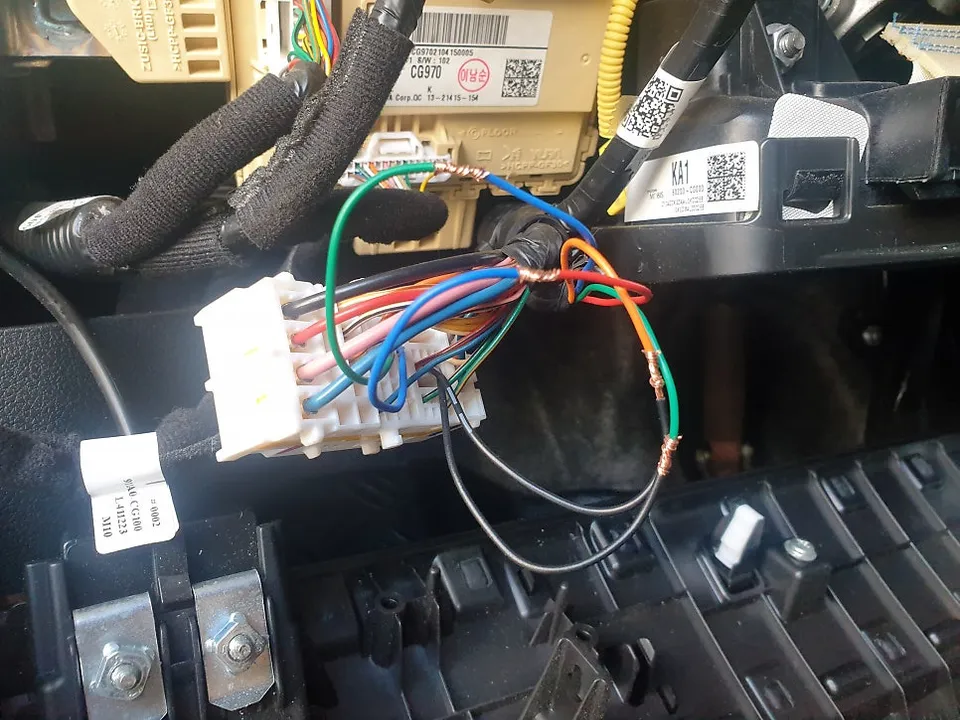
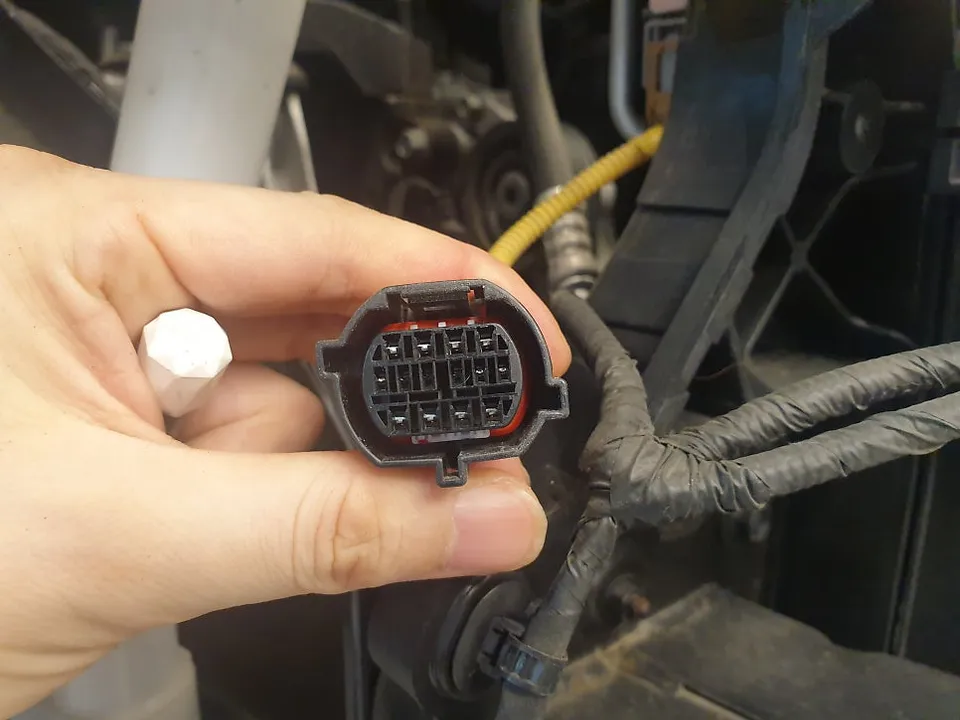
A common scenario involves Staria owners attempting to upgrade their halogen headlights to LED units, only to discover that a simple bulb swap isn't sufficient. The vehicle's electrical system requires specific wiring modifications to accommodate LED headlights. In one instance, a Staria owner faced this challenge after partially disassembling the bumper. The upgrade necessitated a complete rewiring process, ensuring compatibility and optimal performance. This involved meticulous soldering using genuine terminals to create a stable and reliable connection, preventing strain on the vehicle's electronics and maximizing the new LED lamps' output. The process ensures that the new lighting integrates seamlessly with the Staria's existing systems.
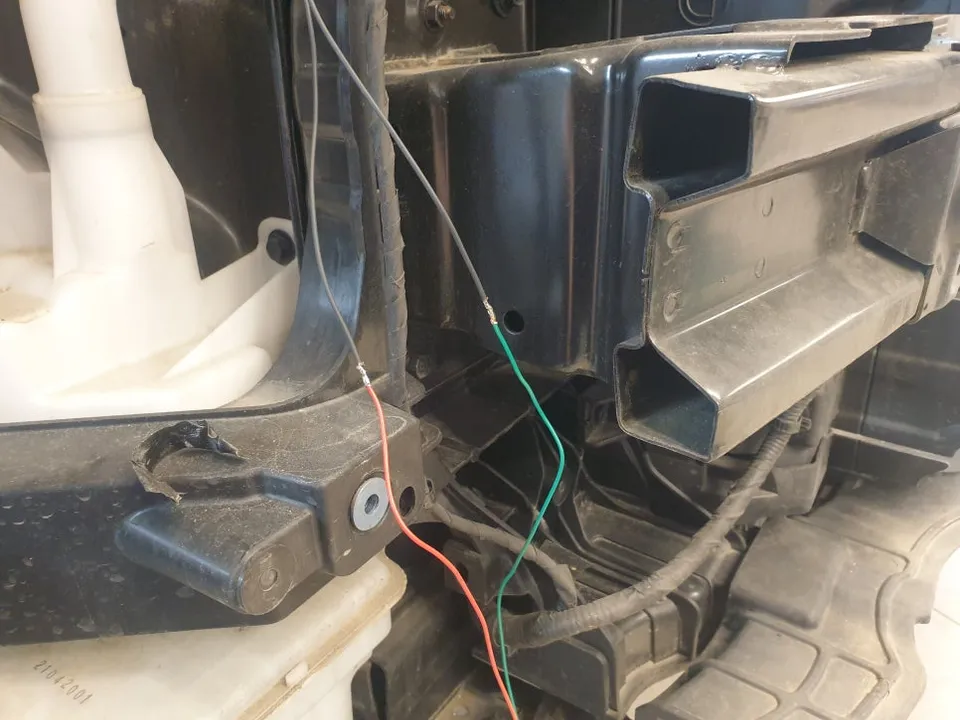
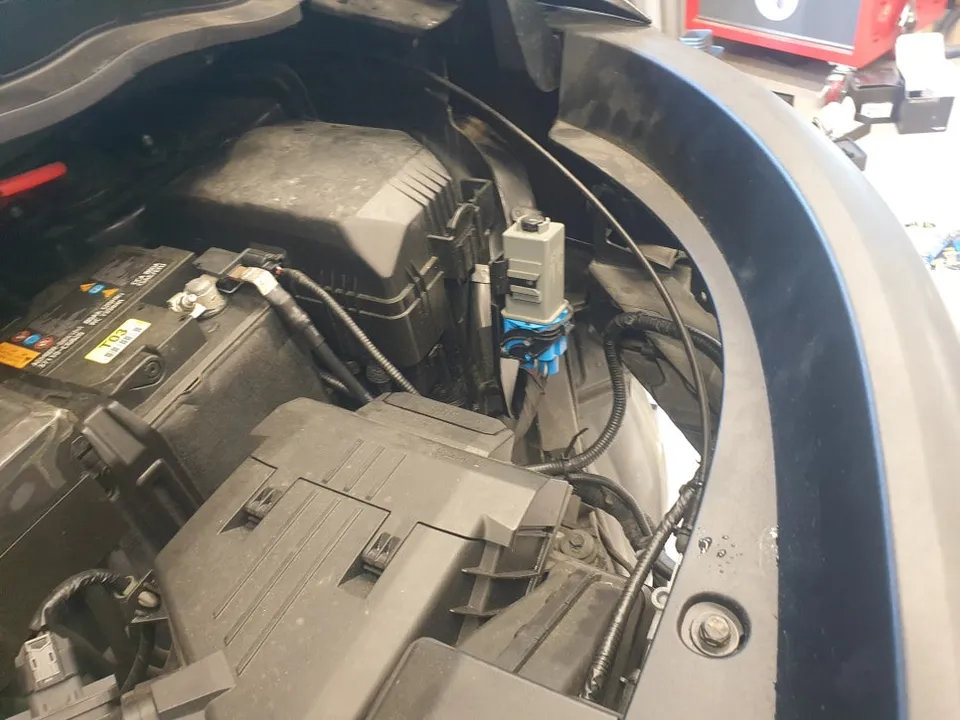
Beyond headlights, the upgrade extended to LED Daytime Running Lights (DRLs) and taillights. This required further disassembly of the front bumper for DRL wiring and component replacement. The junction box was also updated, and additional wiring was precisely soldered to match the factory specifications. A unique challenge arose with a Staria converted into a camper. The interior modifications, including a sealed trunk and a shower area with silicone sealing, presented significant obstacles for routing the new wiring harnesses. Overcoming these spatial limitations demanded careful planning and delicate execution to successfully integrate the new LED components without compromising the vehicle's existing conversion.
Installation Process: Staria LED Lighting Upgrade
- Initial Assessment & Disassembly: The vehicle is inspected, and necessary components like bumpers are carefully removed to access the lighting units and wiring harnesses.
- Wiring Modification: Existing wiring is modified or new harnesses are created and meticulously soldered using appropriate terminals to ensure secure and stable connections for the LED components.
- Component Installation: New LED headlight, DRL, and taillight units are installed, replacing the stock halogen or older LED assemblies.
- System Integration & Testing: Diagnostic tools are used to check for and clear any error codes. A thorough lighting test is performed to confirm all new LEDs function correctly, including any special features like welcome lights.
Benefits and Considerations
Upgrading to LED lighting on a Hyundai Staria offers substantial advantages. LEDs provide significantly brighter illumination compared to traditional halogen bulbs, dramatically enhancing visibility during nighttime driving and reducing the risk of accidents. DRLs improve the vehicle's conspicuity during daylight hours, making it more visible to other road users. Furthermore, brighter and clearer LED taillights provide more effective signaling to following traffic. For a vehicle like the Staria, which is often used for family trips or as a base for camper conversions, these safety enhancements are invaluable. The aesthetic improvement is also notable, giving the Staria a more modern and premium appearance. While the initial cost for such an upgrade can start around $150 USD in some markets, the long-term benefits in safety, visibility, and vehicle appeal often justify the investment. Durability is generally high for quality LED components, often lasting tens of thousands of hours, though specific maintenance might involve occasional cleaning of the lenses.
Frequently Asked Questions
Q. How much does an LED lighting upgrade cost for a Hyundai Staria?
The cost for this specific Staria LED lighting upgrade was detailed in Korean Won, with an approximate USD context starting around $150+. Typical US installation costs for similar comprehensive LED lighting upgrades can range from $200 to $800, depending on the components and complexity.
Q. How long do aftermarket LED headlights last on a Hyundai Staria?
Quality aftermarket LED lighting components are designed for longevity, often rated for 25,000 to 50,000 hours of use. Regular maintenance typically involves keeping the headlight lenses clean to ensure optimal light output and prevent premature degradation.
Q. Is an LED lighting upgrade worth it for a Hyundai Staria?
An LED lighting upgrade is highly recommended for Staria owners seeking improved nighttime visibility and enhanced safety, especially if they frequently drive in low-light conditions or use their vehicle for long trips. The upgrade offers a significant boost in driving confidence and modernizes the vehicle's appearance, adding value beyond the initial cost.
Q. How is an LED lighting upgrade installed on a Hyundai Staria?
Installation involves carefully removing existing lighting units, modifying or replacing wiring harnesses with new ones designed for LEDs, and meticulously soldering connections for stability. New LED headlight, DRL, and taillight assemblies are then fitted, followed by diagnostic checks to clear error codes and a final test to ensure all lights function correctly.
Q. What is the difference between HID and LED headlights for a Hyundai Staria?
LED headlights offer instant illumination, longer lifespan, and greater energy efficiency compared to HID (High-Intensity Discharge) systems, which require a warm-up period and can be more prone to failure. For most modern applications, LED is the preferred choice due to its superior performance and reliability.
OhCar Partner Shop