Hyundai Stinger PPF Review: Windshield Protection from Chips
Service Price
$approx. $1,150–1,500
Estimated price · Actual price may vary by shop
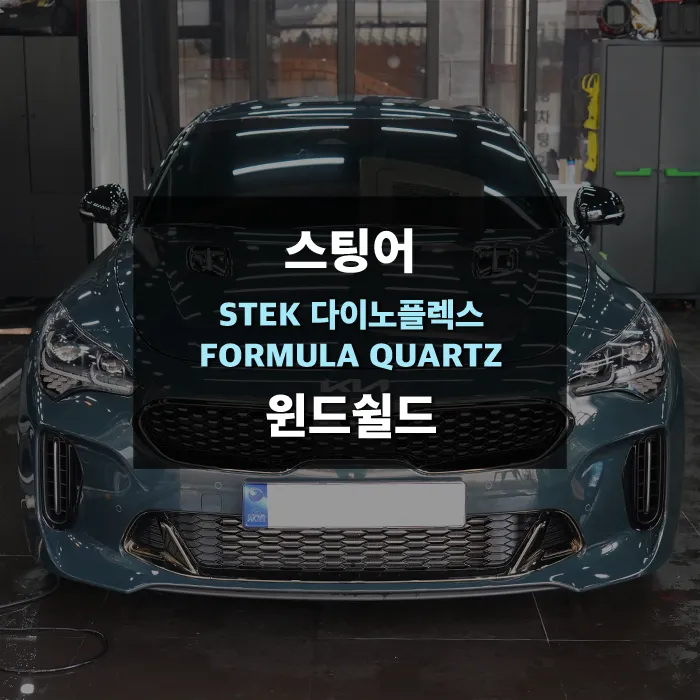
Before
After
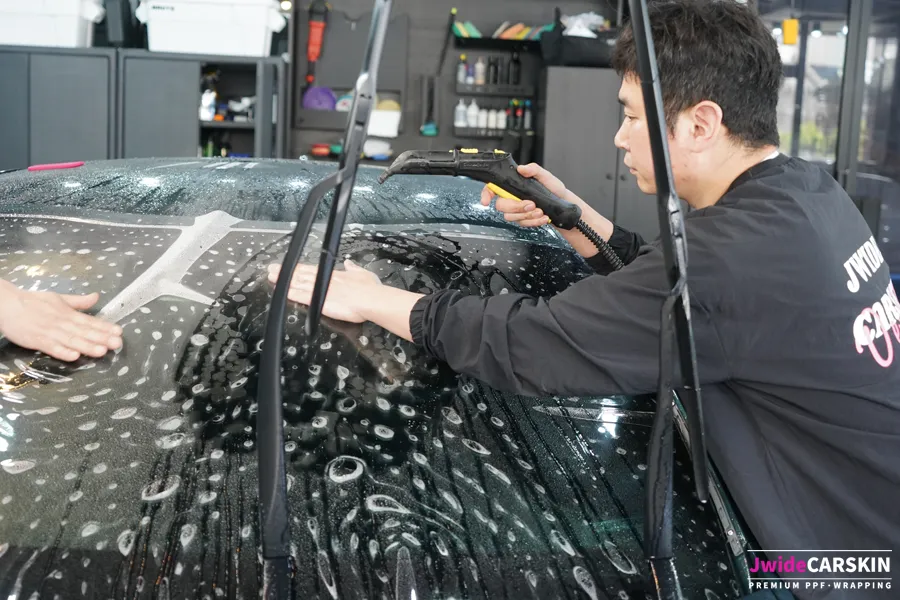
Process photos
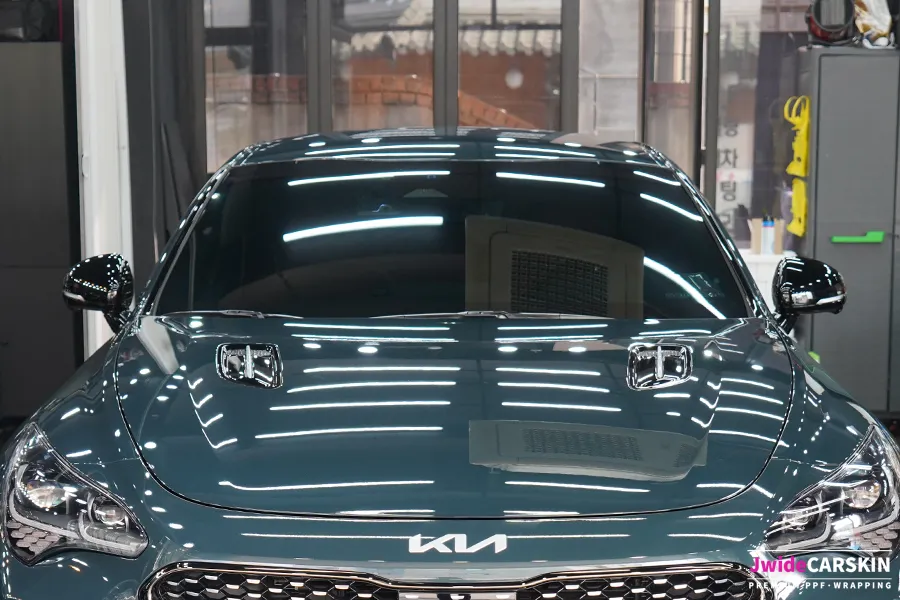
Hyundai Stinger windshield PPF installation for chip protection. STEK Dynoflex applied at Today's Car Suwon. Excellent results.
Protect Your Hyundai Stinger's Windshield from Stone Chips
Experiencing a stone chip or crack on your windshield can be a frustrating and costly issue for any car owner, especially for performance vehicles like the Hyundai Stinger. Fortunately, a windshield protection film, often referred to as a "clear bra" for glass, offers a proactive solution. This review details the installation of STEK Dynoflex windshield film at Today's Car Suwon, focusing on its effectiveness in preventing damage from road debris.
Vehicle: Hyundai Stinger
Service: Windshield Protection Film (PPF) + Hydrophobic Coating
Product Used: STEK Dynoflex, FORMULA QUARTZ Ceramic Coating
Approximate Time: 4-5 hours (including drying)
Location: Today's Car Suwon
Why Windshield PPF is Essential
The windshield is highly susceptible to damage from flying debris, particularly on highways. Small pebbles, gravel, or construction debris can cause minor chips that can quickly spread into larger cracks, compromising visibility and structural integrity. For a car like the Stinger, which is often driven at higher speeds, the risk of such damage is significantly increased. Windshield PPF acts as a sacrificial layer, absorbing the impact of debris and preventing direct damage to the glass. It's akin to an insurance policy for your car's most critical viewing portal.
The Installation Process: Precision and Care
A flawless installation begins with meticulous preparation. Before applying the PPF, the windshield surface must be perfectly clean. Any existing oil films (a common issue with older vehicles) or microscopic contaminants can prevent proper adhesion. Today's Car Suwon uses specialized cleaners to remove these films and ensures the glass is spotless. Additionally, the window trim moldings are carefully removed. This allows the PPF to be applied right to the edge of the glass for a seamless look and optimal protection, ensuring a clean finish once the moldings are reinstalled.
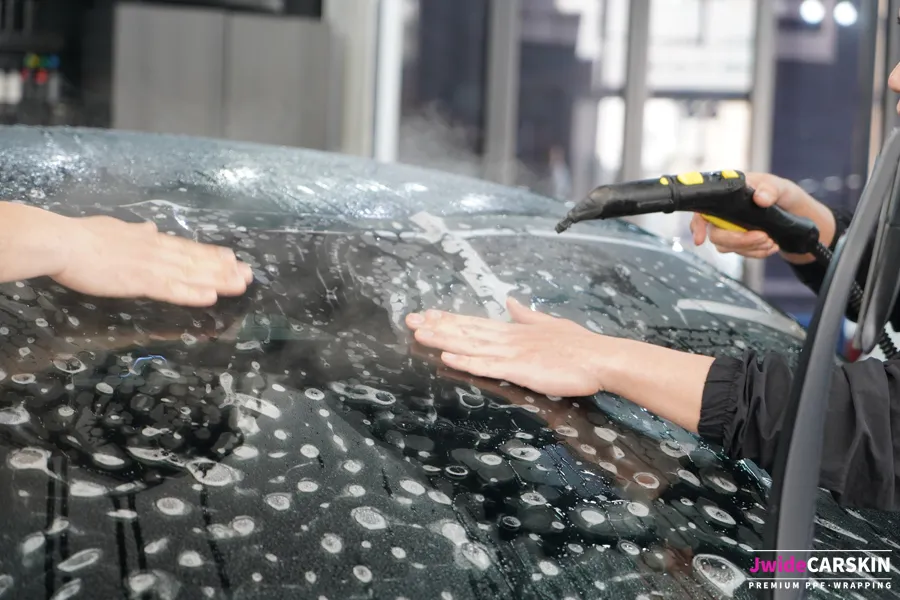
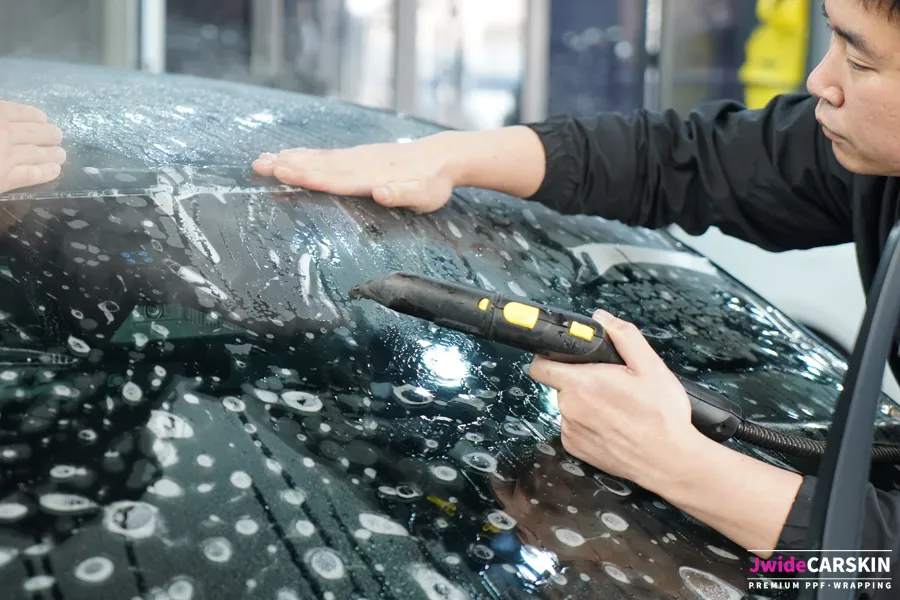
The STEK Dynoflex film is applied using a wet installation method. This technique involves spraying a solution onto the glass and film, allowing the installer to precisely position the film and meticulously remove all air bubbles and water. While more time-consuming than a dry application, the wet method is crucial for achieving a perfect, bubble-free finish on the complex curves of a car's windshield. Skilled technicians use heat and specialized tools to carefully mold the film to the windshield's contours, especially around the top and bottom edges where the curvature is most pronounced. This attention to detail is what separates a high-quality installation from an average one.
Beyond Protection: Enhanced Visibility with Hydrophobic Properties
The STEK Dynoflex film offers more than just impact resistance; it features excellent hydrophobic properties. When water hits the treated surface, it beads up and rolls off, significantly improving visibility during rain. This reduces the need for frequent wiper usage, which not only enhances driving comfort but also extends the life of the wiper blades and can offer a slight improvement in fuel efficiency. The clarity of the film is also noteworthy, ensuring no distortion to the driver's view.
Installation Process:
1. Thoroughly clean the windshield to remove all dirt, debris, and oil films.
2. Carefully remove window trim moldings for edge-to-edge application.
3. Apply the PPF using a wet method, meticulously squeegeeing out all air and water bubbles.
4. Use heat to conform the film to the windshield's curves, ensuring a perfect fit.
5. Reinstall trim moldings for a factory-fresh appearance.
Frequently Asked Questions
Q. How much does PPF cost for a Hyundai Stinger windshield?
The windshield PPF installation for the Hyundai Stinger at Today's Car Suwon was approximately 400,000 KRW. Typical US pricing for windshield PPF can range from $200 to $500 depending on the film and vehicle.
Q. How long does PPF last on a Hyundai Stinger windshield?
High-quality windshield PPF like STEK Dynoflex is designed to last for several years, often 5-10 years, with proper care. Regular cleaning and avoiding harsh chemicals will help maintain its clarity and protective qualities.
Q. Is PPF worth it for a Hyundai Stinger windshield?
Windshield PPF is highly recommended for Stinger owners who frequently drive on highways or in areas prone to road debris. It provides significant value by preventing costly chips and cracks, saving on potential repair or replacement costs.
Q. How is PPF installed on a Hyundai Stinger windshield?
Installation involves meticulously cleaning the windshield, removing trim, applying the film using a wet method to eliminate bubbles, and using heat to conform it to the glass's curves. Finally, trim is reinstalled for a seamless finish.
Q. What is the difference between PPF and ceramic coating for a Hyundai Stinger windshield?
PPF provides physical protection against impacts like stone chips, while a ceramic coating offers a hydrophobic layer for water repellency and minor scratch resistance. PPF is the primary defense against physical damage, with ceramic coating often applied over it for added gloss and easier cleaning.
OhCar Partner Shop
More ppf Reviews
See all →

More Hyundai Reviews
Pair with Another Service
Complete your new car protection package