Hyundai Tucson NX4 Dash Cam Installation Review
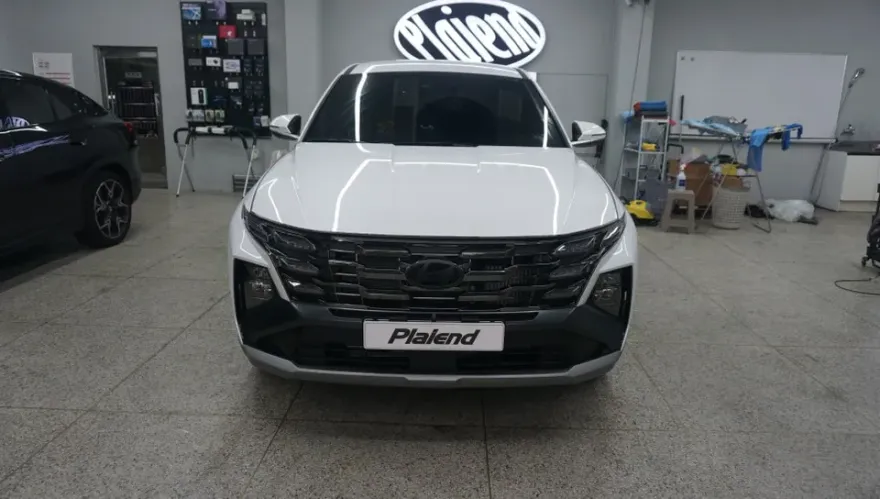
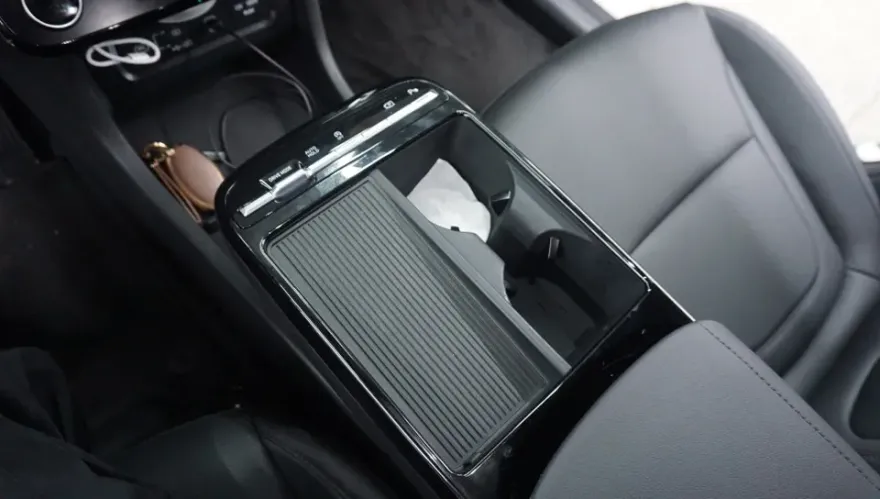
Dash cam installation on Hyundai Tucson NX4: Professional installation ensures optimal performance and safety features like parking mode.
Dash Cam Installation on the Hyundai Tucson NX4
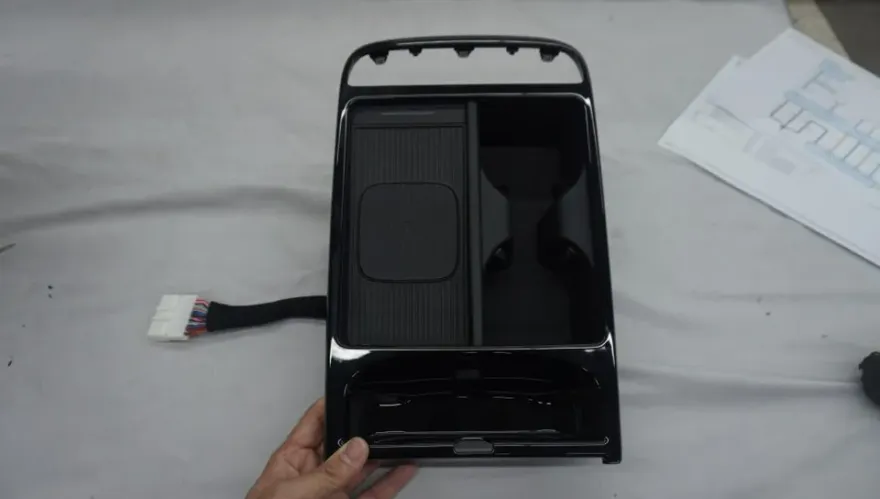
This review details the installation of a dash cam system on a Hyundai Tucson NX4. While the original context discusses the convenience of smartphone wireless charging, we're focusing on the integration of a dash cam, a crucial safety and evidence-gathering tool for modern vehicles. The process involves careful routing of wires and secure mounting to ensure optimal performance and a clean aesthetic, much like the seamless integration of factory options.
Before and After: Enhanced Vehicle Awareness
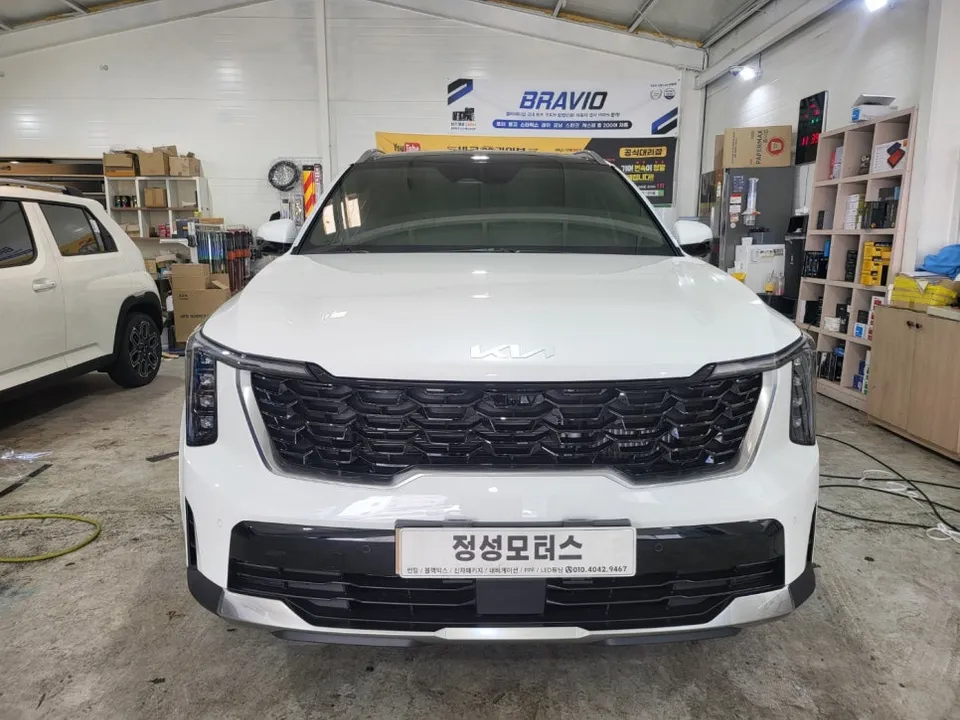
Before dash cam installation, the Hyundai Tucson NX4, like any vehicle, relies solely on external observation for incidents. After installation, the vehicle is equipped with a 'black box camera' system, providing continuous recording of the road ahead and, if a front and rear dash cam setup is chosen, the rear as well. This offers peace of mind, especially when parked, thanks to parking mode capabilities. The 'before' is a standard vehicle; the 'after' is a vehicle with an added layer of digital vigilance, capable of capturing crucial footage in case of accidents, hit-and-runs, or even unusual events. The integration aims to be as unobtrusive as the factory-installed wireless charging mentioned in the original context, ensuring it doesn't detract from the vehicle's interior.
Installation Process and Durability
The dash cam hardwire installation process for a Hyundai Tucson NX4 typically involves connecting the device to the vehicle's power source, often through the fuse box, to enable features like parking mode. This ensures the dash cam continues to record even when the engine is off, drawing power directly from the car's battery. The installation requires careful attention to wire management to prevent interference with driving or safety systems. Durability is generally high, as dash cams are designed to withstand varying car interior temperatures. Regular maintenance usually involves checking the SD card for corruption and ensuring the lens is clean. The original context highlights the use of genuine parts for wireless charging, suggesting a preference for quality and longevity, which also applies to dash cam components and professional installation.
Installation process:
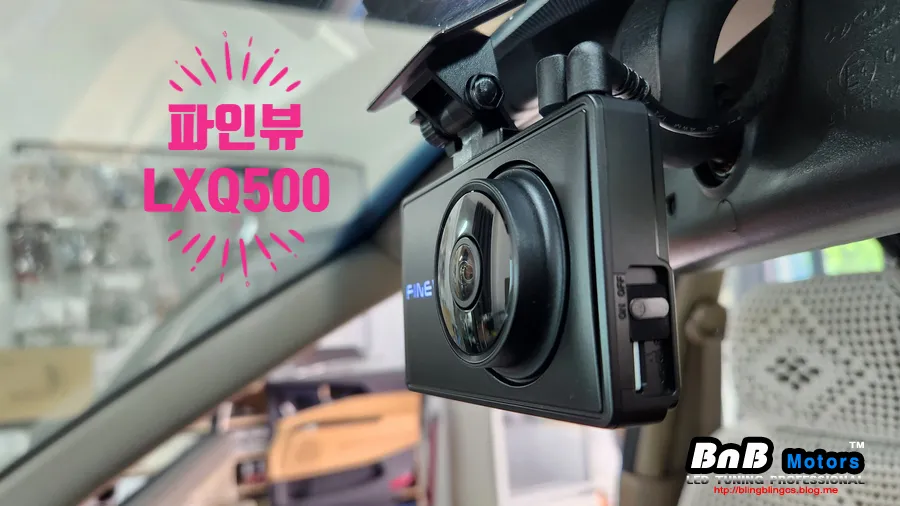
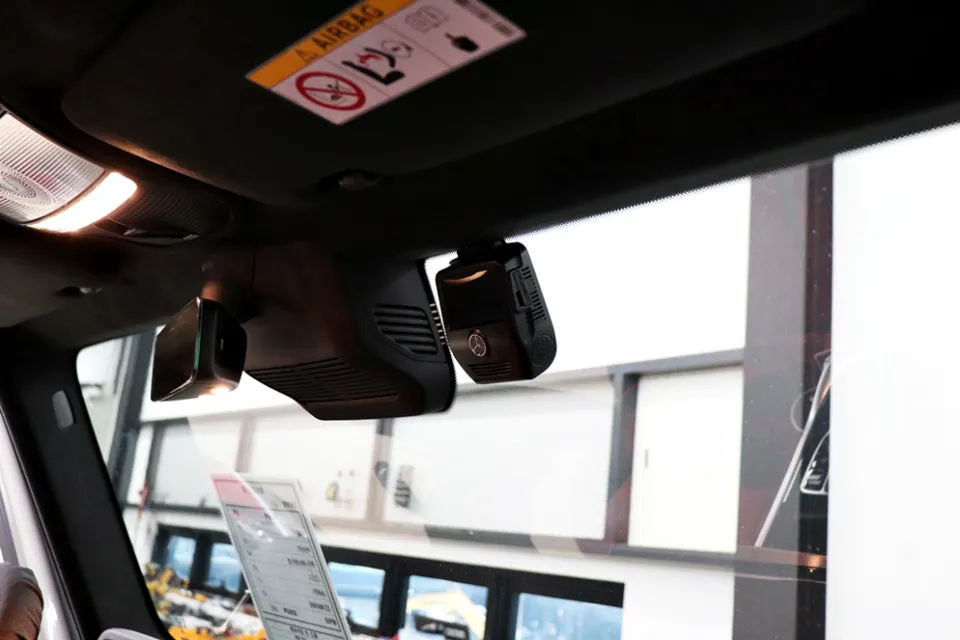
- Securely mount the dash cam unit to the windshield or dashboard.
- Route the power cable discreetly along the A-pillar and headliner.
- Connect the dash cam hardwire kit to the vehicle's fuse box for continuous power (parking mode).
- Test the dash cam to ensure proper recording and functionality.
Frequently Asked Questions
Q. How much does dash cam installation cost for a Hyundai Tucson NX4?
Professional dash cam installation for a Hyundai Tucson NX4 typically ranges from $100 to $300 USD, depending on the complexity and features like hardwiring for parking mode.
Q. How long does dash cam installation take on a Hyundai Tucson NX4?
Dash cam installation, especially with hardwiring, usually takes between 1 to 3 hours. Ensure the SD card is formatted periodically to maintain optimal recording quality and prevent data corruption.
Q. Is a hardwired dashcam worth it over a self-install for a Hyundai Tucson NX4?
A hardwired dashcam is worth it for seamless parking mode functionality and a cleaner look, especially for those who value professional integration. It offers enhanced security and peace of mind compared to a simple plug-and-play setup.
Q. How is a dashcam professionally installed on a Hyundai Tucson NX4?
Professional installation involves securely mounting the camera, routing power and rear camera cables discreetly through interior trim, and hardwiring the unit to the vehicle's fuse box for continuous power. The system is then tested to ensure all features, including parking mode, are functioning correctly.
Q. What is the difference between a 1-channel and 2-channel dashcam for a Hyundai Tucson NX4?
A 1-channel dashcam records only the front view, while a 2-channel (front and rear dash cam) system records both front and rear views. For comprehensive coverage, a 2-channel system is recommended.
OhCar Partner Shop