Hyundai Tucson OEM Options Review — Enhanced Safety & Visibility
Service Price
$under approx. $400
Estimated price · Actual price may vary by shop
Before
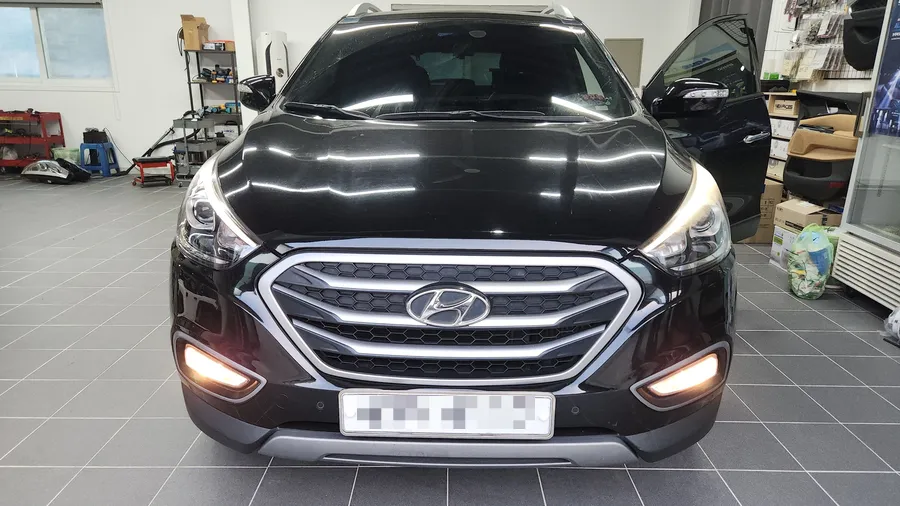
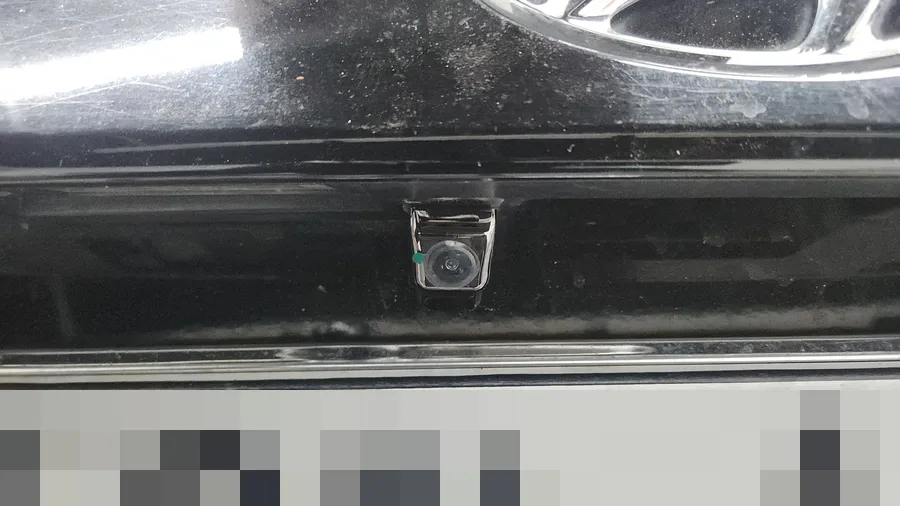
After
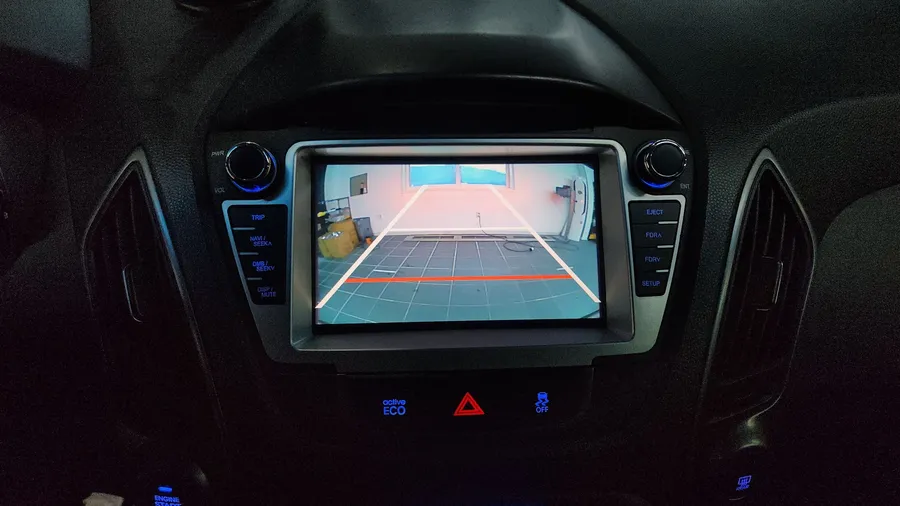
Process photos
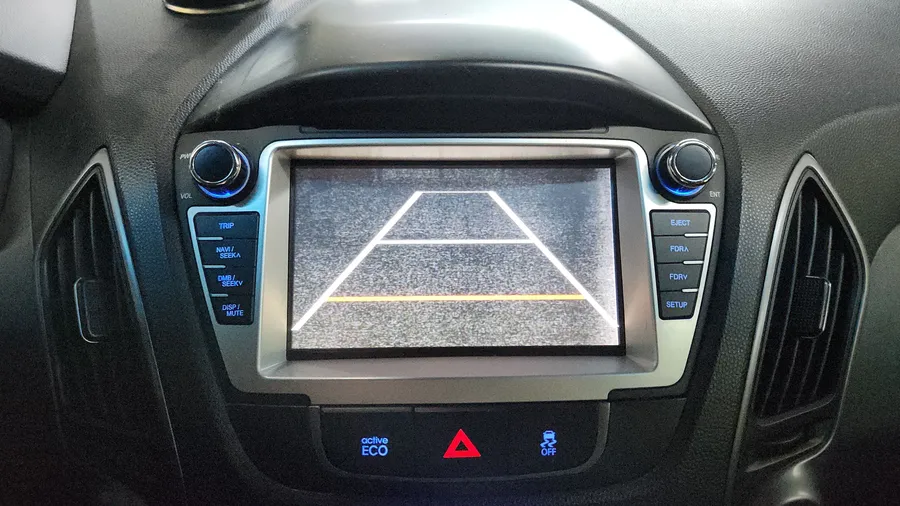
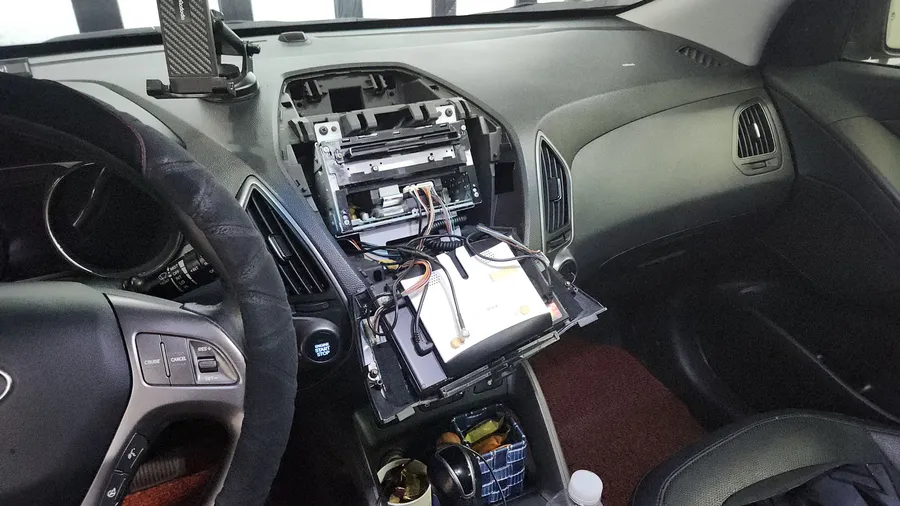
Hyundai Tucson rear camera upgrade: Clearer, wider views for enhanced safety. Installation takes about an hour.
Upgrading Your Hyundai Tucson with OEM Options for Enhanced Safety
Many Hyundai Tucson owners seek to improve their vehicle's functionality and safety, especially concerning visibility. One popular upgrade is the replacement or enhancement of the rear-view camera system. This is particularly relevant for models like the Tucson IX, which, being an older model, might experience degradation in camera performance over time. A malfunctioning or low-quality rear camera can lead to significant inconvenience and potential accidents during parking or reversing. This review focuses on the benefits and process of upgrading to OEM (Original Equipment Manufacturer) options for your Hyundai Tucson's rear camera.
Why Upgrade Your Tucson's Rear Camera?
The rear-view camera is a critical safety feature, significantly reducing blind spots and aiding in accident prevention. However, with age, camera lenses can degrade, internal circuits can fail, or external impacts can cause damage, leading to distorted, flickering, or completely non-functional video feeds. For owners of the Hyundai Tucson IX, this issue is not uncommon due to the vehicle's age. A clear view of the rear is essential not just for easy parking but also for avoiding unexpected collisions. Prompt diagnosis and replacement are crucial for maintaining safety.
Diagnosing Camera Issues
Before proceeding with a replacement, it's vital to accurately diagnose whether the problem lies with the monitor itself or the rear camera unit. Professional diagnostic tests can pinpoint the exact cause. In many cases, the camera unit is identified as the culprit, necessitating a replacement to restore full functionality and clarity.
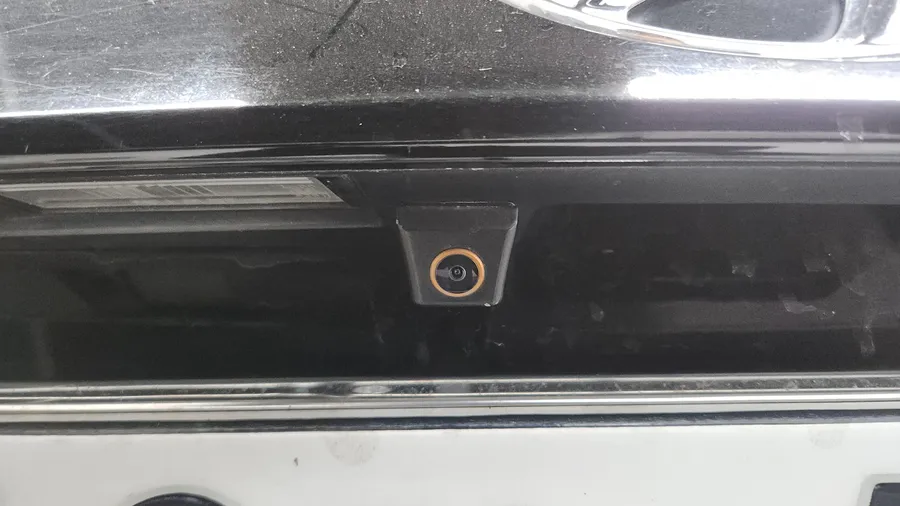
The OEM Rear Camera Installation Process
Replacing a rear camera with an OEM option is more than just swapping out the unit. The process involves meticulous work to ensure optimal performance and longevity. Installation process:
- Removal of Old Components: The existing camera and wiring are carefully removed. Old or damaged wiring can be a source of video noise and quality degradation.
- New Camera Mounting: The new OEM camera is securely mounted onto the vehicle's body, ensuring a precise fit and alignment.
- Wiring Integration: New wiring is installed, following the vehicle's original wiring pathways. This ensures minimal interference and a clean signal path for the best possible video output.
- Testing and Calibration: Post-installation, the camera's performance is thoroughly tested to ensure a clear, stable image.
Benefits of an Upgraded Camera System
Beyond restoring clear video, a new OEM camera often provides an improved field of view. A wider angle lens allows drivers to see more of their surroundings, including obstacles and pedestrians to the sides, which is invaluable in tight parking situations or busy streets. This enhanced visibility directly contributes to a safer driving experience by minimizing the risk of accidents.
Frequently Asked Questions
Q. How much does OEM rear camera installation cost for a Hyundai Tucson?
In Korea, the cost for a Hyundai Tucson rear camera replacement typically ranges from 150,000 to 300,000 Korean Won, depending on the camera type and specific vehicle model. In the US, similar OEM camera replacements can range from $200 to $500.
Q. How long does OEM rear camera installation take on a Hyundai Tucson?
The installation of an OEM rear camera on a Hyundai Tucson generally takes about one hour to complete. Regular maintenance involves ensuring the lens is clean and free from obstructions for optimal performance.
Q. Are OEM rear cameras worth adding after purchase for a Hyundai Tucson?
Yes, upgrading to an OEM rear camera is highly recommended for owners who prioritize safety and convenience, especially for older models like the Tucson IX. The improved visibility and reliability offer significant value by reducing the risk of accidents.
Q. How are OEM rear cameras installed on a Hyundai Tucson?
OEM rear camera installation involves removing the old unit and wiring, securely mounting the new camera, integrating the new wiring along original pathways, and finally testing the video output for clarity. This ensures a seamless and functional upgrade.
Q. What is the difference between dealer-installed options and aftermarket upgrades for a Hyundai Tucson?
Dealer-installed OEM options are manufactured by or for Hyundai, ensuring perfect integration and quality, while aftermarket upgrades are made by third-party companies and may vary in quality and compatibility. For critical safety features like cameras, OEM options are generally recommended for reliability and a guaranteed fit.
OhCar Partner Shop