Hyundai Tucson Window Tinting Review: Cost & Results
Service Price
$40–80
Estimated price · Actual price may vary by shop
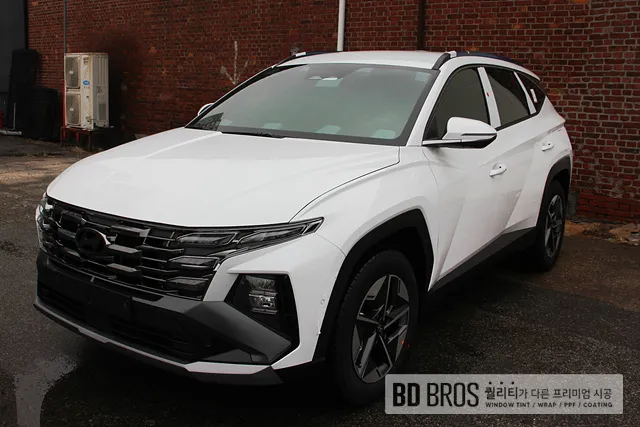
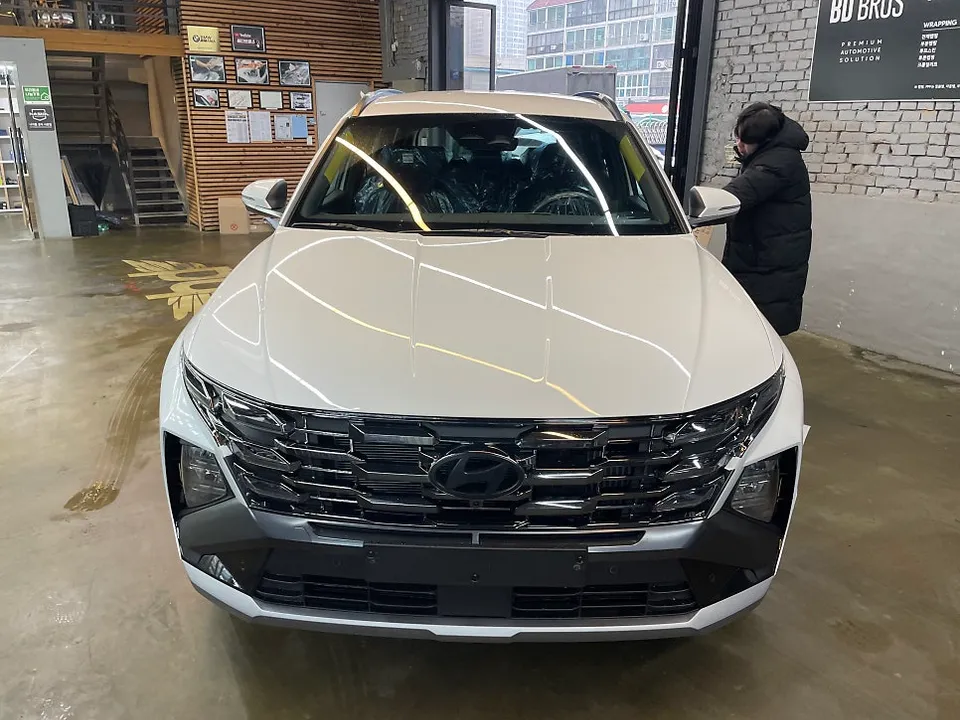
Hyundai Tucson window tinting with V-KOOL Q film: Approx. $220-$440. Offers excellent heat rejection & clarity.
Hyundai Tucson Window Tinting: The V-KOOL Q Experience
When you drive off the lot in a brand-new Hyundai Tucson, one of the first upgrades many owners consider is window tinting. This review dives into the V-KOOL Q film installation on a Tucson, focusing on what makes this premium option stand out. In Korea, the cost for this type of professional tinting typically ranges from 300,000 to 600,000 KRW (approximately $220-$440 USD, though actual US pricing can vary significantly, often between $40-$80 for basic tints and higher for premium films like ceramic). This guide will help you understand the benefits, the installation process, and whether it's the right choice for your vehicle.
V-KOOL Q Film: Performance and Clarity
The V-KOOL Q series isn't just about making your windows darker; it's about enhancing your driving experience through advanced technology. This premium line is known for its excellent functionality and clear visibility from the inside. Intense summer sun can lead to significant heat buildup inside your car, potentially damaging the dashboard and leather seats over time. The V-KOOL Q film utilizes high-performance, metal-reflective technology to achieve a high Total Solar Energy Rejected (TSER) rating. This effectively combats interior heat gain, keeping your Tucson's cabin cooler and more comfortable.
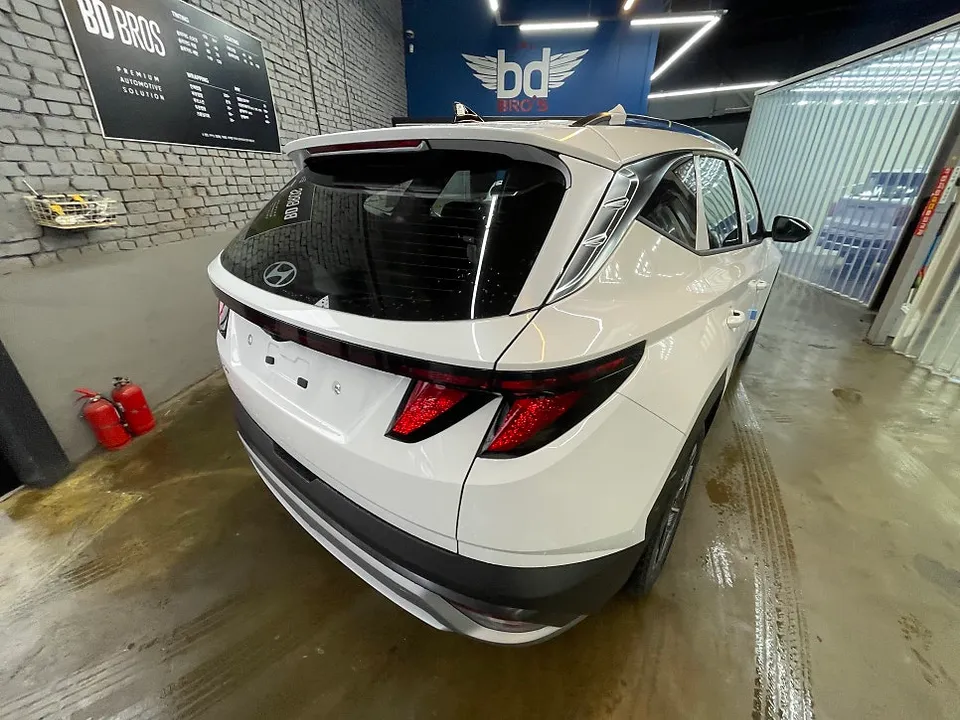
A common concern with window tinting is the potential for reduced visibility, especially at night. However, the V-KOOL Q series is engineered for exceptional clarity when looking out from the cabin. Even during nighttime driving, visual distortion is minimal, ensuring safe and stable operation. For this Hyundai Tucson, a common tint combination, often called the 'national standard' in Korea, was applied: 30% tint on the front windshield and 15% on the side and rear windows. The 30% front tint provides good visibility during the day and is comfortable for night and rainy conditions. The 15% tint on the sides and rear offers a good balance of privacy without obstructing the view too much, while also contributing to the vehicle's overall aesthetic.
The Installation Process and Results
Professional window tinting installation is a meticulous process that requires skill and attention to detail. Here’s a general overview of how it’s done:
- Surface Preparation: The vehicle's windows are thoroughly cleaned and degreased to ensure optimal adhesion of the tint film. Any existing film or residue is removed.
- Film Cutting: The V-KOOL Q film is precisely cut to match the exact dimensions of each window, often using a computer-aided cutting machine for accuracy.
- Application: A special solution is sprayed onto the glass, and the tint film is carefully applied. Heat is used to shrink and mold the film to the curved surfaces of the windows, ensuring a smooth, bubble-free finish.
- Trimming and Curing: Excess film is trimmed along the edges, and the windows are typically left slightly ajar for a period to allow the adhesive to cure properly.
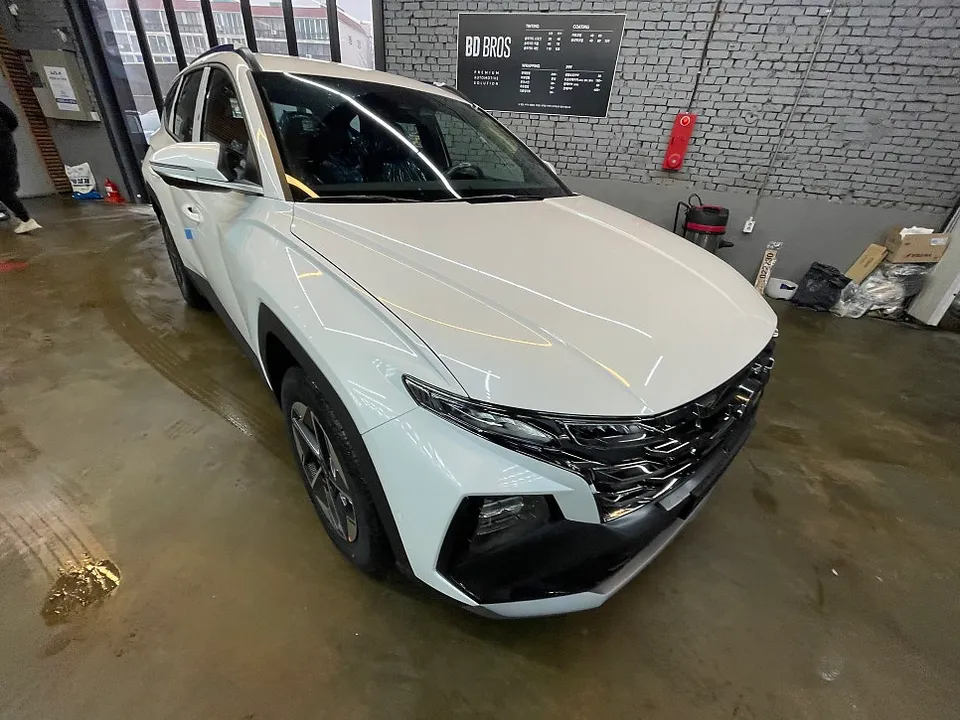
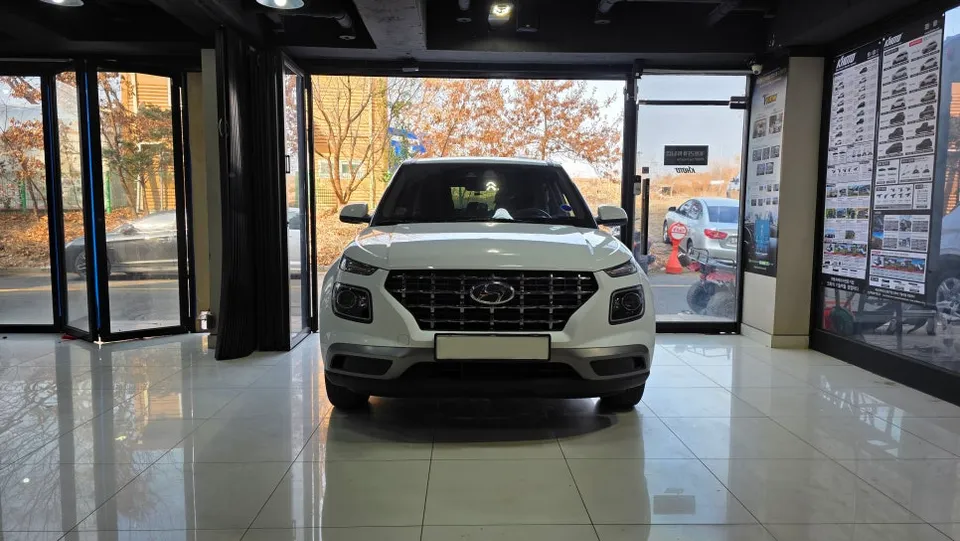
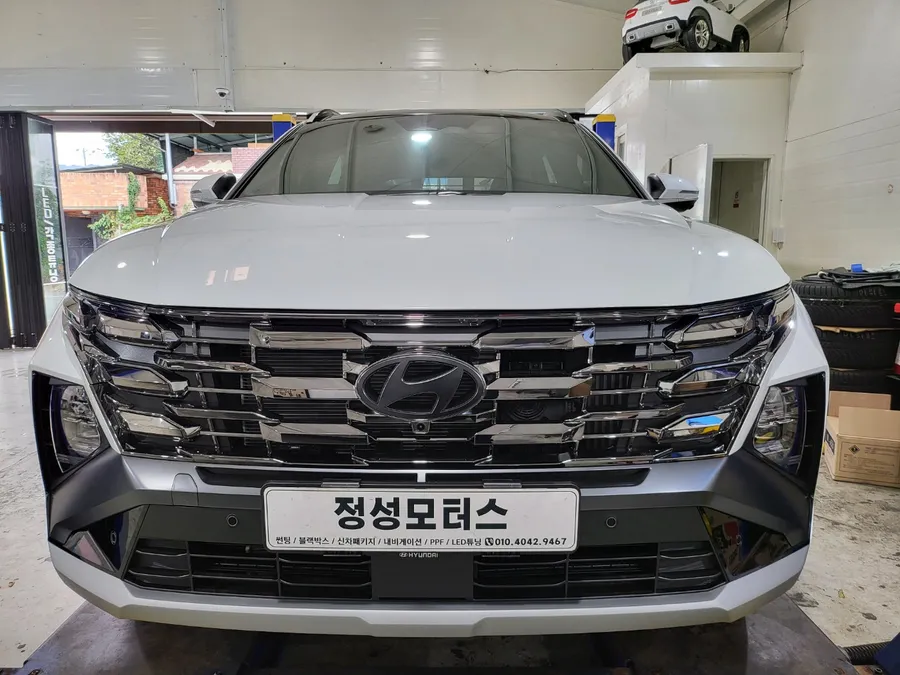
After the V-KOOL Q 30%/15% tint was applied to the Hyundai Tucson, the vehicle achieved a more sophisticated look. The subtle cool tone of the film complemented the white paint, adding a premium feel. Owners often report a noticeable difference in cabin temperature, with many finding the combination to be "appropriately dark and sufficiently cool." This tinting not only enhances comfort by reducing heat but also protects the interior from harmful UV rays, preserving the condition of your dashboard and upholstery.
Frequently Asked Questions
Q. How much does window tinting cost for a Hyundai Tucson?
In Korea, professional tinting for a Hyundai Tucson like the V-KOOL Q film can range from 300,000 to 600,000 KRW. Typical US window tinting costs can range from $40-$80 for basic tints to significantly more for premium ceramic films.
Q. What tint percentage is legal for a Hyundai Tucson?
Legality of window tint percentages varies by state in the US and by country. It's crucial to check your local regulations to ensure compliance. Generally, darker tints on the rear and sides are allowed, while front windshield and front side windows have stricter limits.
Q. Is ceramic tint worth the extra cost for a Hyundai Tucson?
Ceramic tint, like the V-KOOL Q film, is often worth the investment for its superior heat rejection and UV protection capabilities. It provides enhanced comfort and interior protection without significantly compromising visibility.
Q. How is window tint installed on a Hyundai Tucson?
Window tint installation involves thorough window cleaning, precise film cutting to match the window shape, and careful application using a solution and heat to mold the film smoothly. Excess film is trimmed, and the tint is allowed to cure.
Q. What is the difference between ceramic and dyed window tint for a Hyundai Tucson?
Ceramic tint uses non-metallic ceramic particles to block heat and UV rays, offering excellent performance and clarity without interfering with electronics. Dyed tint uses a layer of dye to darken the windows, primarily for aesthetics and some UV blocking, but offers less heat rejection and can fade over time.
OhCar Partner Shop
More window tinting Reviews
See all →
More Hyundai Reviews
Pair with Another Service
Protect paint while you're at the shop