Kia Carnival Body Kit Installation Review — Style Upgrade
Service Price
$40–80
Estimated price · Actual price may vary by shop
Before
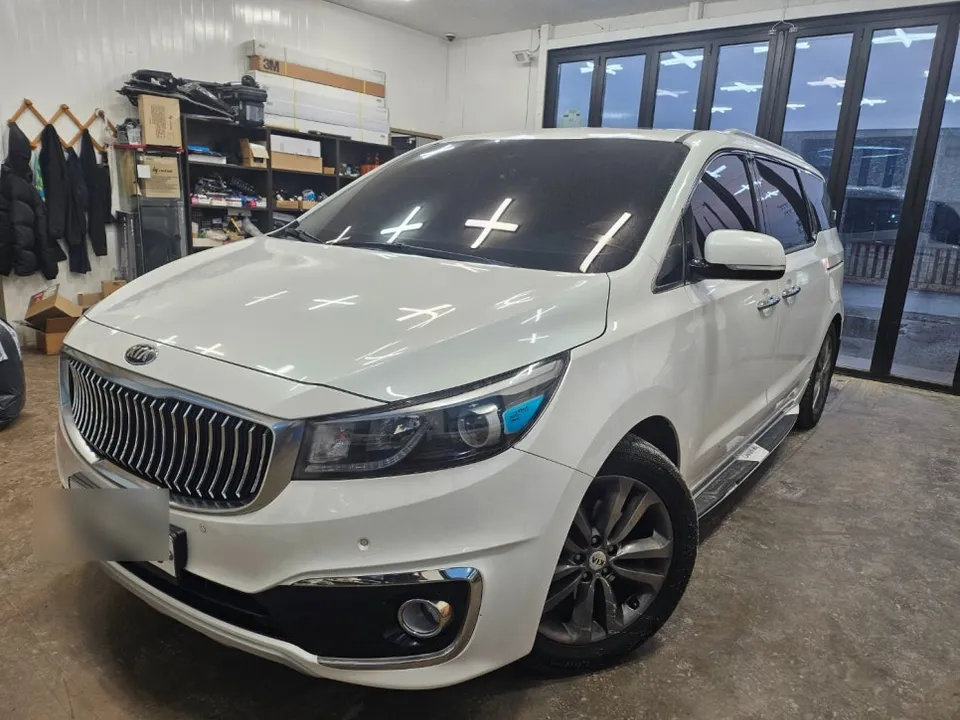
After
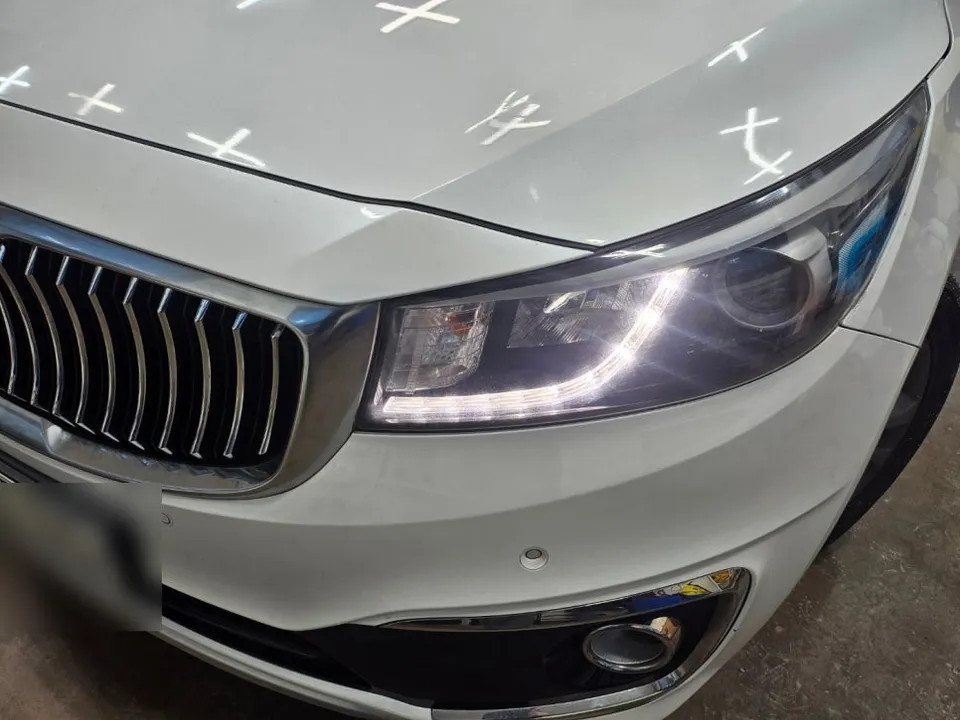
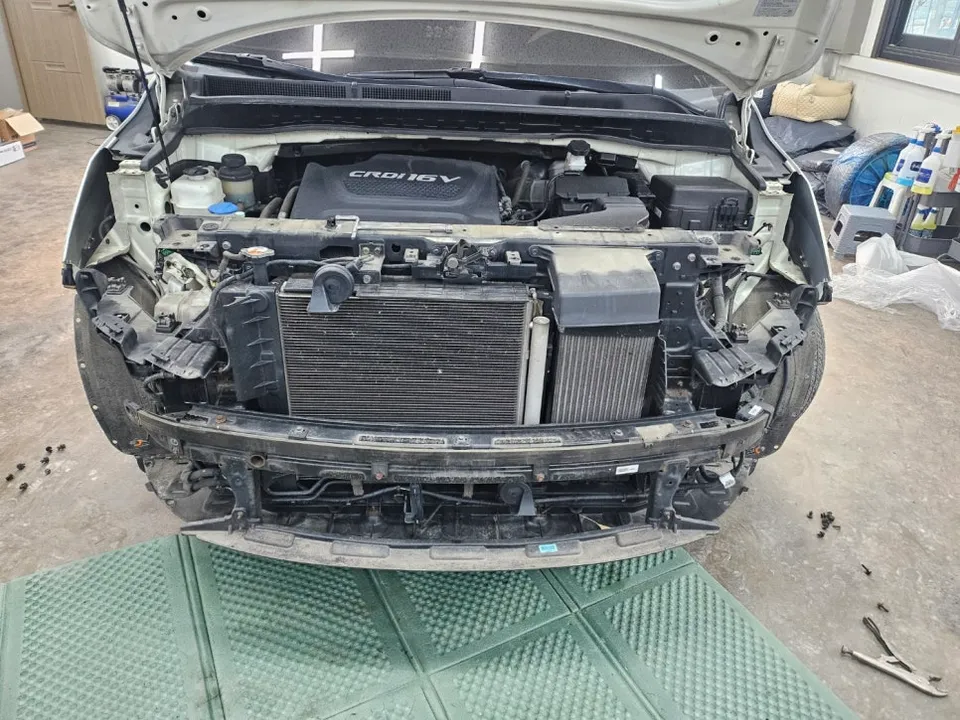
Process photos
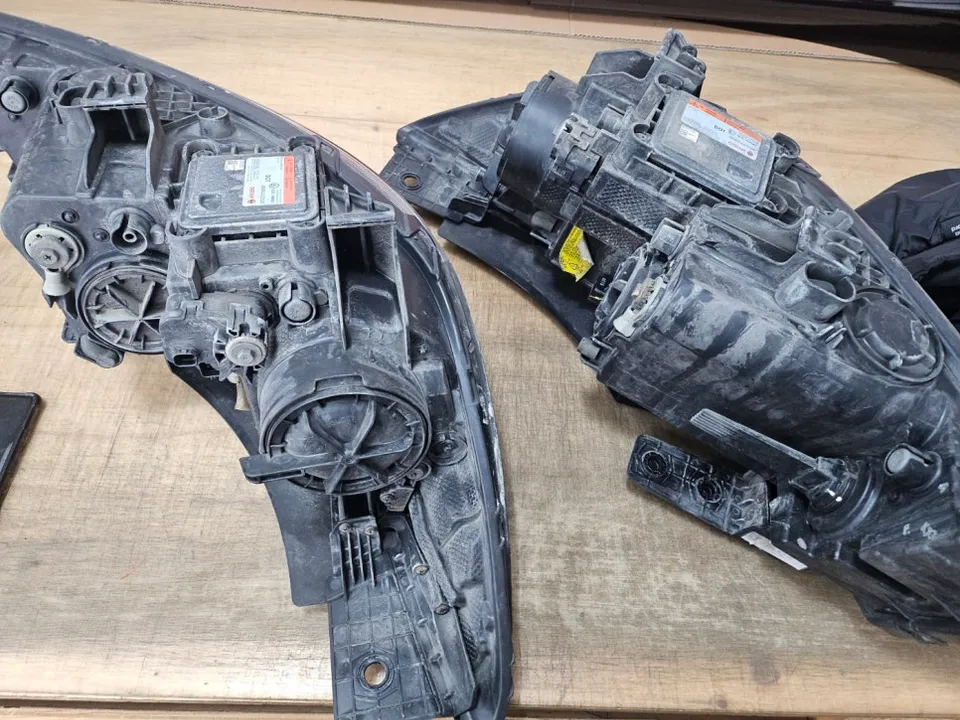
Kia Carnival body kit installation offers style upgrades. Costs vary, with installation typically $400-$1500+. Transforms appearance.
Transforming Your Kia Carnival with a Body Kit
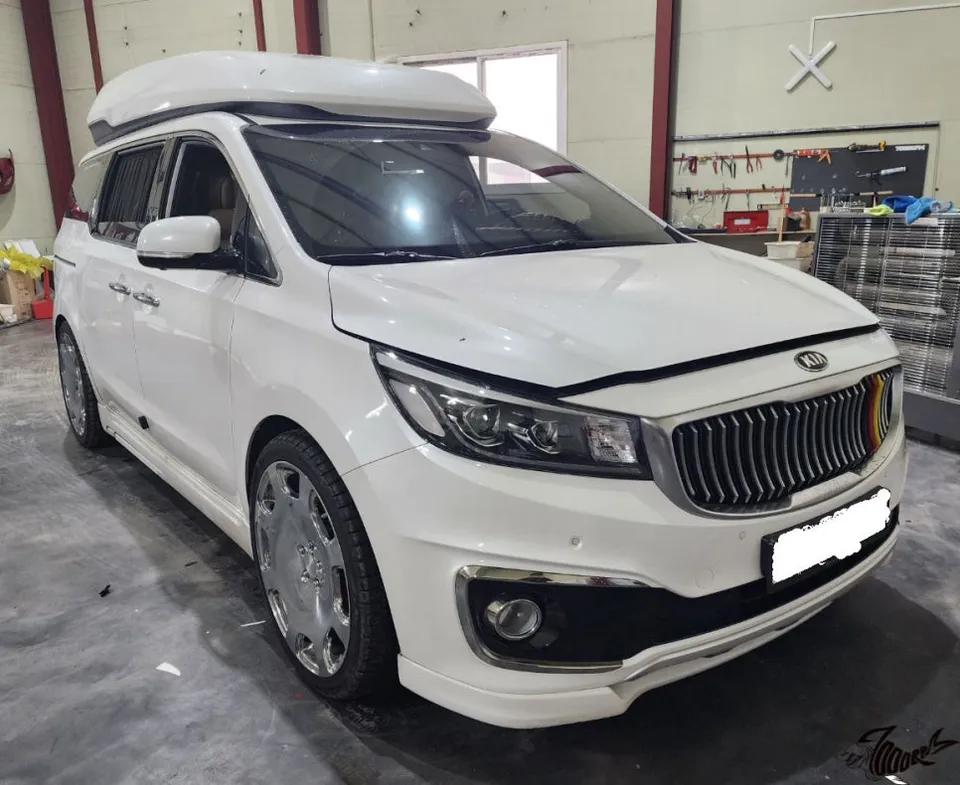
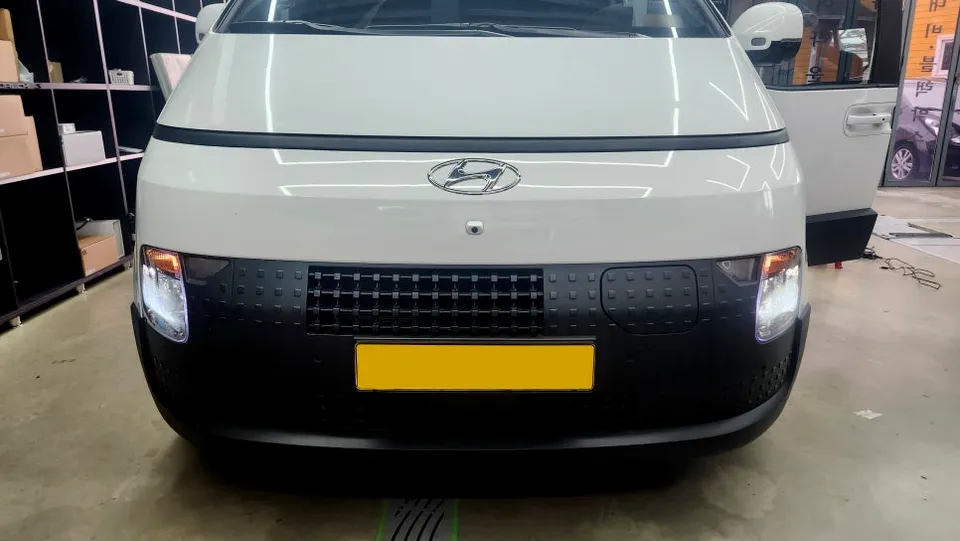
Many Kia Carnival owners look to personalize their vehicle's appearance, and one of the most impactful ways to do this is by installing an aftermarket body kit. This can dramatically alter the van's aesthetic, giving it a more aggressive, sporty, or luxurious stance. While the original Korean context discusses a specific grille and daytime running light upgrade, the principles of enhancing a vehicle's exterior with custom parts are universal. This review explores the general considerations for body kit installation on a Kia Carnival, including potential costs, the visual transformation, and whether it's a worthwhile modification.
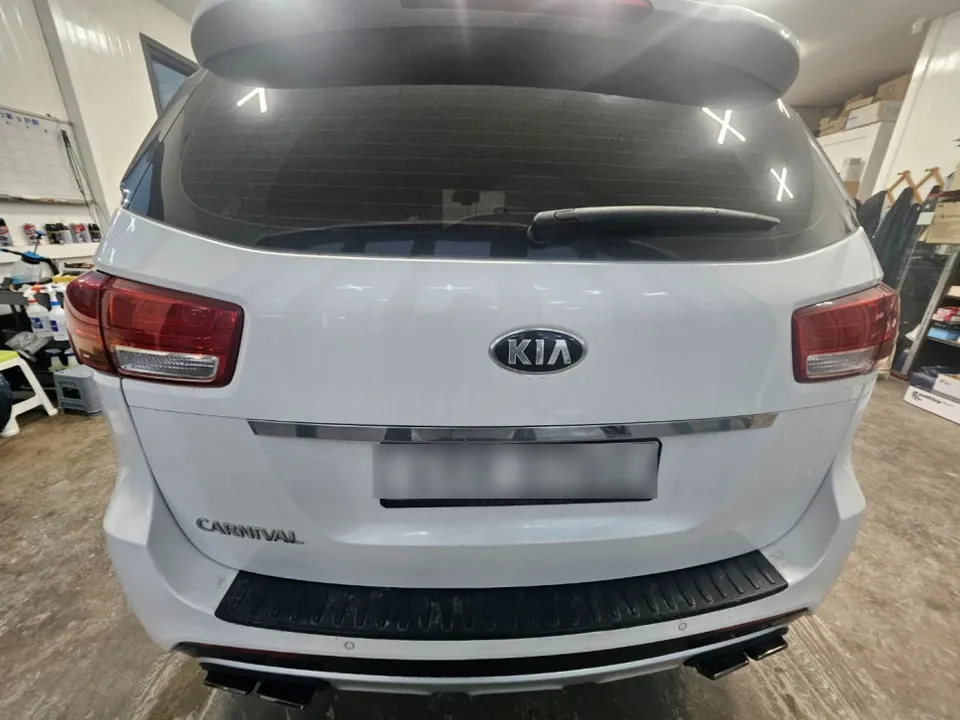
Understanding Body Kit Components and Costs
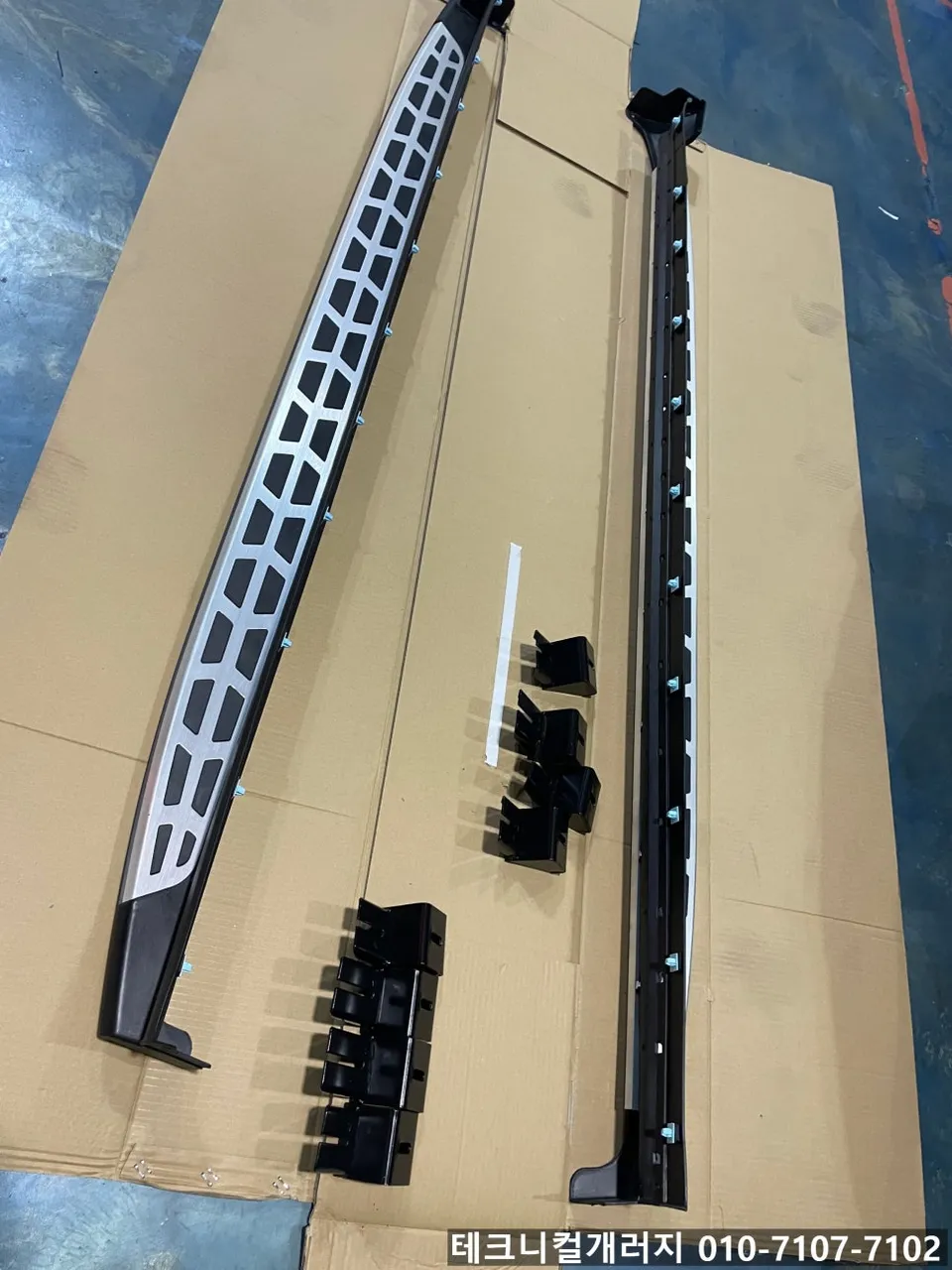
A body kit typically includes several components designed to work together, such as front lips, side skirts, rear diffusers, and sometimes even fender flares or spoilers. The specific parts included can vary greatly depending on the kit manufacturer and the desired look. The cost of a body kit itself can range significantly, from a few hundred dollars for basic polyurethane or ABS plastic kits to several thousand for high-end carbon fiber or custom-designed aero kits. Installation costs are separate and depend on the complexity of the kit and the labor rates of the shop performing the work. In the context of the original Korean article, a grille and daytime running light upgrade (which can be considered a form of body kit component) cost approximately 300,000 to 700,000 KRW (roughly $220-$500 USD), with installation taking 2-4 hours. For a full body kit, expect installation costs to be higher, potentially ranging from $400 to $1500+ USD depending on the shop and the extent of the work required. The materials used also play a role in durability and cost; polyurethane and ABS plastic are generally more flexible and affordable, while fiberglass (FRP) can be prone to cracking if not properly installed or maintained, and carbon fiber offers a premium, lightweight option at a higher price point.
Installation Process and Expected Results
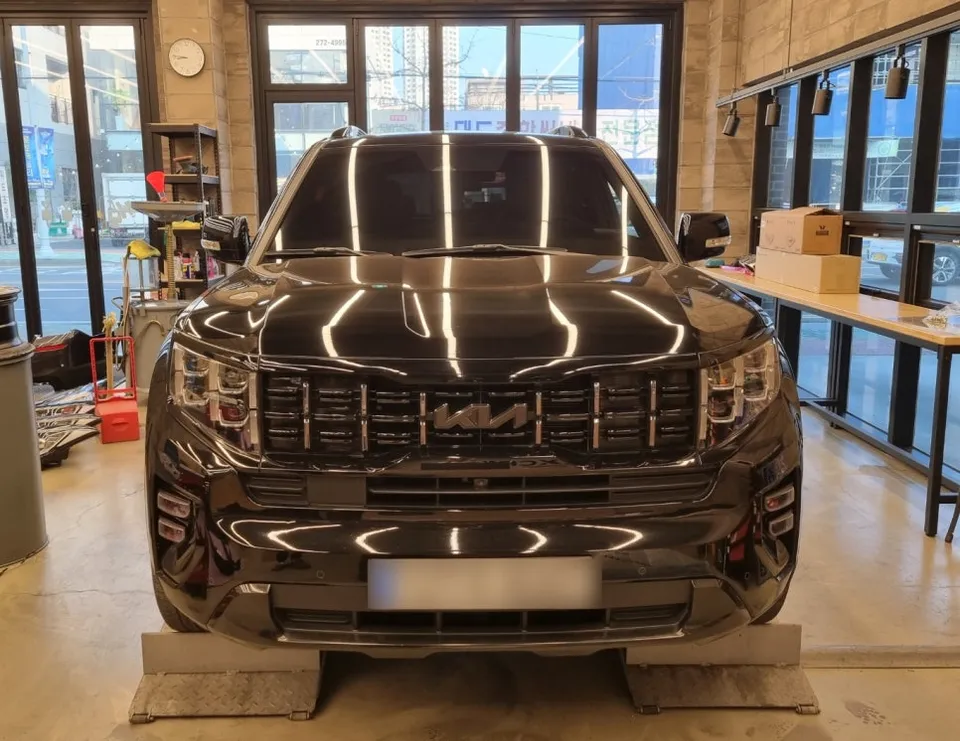
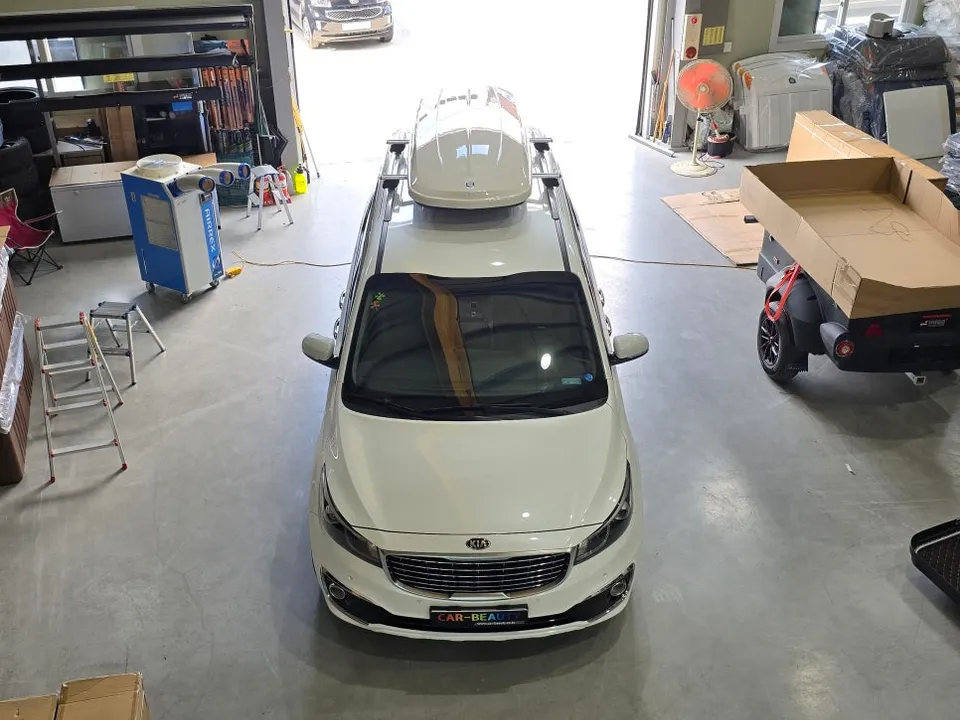
Body kit installation on a Kia Carnival involves carefully fitting and securing each component to the vehicle's existing body panels. This process requires precision to ensure proper alignment, minimize gaps, and maintain the vehicle's structural integrity. The original Korean context highlights a meticulous installation for a grille and DRLs, emphasizing the use of dedicated modules and wiring for a factory-like finish without compromising the vehicle's electrical system. A similar level of care is needed for a full body kit.
Installation Process:
- Preparation: The vehicle's existing bumpers and side skirts are carefully removed. The new body kit components are test-fitted to ensure proper alignment and identify any areas needing minor adjustments.
- Attachment: Components are securely attached using a combination of automotive-grade adhesives, clips, and sometimes drilling into the vehicle's chassis or panels, depending on the kit's design and manufacturer recommendations.
- Finishing: Gaps are sealed, and the new parts are often prepped for paint. If the kit isn't pre-painted, it will be professionally painted to match the vehicle's color code.
- Final Inspection: The installed body kit is inspected for fitment, finish, and overall appearance, ensuring a seamless integration with the Carnival's design.
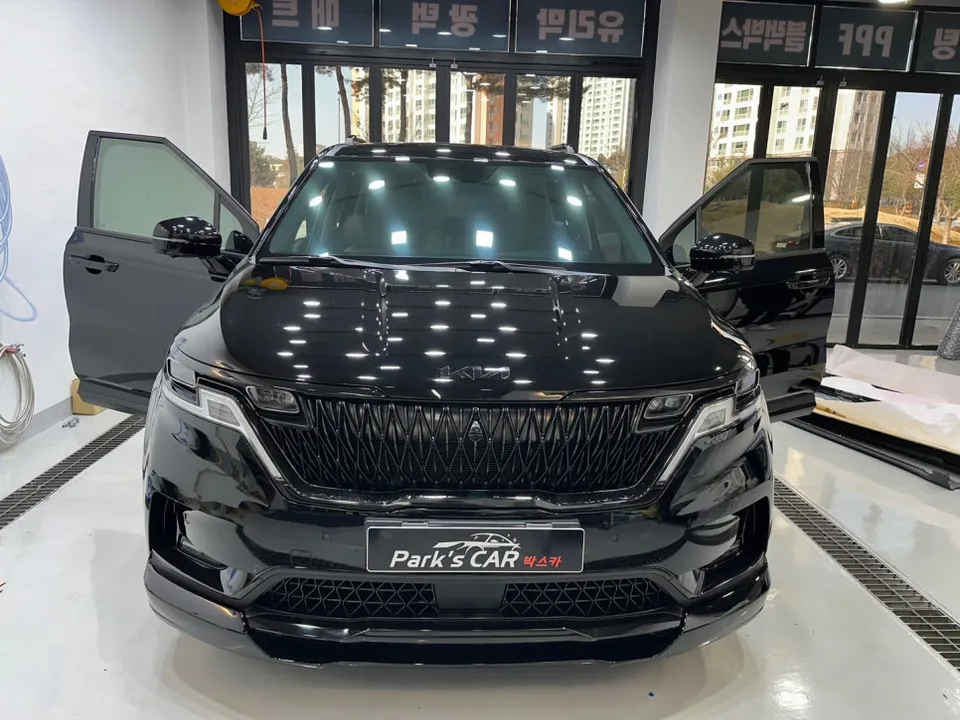
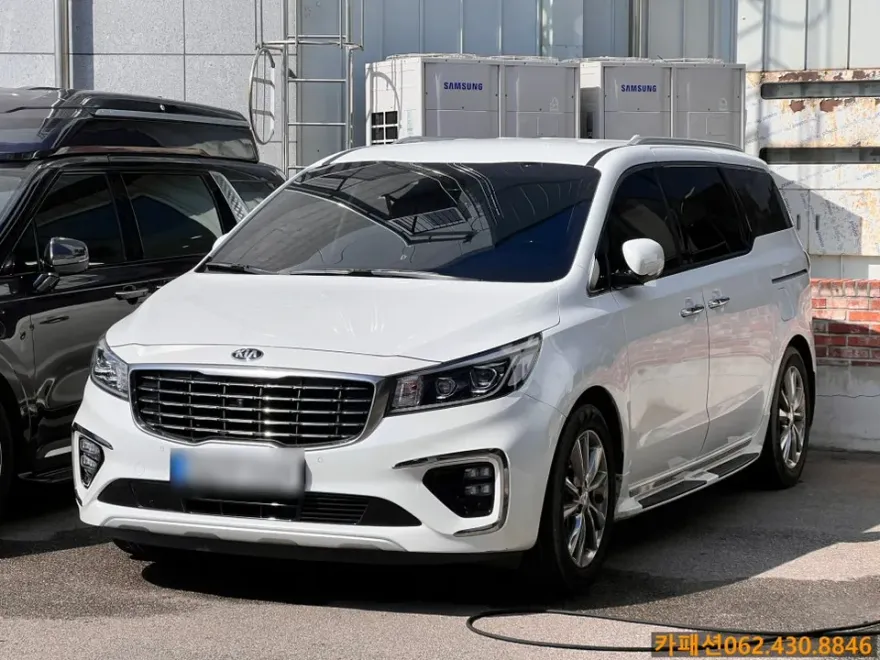
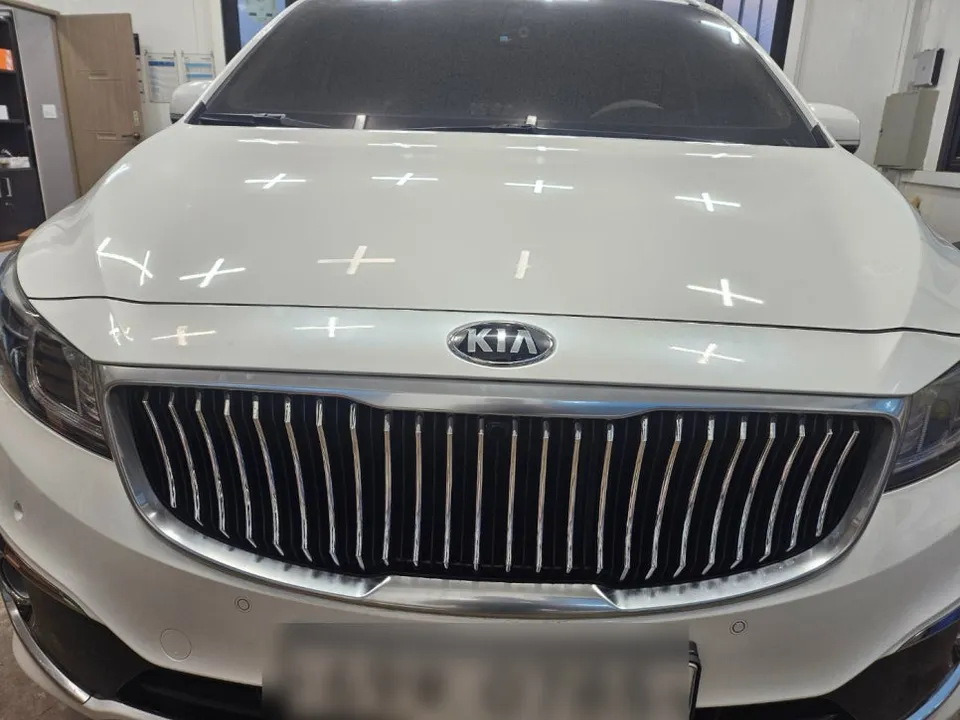
The 'before and after' results can be dramatic. A well-chosen and expertly installed body kit can transform the Kia Carnival from a family-oriented minivan into a visually striking vehicle with a more dynamic road presence. The original article showcases how a simple grille change can add a premium and sporty feel, and a full body kit amplifies this effect significantly.
Is a Body Kit Worth It for Your Kia Carnival?
Deciding whether a body kit is worth the investment depends on your priorities. If you're looking to significantly enhance your Kia Carnival's aesthetics and make it stand out from the crowd, a body kit can be an excellent choice. It offers a way to express personal style and can potentially increase the vehicle's resale value if done tastefully and professionally. However, it's crucial to consider the potential downsides. Body kits can affect ground clearance, potentially making it harder to navigate speed bumps or steep driveways. They can also be susceptible to damage from road debris or minor impacts, requiring careful driving and potentially costly repairs. The durability also depends heavily on the material and the quality of the installation. For those who prioritize a unique look and are willing to invest in quality parts and professional installation, a body kit can be a very rewarding modification for their Kia Carnival.
Frequently Asked Questions
Q. How much does a body kit cost for a Kia Carnival?
The cost for a body kit for a Kia Carnival can range from a few hundred to several thousand dollars depending on the material and design. Typical US installation costs can add another $400 to $1500+.
Q. How long does body kit installation take on a Kia Carnival?
While the original Korean context mentions 2-4 hours for a grille and DRL upgrade, a full body kit installation can take anywhere from a full day to several days depending on complexity and paintwork. Durability depends on the material and installation quality; regular cleaning and avoiding harsh impacts are key maintenance tips.
Q. Is a body kit worth it for a Kia Carnival?
A body kit is worth it for Kia Carnival owners seeking a significant aesthetic upgrade and a unique look. It's a valuable investment for those who prioritize personalization and are prepared for potential maintenance and careful driving.
Q. How is a body kit installed on a Kia Carnival?
Body kit installation involves preparing the vehicle by removing existing panels, then test-fitting and securely attaching new components like front lips and side skirts using adhesives, clips, or fasteners. Finally, the kit is often painted to match the vehicle and inspected for a seamless finish.
Q. What is the difference between FRP and polyurethane body kits for a Kia Carnival?
Polyurethane body kits are generally more flexible, impact-resistant, and easier to install, making them a popular choice for daily drivers. FRP (fiber-reinforced plastic) kits can offer sharper designs but are typically more rigid and prone to cracking upon impact, requiring more careful handling and repair.
OhCar Partner Shop