Kia Carnival KA4 Body Kit Installation Review
Service Price
$40–80
Estimated price · Actual price may vary by shop
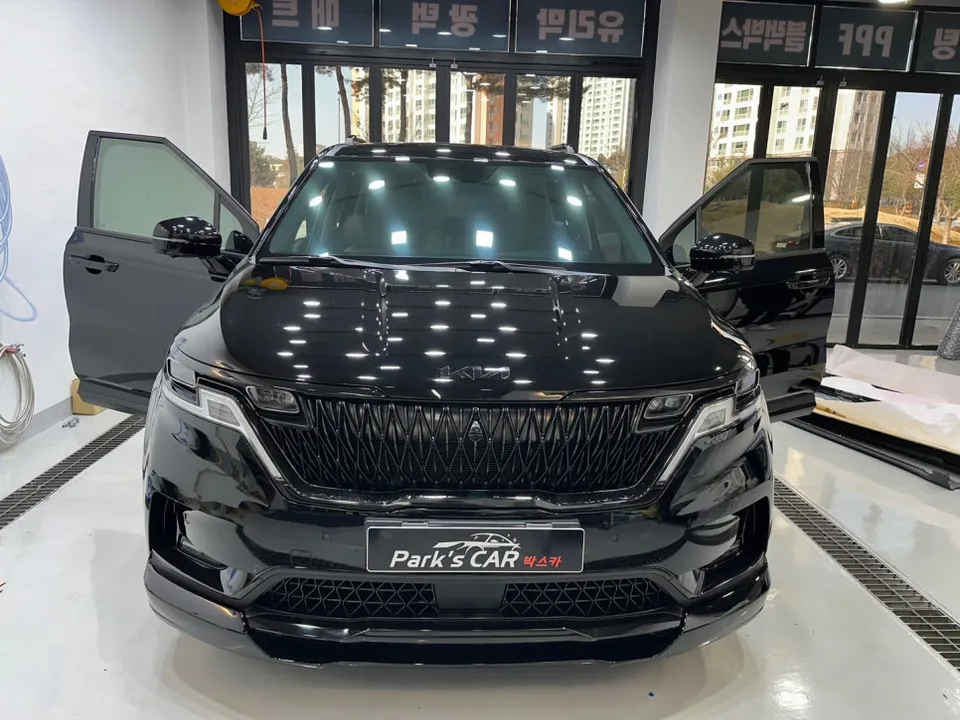
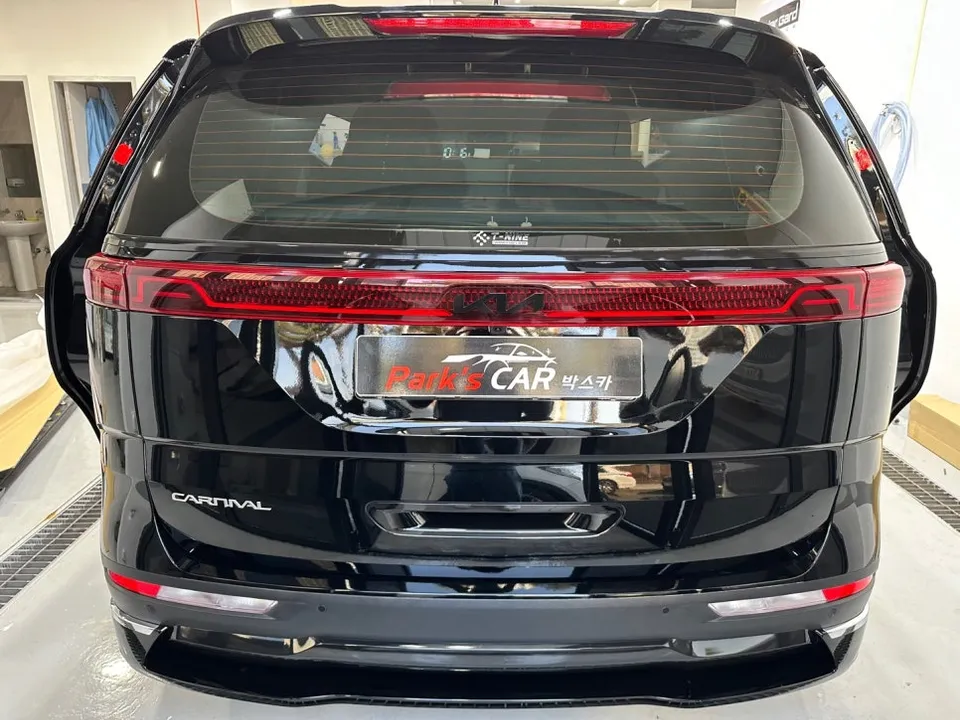
Kia Carnival KA4 body kit installation review: Costs range from $400-$1500+ in the US. Enhances style and accessibility.
Enhancing Your Kia Carnival KA4 with a Body Kit
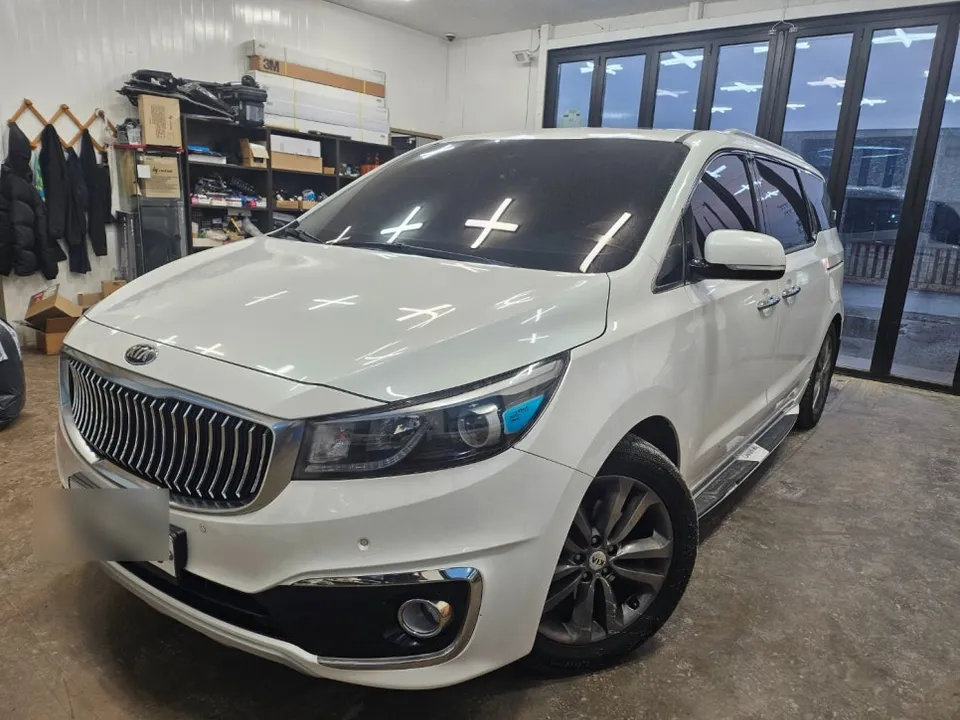
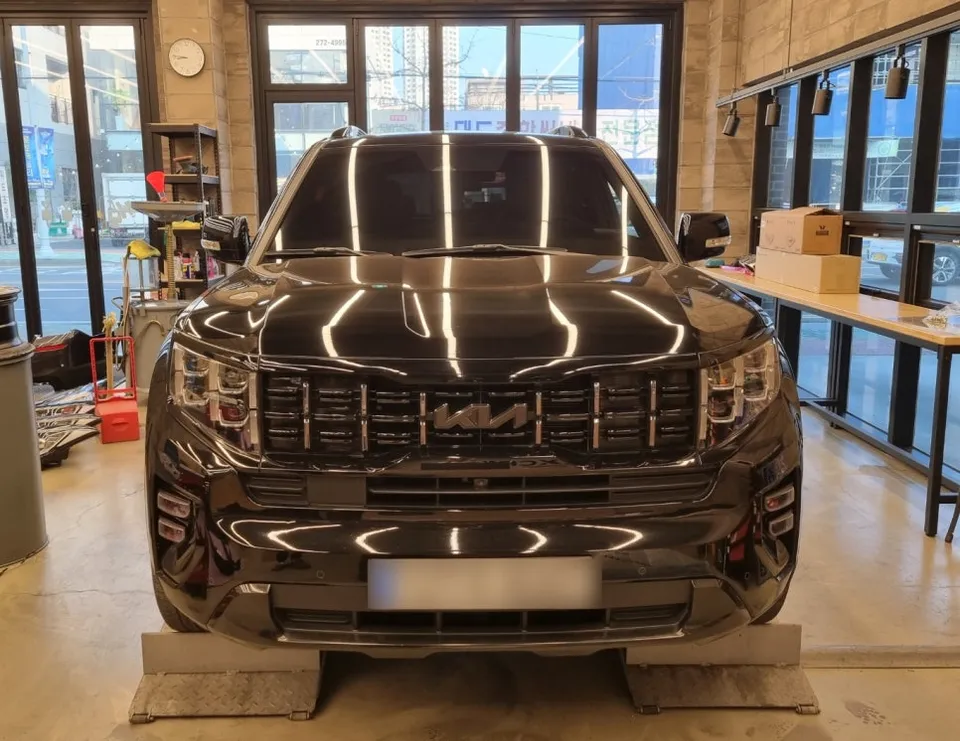
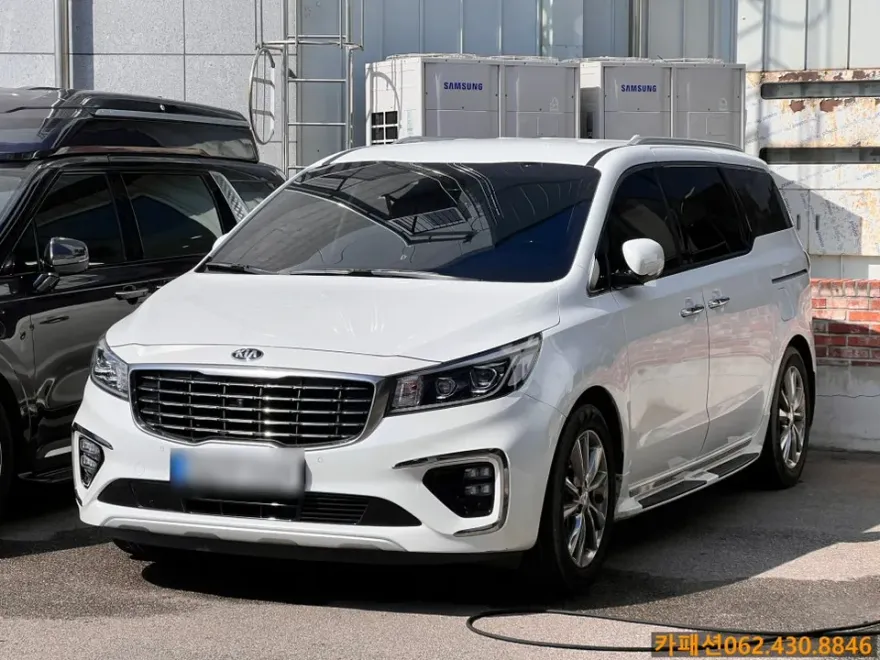
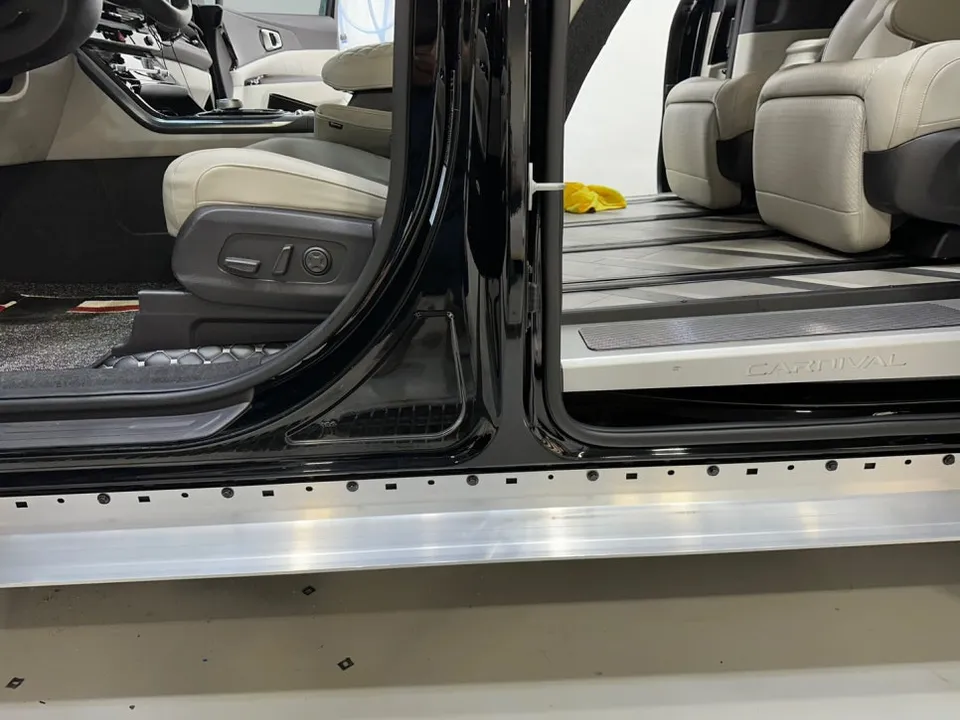
The Kia Carnival KA4, known for its spaciousness and family-friendly features, can be further personalized with a body kit. This review delves into the process, benefits, and considerations of installing an aero kit, specifically focusing on enhancements like front lips and side skirts. While the original context discusses side steps, we'll broaden this to cover the general concept of body kits for the KA4 Carnival, addressing common owner concerns about installation cost, visual transformation, and long-term value.
Why Consider a Body Kit for Your Kia Carnival KA4?
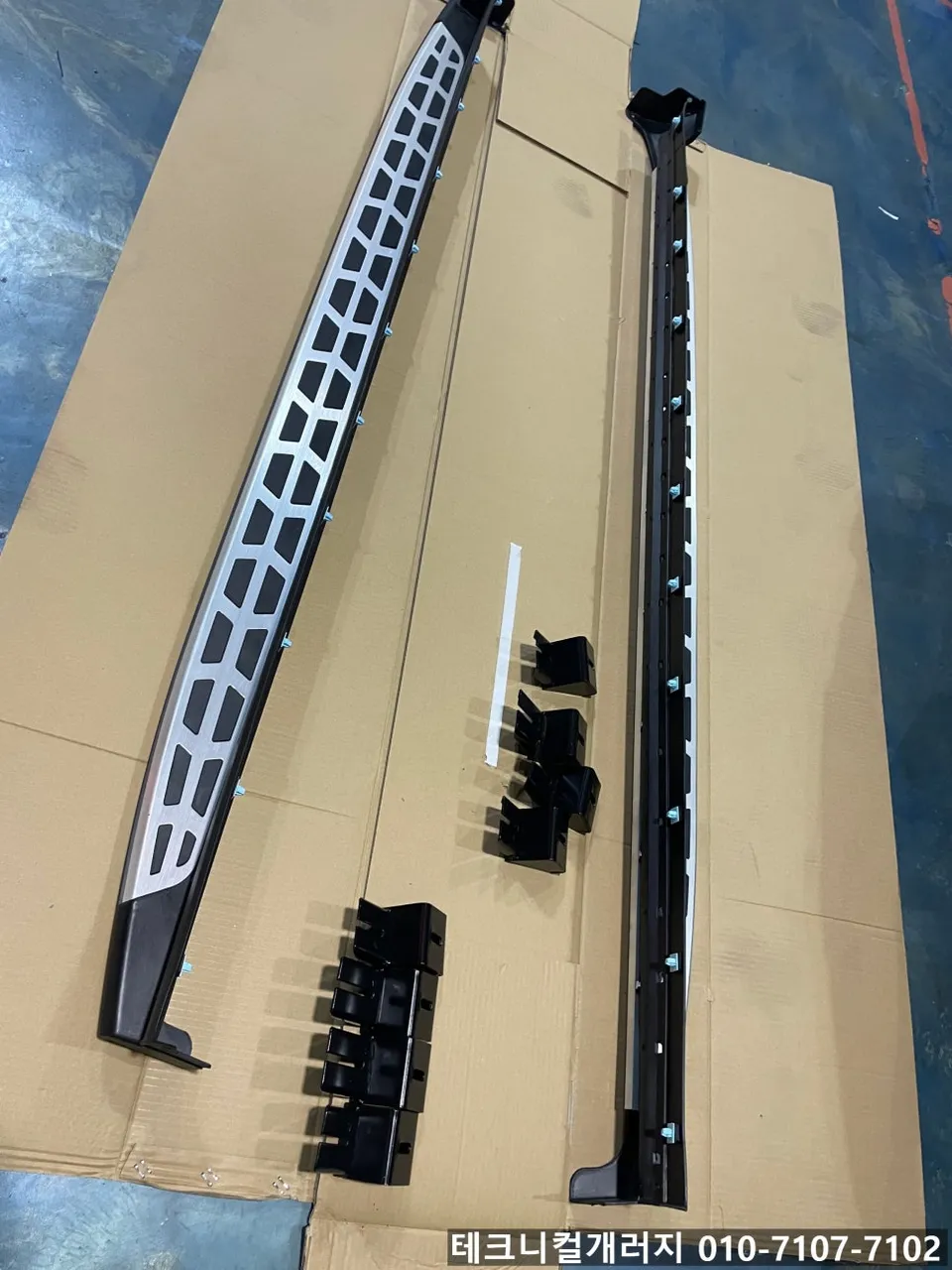
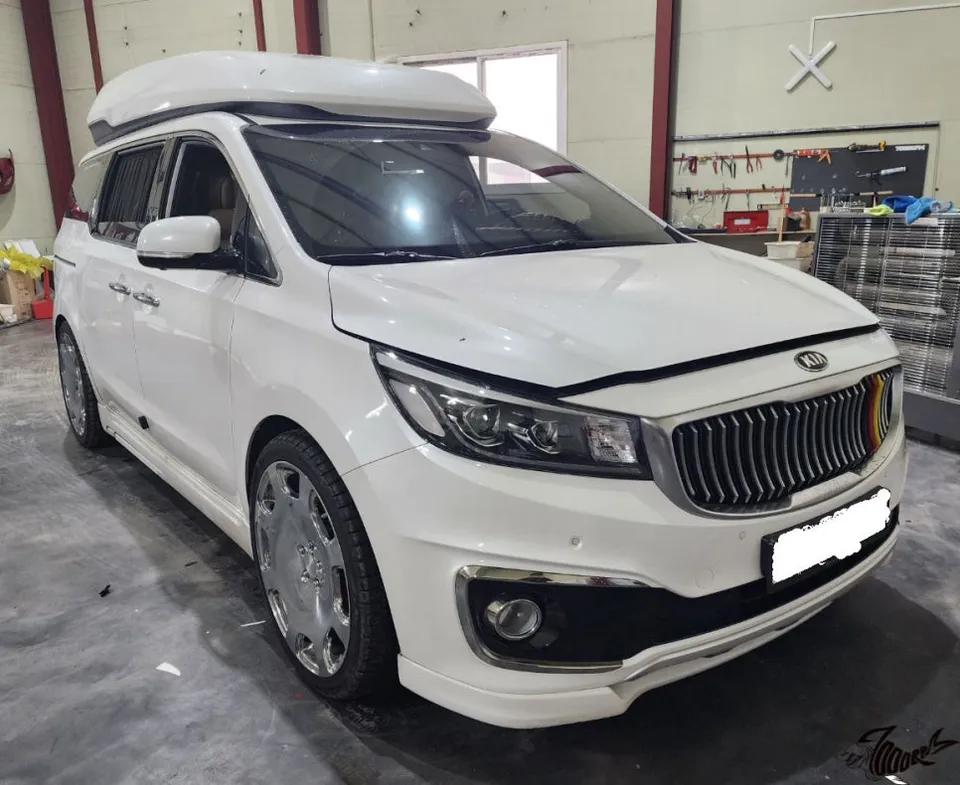
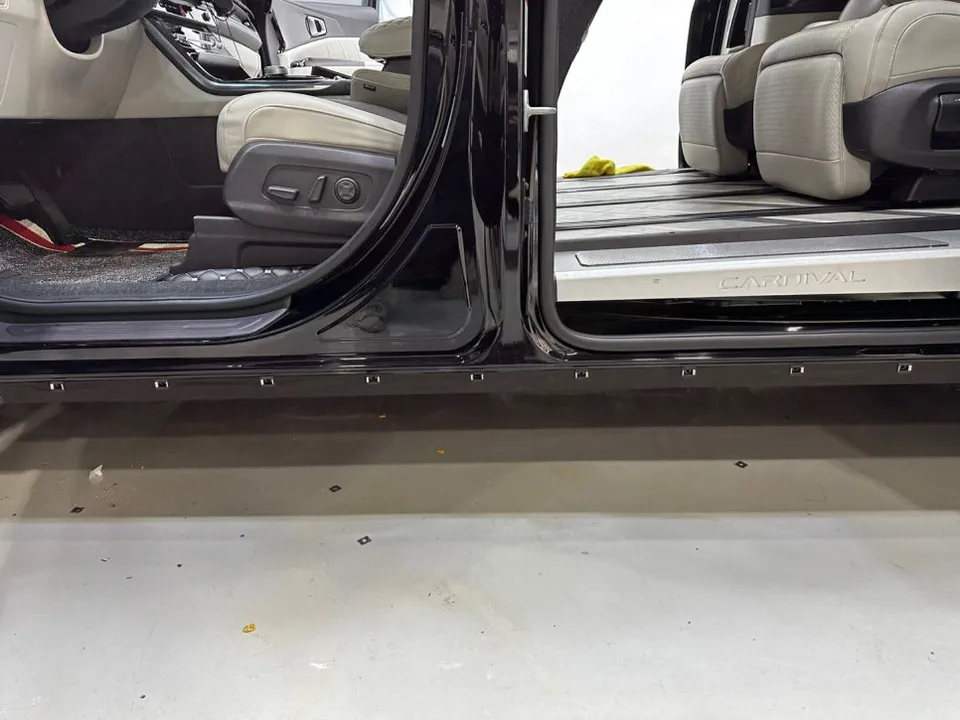
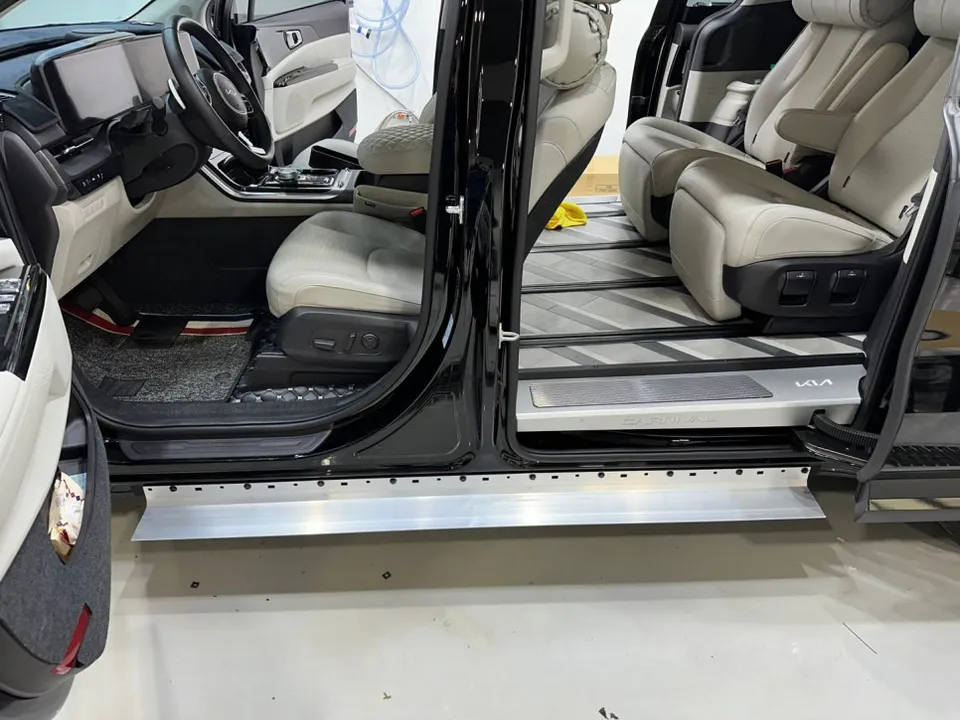
Many Kia Carnival KA4 owners look to customize their vehicles beyond factory options. A body kit, often referred to as an aero kit, can significantly alter the vehicle's aesthetic, giving it a sportier or more aggressive stance. This can include adding a front lip spoiler to the lower bumper, side skirts that visually lower the vehicle, and sometimes rear diffusers or spoilers. Beyond the visual upgrade, some body kit components can subtly improve aerodynamics, though this is often a secondary benefit for most owners. For families or individuals who find the standard Carnival height a bit challenging for entry and exit, particularly for children or elderly passengers, side steps (which can be integrated into or complement a body kit) offer a practical improvement in accessibility. The KA4 Carnival's substantial size can be further accentuated or refined with the right body kit, making it stand out.
Body Kit Installation Process and Considerations
Installing a body kit on a Kia Carnival KA4 involves several key steps. While specific kits vary, the general process often includes:
- Preparation: Thoroughly cleaning the areas where the body kit components will be attached. This may involve removing existing trim pieces, such as the stock side garnishes. Protecting the vehicle's paintwork with masking tape is crucial to prevent scratches during the installation.
- Component Fitting: Carefully positioning the new body kit parts, like the front lip, side skirts, or rear elements, onto the vehicle. This often requires test fitting to ensure a precise alignment before any permanent fixing.
- Secure Attachment: Fastening the body kit components using specialized brackets, clips, and automotive-grade adhesives or bolts. For components like side skirts, ensuring the mounting brackets are securely fixed to the vehicle's chassis is vital for stability and load-bearing.
- Final Touches: Tightening all fasteners to the manufacturer's specified torque and performing a final inspection to ensure a seamless fit with no gaps or rattles. Any protective tape is then removed.
The installation time can vary significantly depending on the complexity of the body kit and the installer's experience. A full body kit installation might take several hours, potentially a full day for more intricate designs or if painting is required. The cost of body kit installation in the US can range from $400 to $1500 or more, depending on the parts chosen and labor rates. In Korea, a similar installation for genuine parts like the 'Tuneon' side steps might range from 300,000 to 500,000 KRW (approximately $220-$370 USD), plus the cost of the parts themselves.
Durability, Maintenance, and Value
The durability of a body kit largely depends on the material used. Polyurethane kits are generally more flexible and resistant to minor impacts, making them a popular choice for daily drivers as they are less prone to cracking. Fiberglass Reinforced Plastic (FRP) kits can be more affordable but are typically more rigid and susceptible to damage from impacts or rough roads. Maintenance for most body kits is minimal, primarily involving regular cleaning to keep them looking their best. However, significant impacts or accidents may necessitate repairs or replacement of the damaged components. When considering the value, a well-chosen and professionally installed body kit can enhance the aesthetic appeal and potentially the resale value of your Kia Carnival KA4. The decision ultimately hinges on your personal preferences and budget, weighing the visual enhancements against the investment and potential maintenance needs.
Frequently Asked Questions
Q. How much does a body kit cost for a Kia Carnival KA4?
In the US, body kit installation costs typically range from $400 to $1500 or more, depending on the kit and labor. The original Korean context mentioned side steps costing around 300,000-500,000 KRW (approx. $220-$370 USD).
Q. How long does body kit installation take on a Kia Carnival KA4?
Installation time varies, but a full body kit can take several hours to a full day. Body kits are generally durable with minimal maintenance, primarily requiring regular cleaning.
Q. Is a body kit worth it for a Kia Carnival KA4?
A body kit is worth it if you prioritize enhancing your Kia Carnival KA4's sporty appearance and personalization. It offers significant visual transformation and can improve accessibility with components like side steps.
Q. How is a body kit installed on a Kia Carnival KA4?
Installation involves cleaning the vehicle's surface, test-fitting the kit components (like front lips or side skirts), and securely attaching them using brackets, clips, or automotive adhesive. Final checks ensure a snug fit.
Q. What is the difference between FRP and polyurethane body kits for a Kia Carnival KA4?
Polyurethane kits are more flexible and impact-resistant, ideal for daily driving, while FRP kits are typically more rigid and potentially prone to cracking upon impact. Polyurethane is generally recommended for better durability.
OhCar Partner Shop