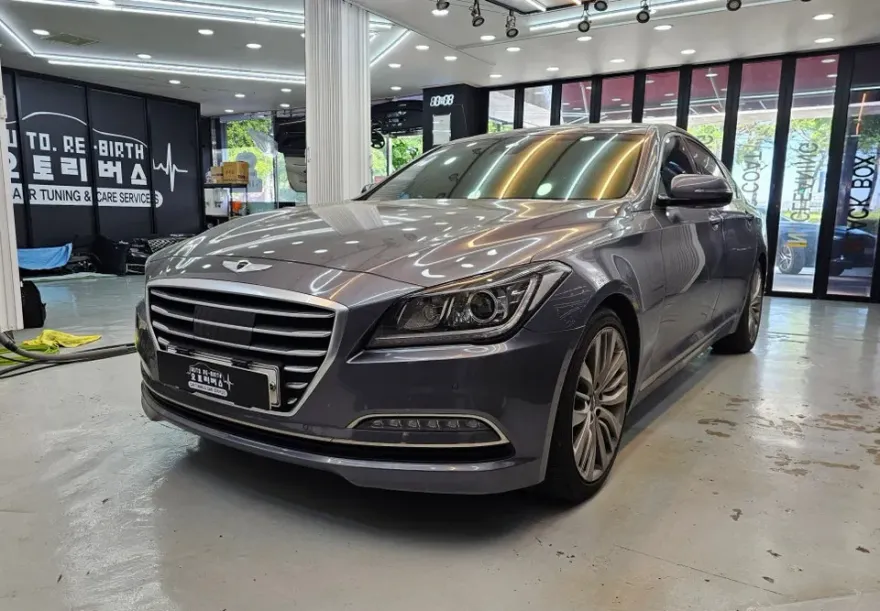
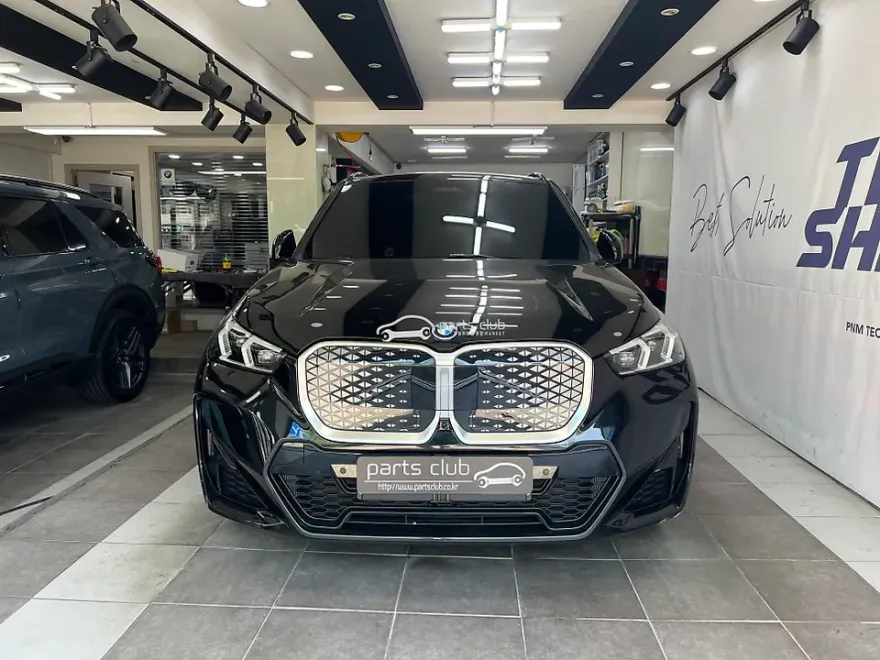
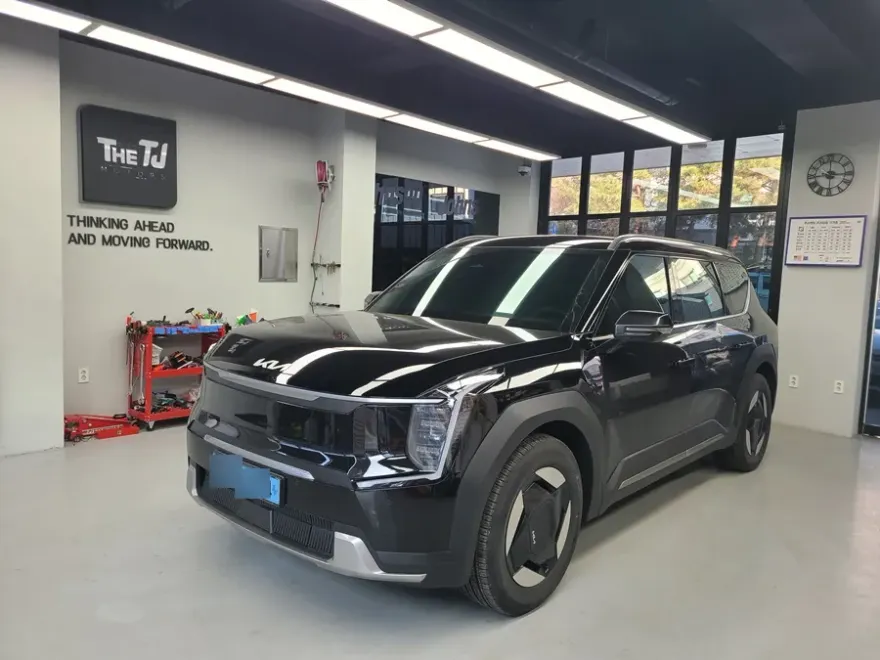
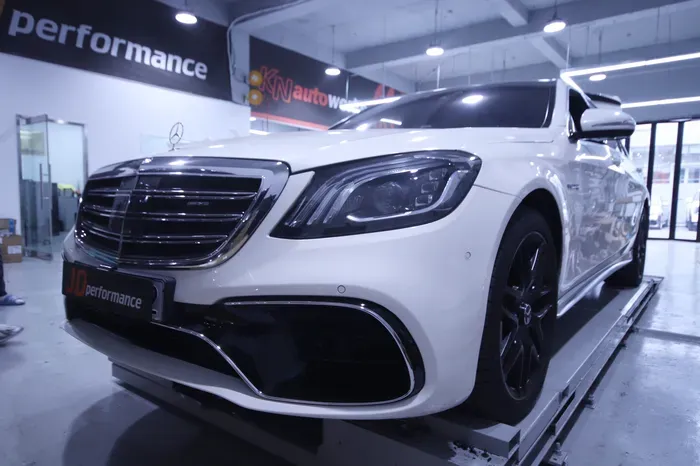
Kia Carnival Body Kit Installation Review
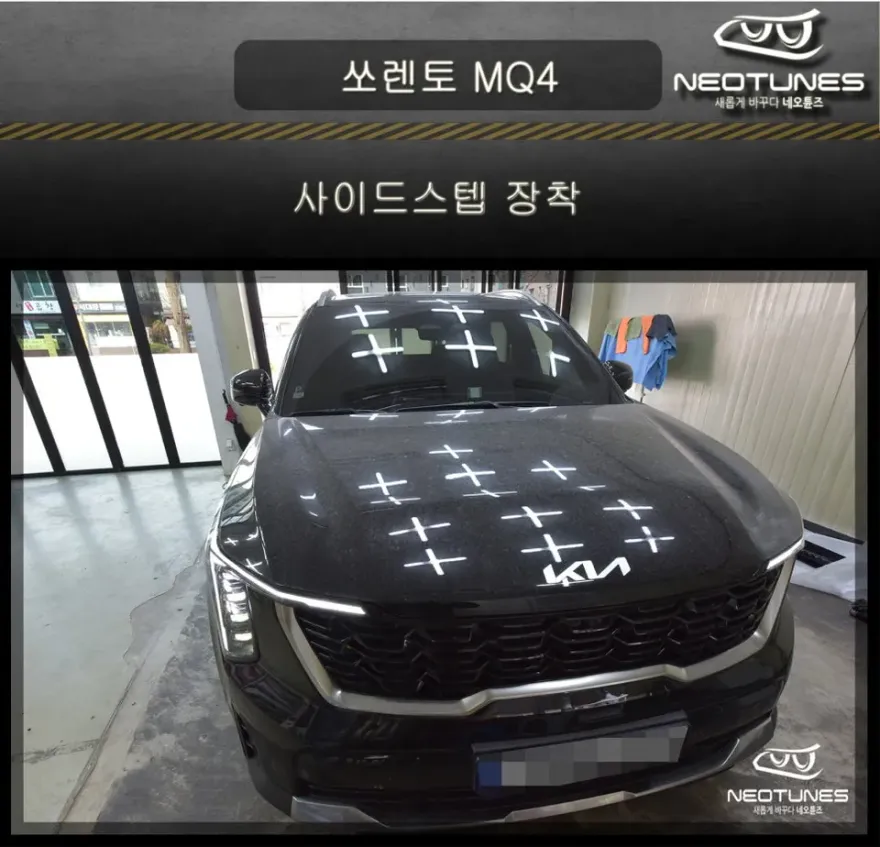
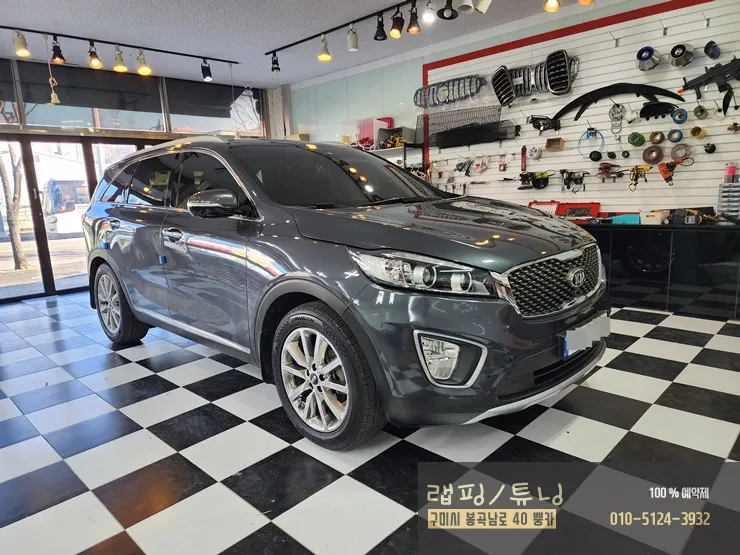
Before

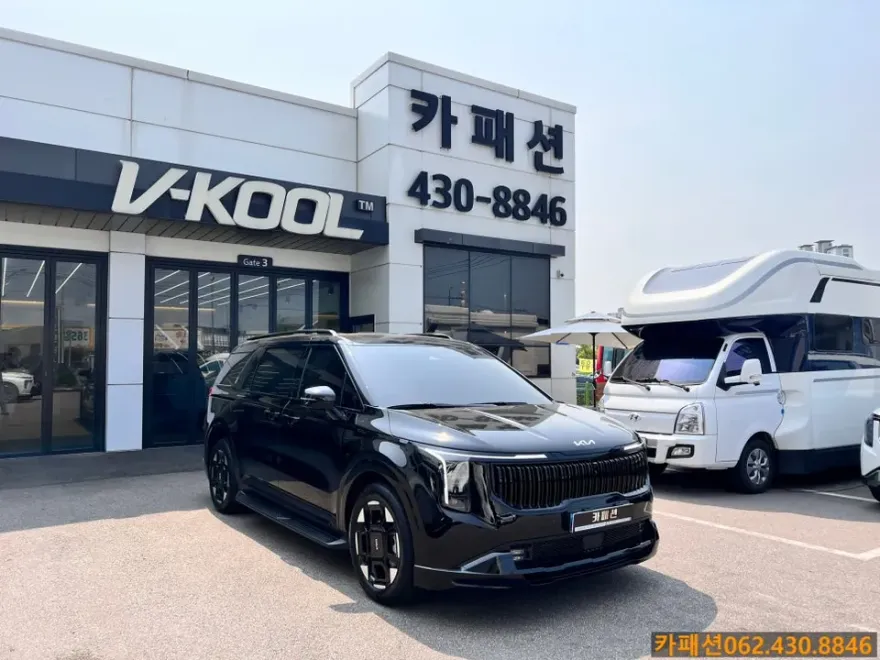
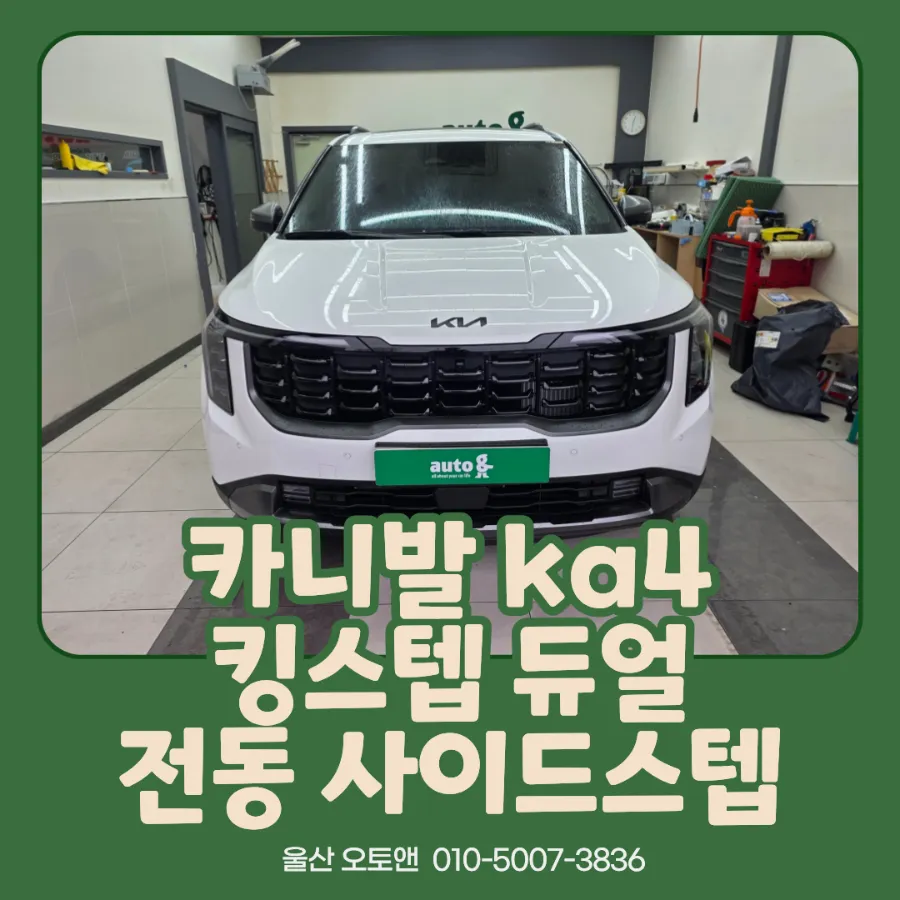
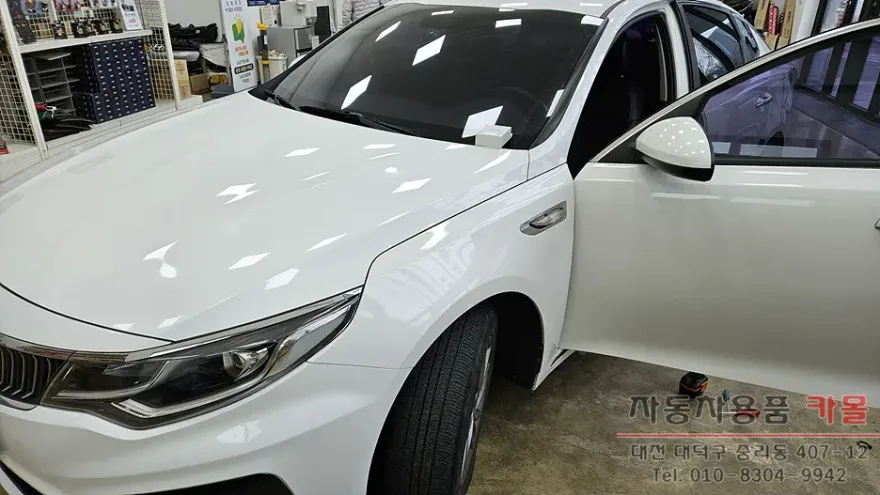
After
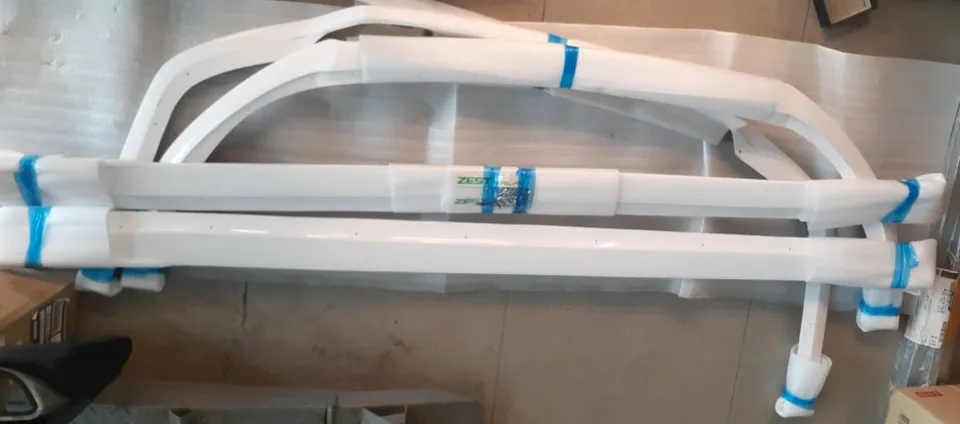
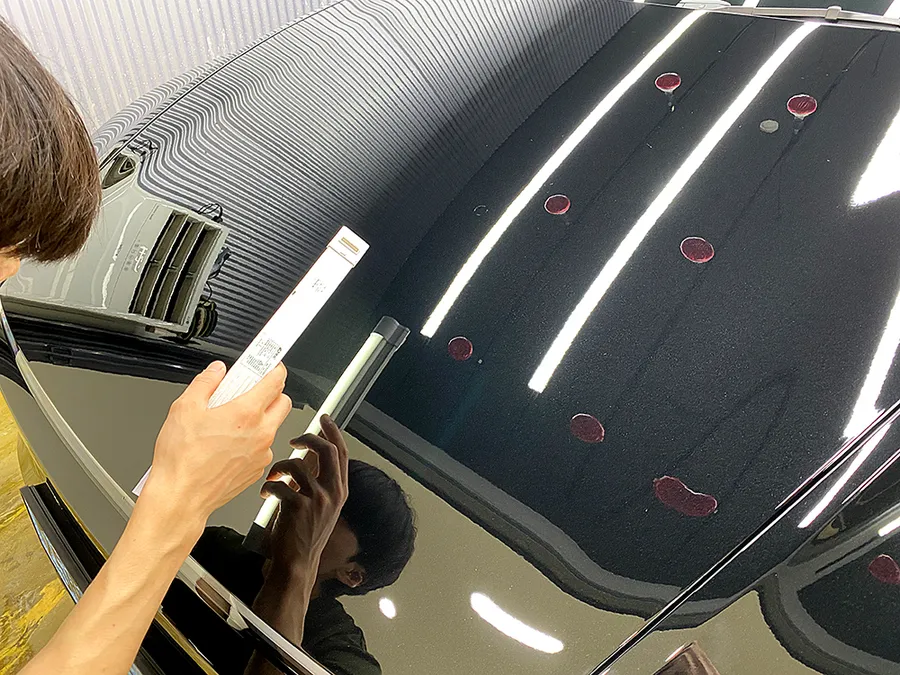
Process photos
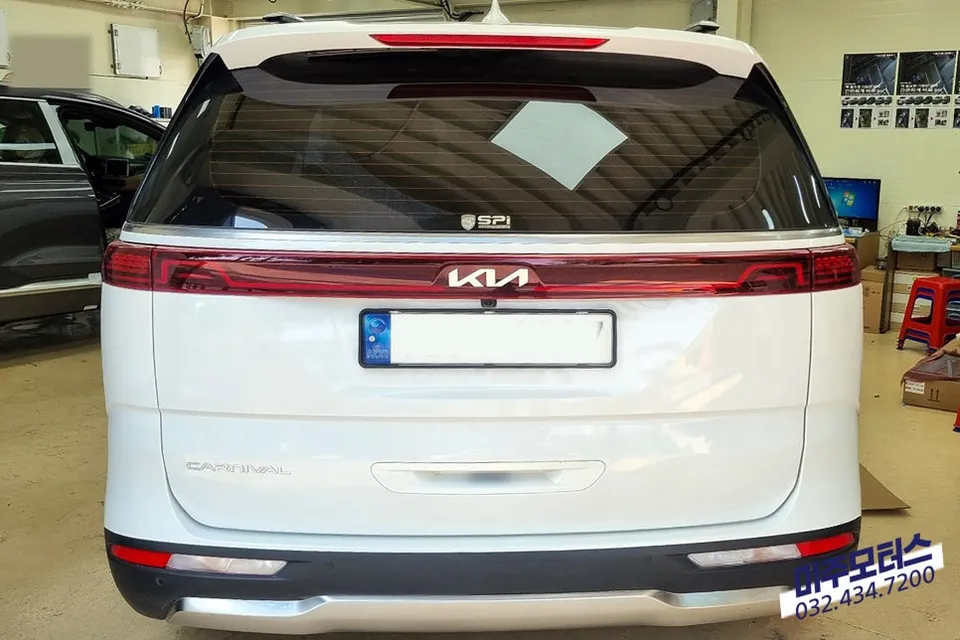
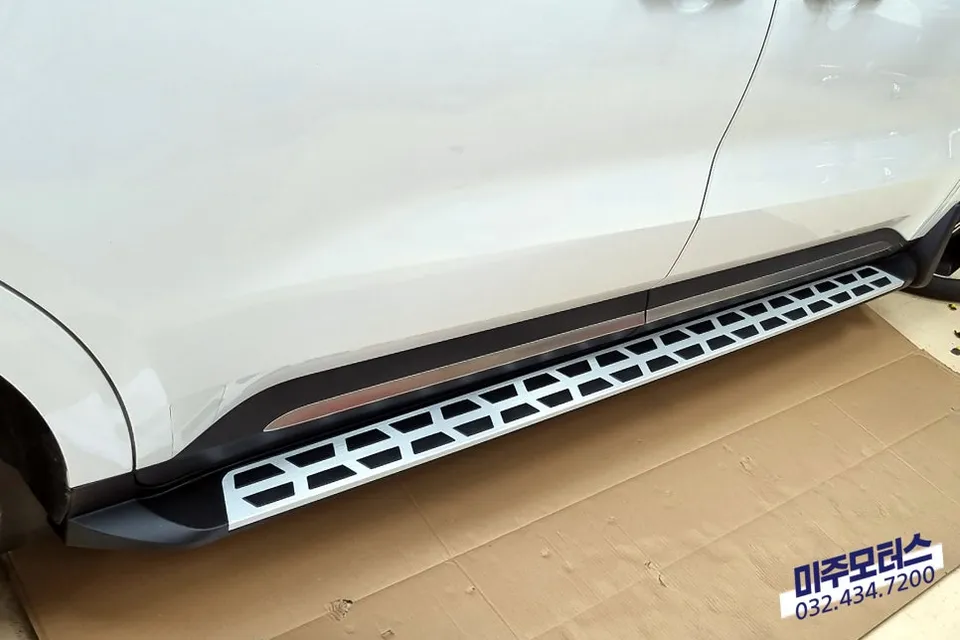
Kia Carnival body kit installation review: Cost varies by material. Enhances aesthetics with a sportier look.
Enhancing Your Kia Carnival with an Aero Kit
The Kia Carnival, a popular family vehicle, can be further personalized with the addition of an aero kit, often referred to as a body kit. This modification aims to give the minivan a sportier, more aggressive aesthetic. While the original context of this review comes from a specific installation in Korea, the principles and considerations for body kit installation are universal for car owners in the US and UK. This review focuses on the practical aspects, including the installation process, the visual transformation, and the long-term value.
Body Kit Installation and Cost Considerations
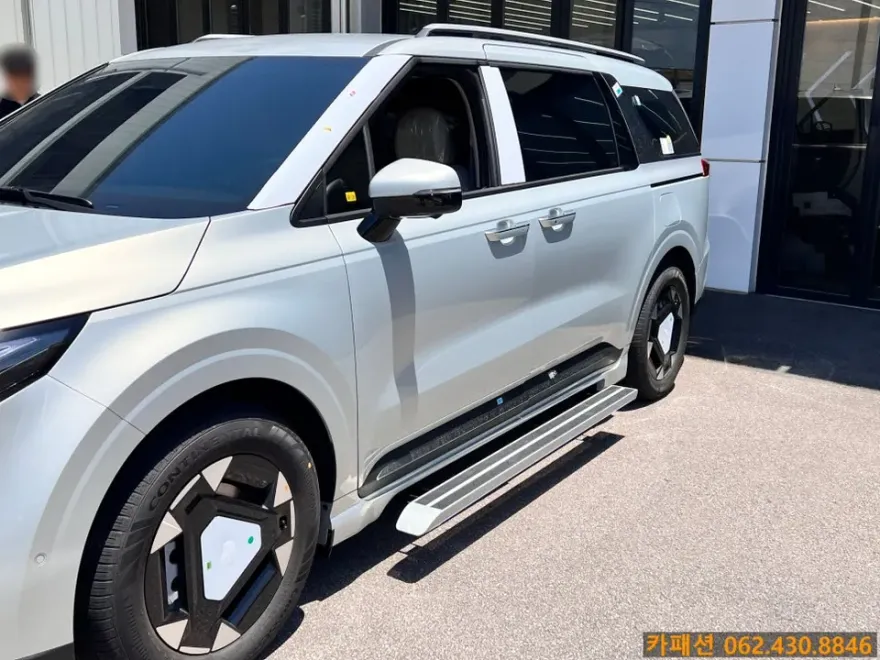
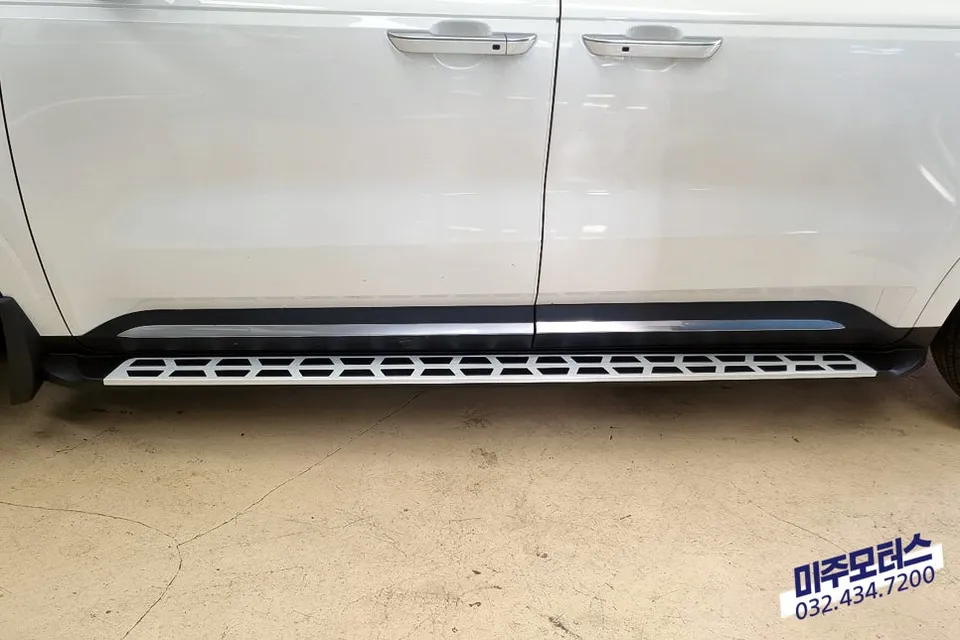
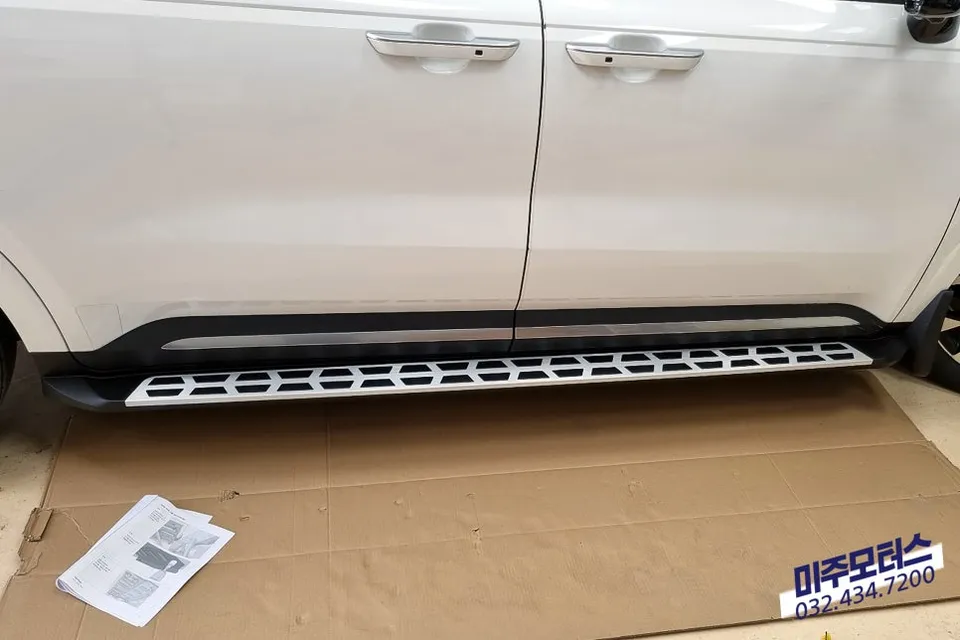
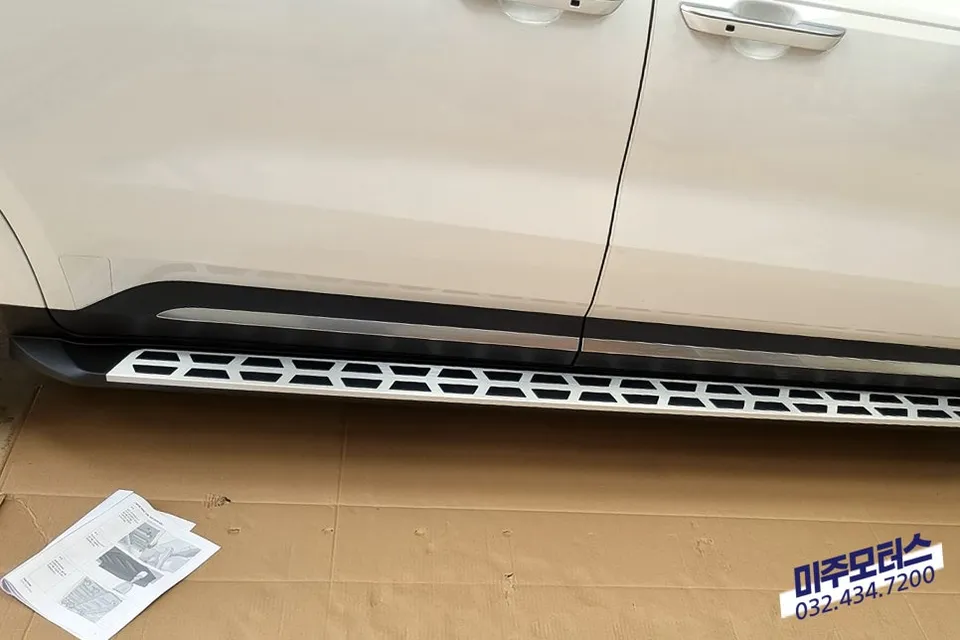
Installing a body kit on a Kia Carnival involves fitting custom aerodynamic components, typically including a front lip, side skirts, and sometimes a rear diffuser or spoiler. The KR context mentions a specific installation of side steps, which function similarly to side skirts in enhancing the vehicle's profile. The cost of a body kit can vary significantly based on the material (e.g., polyurethane, ABS plastic, or fiberglass/FRP) and the brand. In Korea, the installation of side steps like those shown can range from approximately ₩200,000 to ₩500,000 (roughly $150-$375 USD), depending on the complexity and the shop. Professional installation is highly recommended to ensure a perfect fit and finish, preventing damage to the vehicle's original body panels. The process typically involves careful measurement, alignment, and secure fastening, often using a combination of clips, screws, and automotive-grade adhesive.
Durability, Maintenance, and Before/After Results
The durability of a body kit largely depends on the material used and the quality of the installation. Polyurethane and ABS plastic kits are generally more flexible and resistant to cracking from minor impacts compared to fiberglass (FRP) kits, which can be more prone to chipping or cracking but are often lighter and easier to repair. Regular maintenance involves cleaning the kit with mild soap and water, avoiding harsh chemicals that could damage the finish. For owners in regions with harsh weather or frequent road debris, the added protection of a body kit against minor scratches and scuffs can be a benefit. The before and after results are primarily aesthetic, giving the Carnival a more customized and premium look, potentially enhancing its visual appeal and perceived value. The specific side step installation in the KR context clearly demonstrates a more robust, step-like feature that also serves as a protective element and an aid for entry and exit.
Is a Body Kit Worth It for Your Kia Carnival?
Deciding whether a body kit is worth the investment depends on your priorities. If you're looking to significantly alter your Kia Carnival's appearance and give it a more unique, sporty stance, then a body kit can be a worthwhile modification. However, if your primary concern is practicality and maintaining the vehicle's original condition with minimal fuss, you might reconsider. The cost, potential for damage from road hazards, and the need for careful maintenance are factors to weigh. For families who appreciate a customized look and are willing to invest in its upkeep, a body kit can be a satisfying upgrade. The installation process, while detailed, results in a transformed vehicle profile.
Installation Process:
- Preparation: The vehicle's bumper and side areas are thoroughly cleaned and degreased. Any existing trim is removed if necessary.
- Test Fitting: The body kit components (front lip, side skirts, etc.) are carefully test-fitted to ensure proper alignment and fitment against the vehicle's body panels.
- Attachment: The components are secured using a combination of automotive-grade adhesive, clips, and screws, often into pre-drilled holes or reinforced mounting points.
- Finishing: Any gaps are sealed, and the kit is checked for stability. If the kit is unpainted, it would proceed to a professional paint shop for color matching and application.
Frequently Asked Questions
Q. How much does a body kit cost for a Kia Carnival?
The installation of side steps, similar to body kit components, in Korea can range from approximately ₩200,000 to ₩500,000 (around $150-$375 USD). Actual body kit pricing and installation costs in the US and UK will vary based on brand, material, and labor rates.
Q. How long does body kit installation take on a Kia Carnival?
Body kit installation typically takes a few hours to a full day, depending on the complexity of the kit and the shop's workload. Proper durability relies on quality materials and secure installation, with maintenance involving regular cleaning using mild soap and water.
Q. Is a body kit worth it for a Kia Carnival?
A body kit is worth it for Kia Carnival owners who prioritize a unique, sporty aesthetic and are prepared for the associated costs and maintenance. It offers a significant visual upgrade for those seeking a personalized look.
Q. How is a body kit installed on a Kia Carnival?
Installation involves preparing the vehicle's surface, test-fitting the components for precise alignment, and then securely attaching them using automotive adhesive, clips, and screws. Finally, any gaps are sealed, and the kit is checked for stability.
Q. What is the difference between FRP and polyurethane body kits for a Kia Carnival?
Polyurethane and ABS plastic kits offer better flexibility and impact resistance, making them less prone to cracking than FRP (fiberglass) kits. For most daily drivers, polyurethane or ABS is recommended for its durability and resilience.
OhCar Partner Shop