Kia EV9 Body Kit Installation Review
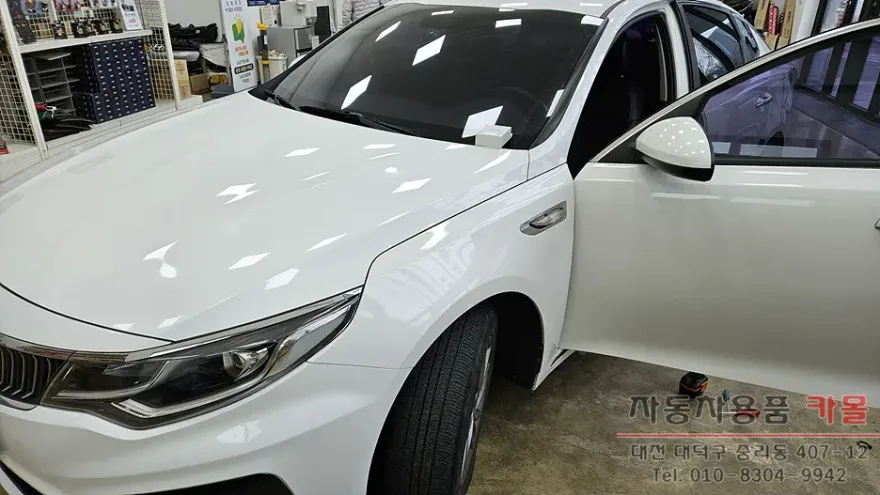
Before
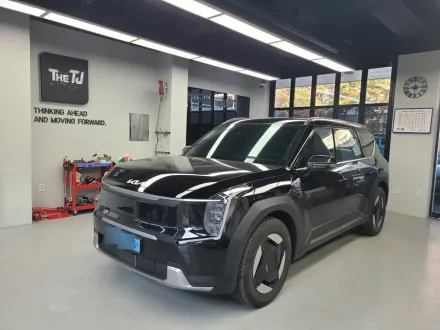
After
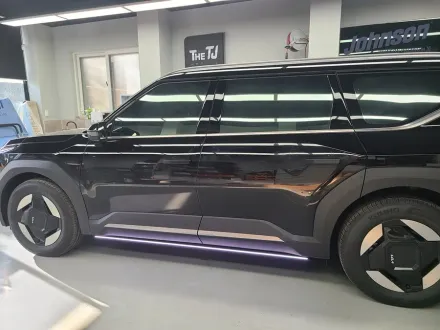
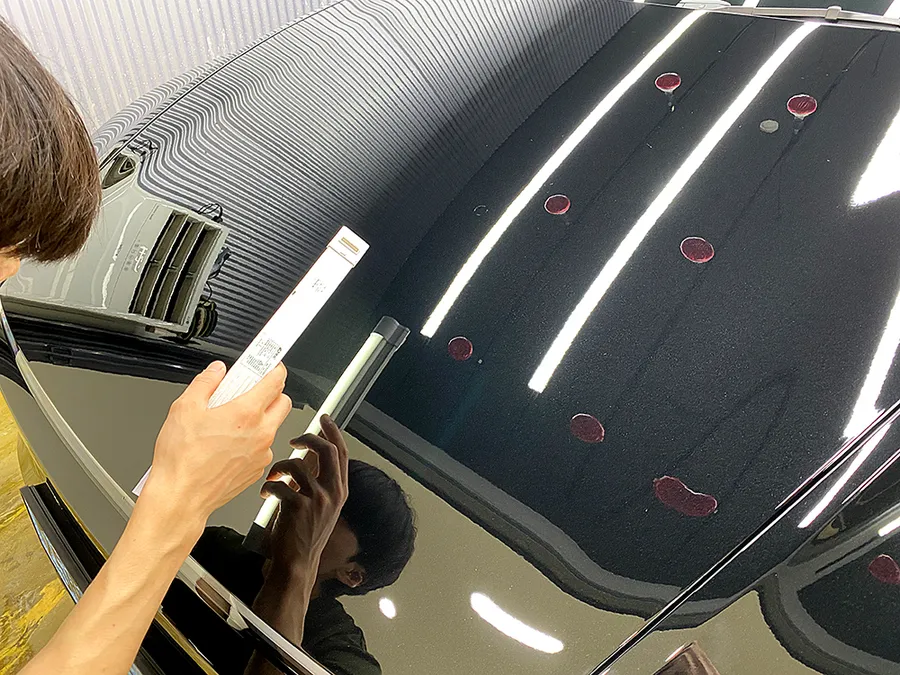
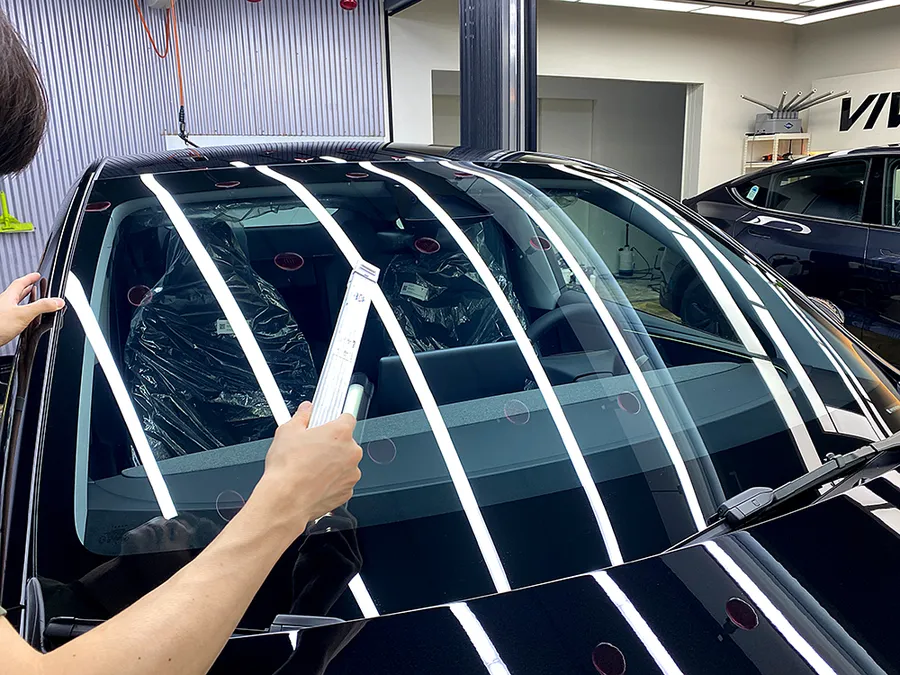
Process photos
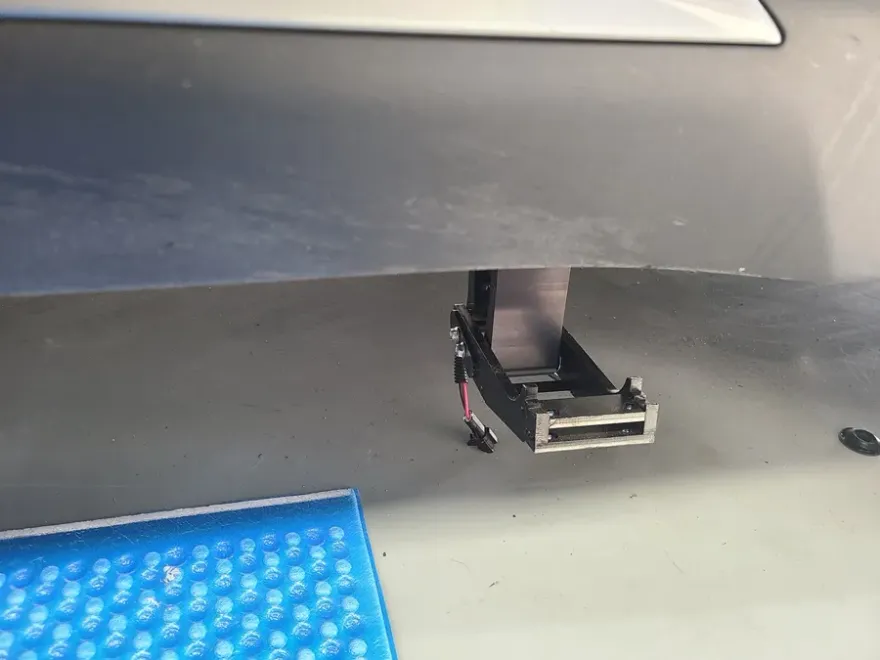
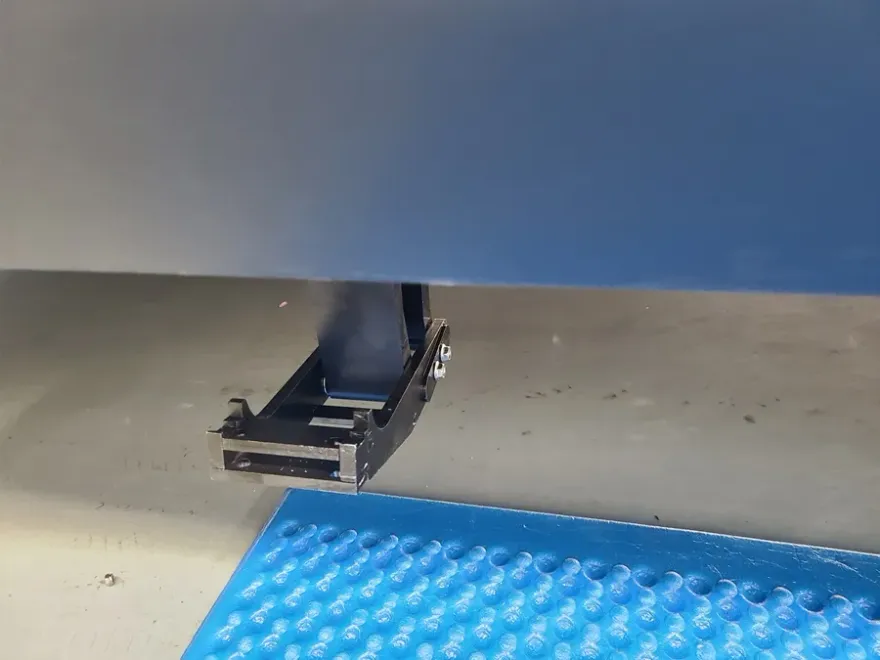
Kia EV9 body kit installation review: Costs vary, enhances aesthetics. Consider material and professional fitting for best results.
Enhancing Your Kia EV9 with an Aero Kit
The Kia EV9, with its distinctive and bold design, offers a unique canvas for customization. For owners looking to further personalize their electric SUV, a body kit, often referred to as an aero kit, presents an exciting option. This review delves into the specifics of body kit installation for the EV9, covering the potential costs, the visual transformations, and whether the investment aligns with owner expectations. While the original context of this installation was in Korea, the principles and considerations for body kit upgrades are universal for EV9 owners.
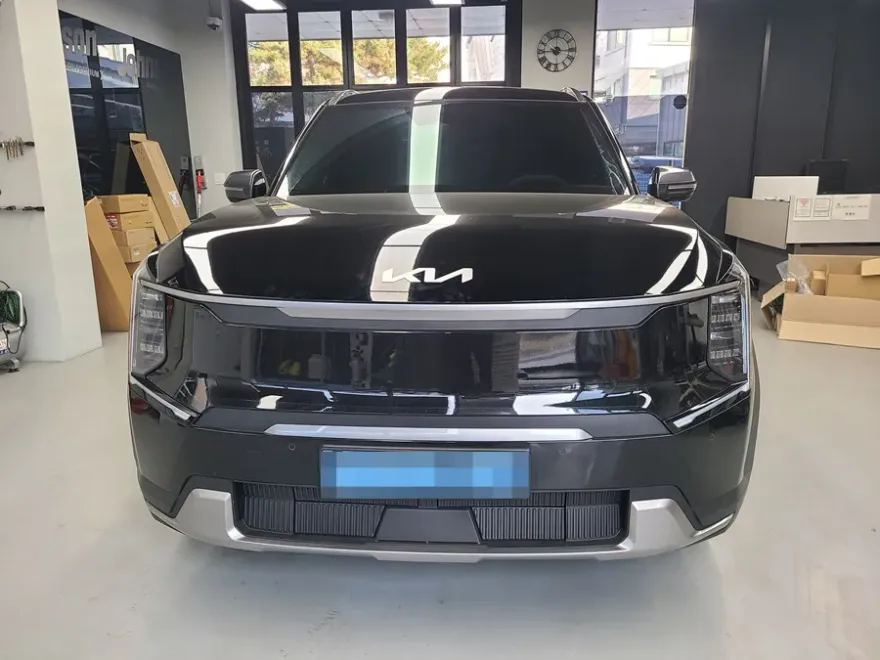
Body Kit Installation: Process and Considerations
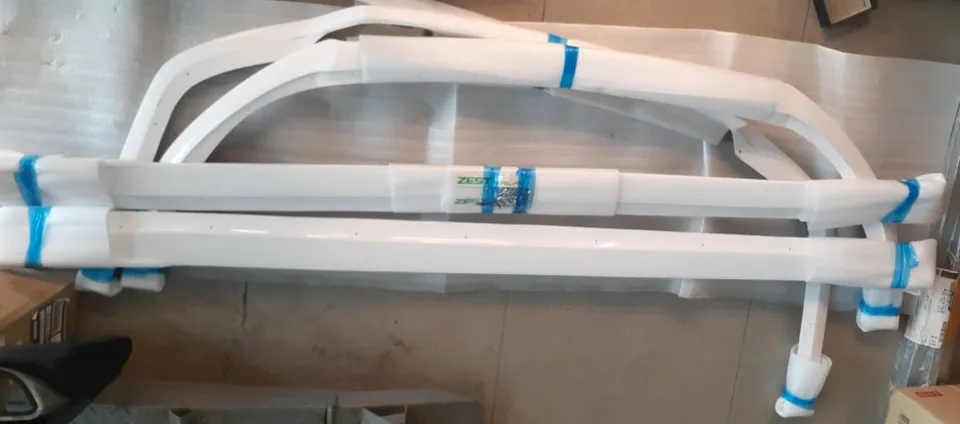
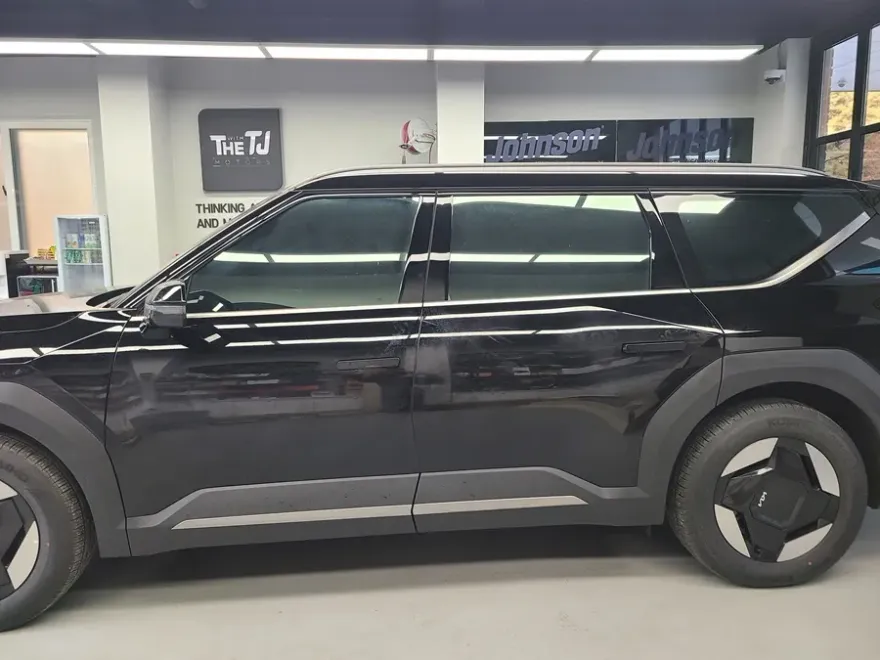
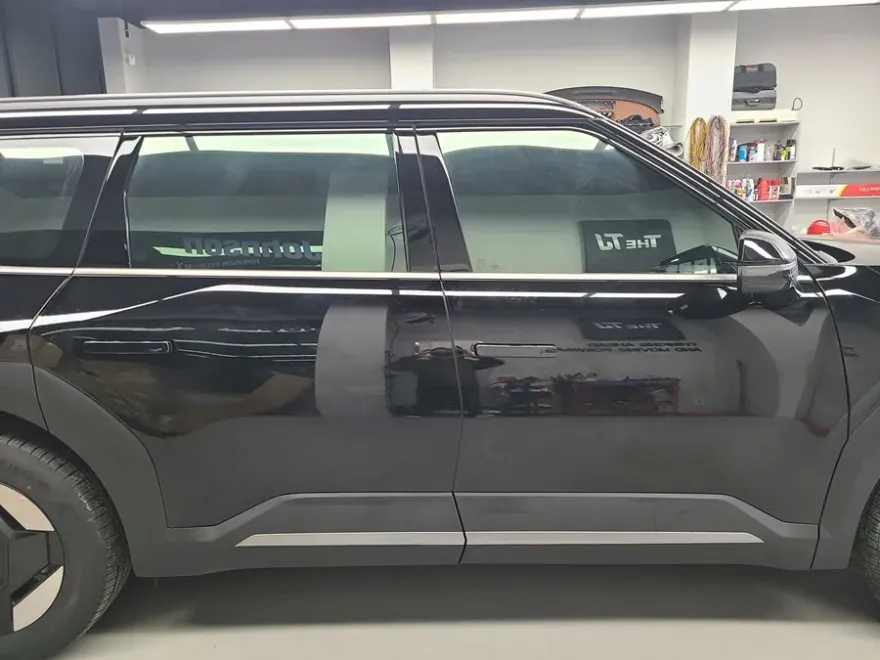
Installing a body kit on a vehicle like the Kia EV9 involves several key components, typically including a front lip, side skirts, and sometimes a rear diffuser or spoiler. The goal is to enhance the vehicle's aesthetic appeal and, in some cases, improve aerodynamic efficiency. The materials used for these kits can vary, with common options including polyurethane and fiberglass-reinforced plastic (FRP). Polyurethane is generally more flexible and durable, making it less prone to cracking, while FRP can be lighter and more rigid but may require more careful handling during installation and can be more susceptible to damage from impacts.
The installation process itself requires precision. It typically involves preparing the vehicle's existing bumpers and side panels, followed by carefully fitting and securing the new body kit components. This often includes drilling, using specialized adhesives, and sometimes minor modifications to ensure a seamless integration. The visual impact can be significant, with a well-fitted body kit giving the EV9 a more aggressive, sporty, or customized stance. Before and after comparisons often highlight a lower, wider, and more sculpted appearance, transforming the vehicle's profile.
Installation Process:
- Surface Preparation: Thoroughly clean and degrease the areas where the body kit components will be attached. This ensures optimal adhesion.
- Component Fitting: Carefully align and temporarily position the front lip, side skirts, and any other parts to check for fitment and make minor adjustments if necessary.
- Securing the Kit: Apply automotive-grade adhesive and use mechanical fasteners (screws or clips) as recommended by the kit manufacturer to permanently attach the components.
- Finishing Touches: Inspect the installation for any gaps or imperfections. Some installations may benefit from professional painting to match the vehicle's original color or a custom finish.
Durability, Cost, and Value Proposition
The durability of a body kit largely depends on the material quality, the expertise of the installer, and the driving conditions. Polyurethane kits tend to offer better long-term resilience against minor impacts and temperature fluctuations. Regular cleaning and avoiding harsh chemicals will help maintain the finish and integrity of the kit. For the Kia EV9, the cost of a body kit can vary widely based on the brand, the number of pieces included, and the material. In the Korean market, such kits might range from approximately ₩500,000 to over ₩1,500,000 (roughly $375 to $1,125 USD), not including installation labor, which can add significantly to the total body kit cost. Professional installation is highly recommended to ensure a perfect fit and finish, preventing potential issues like rattling or improper alignment.
Deciding if a body kit is worth it for your EV9 involves weighing the aesthetic benefits against the financial outlay and potential maintenance. For owners who prioritize a unique look and want their electric SUV to stand out, the visual upgrade can be a compelling reason. However, it's important to consider that adding body kit components might slightly affect the vehicle's aerodynamics, potentially having a minor impact on range, though this is usually negligible for most street-driven vehicles. The decision ultimately hinges on personal preference and budget.
Frequently Asked Questions
Q. How much does a body kit cost for a Kia EV9?
In the Korean market, body kits for the Kia EV9 can range from approximately ₩500,000 to over ₩1,500,000, with installation costs being additional. US pricing can vary significantly based on brand and complexity, often falling within a similar or higher range.
Q. How long does body kit installation take on a Kia EV9?
Body kit installation typically takes between 4 to 8 hours, depending on the complexity of the kit and the installer's experience. Proper durability is achieved through meticulous fitting and secure fastening, and maintenance involves regular washing with mild soap and water.
Q. Is a body kit worth it for a Kia EV9?
A body kit is worth it for Kia EV9 owners who prioritize a distinctive visual upgrade and want their vehicle to have a more personalized, aggressive stance. The value proposition lies in the enhanced aesthetics and unique styling it provides.
Q. How is a body kit installed on a Kia EV9?
Installation involves preparing the vehicle's surface, carefully fitting the body kit components like the front lip and side skirts, and then securely attaching them using automotive adhesives and mechanical fasteners. Professional installation is recommended for a flawless finish.
Q. What is the difference between FRP and polyurethane body kits for a Kia EV9?
Polyurethane body kits are generally more flexible and impact-resistant, offering better durability against minor bumps and temperature changes. FRP kits are lighter and more rigid but can be more prone to cracking, making polyurethane the preferred choice for most daily drivers seeking longevity.
OhCar Partner Shop