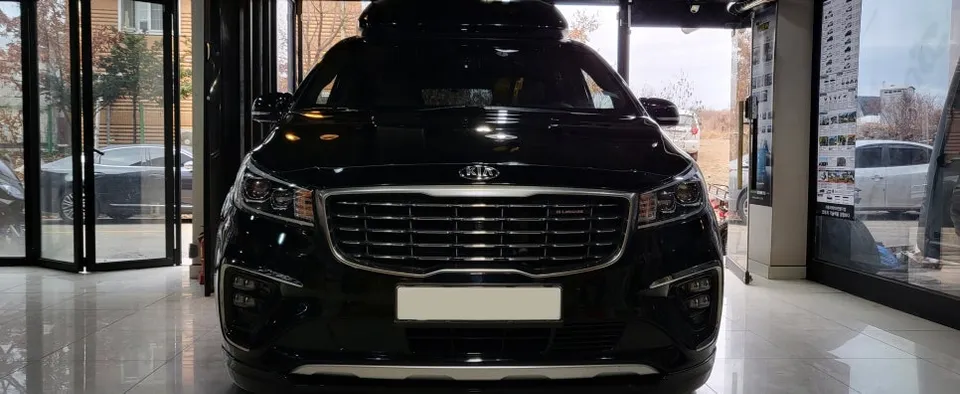
Kia Carnival KA4 Body Kit Installation Review
Service Price
$under $40
Estimated price · Actual price may vary by shop
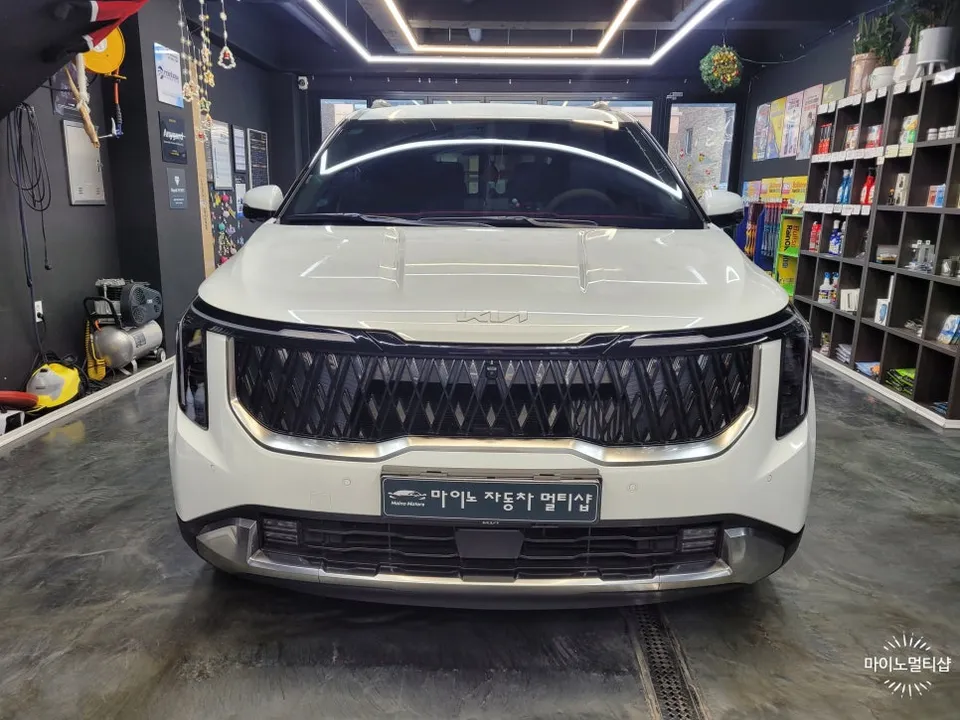
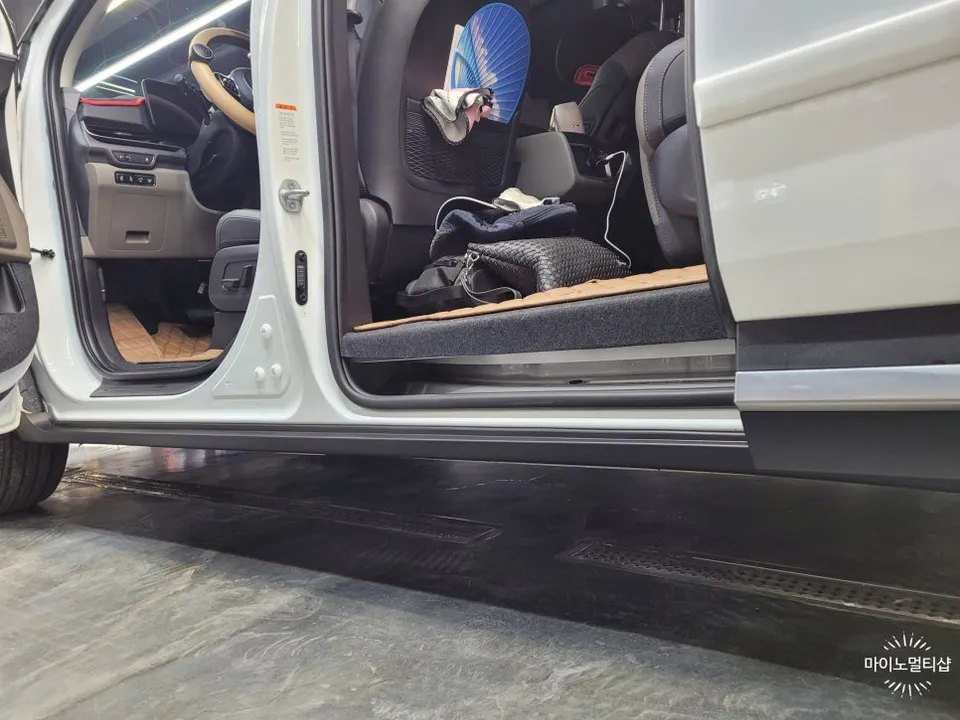
Kia Carnival KA4 body kit installation costs vary. Aero kits enhance looks but require careful installation and maintenance.
Enhancing Your Kia Carnival KA4 with a Body Kit
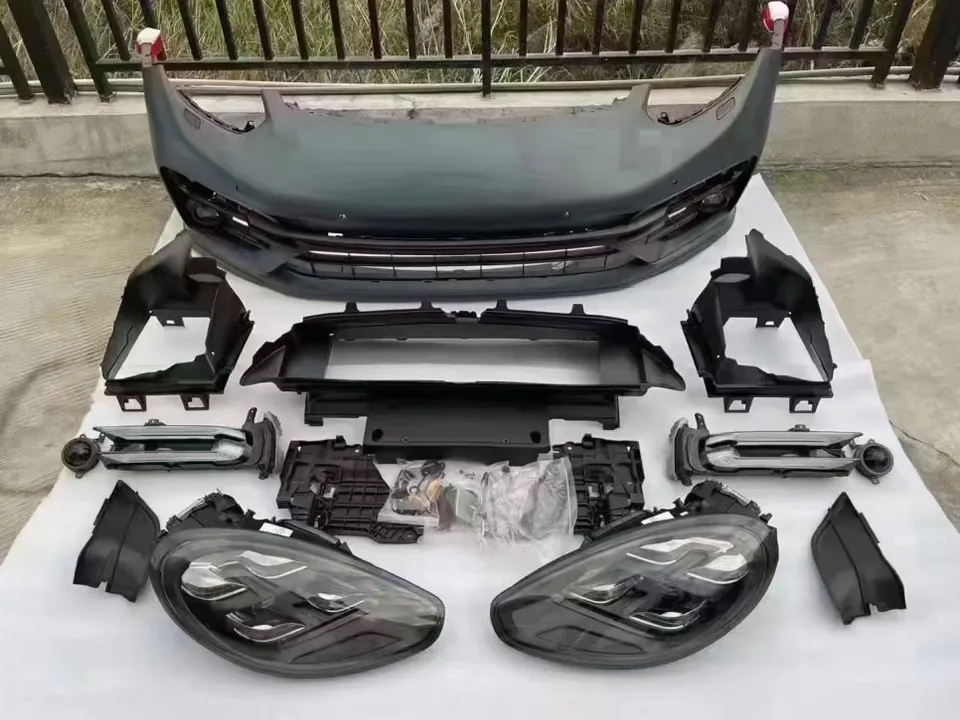
Many Kia Carnival KA4 owners consider aftermarket enhancements to personalize their vehicles. While the term 'body kit' can encompass various exterior modifications, in the context of this review, we're focusing on aerodynamic kits that can improve aesthetics and potentially airflow. These kits often include components like front lips, side skirts, and rear diffusers, designed to give the MPV a sportier, more aggressive stance. This review delves into the practical aspects of installing such an aero kit on a Kia Carnival KA4, covering the installation process, potential costs, and the overall value proposition for owners.
Body Kit Installation and Cost Considerations
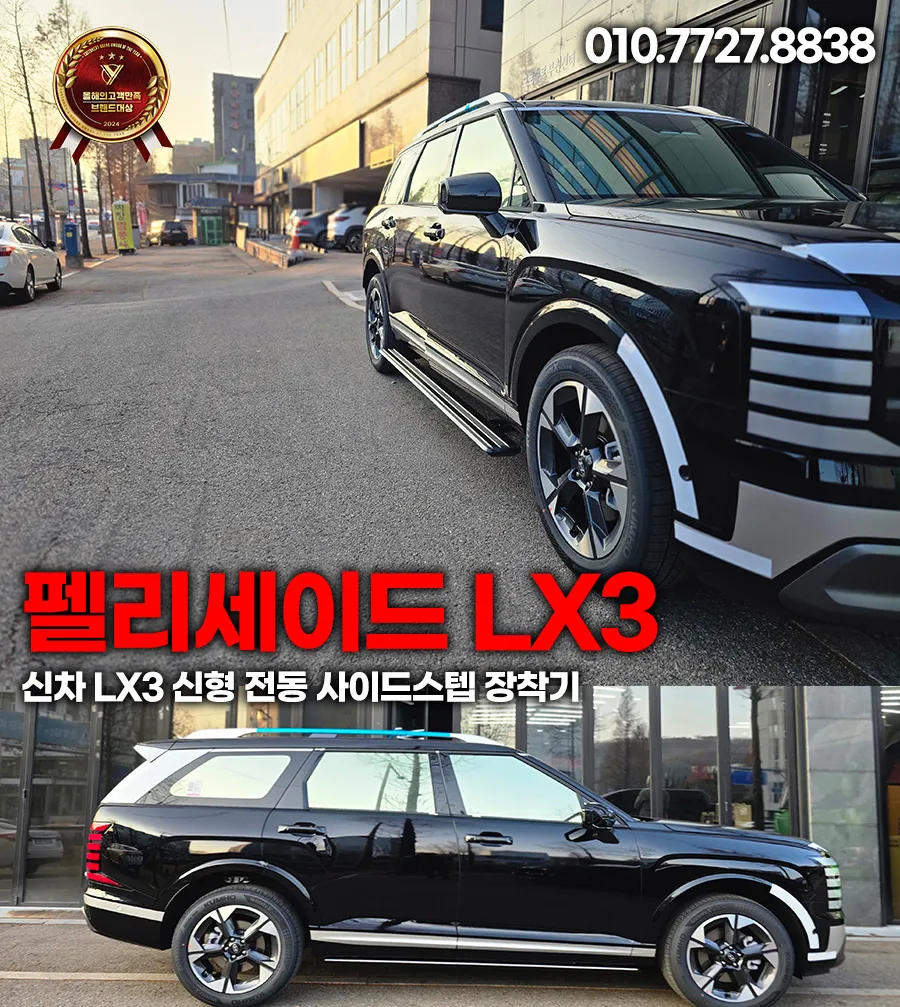
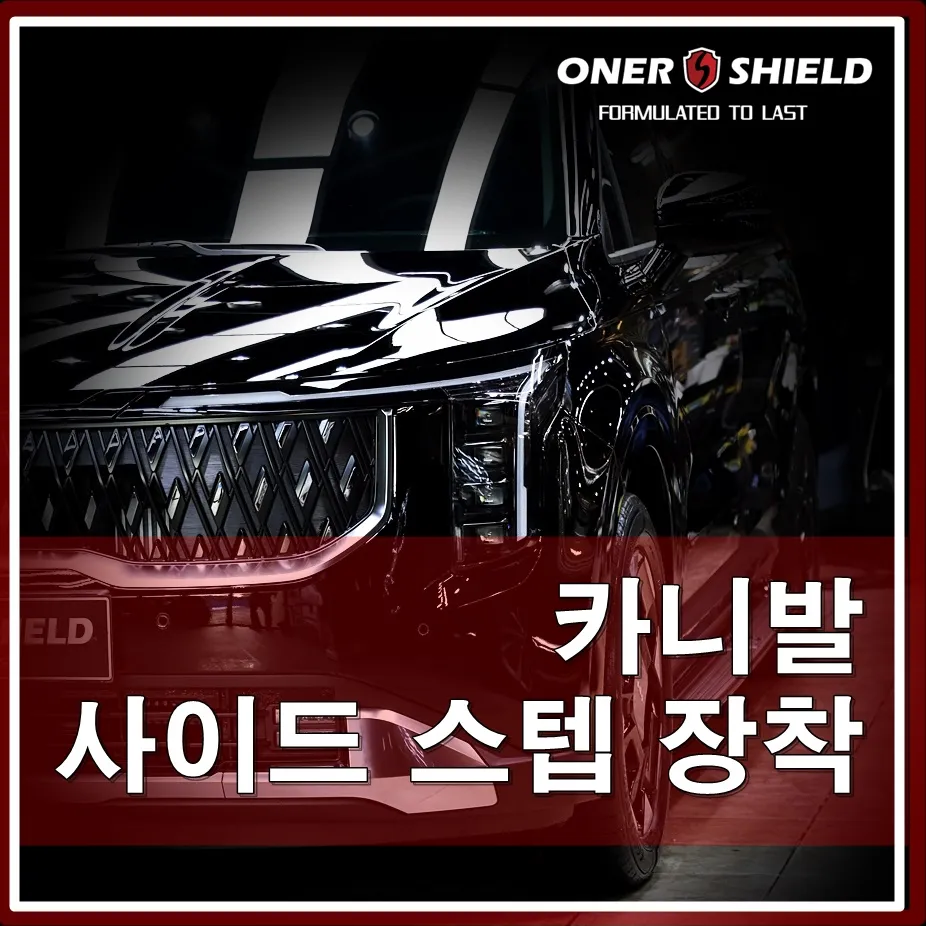
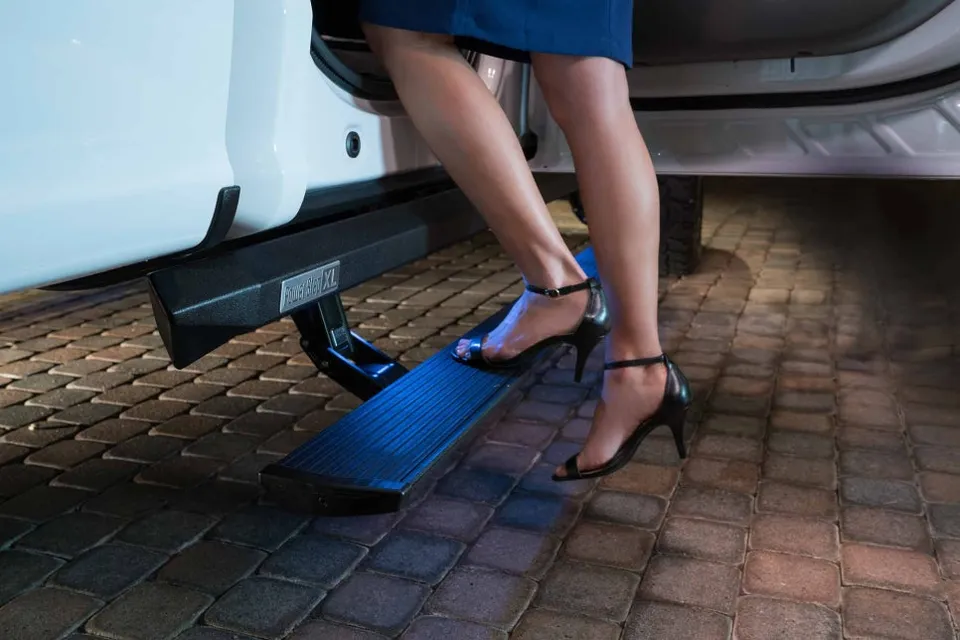
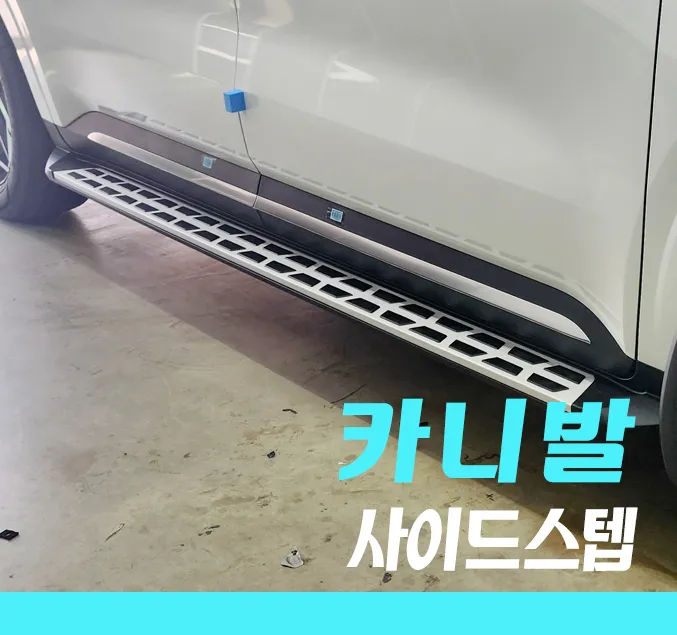
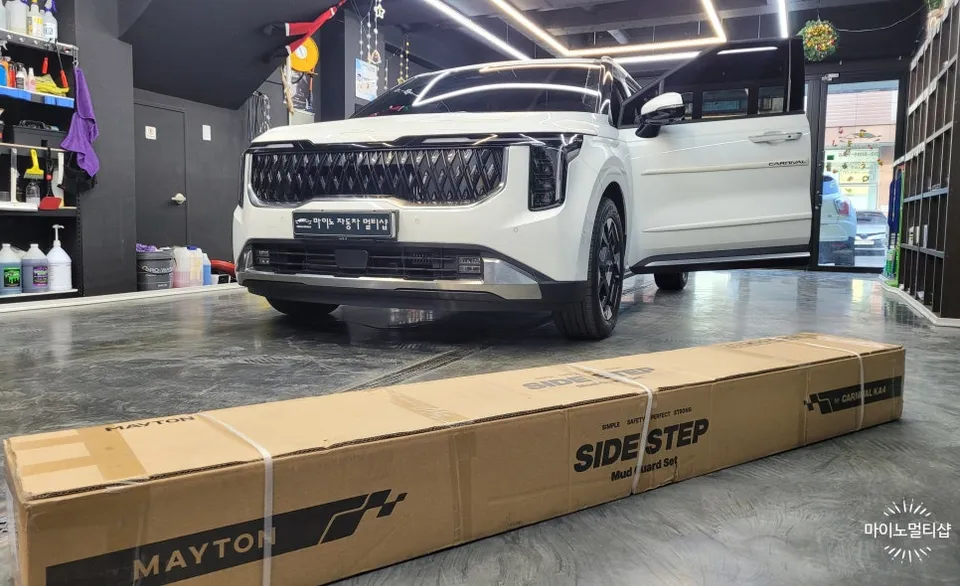
The installation of a body kit on a Kia Carnival KA4 typically involves fitting new exterior panels and components. The process requires precision to ensure a seamless integration with the vehicle's existing body lines. While the original Korean context discusses side steps, the principles of aftermarket exterior additions are similar. For a full body kit, which might include a front lip, side skirts, and a rear bumper extension, the installation can be more involved than just side steps. The original source mentions a side step installation taking around 1.5 hours, but a comprehensive body kit could take longer, potentially several hours depending on the complexity and the specific kit's design. In Korea, the cost for a side step installation was noted to start around 300,000 KRW (approximately $220 USD, though exchange rates fluctuate). A full body kit installation, including parts and labor, would likely be significantly higher, potentially ranging from $500 to $2000 USD or more, depending on the brand, material (like FRP or polyurethane), and the installer's rates. It's crucial to get a detailed quote from a reputable shop before proceeding.
Assessing Durability and Before/After Results
The durability of a body kit largely depends on the materials used and the quality of the installation. Kits made from materials like polyurethane are generally more flexible and resistant to cracking from minor impacts compared to fiberglass-reinforced plastic (FRP). The original context highlights the durability of the Meton side steps, which can support up to 200kg. While not directly comparable to a full body kit, it suggests a focus on robust construction. After installation, the visual transformation can be dramatic. A well-designed body kit can lower the perceived height of the Carnival, add sharper lines, and give it a more performance-oriented look. The 'before and after' results are subjective but often lead to a more personalized and aesthetically pleasing vehicle. Maintenance typically involves regular washing and waxing, similar to the rest of the car's paintwork. Avoiding harsh brushes or high-pressure washing directly on the kit's edges is advisable to preserve its finish and integrity over time.
Is a Body Kit Worth It for Your Kia Carnival KA4?
Deciding whether a body kit is 'worth it' for a Kia Carnival KA4 comes down to individual priorities. If your primary goal is to enhance the vehicle's visual appeal and give it a more unique, sporty character, then a body kit can be a worthwhile investment. It allows for personalization beyond factory options. However, if practicality and maintaining the original factory look are more important, you might want to reconsider. Potential downsides include increased cost, the risk of damage from road debris or parking mishaps, and potentially affecting vehicle resale value if not installed professionally or if the style is too niche. The original source emphasizes the convenience and safety benefits of side steps for easier entry and exit, especially for families. For a body kit, the primary benefit is aesthetic enhancement. Consider your budget, desired look, and how you use your vehicle before making a decision.
Installation Process:
- Preparation: The vehicle's existing bumpers and side panels are cleaned thoroughly. Any necessary minor repairs or modifications to the mounting points are made.
- Component Fitting: The new body kit components (front lip, side skirts, etc.) are carefully aligned with the vehicle's body.
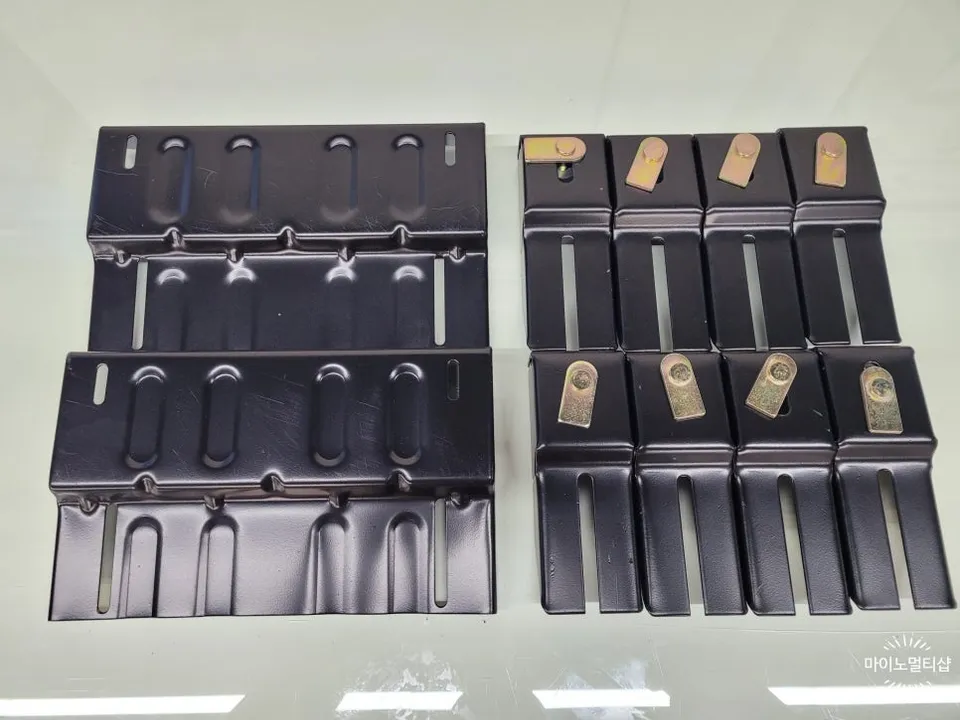
- Securing: Components are attached using a combination of automotive-grade adhesives, clips, and sometimes drilling into the existing bodywork for secure mounting.
- Finishing: Panel gaps are checked for consistency. The new parts may be painted to match the vehicle's color if they aren't pre-painted.
Frequently Asked Questions
Q. How much does a body kit cost for a Kia Carnival KA4?
While specific pricing for a full body kit isn't in the source, similar side step installations in Korea start around 300,000 KRW (approx. $220 USD). A full body kit installation in the US could range from $500 to $2000+ depending on the kit and labor.
Q. How long does body kit installation take on a Kia Carnival KA4?
Installation time varies greatly depending on the kit's complexity, but a full body kit could take several hours. Proper maintenance involves regular washing and waxing, avoiding harsh cleaning methods on the kit's edges.
Q. Is a body kit worth it for a Kia Carnival KA4?
A body kit is worth it if your main goal is to significantly enhance the Kia Carnival KA4's visual appeal and achieve a sportier look. It offers a way to personalize your MPV beyond factory options, but consider the added cost and potential for damage.
Q. How is a body kit installed on a Kia Carnival KA4?
Installation typically involves cleaning the vehicle's existing panels, carefully aligning the new body kit components, and securing them with adhesives, clips, or fasteners. The process may require drilling and painting to ensure a seamless fit.
Q. What is the difference between FRP and polyurethane body kits for a Kia Carnival KA4?
Polyurethane kits are generally more flexible and durable, better resisting cracks from minor impacts compared to FRP (fiberglass-reinforced plastic) kits. For longevity and resilience, polyurethane is often the preferred material.
OhCar Partner Shop