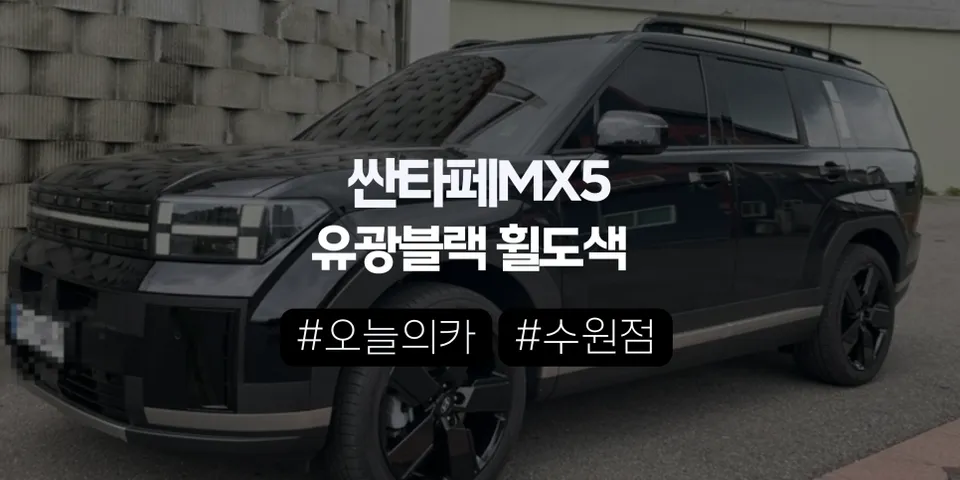
Hyundai IONIQ 9 Body Kit Review — Installation & Cost
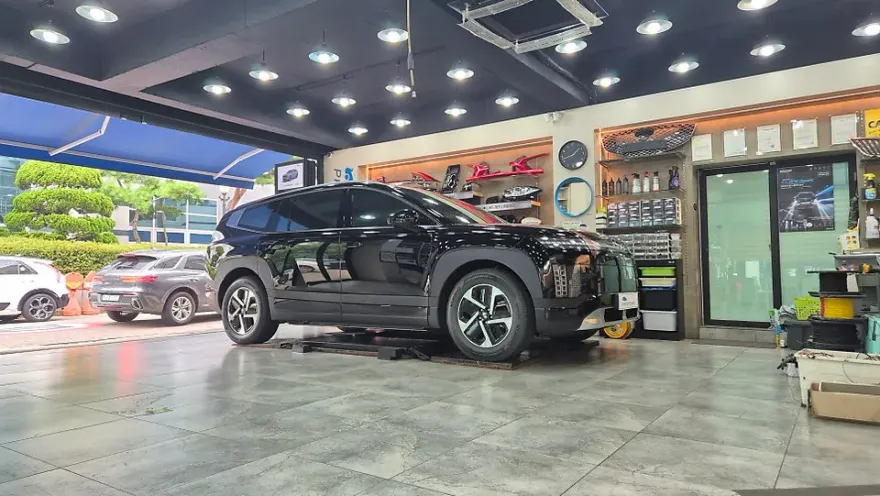
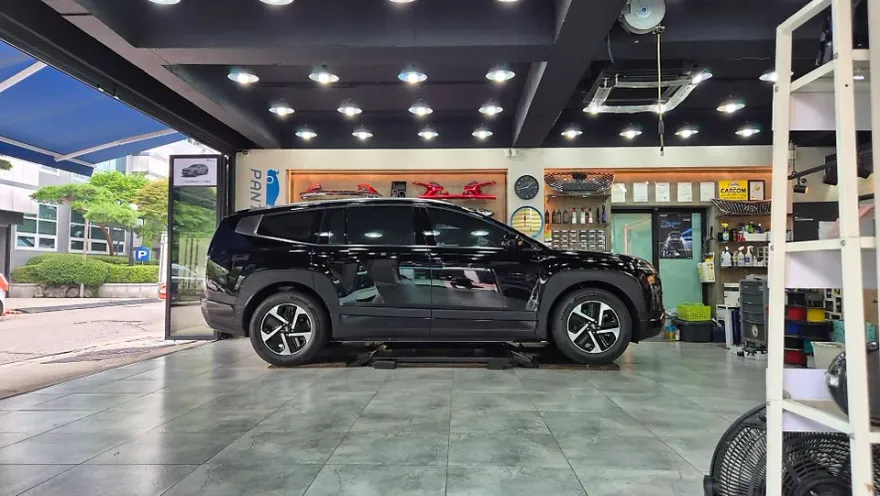
Hyundai IONIQ 9 body kit installation and cost review. Body color cladding enhances premium look. Installation process detailed.
Enhancing the Hyundai IONIQ 9's Premium Aesthetic
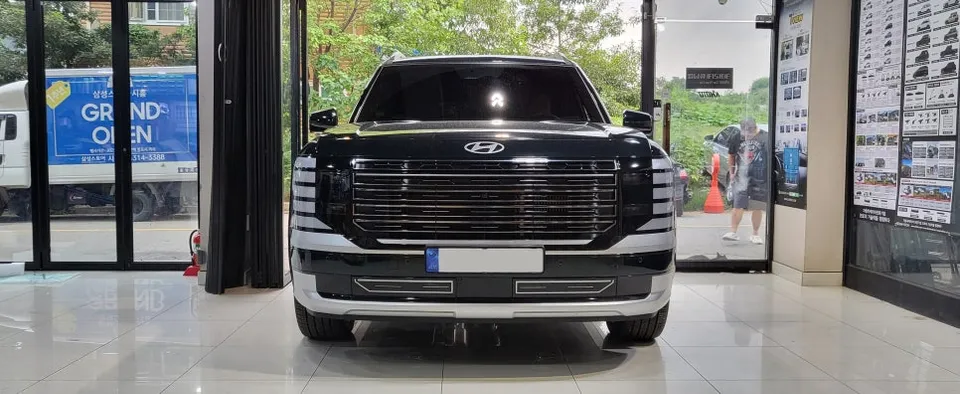
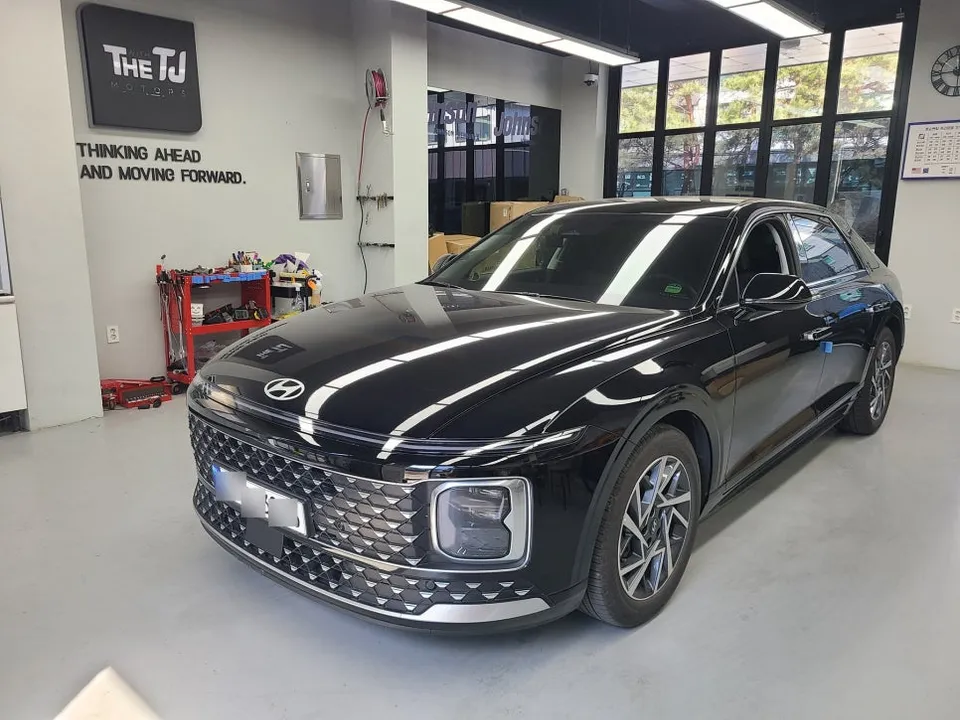
The Hyundai IONIQ 9, particularly in its top-tier 'Calligraphy' trim, already boasts a sophisticated and imposing presence. A key differentiator often lies in its exterior detailing, specifically the application of body-colored cladding. This feature not only contributes to a more unified and upscale appearance but also makes the vehicle seem larger and more luxurious. For IONIQ 9 owners looking to elevate their vehicle's styling further, a body kit, often referred to as an aero kit, presents an exciting modification option. This review delves into the process, cost, and overall value of applying such enhancements, drawing insights from a recent installation in Korea.
Body Kit Installation and Visual Transformation
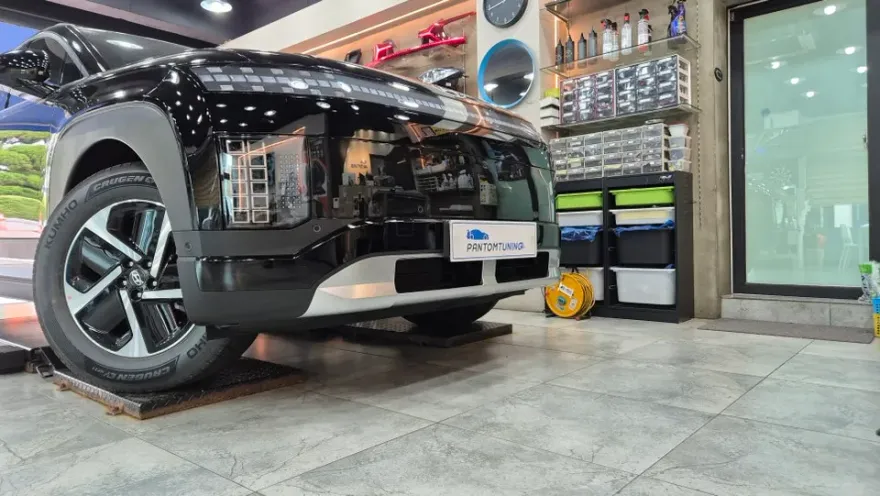
The primary goal of installing a body kit, such as front lips, side skirts, and rear diffusers, is to refine the vehicle's silhouette and add a sporty or more aggressive stance. In the context of the IONIQ 9, the application of body color cladding is a significant aspect of this transformation. Unlike standard black plastic trim, body-colored elements seamlessly integrate with the car's paintwork, creating a cohesive and high-end look. This approach can dramatically alter the perception of the vehicle, making it appear more bespoke and visually striking. The before and after results are often dramatic, with the car exuding a more sculpted and premium aura. The installation process, while detailed, is designed to integrate these new components smoothly with the existing body lines.
Understanding Body Kit Cost and Durability
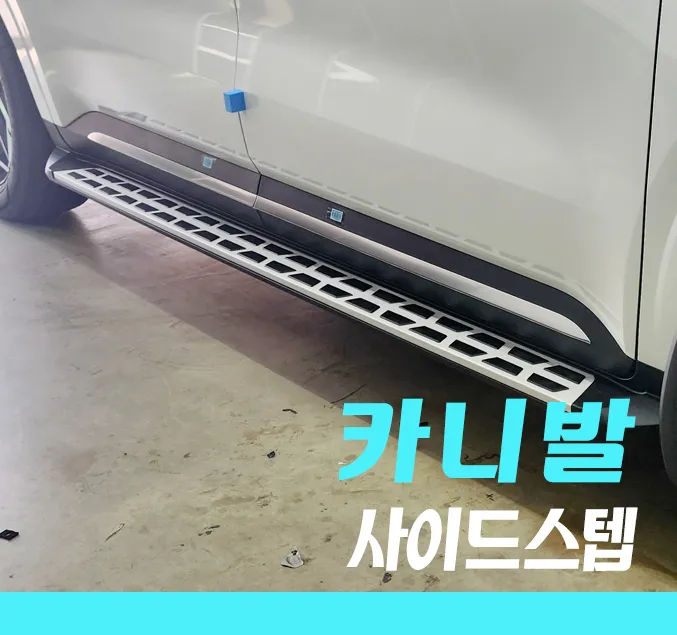
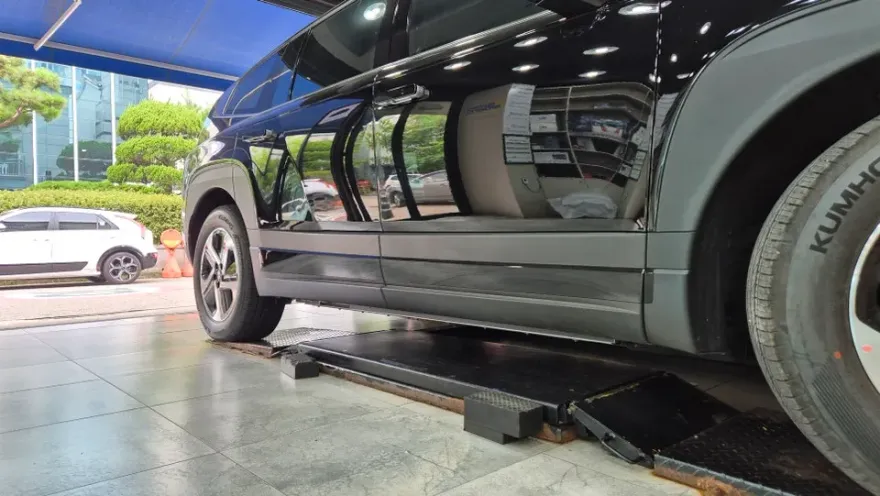
The cost of a body kit for a vehicle like the Hyundai IONIQ 9 can vary significantly based on the materials used and the complexity of the design. Common materials include polyurethane, known for its flexibility and impact resistance, and fiberglass-reinforced plastic (FRP), which is often more rigid and cost-effective but can be more prone to cracking. The installation cost is an additional factor, typically ranging from several hundred to over a thousand dollars, depending on the shop and the extent of the work. In Korea, the installation of body color cladding and side steps for the IONIQ 9, as seen in the source context, would involve professional labor to ensure a perfect fit and finish. Durability is a key consideration; while well-installed kits can last for years, they are susceptible to damage from road debris, harsh weather, and impacts. Regular cleaning and occasional waxing can help maintain their appearance and longevity. For those considering this upgrade, it's crucial to weigh the aesthetic benefits against the initial investment and potential maintenance requirements.
Installation Process:
- Surface Preparation: The existing bumpers and side panels are thoroughly cleaned and degreased to ensure optimal adhesion.
- Component Fitting: The new body kit components (front lip, side skirts, etc.) are carefully test-fitted to ensure precise alignment.
- Attachment: Components are securely attached using a combination of automotive-grade adhesives, clips, and sometimes screws, depending on the kit's design and the vehicle's mounting points.
- Finishing: Any gaps are sealed, and if the kit is unpainted, it will be professionally painted to match the vehicle's body color before final installation.
Frequently Asked Questions
Q. How much does a body kit cost for a Hyundai IONIQ 9?
The cost for a body kit installation on a Hyundai IONIQ 9 can vary, but expect professional installation to range from several hundred to over a thousand dollars in the US. The specific price depends on the kit's material and complexity.
Q. How long does body kit installation take on a Hyundai IONIQ 9?
Body kit installation typically takes between 4-8 hours, depending on the complexity of the kit and whether painting is required. Proper durability relies on secure fitting and quality materials, so maintenance involves regular cleaning and avoiding harsh impacts.
Q. Is a body kit worth it for a Hyundai IONIQ 9?
A body kit is most worth it for IONIQ 9 owners seeking a more aggressive or customized aesthetic that enhances the vehicle's premium appearance. The value proposition lies in achieving a unique, sculpted look that sets the car apart.
Q. How is a body kit installed on a Hyundai IONIQ 9?
Installation involves preparing the vehicle's surface, test-fitting the new components for precise alignment, and then securely attaching them using automotive adhesives, clips, or screws. Finally, any necessary finishing touches, like painting to match the body color, are completed.
Q. What is the difference between FRP and polyurethane body kits for a Hyundai IONIQ 9?
Polyurethane kits are generally more flexible and impact-resistant, making them more durable for daily driving, while FRP kits are typically more rigid and cost-effective but can be more prone to cracking. For most owners, polyurethane offers better long-term value due to its resilience.
OhCar Partner Shop