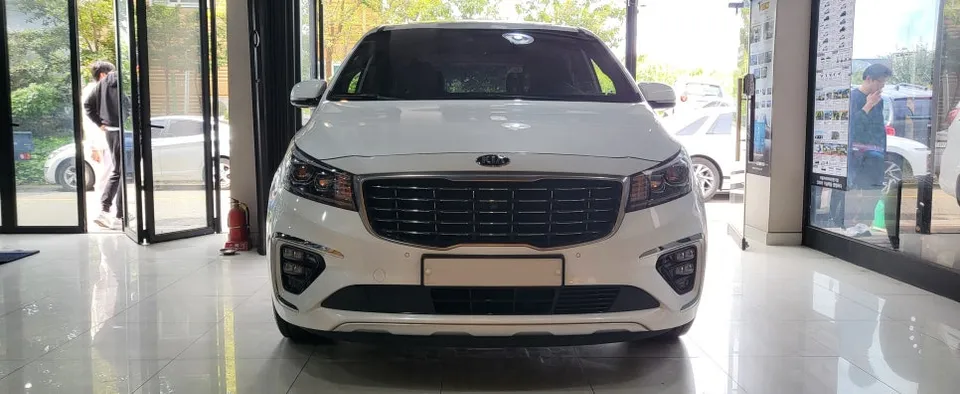
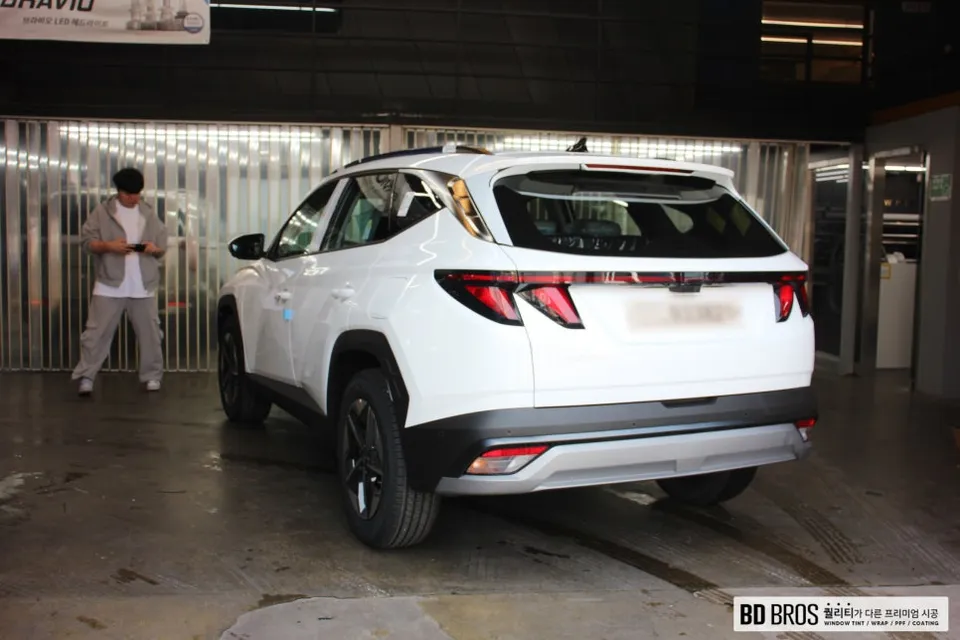
Kia K3 OEM Options Installation Review

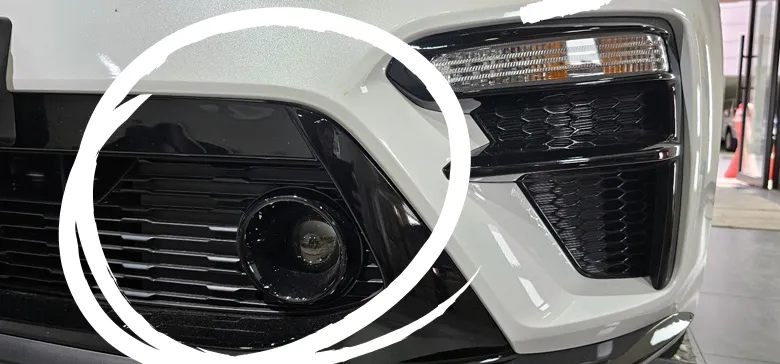
Kia K3 front sensor OEM upgrade: Approx. $150-$370. Enhances parking safety with factory-look integration.
Enhancing Your Kia K3 with Genuine OEM Options
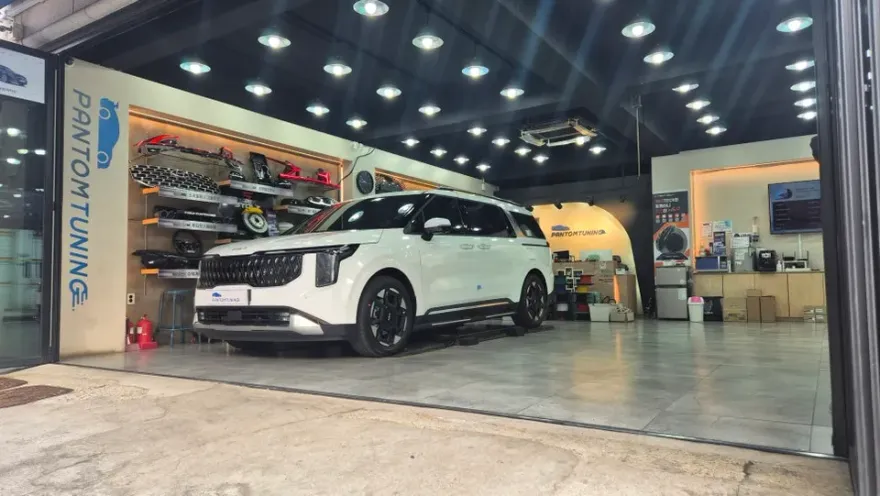
Many Kia K3 owners look to enhance their driving experience by adding genuine Original Equipment Manufacturer (OEM) options after purchasing their vehicle. This review focuses on the installation of front parking sensors (PDW - Parking Distance Warning system) for the All New K3, a popular upgrade that significantly improves parking maneuverability and safety. The work detailed here was performed at a specialized tuning shop in South Korea. While specific pricing can vary, the cost for this type of OEM option installation in Korea typically ranges from ₩200,000 to ₩500,000 (approximately $150-$370 USD), depending on the complexity and specific components.
Before and After: The Impact of Front Parking Sensors
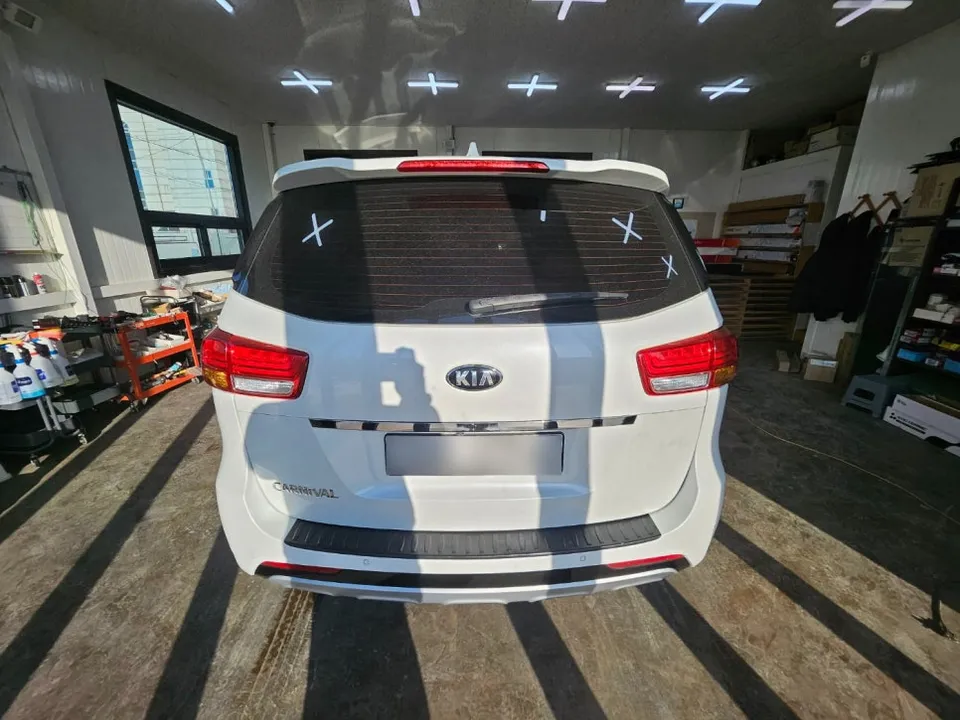
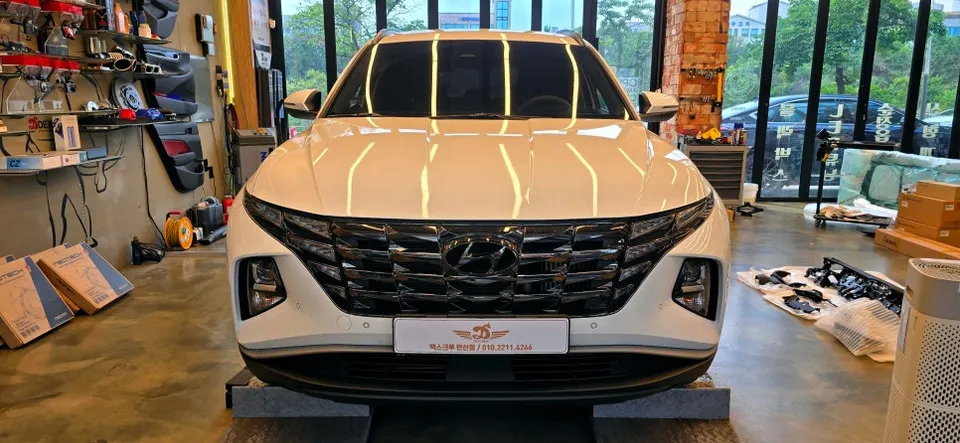
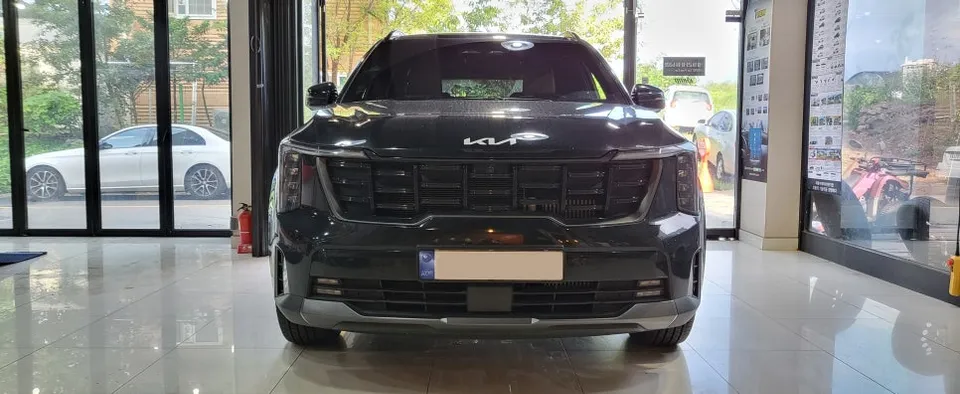
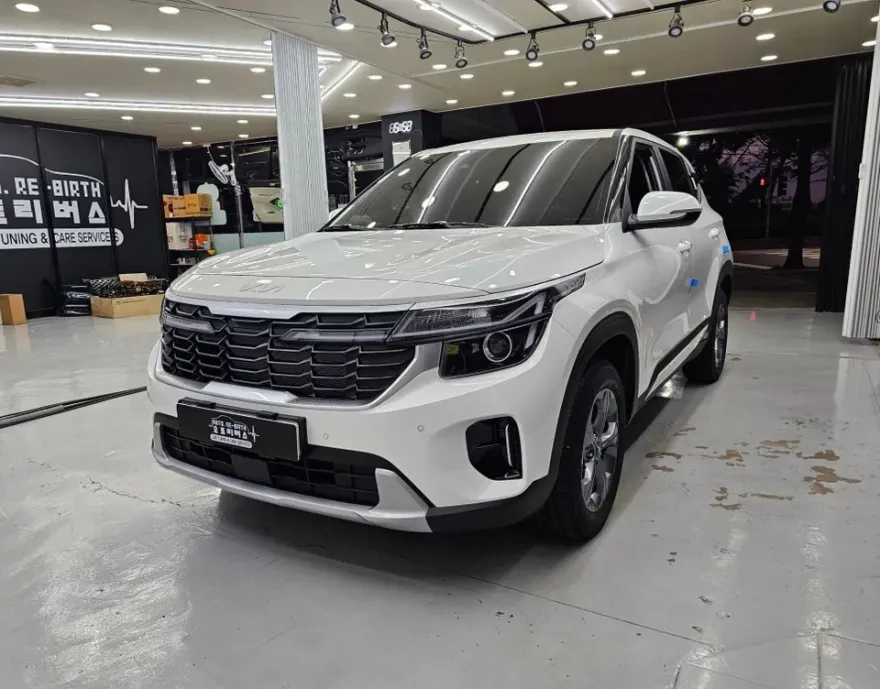
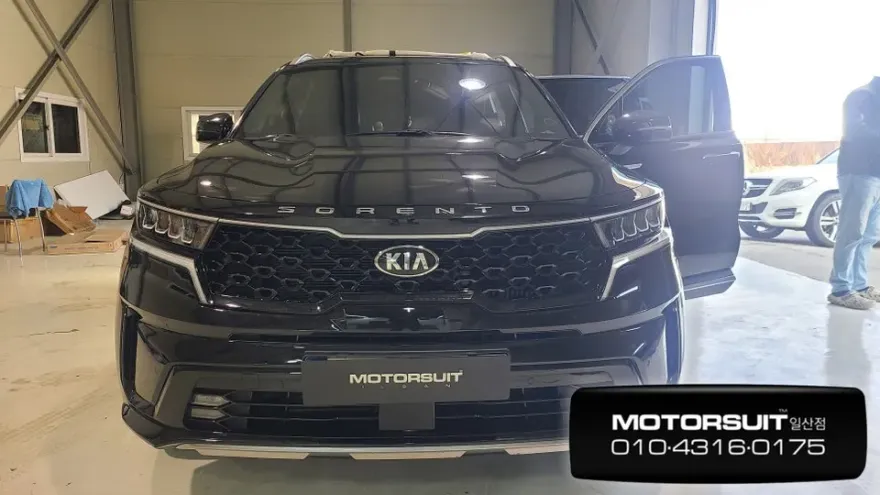
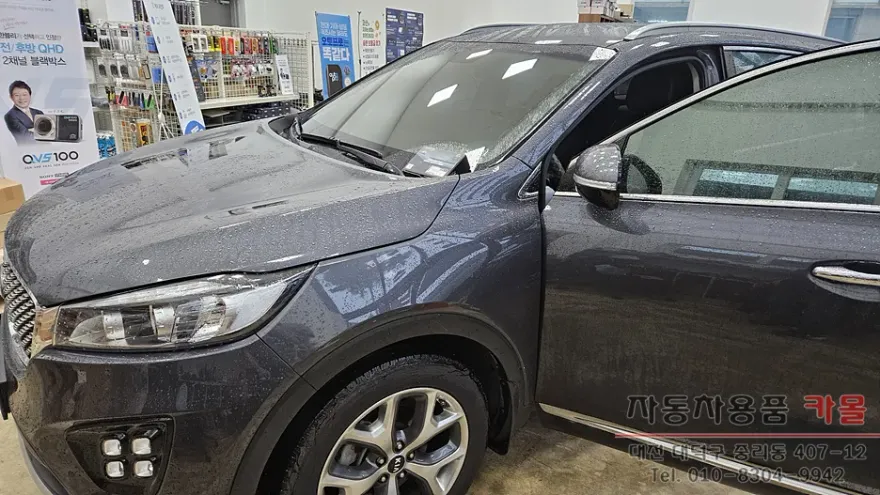
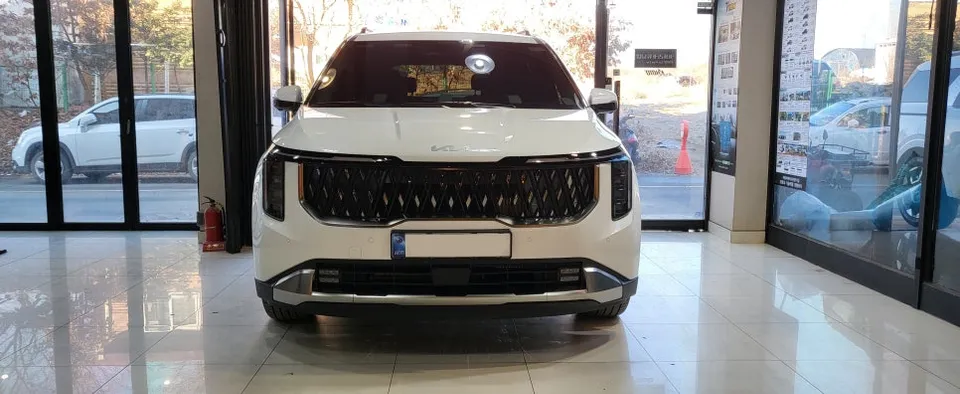
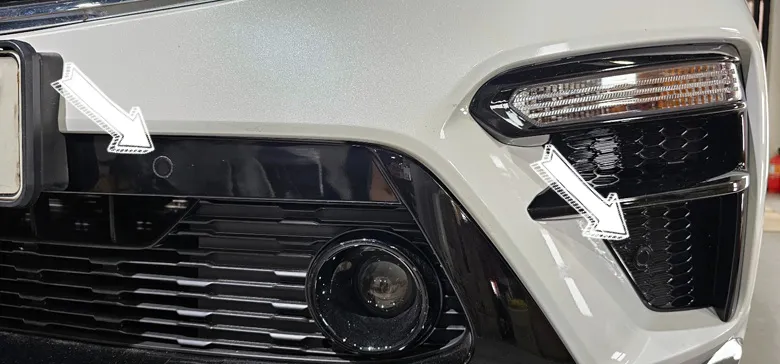
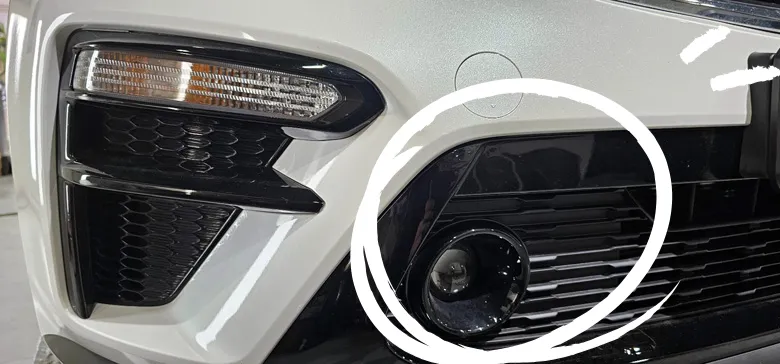
Before the installation, the Kia K3's front bumper is a clean, unblemished surface. After the installation of the OEM front parking sensors, the vehicle gains a suite of sensors seamlessly integrated into the bumper. The most noticeable difference is the enhanced parking assistance. Drivers receive audible and visual cues when approaching obstacles, drastically reducing the risk of low-speed collisions, especially in tight parking spaces or during low-visibility conditions. This upgrade transforms the car's front-end functionality, providing a greater sense of security and confidence when navigating challenging environments. The sensors are color-matched to the vehicle's bumper, ensuring a factory-fitted appearance that maintains the car's aesthetic integrity.
Durability and Maintenance of OEM Options
Genuine OEM options, such as the front parking sensors for the Kia K3, are designed to meet the same rigorous standards as the original parts installed at the factory. This means they offer excellent durability and longevity, typically lasting the lifetime of the vehicle with proper care. The sensors themselves are robust and weather-resistant, capable of withstanding various environmental conditions like rain, snow, and temperature fluctuations. Maintenance is minimal; occasional cleaning of the sensor surfaces with a soft cloth and mild automotive cleaner is usually sufficient to ensure optimal performance. Avoid using abrasive materials or high-pressure washing directly on the sensors. Regular checks of the parking assist system's functionality are recommended, especially after significant impacts or if any warning lights appear on the dashboard.
Installation Process:
- Component Integration: The process begins with the precise placement and mounting of the new parking sensors into pre-determined or carefully drilled holes in the front bumper.
- Wiring Harness Connection: A dedicated OEM wiring harness is run from the sensors through the vehicle's firewall to connect to the relevant control modules and the car's infotainment system or instrument cluster for display.
- Control Module Programming: The vehicle's onboard computer system is then accessed, and the new parking assist module is programmed and activated to recognize and utilize the newly installed sensors.
- System Testing: Finally, the entire system is thoroughly tested in various scenarios to ensure all sensors are functioning correctly and providing accurate feedback to the driver.
Frequently Asked Questions
Q. How much does OEM option and factory upgrade installation cost for a Kia K3?
In Korea, this type of OEM option installation for a Kia K3 typically costs between ₩200,000 and ₩500,000 (approximately $150-$370 USD). U.S. pricing for similar factory-integrated upgrades can range from $300 to $800, depending on the specific option and dealership.
Q. How long does OEM options installation take on a Kia K3?
Genuine OEM options like parking sensors are built for long-term durability, often lasting the vehicle's lifespan. To maintain performance, simply keep the sensor surfaces clean with a soft cloth and mild soap.
Q. Are OEM options worth adding after purchase for a Kia K3?
Adding OEM options like front parking sensors is most beneficial for drivers who frequently navigate tight spaces or want enhanced parking safety. The value lies in the seamless integration and factory-level performance they provide.
Q. How are OEM factory options installed on a Kia K3?
Installation involves precisely mounting the sensors into the bumper, connecting a dedicated OEM wiring harness, and programming the vehicle's control modules to recognize the new system. The entire system is then tested for functionality.
Q. What is the difference between dealer-installed options and aftermarket upgrades for a Kia K3?
OEM options are designed and manufactured by the car's maker for perfect integration, while aftermarket upgrades are produced by third-party companies and may not always match factory fit and finish. For features like parking sensors, OEM options generally offer superior integration and reliability.
OhCar Partner Shop