Kia K3 Ventilated Seats Review — Installation & Cost
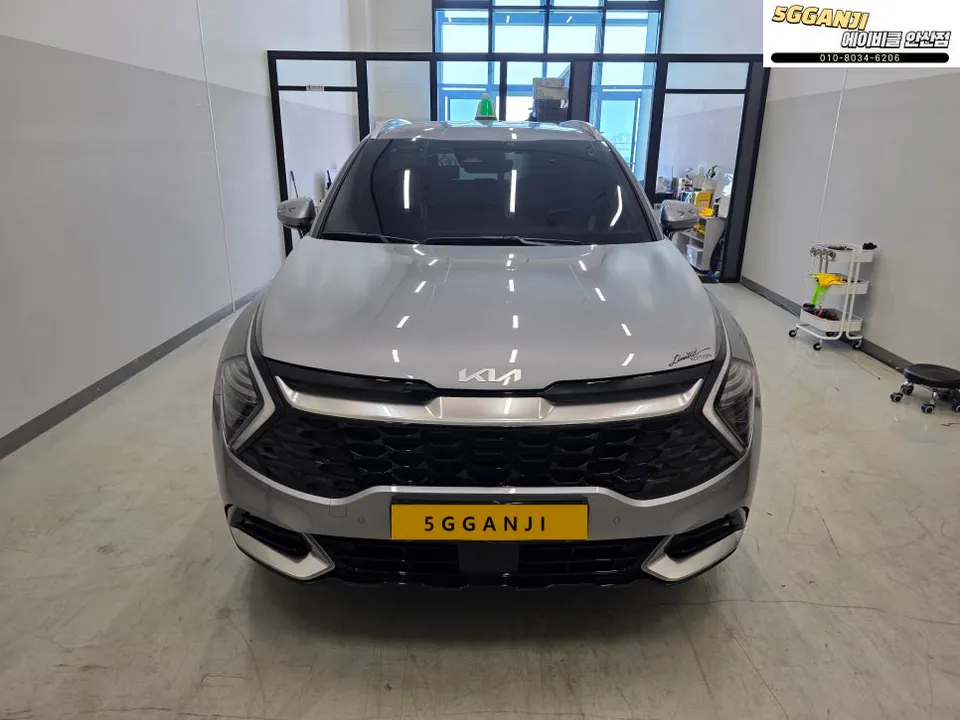
Before

After

Process photos
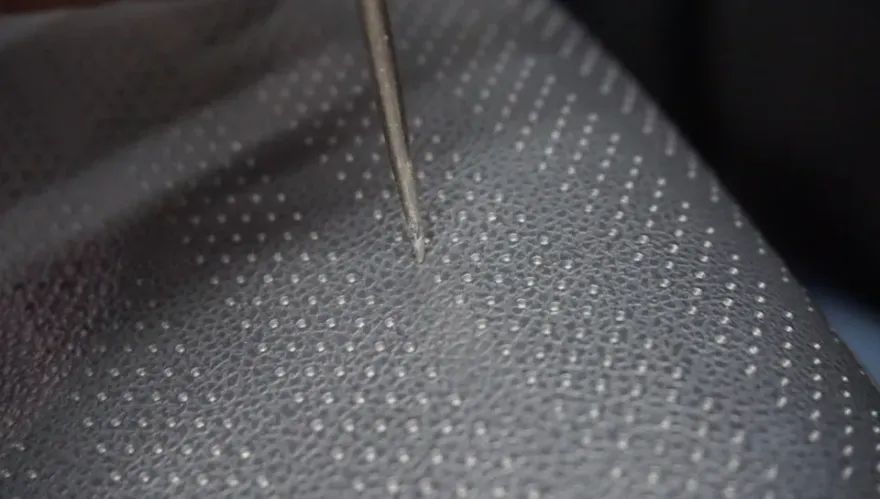

Kia K3 Seat Ventilation & Heating retrofit: Enhances comfort year-round. Installation involves integrating fans and heating elements.
Essential Climate Control for Your Kia K3
For Kia K3 owners in warmer climates, the addition of ventilated seats is more than a luxury; it's a necessity for comfortable driving during hot weather. This review delves into the process of retrofitting ventilated and heated seats, exploring the installation, the tangible benefits, and whether the investment is worthwhile. The original context highlights the importance of ventilated seats, especially in humid conditions, by circulating cool air to prevent discomfort from sweat on the back and thighs.

Seat Ventilation & Heating Installation Process
Installing seat ventilation and heating systems involves integrating fans and heating elements within the seat structure. While the original context doesn't provide a detailed step-by-step guide for a US/UK audience, a typical installation process for a seat climate upgrade involves several key stages. This process ensures that the system functions effectively and integrates seamlessly with the vehicle's interior.
Installation Process:
- Seat disassembly to access the internal padding and frame.
- Careful placement and secure mounting of ventilation fans and heating pads within the seat cushions and backrests.
- Wiring the system to the vehicle's power source and integrating controls, often through custom button placement or integration with existing dashboard controls.
- Reassembly of the seats to their original condition, ensuring all components are hidden and upholstery is properly fitted.
The goal is to achieve a factory-like appearance and functionality. The original post from Jeju, South Korea, emphasizes that this upgrade is crucial for summer driving, working in conjunction with the car's air conditioning to provide a constant flow of cool air. This prevents the uncomfortable feeling of sticking to the seat on hot days.
Before & After Results and Durability
The primary benefit of a seat ventilation and heating retrofit is immediate comfort. Before the installation, drivers might experience significant discomfort from heat and humidity buildup, leading to sweat and a generally unpleasant driving experience. After the installation, the seats actively circulate air, keeping the driver and passengers cool and dry. The heating function provides warmth during colder months, making it a year-round comfort solution. Durability is a key consideration for any aftermarket upgrade. Reputable installations use high-quality components designed to withstand regular use. Maintenance typically involves ensuring the ventilation grilles are free of debris to maintain airflow. While specific long-term durability data isn't provided in the source, well-installed systems can last for many years, comparable to factory-fitted options.
Is a Seat Climate Upgrade Worth It for Your Kia K3?
Deciding whether to invest in ventilated and heated seats for your Kia K3 depends on your priorities and driving conditions. If you frequently drive in hot or humid weather, or if you simply value enhanced comfort, the upgrade can significantly improve your driving experience. The cost of such retrofits can vary, but it's an investment in daily comfort. While the original context mentions costs in Korean Won (KRW), a typical aftermarket installation in the US or UK can range from several hundred to over a thousand dollars, depending on the complexity and quality of the system. Considering the enhanced comfort and potential resale value, for many drivers, particularly those in warmer regions, the seat climate upgrade is a worthwhile modification.

Frequently Asked Questions
Q. How much does ventilated seat installation cost for a Kia K3?
The cost for this Seat Ventilation & Heating upgrade on a Kia K3 in Korea was not explicitly stated in USD, but aftermarket installations in the US typically range from $400 to $1200 depending on the system's complexity and quality.
Q. How long does seat ventilation installation take on a Kia K3?
While specific installation times for the Kia K3 are not detailed, these systems are generally durable and can last many years with proper care. Keeping the seat vents clear of debris is a key maintenance tip to ensure optimal airflow.
Q. Are aftermarket ventilated seats worth it for a Kia K3?
Aftermarket ventilated seats are highly recommended for drivers who frequently experience hot and humid conditions, significantly enhancing daily driving comfort. The value proposition lies in the substantial improvement to overall driving pleasure and comfort.
Q. How are ventilated seats installed in a Kia K3?
Installation involves disassembling the seat to integrate fans and heating elements within the upholstery. The system is then wired to the vehicle's power, and controls are integrated, followed by reassembly for a factory-like finish.
Q. What is the difference between OEM and aftermarket ventilated seats for a Kia K3?
OEM (Original Equipment Manufacturer) seats are integrated during vehicle production, offering seamless functionality, while aftermarket options are retrofitted, providing a similar comfort upgrade at a potentially lower cost. For most owners seeking enhanced comfort, a quality aftermarket installation is a highly effective solution.
OhCar Partner Shop