Kia K7 Performance Exhaust Upgrade Review

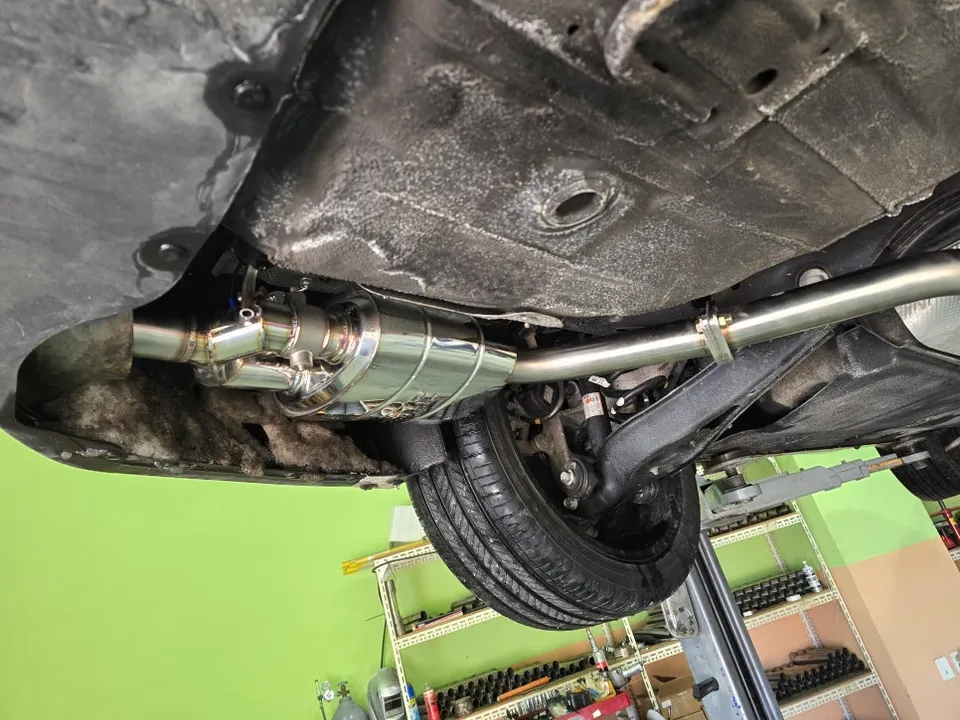
Kia K7 Performance Exhaust Upgrade: Custom tuning offers a sportier sound and improved response. Installation and parts vary in cost.
Kia K7 Performance Exhaust Upgrade: A Deep Dive
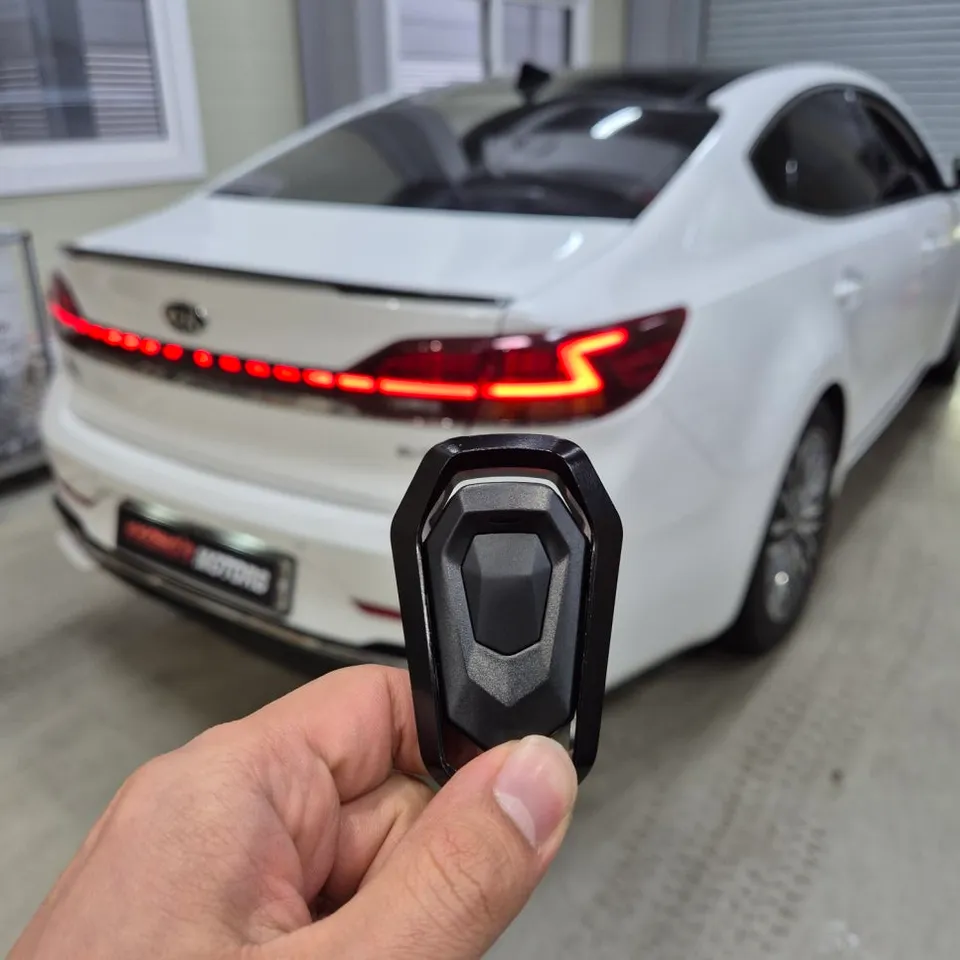
For Kia K7 owners seeking a more engaging driving experience, a performance exhaust upgrade can be a compelling modification. This review delves into the specifics of installing a performance exhaust system, often referred to as a catback or axleback exhaust, on the Kia K7. We'll cover the installation process, the tangible before and after results, considerations for durability, and help you decide if this performance cost is truly worth it for your vehicle.
Performance Gains and Sound Transformation
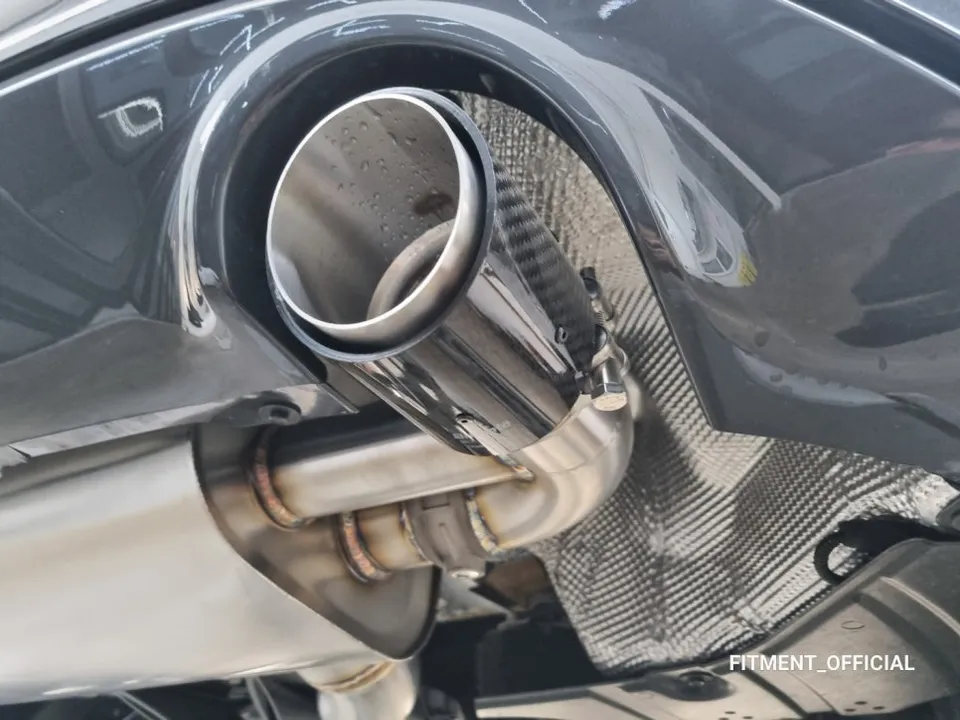
The primary motivations for a Kia K7 exhaust upgrade are typically enhanced engine sound and a potential boost in performance. Many aftermarket systems, including those from brands like JSR, offer a more aggressive, sporty tone compared to the factory setup. This can range from a subtle rumble to a more pronounced growl, depending on the specific muffler and pipe diameter chosen. While significant horsepower gains are less common with exhaust-only modifications on naturally aspirated engines, a well-designed performance exhaust can contribute to slightly improved throttle response and a marginal increase in power, particularly when paired with other intake modifications. The KR context mentions custom work and specific brands like Alto Exhaust, suggesting a focus on tailored sound profiles and aesthetics. The installation process itself is a key factor in achieving the desired results. For the Kia K7, this typically involves removing the stock muffler and exhaust piping and replacing it with the new performance components. The goal is to reduce backpressure and allow the engine to breathe more freely.
Installation, Durability, and Cost Considerations
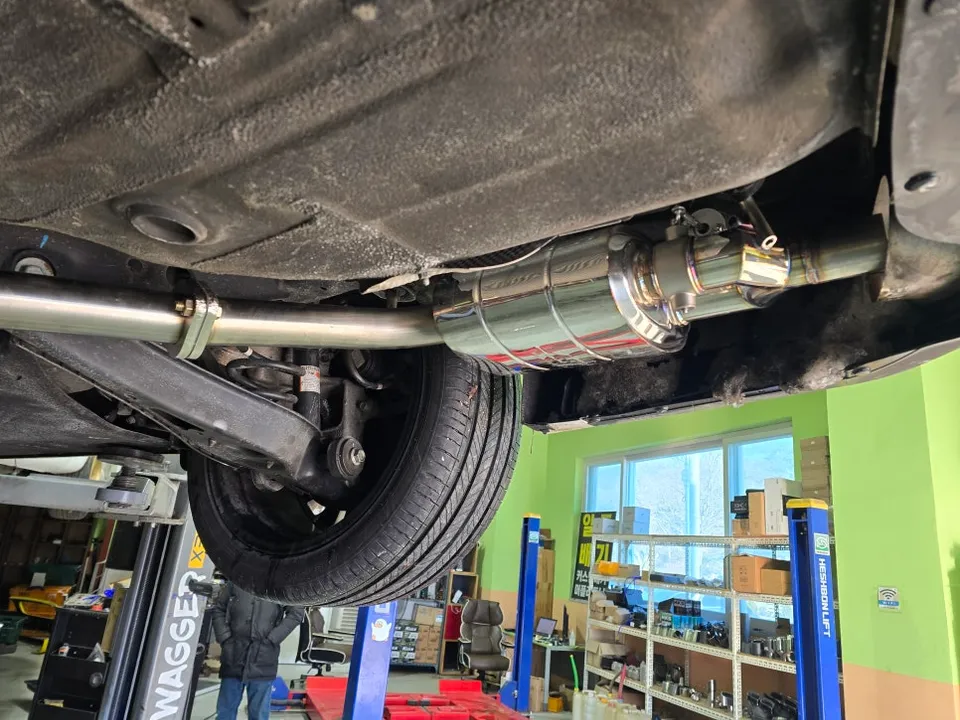
The installation of a performance exhaust system on a Kia K7 is a specialized task. Based on the KR context, this type of modification is often performed by dedicated tuning shops. The process generally involves lifting the vehicle, disconnecting the existing exhaust system, and then fitting the new catback or axleback components. Precision is key to ensure proper alignment and sealing. The materials used in performance exhausts vary, but stainless steel is a popular choice for its durability and resistance to corrosion, which is crucial for longevity, especially in varied climates. Maintenance is usually minimal, often limited to occasional checks for leaks or damage. Regarding cost, the KR context implies custom work, which can vary significantly. While specific pricing isn't detailed in USD, such upgrades in the US can range from $500 to $1500 or more, depending on the brand, system type (catback vs. axleback), and installation complexity. It's important to factor in the cost of the parts and the labor involved when considering a performance exhaust upgrade for your Kia K7.
Is a Performance Exhaust Upgrade Right for Your Kia K7?
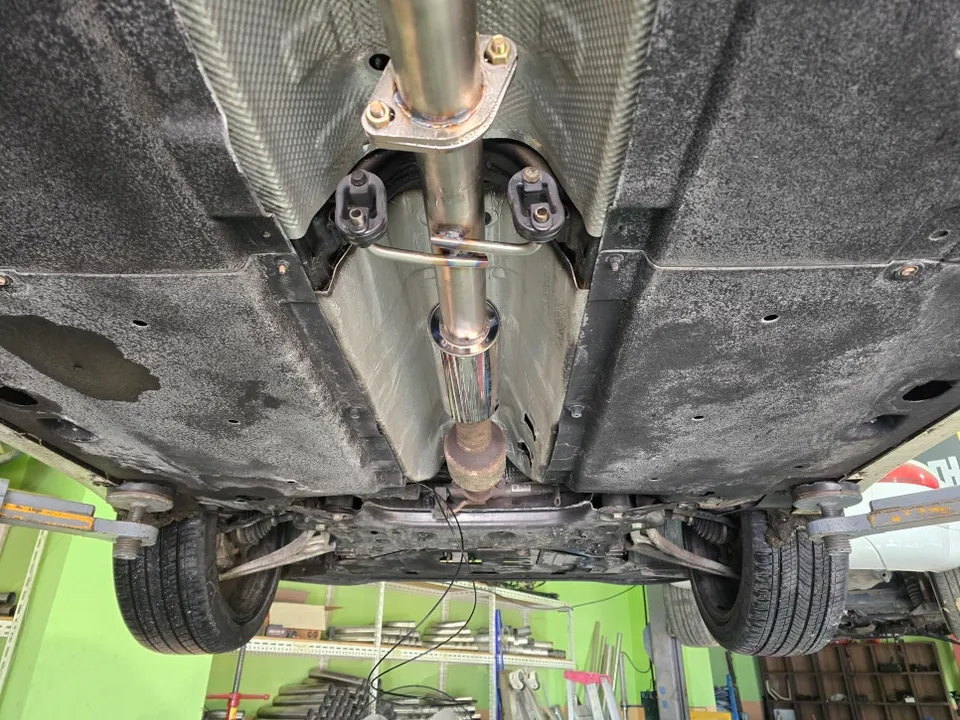
Deciding whether to invest in a performance exhaust for your Kia K7 hinges on your priorities. If you're seeking a more visceral auditory experience and a sportier feel from your vehicle, the upgrade can be highly satisfying. The before and after difference in sound is often the most immediate and noticeable change. For those primarily focused on substantial horsepower gains, an exhaust upgrade alone might not deliver dramatic results without complementary engine tuning or intake modifications. However, as part of a broader performance package, it plays a crucial role. The durability of quality stainless steel systems means that with proper installation, you can expect years of enhanced driving enjoyment. Ultimately, the value lies in how much you prioritize the enhanced sound and driving engagement over the initial performance cost.
Installation Process:
- The vehicle is safely lifted to access the underside.
- The stock exhaust system, including the muffler and piping, is carefully removed.
- The new performance exhaust components (catback or axleback) are fitted and aligned.
- All connections are secured, and hangers are adjusted for proper fitment.
- The system is tested for leaks and sound quality before finalization.
Frequently Asked Questions
Q. How much does an exhaust upgrade cost for a Kia K7?
Custom exhaust upgrades for the Kia K7, as suggested by the KR context, can vary widely in price. In the US, expect a typical range of $500 to $1500 or more for parts and installation.
Q. How does an exhaust upgrade affect performance on a Kia K7?
A performance exhaust upgrade primarily enhances the engine's sound, providing a sportier tone and potentially improving throttle response. Durability is generally high with stainless steel systems, requiring minimal maintenance beyond occasional checks.
Q. Is an exhaust upgrade worth it for a Kia K7?
An exhaust upgrade is most worth it for Kia K7 owners prioritizing a more engaging engine sound and sporty driving feel. The value proposition is strong for those seeking an enhanced auditory experience, rather than solely massive power gains.
Q. How is an exhaust system upgraded on a Kia K7?
Installation involves lifting the vehicle to remove the stock exhaust system. New performance components, such as a catback or axleback system, are then fitted, aligned, and secured. The process concludes with leak checks and sound verification.
Q. What is the difference between a catback and axleback exhaust for a Kia K7?
A catback exhaust replaces the entire system from the catalytic converter back, offering more comprehensive performance and sound changes. An axleback exhaust only replaces the muffler and tips, providing a more localized sound enhancement at a lower cost.
OhCar Partner Shop