Kia K5 OEM Options Review: Factory Upgrades & Cost

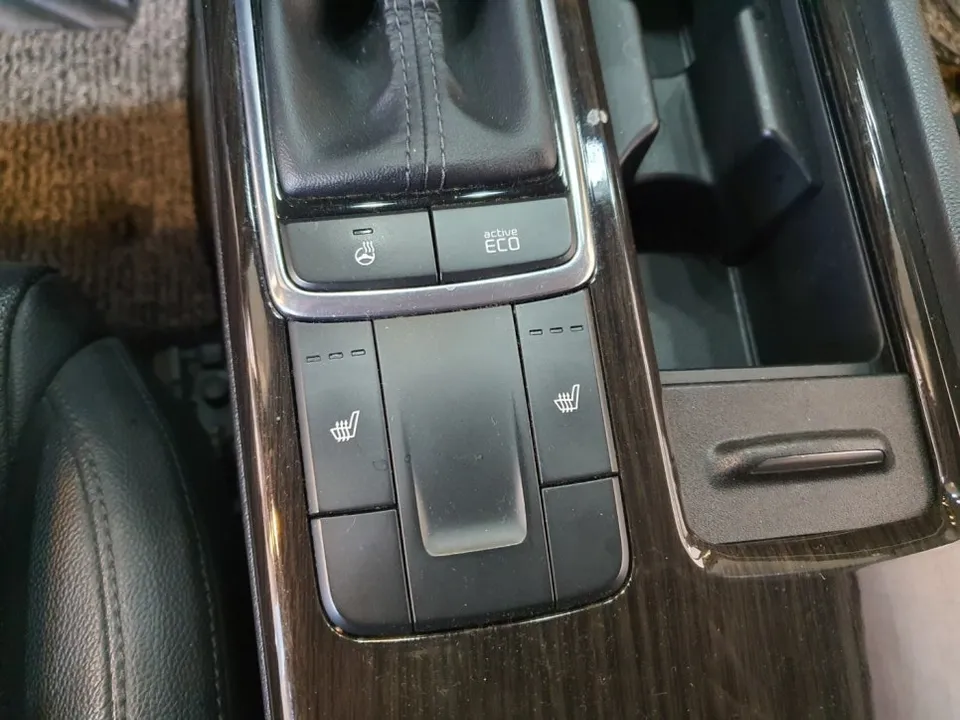
Kia K5 OEM option retrofits like ventilated seats and parking sensors offer factory-level upgrades. Costs vary, but enhance comfort and safety.
Upgrading Your Kia K5 with Genuine Factory Options
For Kia K5 owners looking to enhance their driving experience, retrofitting genuine OEM options offers a way to add desirable features that might not have been included in the original build. This review focuses on common factory option retrofits, such as adding ventilated front seats (driver and passenger), front parking sensors (PAS), and activating drive modes like the Sport mode. These upgrades are performed by specialized automotive tuning shops, with the context of this review originating from a professional shop in Gimhae, Gyeongnam, South Korea. The goal is to provide insight into the process, potential results, and considerations for owners in the US and UK.
What OEM Options Can Be Added to a Kia K5?
The Kia K5, like many modern vehicles, is built with modularity in mind, allowing for the integration of various factory options even after the initial purchase. Common retrofits include comfort features like ventilated seats, which significantly improve comfort during warmer months by circulating air through the seat perforations. Another popular addition is the Parking Assistance System (PAS), which uses front and rear sensors to provide audible and visual cues, aiding the driver during low-speed maneuvers and parking. For those seeking a more engaging driving experience, activating additional drive modes, such as a sportier setting that sharpens throttle response and steering feel, can also be achieved through software and hardware integration. These are not aftermarket parts but genuine components designed and tested by Kia for seamless integration.
Installation Process and Durability
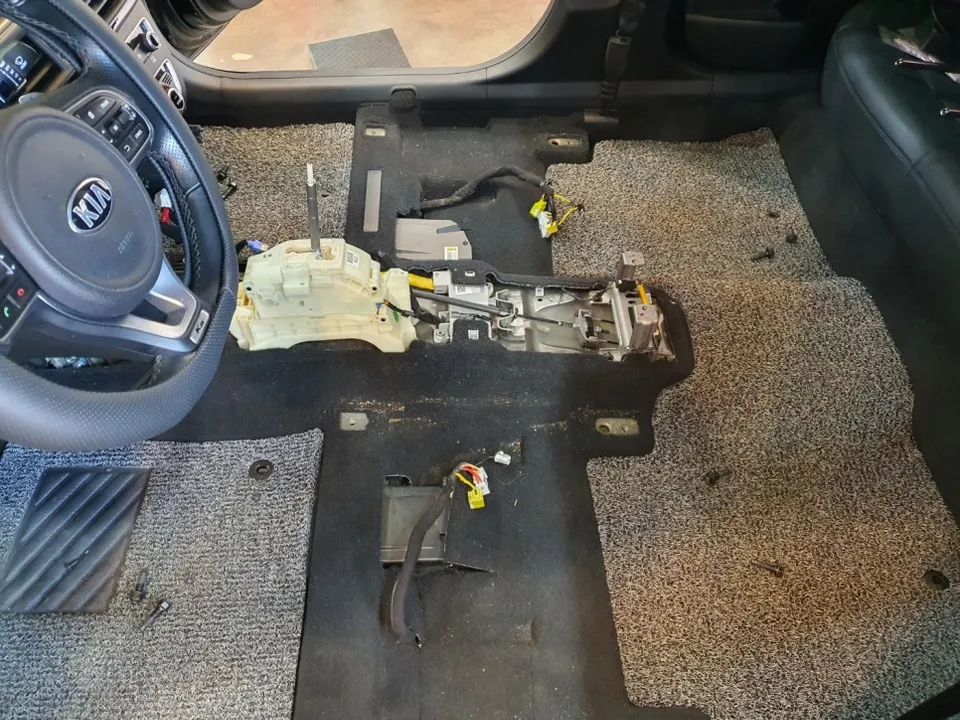
Installing OEM options involves a meticulous process that requires expertise to ensure factory-level fit and function. The process typically involves disassembling parts of the interior trim, integrating the new components (like seat modules or sensor wiring harnesses), and then reassembling everything to its original state. Software calibration is often a crucial step, especially for features like drive modes or advanced sensor systems, to ensure they communicate correctly with the K5's existing electronic architecture.
Installation process:
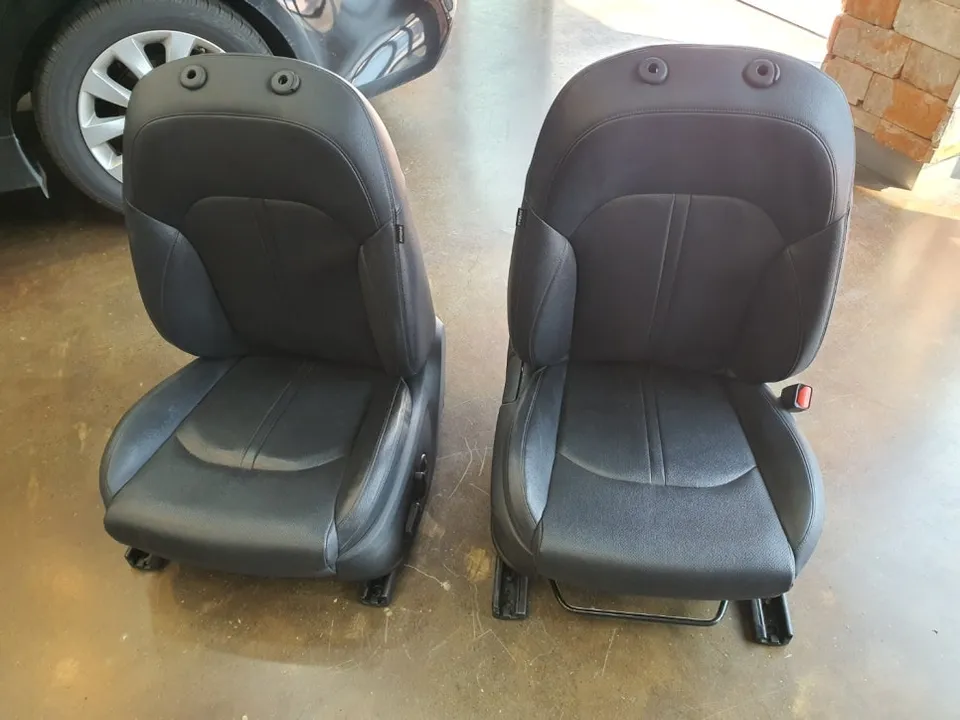
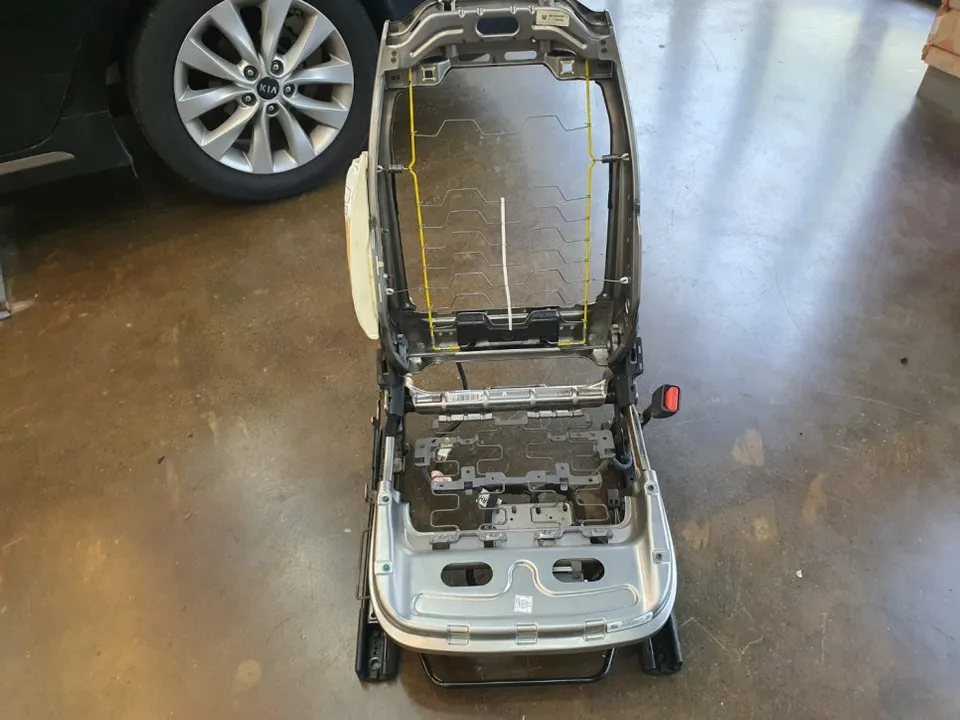
- Component Integration: Genuine OEM parts, such as seat ventilation modules or parking sensor kits, are carefully installed. This may involve removing existing seat covers or bumper components to access necessary mounting points and wiring harnesses.
- Wiring and Connections: New wiring harnesses are routed and connected to the vehicle's existing electrical system, often utilizing factory-specified connectors and pathways to maintain a clean and reliable installation.
- Software Activation: For features like drive modes or advanced parking aids, the vehicle's onboard computer system is accessed to activate and configure the new functions. This ensures proper integration with the car's existing software.
- Final Assembly and Testing: Interior trim pieces are reinstalled, and all new features are thoroughly tested to confirm they operate exactly as they would from the factory, ensuring both functionality and aesthetic integrity.
The durability of these retrofitted OEM options is generally excellent, as they are designed to the same standards as the original factory-installed components. With proper installation and standard vehicle use, features like ventilated seats and parking sensors are expected to last the lifetime of the vehicle. Maintenance is typically minimal, often requiring just regular cleaning of the seat surfaces or ensuring parking sensors are free of dirt and debris. The use of genuine parts ensures that the materials and technology employed are built for long-term performance and reliability, mirroring the original factory fit and finish.
Is Retrofitting OEM Options Worth It for Your Kia K5?
Deciding whether to retrofit OEM options depends on individual priorities and budget. For features like ventilated seats, the comfort enhancement, especially in hot climates, can be a significant quality-of-life improvement that many owners find well worth the investment. Similarly, adding parking sensors can increase confidence and safety during maneuvering, reducing the risk of minor collisions. The cost of these retrofits, when performed by specialists using genuine parts, can range from several hundred to over a thousand US dollars, depending on the complexity of the option. While this is a considerable expense, it often represents a more integrated and reliable solution compared to many aftermarket alternatives. For owners who plan to keep their Kia K5 for an extended period and desire specific factory-level features, investing in OEM option retrofits can be a worthwhile upgrade that enhances both driving pleasure and vehicle value.
Frequently Asked Questions
Q. How much does OEM option and factory upgrade installation cost for a Kia K5?
The cost for OEM option retrofits on a Kia K5 can vary significantly, with basic activations potentially costing a few hundred dollars and more complex installations like ventilated seats or parking sensors ranging upwards of a thousand US dollars, depending on the specific features and labor involved.
Q. How long does OEM options installation take on a Kia K5?
Durability of OEM options is generally excellent, designed to last the life of the vehicle with proper care. Basic maintenance typically involves keeping components clean, such as ensuring parking sensors are free of dirt and debris.
Q. Are OEM options worth adding after purchase for a Kia K5?
OEM options are most worth it for Kia K5 owners who prioritize factory-integrated features and long-term reliability over cost savings. The value proposition lies in achieving genuine, seamless functionality that enhances comfort and convenience.
Q. How are OEM factory options installed on a Kia K5?
OEM factory options are installed by integrating genuine Kia components and wiring harnesses into the vehicle's existing systems. The process typically involves disassembly of interior trim, connection of new modules, software activation via the car's computer, and thorough testing of all functions.
Q. What is the difference between dealer-installed options and aftermarket upgrades for a Kia K5?
OEM factory options are genuine Kia parts designed for seamless integration and guaranteed compatibility, whereas aftermarket upgrades are produced by third-party companies and may vary in quality and integration. For the best long-term performance and reliability, choosing genuine OEM options is recommended.
OhCar Partner Shop